Candice Horbacz

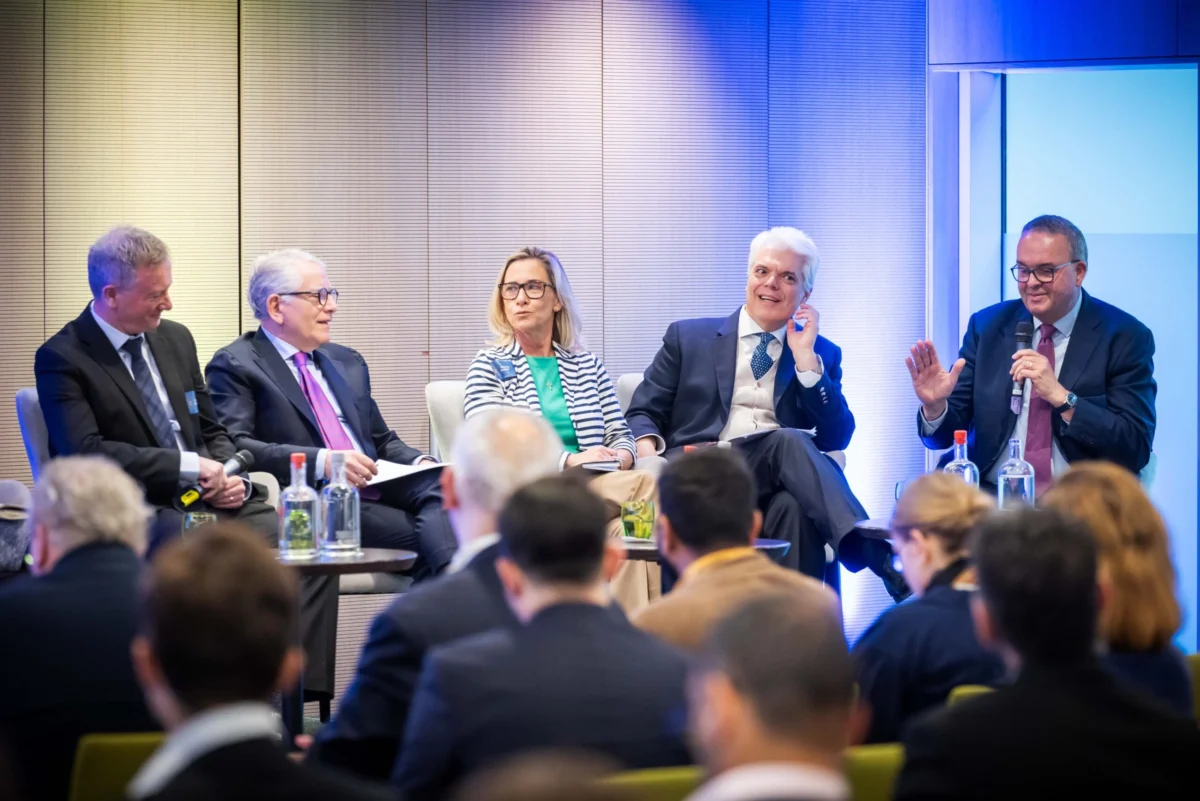
The European tax policy community is set to convene in Paris on Monday, 27 September 2027, for the second annual Gala hosted by Tax Foundation Europe (TFE). This prestigious event, a cornerstone for dialogue and collaboration, will gather leading experts, policymakers, academics, and industry stakeholders to network over dinner and celebrate the collective efforts in shaping pan-European tax policy. Held at the historic Maison de la Chimie, the Gala serves as a critical forum for discussing the intricate and often turbulent landscape of taxation across the continent. Those interested in attending this influential gathering are encouraged to complete an interest form to be notified upon registration opening.
The Significance of the Gathering in a Turbulent Era
The second annual Gala underscores Tax Foundation Europe’s growing influence and the increasing need for robust, evidence-based discourse in European tax policy. The continent is currently grappling with a confluence of complex fiscal challenges, including the implementation of global tax reforms (such as the OECD/G20 Inclusive Framework on Base Erosion and Profit Shifting – BEPS, particularly Pillars One and Two), the push for greater tax harmonization within the European Union, the emergence of digital services taxes, and the integration of green taxation initiatives aimed at combating climate change. These issues are further complicated by persistent inflationary pressures, geopolitical uncertainties, and the ongoing need to finance post-pandemic economic recovery and strategic investments.
In this environment, independent analysis and a platform for constructive dialogue are more crucial than ever. As one Senior Tax Leader in Europe aptly observed, "Today, international tax policy is especially turbulent and uncertain. Dialogue between stakeholders remains essential. The deep insights, critical analysis, and robust research that Tax Foundation Europe brings is needed now more than ever." This sentiment resonates deeply within a community striving for stability and predictability in tax frameworks that directly impact economic growth, investment decisions, and global competitiveness.
Event Details and the Esteemed Venue
The Gala will take place on Monday, 27 September 2027, at the distinguished Maison de la Chimie. Located at 28 Rue Saint-Dominique in the sophisticated 7th arrondissement of Paris, the venue itself is emblematic of intellectual exchange and scientific advancement, having hosted numerous international conferences and forums since its inauguration in 1934. Its historical significance and central location make it an ideal setting for an event dedicated to fostering high-level discussions on European tax policy. The evening promises an opportunity for attendees to engage with peers and thought leaders, share perspectives, and contribute to the collective understanding of evolving tax challenges and opportunities.
Complementing the Gala, Tax Foundation Europe will also host its 2027 Conference. While specific details on the conference agenda are yet to be fully released, it is anticipated to precede or closely follow the Gala, providing a deeper dive into the technical and economic aspects of major tax topics. The conference is designed to feature insights from top academics and leaders from the international tax community, offering attendees a comprehensive overview of current research, policy proposals, and future trends. Both the Gala and the Conference are integral parts of TFE’s mission to facilitate informed decision-making and promote sound tax policies across Europe.
Tax Foundation Europe: A Catalyst for Principled Tax Policy
Tax Foundation Europe, the European arm of the Washington D.C.-based Tax Foundation, was established to bring a data-driven, non-partisan approach to tax policy discussions in Europe. Its mission centers on improving lives through smarter tax policy, advocating for principles of simplicity, transparency, neutrality, and stability in tax systems. By providing rigorous economic analysis and research, TFE aims to inform policymakers, educate the public, and foster a better understanding of the economic impact of tax legislation.
The organization’s approach is particularly valued in a region where tax debates can often be highly politicized and complex, involving multiple jurisdictions, diverse economic interests, and varying national priorities. TFE’s work often involves detailed analyses of proposed EU directives, national tax reforms, and international tax agreements, assessing their potential effects on economic growth, investment, employment, and government revenue. They utilize sophisticated models and comparative data to illustrate the real-world consequences of different tax policy choices, thereby offering a crucial independent perspective that can cut through ideological divides.
The second Senior Tax Leader in Europe emphasized this unique contribution: "Tax Foundation Europe really fills a gap in the EU tax debate by adding facts and economic analyses to debate with the aim to have principled and pro-growth tax policies. Tax Foundation Europe is a mythbuster of bad tax policy." This highlights TFE’s role not merely as a research institution but as an active participant in shaping a more rational and economically beneficial tax environment. By challenging misconceptions and providing clear, empirical evidence, TFE helps to steer policy conversations towards solutions that enhance competitiveness and promote sustainable economic development across the continent.
Navigating Europe’s Complex Tax Landscape: Context for the Discussions
The discussions at the 2027 Gala and Conference will undoubtedly be framed by the ongoing evolution of global and European tax policy. The global minimum tax under Pillar Two of the OECD/G20 Inclusive Framework, for instance, represents a monumental shift in international corporate taxation, aiming to ensure large multinational enterprises pay a minimum effective tax rate of 15% regardless of where they operate. Its implementation across EU member states is a complex undertaking, requiring legislative changes and coordination to avoid double taxation or unintended distortions. The Gala provides a timely platform for stakeholders to share experiences, address implementation challenges, and discuss the long-term implications for European businesses and national treasuries.
Beyond global reforms, the European Union is actively pursuing several internal tax initiatives. These include efforts to harmonize corporate tax bases, proposals for new own resources to fund the EU budget (potentially including a digital levy or an extension of the Emissions Trading System to new sectors), and the ongoing debate surrounding the taxation of the digital economy. Green taxation, another prominent area, seeks to incentivize environmentally friendly behaviors through carbon taxes, plastic taxes, and other fiscal instruments. These policies, while laudable in their objectives, require careful calibration to ensure they do not unduly burden businesses, disproportionately affect certain sectors, or undermine Europe’s global competitiveness. The experts gathered at the Gala and Conference will dissect these initiatives, offering critical insights into their design, economic impact, and practical feasibility.
Insights from Leadership: The Value of Independent Analysis
The testimonials from senior tax leaders underscore the critical role that independent bodies like Tax Foundation Europe play in today’s intricate policy environment. Their recognition of the "turbulent and uncertain" nature of international tax policy reflects a broad consensus among practitioners and academics. Factors contributing to this turbulence include the rapid pace of technological change, which creates new business models that challenge traditional tax frameworks; the increasing digitalization of the global economy; and the persistent pressure on governments to raise revenues while maintaining fiscal attractiveness for businesses.
In this context, TFE’s commitment to "deep insights, critical analysis, and robust research" is invaluable. These are not merely buzzwords but represent a methodical approach to policy evaluation. This involves:
- Economic Modeling: Utilizing econometric models to project the impact of tax changes on GDP, investment, wages, and employment.
- Comparative Analysis: Studying tax systems and reforms across different countries to identify best practices and lessons learned.
- Cost-Benefit Analysis: Assessing the trade-offs inherent in various tax policy options, considering both revenue implications and broader economic effects.
- Transparency and Accessibility: Presenting complex tax concepts in clear, understandable language to facilitate broader public and stakeholder engagement.
By engaging in such rigorous analysis, TFE helps to demystify complex tax issues, providing a common factual basis for discussions that might otherwise be driven by anecdotal evidence or political expediency. The aim is to move towards tax policies that are not only fair and efficient but also genuinely "pro-growth," fostering an environment where businesses can thrive, innovate, and contribute to overall societal prosperity.
The 2026 Precedent and Future Outlook
The upcoming 2027 Gala builds upon the success of Tax Foundation Europe’s inaugural Gala in 2026, which served as a testament to the community’s desire for such a dedicated forum. While specific details of the 2026 event are not provided, the mention of "Photos from our 2026 Gala" implies a well-attended and impactful gathering that established a strong precedent for future events. The continuity of this annual tradition signals TFE’s sustained commitment to nurturing the European tax policy community and providing a consistent platform for high-level engagement.
Looking ahead, the outcomes of the 2027 Gala and Conference are expected to contribute significantly to the ongoing policy discourse. The discussions held, the networks forged, and the insights shared will undoubtedly inform future research agendas, influence legislative debates, and potentially shape the strategic direction of tax policy across Europe. As policymakers grapple with designing tax systems that are resilient, adaptable, and conducive to sustainable growth in an ever-changing global economy, the contributions emanating from events like TFE’s Gala become increasingly vital.
Broader Implications for European Competitiveness and Cohesion
The cultivation of a vibrant and engaged pan-European tax policy community, as facilitated by Tax Foundation Europe, has broader implications for the continent’s competitiveness and cohesion. A well-functioning tax system is a cornerstone of a healthy economy, attracting foreign direct investment, encouraging domestic entrepreneurship, and providing stable revenue for public services. Conversely, fragmented, unpredictable, or economically damaging tax policies can deter investment, stifle innovation, and create competitive disadvantages.
By bringing together diverse stakeholders, TFE helps to foster a shared understanding of common challenges and opportunities. This collaboration can lead to more coherent and effective policy responses at both national and EU levels, reducing the risk of beggar-thy-neighbor tax competition and promoting a more level playing field for businesses operating across borders. Ultimately, the work done by organizations like Tax Foundation Europe, and the platforms they create for dialogue, contribute to building a more resilient, prosperous, and integrated European economy capable of addressing the complex fiscal demands of the 21st century.
For those dedicated to the advancement of sound tax policy and eager to engage with the thought leaders shaping Europe’s fiscal future, the Tax Foundation Europe’s 2027 Gala and accompanying conference represent an indispensable opportunity. Interested parties are encouraged to complete the online interest form promptly to ensure they receive timely updates on registration and program details.