Nila Kartika Wati
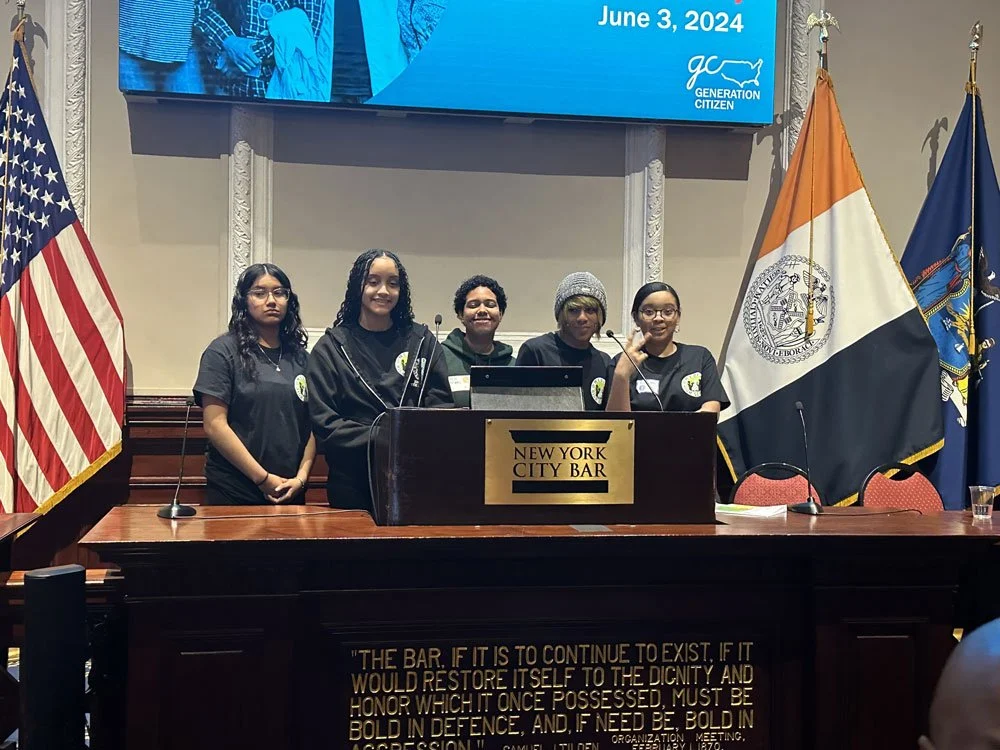
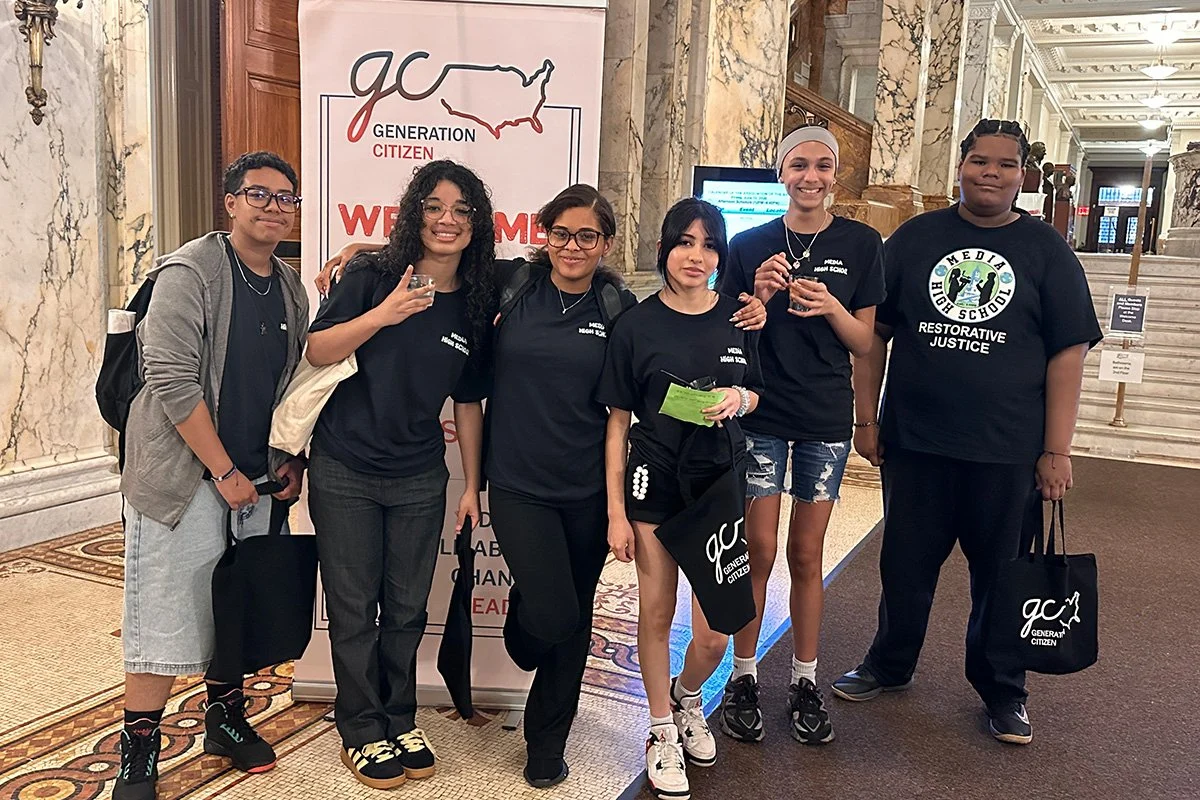
As the United States approaches its 250th anniversary, the discourse surrounding the health and longevity of American democracy has increasingly shifted toward the necessity of building robust civic infrastructure. Generation Citizen, a prominent nonpartisan organization dedicated to transforming civics education, has launched a comprehensive initiative titled RISE Vote 2026. This program aims to redefine the role of young people in the democratic process by moving beyond traditional classroom instruction and into active, tangible civic participation. By focusing on high school voter registration as a cornerstone of youth agency, the initiative seeks to ensure that the next quarter-millennium of American self-governance is characterized by a more inclusive and engaged electorate.
The RISE Vote 2026 initiative is a collaborative effort involving Generation Citizen, New Voters, and The Civics Center. The primary objective is to facilitate 200 student-led voter registration drives across 15 states, targeting a demographic that has historically faced significant barriers to entry in the political process. The acronym RISE—representing Registering, Informing, Supporting, and Empowering—serves as the strategic framework for the program. According to Faith Vieira, a key leader within the initiative, the goal extends far beyond the raw number of registration forms collected; it is about fundamentally altering how young people perceive their own power within their communities.
The Pillars of the RISE Framework
The architectural foundation of RISE Vote 2026 rests on four distinct yet interconnected pillars designed to bridge the gap between civic knowledge and civic action.
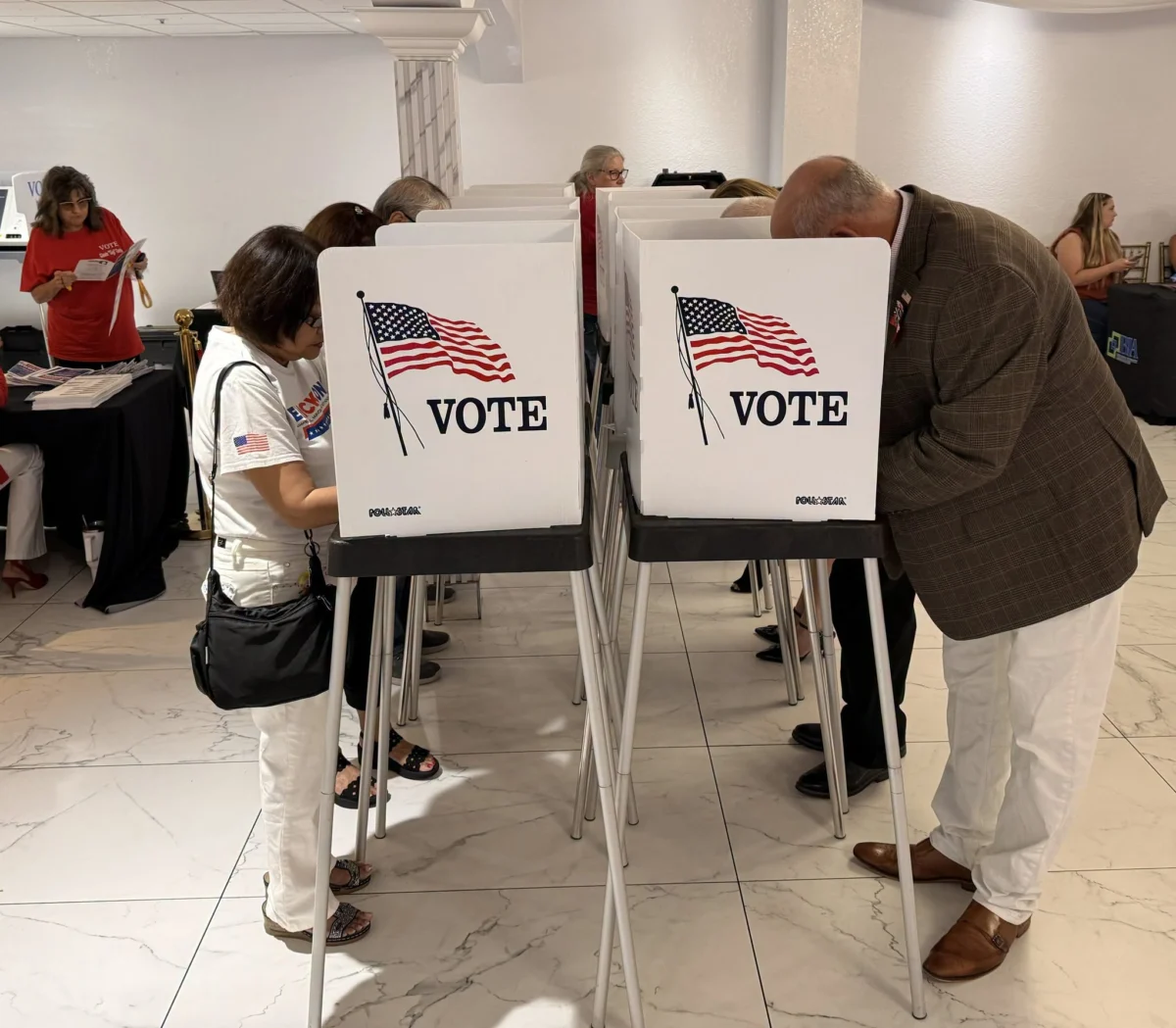
The first pillar, Registering, focuses on accessibility. In many jurisdictions, the process of registering to vote can be opaque or intimidating for first-time voters. By bringing registration opportunities directly into high schools—environments where students spend the majority of their time—the initiative removes logistical hurdles. This includes emphasizing "pre-registration" for 16- and 17-year-olds in states where such laws exist, allowing them to automatically become active voters upon their 18th birthday.
The second pillar, Informing, addresses the "why" behind the "how." It is not enough for a student to know how to fill out a form; they must understand the systemic impact of their participation. This involves providing nonpartisan information on how local and state government decisions directly affect student lives, from school funding to public safety and environmental policy.
The third pillar, Supporting, involves the provision of resources. Generation Citizen and its partners provide students with the toolkits, legal guidance, and organizational mentorship necessary to run successful registration drives. This support ensures that students are not merely participants in a program designed by adults but are the primary architects of the mobilization efforts in their own schools.
The fourth and perhaps most critical pillar is Empowering. This phase focuses on the psychological shift from being a passive subject of government to an active stakeholder. The initiative posits that when a student successfully organizes a drive or registers a peer, they internalize a sense of agency. This internal recognition—the realization that "I have a voice and a choice"—is viewed as the essential catalyst for lifelong civic engagement.
Historical Context and the Current Civic Landscape
The launch of RISE Vote 2026 comes at a pivotal moment in American history. Data from the Center for Information and Research on Civic Learning and Engagement (CIRCLE) at Tufts University indicates that while youth voter turnout has seen significant increases in recent election cycles—most notably in 2018 and 2020—there remains a substantial "registration gap." In many states, young people vote at high rates once they are registered, but the initial hurdle of registration remains a primary deterrent.
Historically, civic education in American high schools has focused on "rote civics"—the memorization of the three branches of government, the Bill of Rights, and the mechanics of the Electoral College. However, Generation Citizen argues that this model is insufficient for modern needs. The organization advocates for "action civics," where students learn by doing. This shift is compared to the difference between reading a manual on bicycle repair and actually riding a bike. By integrating voter registration into the high school experience, RISE Vote 2026 treats the democratic process as a practical skill that requires exercise and refinement.
The initiative also addresses a systemic irony often found in the treatment of the American youth. Young people are frequently asked to take responsibility for the future—to solve climate change, to drive economic innovation, and to maintain social cohesion—yet they are often denied the institutional power to influence the decisions that shape that future. Faith Vieira notes that this is akin to asking a teenager to babysit a younger sibling but denying them the authority to provide food or basic care. RISE Vote 2026 seeks to align youth responsibility with actual political power.
Chronology of the Initiative and Strategic Scaling
The rollout of RISE Vote 2026 follows a strategic timeline designed to maximize impact ahead of the 2026 midterm elections and the nation’s semiquincentennial.
- Phase I: Partnership Formation and Resource Development: Generation Citizen partnered with The Civics Center, which brings specialized expertise in the legalities of high school registration, and New Voters, a student-led organization that provides a peer-to-peer mentorship infrastructure. Together, they developed standardized but adaptable toolkits for student leaders.
- Phase II: State-Level Identification: The initiative identified 15 key states where high school registration efforts could have the most significant impact. These selections were based on a combination of existing pre-registration laws, historical youth turnout data, and the presence of local community partners.
- Phase III: Recruitment of Student Leaders: Rather than sending adult organizers into schools, the initiative focuses on identifying "student champions" within each school. These students undergo training to become experts in the registration laws of their specific states.
- Phase IV: Implementation of Registration Drives: Throughout the academic year, these student leaders execute drives, often tied to significant dates like National Voter Registration Day.
- Phase V: Data Analysis and Longitudinal Tracking: The initiative tracks the success of each drive not just by the number of registrations, but by the diversity of the students reached and the sustainability of the civic clubs formed within the schools.
Supporting Data and the Impact of Peer Leadership
Research consistently demonstrates that peer-to-peer outreach is the most effective method for mobilizing young voters. A study by the Harvard Kennedy School’s Institute of Politics found that young people are significantly more likely to engage in political activity when encouraged by a friend or classmate rather than an authority figure or an anonymous campaign advertisement.
The RISE Vote 2026 initiative leverages this "trust economy." When a student sees a peer behind a registration table, the perceived barrier to entry drops. The conversation shifts from a formal bureaucratic requirement to a shared social experience. Furthermore, the initiative’s commitment to rigorous nonpartisanship is a data-driven strategy. Internal findings from Generation Citizen suggest that today’s youth are highly sensitive to perceived manipulation. When registration efforts are seen as a tool for a specific political party, trust diminishes. By maintaining a strictly nonpartisan stance, RISE Vote 2026 ensures that the focus remains on the individual’s power and the health of the democratic system as a whole.
The impact of high school registration is also supported by legislative data. In states that have implemented robust pre-registration and high school outreach programs, such as Florida and California, youth registration rates have historically outpaced states without such infrastructure. By scaling these successes to 15 states, RISE Vote 2026 aims to create a blueprint that can eventually be adopted nationwide.
Broader Implications for American Democracy
The implications of the RISE Vote 2026 initiative extend beyond the immediate goal of increasing voter rolls. At its core, the program is an investment in the long-term stability of the United States. A democracy that fails to integrate its newest members into its decision-making processes risks stagnation and a loss of legitimacy.
By framing youth voice as "essential civic infrastructure," Generation Citizen is arguing that the health of a nation is dependent on the systems that allow for the continuous renewal of the electorate. This infrastructure is just as vital as roads, bridges, or the electrical grid; it is the system that carries the "current" of public will to the centers of power.
The transition of a young person from a passive observer to an active participant has been described as a "moment of realization." This shift—from believing that decisions are something made by "adults" to understanding that they are something one can participate in—is the primary metric of success for the RISE team. As the United States moves toward its 250th year, the work of organizations like Generation Citizen suggests that the future of the American experiment depends not just on honoring the past, but on empowering the next generation to take their place in the present.
The 200 registration drives planned under RISE Vote 2026 represent more than just 200 events; they represent 200 localized hubs of democratic renewal. Through the pillars of registering, informing, supporting, and empowering, the initiative is laying the groundwork for a future where civic participation is not an occasional duty, but a foundational element of what it means to be a member of a community. In doing so, it provides a hopeful vision for a democracy that is truly of, by, and for all the people, regardless of age.