Nila Kartika Wati
The health of a democratic society is often measured by the vibrancy of its civic infrastructure, a term that encompasses the systems, education, and cultural norms that allow citizens to participate in their own governance. As the United States approaches its 250th anniversary, organizations like Generation Citizen are sounding a clarion call to reimagine this infrastructure by centering the voices of the nation’s youth. Through initiatives such as RISE Vote—an acronym standing for Register, Inform, Support, and Empower—young advocates are moving beyond the sidelines of political discourse to become active architects of their communities’ futures. By bridging the gap between classroom learning and real-world advocacy, these programs seek to transform civics from a static subject of historical memorization into a dynamic practice of social change.
The RISE Vote Framework: A New Pedagogy for Civic Life
At the heart of the current movement to revitalize democracy is the recognition that youth engagement must be more than symbolic. The RISE Vote initiative, integrated into the broader curriculum of Generation Citizen, provides a structured pathway for students to navigate the complexities of the American political system. For many students, the introduction to this framework occurs within the traditional classroom setting, yet the impact is designed to resonate far beyond school walls.
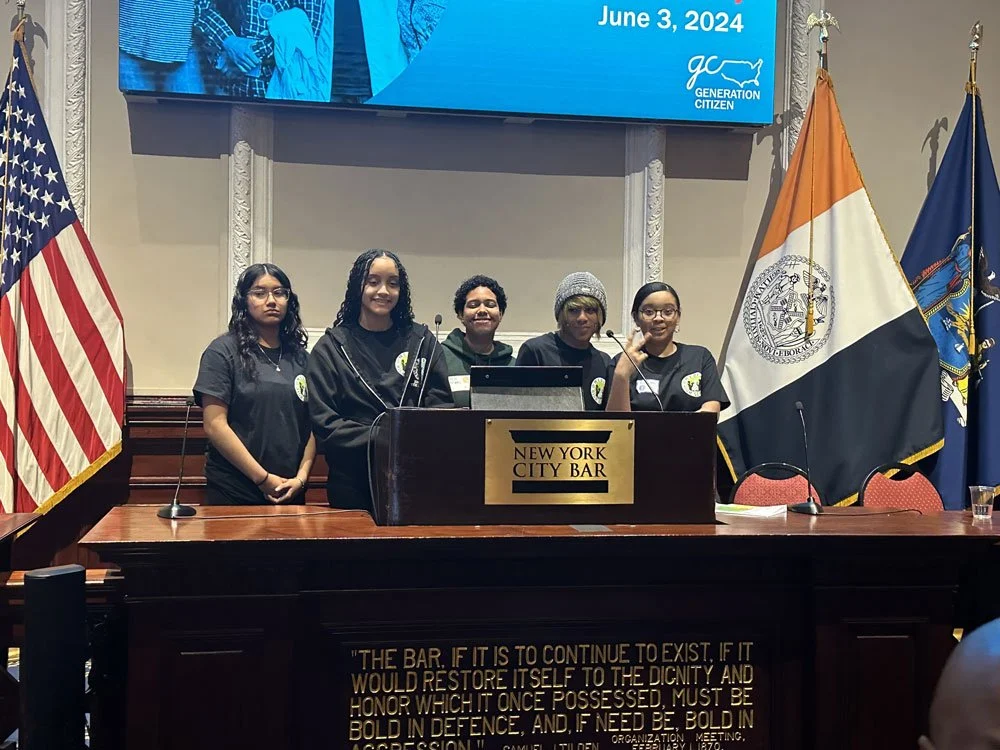
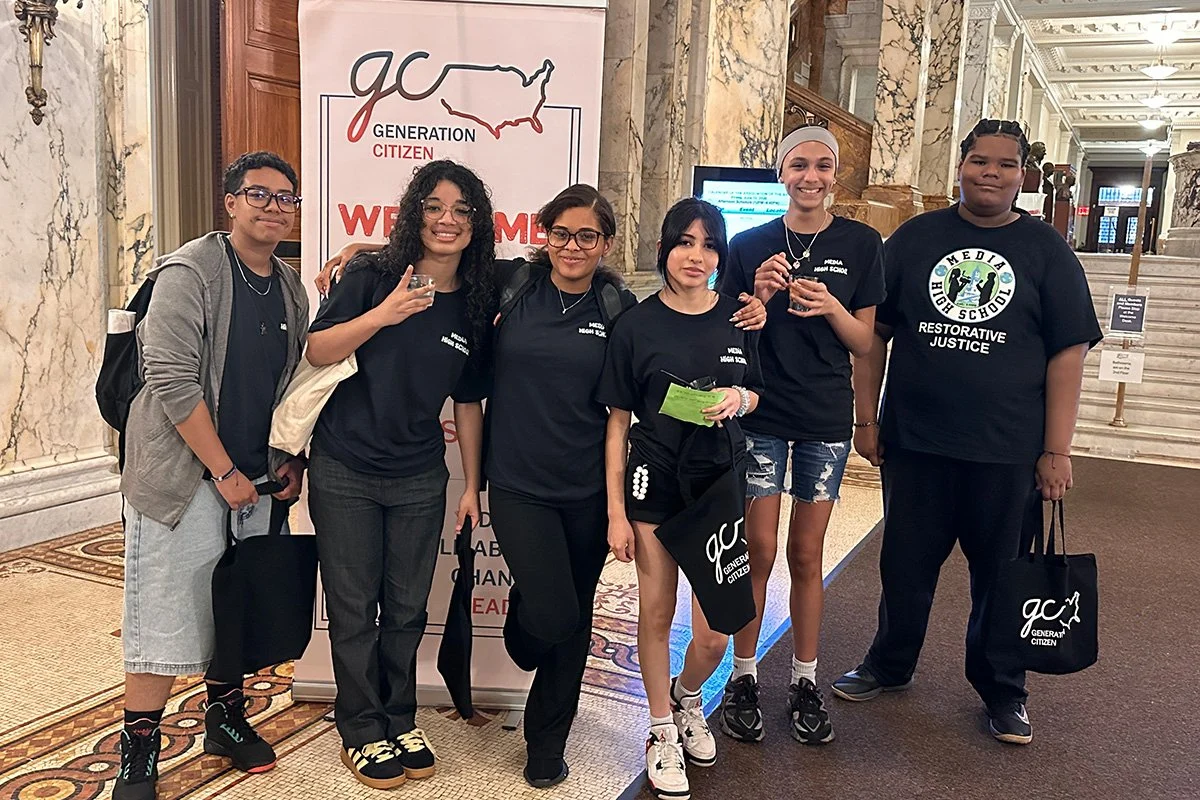
Mia Lopez and Milo Vazquez, two high school students involved with the program, highlight a common epiphany among participants: the realization that local governance—often overlooked in favor of national headlines—dictates the immediate quality of their lives. Lopez notes that her involvement was sparked by the understanding that decisions regarding school funding, community safety, and local infrastructure are not abstract concepts but tangible realities influenced by civic participation. For Vazquez, the draw was the creation of a dedicated space where young people could speak and, perhaps more importantly, be heard by their peers and elders alike.
This "Action Civics" model departs from traditional rote learning. Instead of merely studying the three branches of government, students are encouraged to identify local issues, research the root causes, and engage directly with policymakers. This shift from passive observation to active participation is essential for building a "civic identity," a psychological state where a young person views themselves as a stakeholder in the democratic process.
Historical Context and the Evolution of Youth Suffrage
To understand the urgency of programs like RISE Vote, one must examine the historical trajectory of youth civic participation in the United States. The most significant milestone in this history was the ratification of the 26th Amendment in 1971, which lowered the voting age from 21 to 18. This change was largely driven by the "old enough to fight, old enough to vote" sentiment during the Vietnam War era. However, in the decades following this expansion of the franchise, youth voter turnout saw a steady decline, leading many political analysts to label the youngest demographic as "apathetic."
Data from the Center for Information & Research on Civic Learning and Engagement (CIRCLE) at Tufts University suggests that this narrative of apathy is a misconception. Rather than a lack of interest, young people often face structural barriers and a "civic knowledge gap." In the late 20th and early 21st centuries, civics education was frequently marginalized in favor of standardized testing in math and literacy. Consequently, many young adults entered the electorate without a clear understanding of how to register or how local government functions.
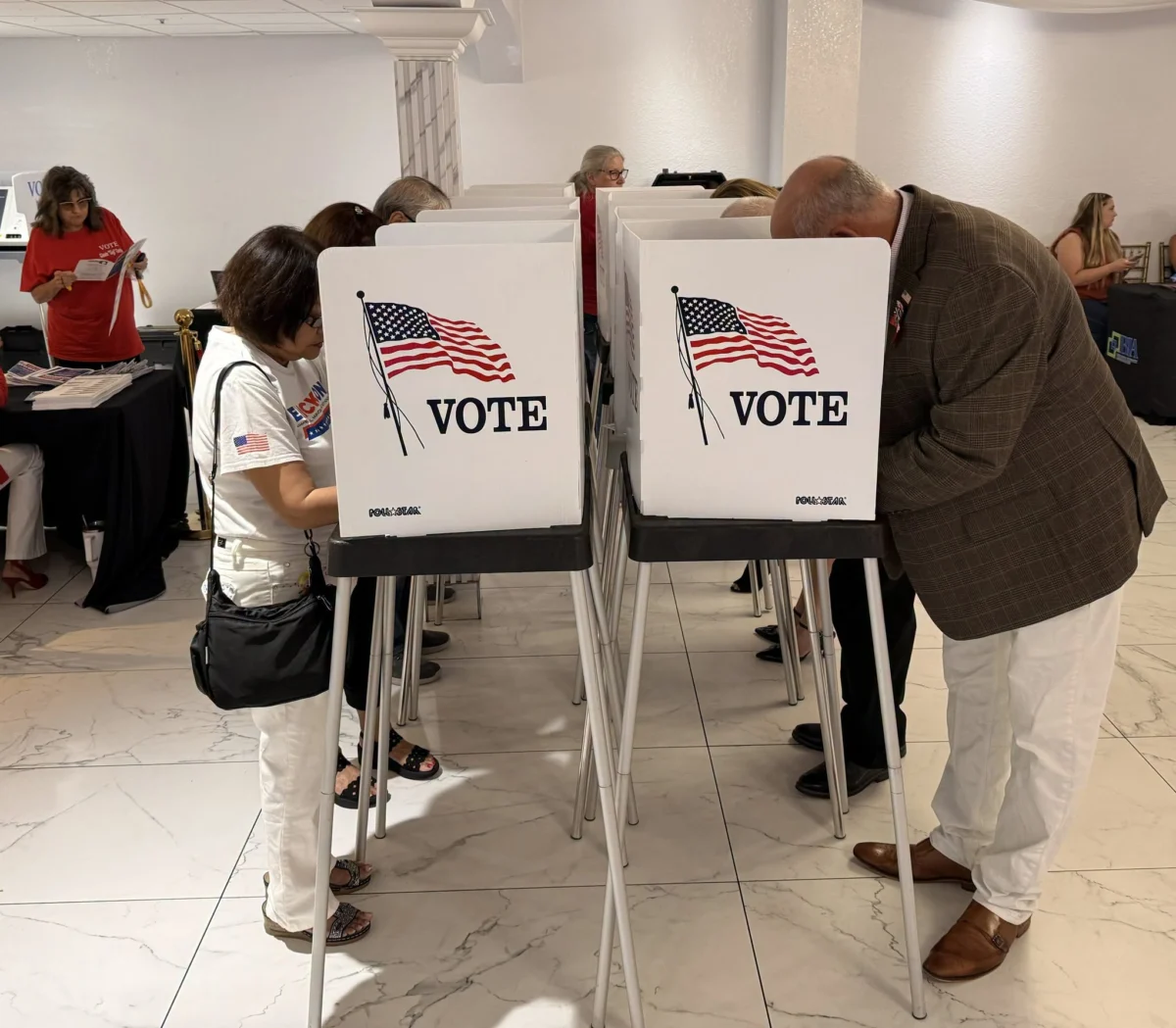
The tide began to turn in the 2018 and 2020 election cycles, which saw some of the highest youth turnout rates in decades. According to CIRCLE, approximately 50 percent of eligible young people (ages 18–29) voted in the 2020 presidential election, a significant increase from the 39 percent seen in 2016. This surge has been attributed to increased grassroots organizing and a growing awareness of the intersection between policy and issues such as climate change, racial justice, and economic inequality.
Breaking Down the Barriers: Data and Student Perspectives
Despite the upward trend in turnout, significant challenges remain. Many high school students express a sense of futility, believing that their single vote or voice cannot influence a system dominated by older generations and entrenched interests. This sentiment is often exacerbated by the fact that many students are active in civic life well before they reach the legal voting age of 18.
Mia Lopez addresses this directly, arguing that youth power extends far beyond the ballot box. "Young people can organize voter registration drives, talk to friends and family about candidates, and bring attention to issues that older adults might overlook," Lopez stated. This concept of "youth as influencers" suggests that even non-voting teenagers can shift the political landscape by educating the voters in their immediate circles and building momentum for specific causes.
The data supports this "multiplier effect." Research indicates that when young people are civically engaged, they are more likely to encourage their parents and community members to vote. Furthermore, students who participate in high-quality civics education are more likely to become lifelong voters. However, the availability of such education is uneven. A 2021 report from the American Academy of Arts & Sciences noted that federal investment in civics education is roughly $0.05 per student, compared to $50 per student for STEM (Science, Technology, Engineering, and Math). This disparity highlights a significant underfunding of the very tools required to sustain a democratic republic.
The Role of Educational Institutions and Communities
For youth participation to be meaningful, it must be supported by a robust ecosystem of educators and community leaders. Both Lopez and Vazquez emphasize that schools should be "brave spaces" where current events can be discussed without the fear of partisan backlash. They advocate for a curriculum that includes practical, step-by-step instructions on how to register to vote, how to evaluate candidate platforms, and how to navigate local government meetings.
"I hope schools teach students how to vote correctly and locally, teaching them different terms or words that some might not understand," Vazquez noted. This focus on "civic literacy" is crucial. Many young voters report being intimidated by the technical language of ballot initiatives or the complexity of local judicial elections. By demystifying these processes, schools can lower the barrier to entry for first-time voters.
Furthermore, there is a growing call for communities to host youth-led forums. These events allow students to ask direct questions of lawmakers, ensuring that the concerns of the next generation are integrated into the legislative agenda. When students see their advocacy lead to tangible changes—such as improvements in school safety or the renovation of a local park—their sense of civic efficacy is reinforced.
Broader Implications: Democracy’s Next 250 Years
As the United States looks toward its semiquincentennial in 2026, the focus on youth engagement is more than just a matter of political turnout; it is a matter of national resilience. The current political climate is characterized by high levels of polarization and a declining trust in democratic institutions. Cultivating a new generation of "civic-minded" individuals who value dialogue, understand the mechanics of government, and feel empowered to drive change is seen by many experts as the primary antidote to democratic backsliding.
The RISE Vote initiative and the work of Generation Citizen represent a shift toward a more inclusive definition of democracy. By recognizing youth voice as "essential civic infrastructure," these programs argue that the perspectives of those who will live with the long-term consequences of today’s decisions must be prioritized.
The analysis of current trends suggests that the "youth vote" is no longer a monolithic or predictable bloc. Young people are increasingly focused on specific issues rather than party loyalty, and they are utilizing digital tools to organize at speeds previously unseen. However, the transition from digital activism to sustained civic participation requires the foundational skills taught in programs like RISE Vote.
Conclusion: The Power of the Individual Voice
The journey from a high school classroom to a polling place or a city council chamber is often fraught with uncertainty. For students like Lopez and Vazquez, the antidote to this uncertainty is education and collective action. The "honest truth," as Vazquez puts it, is that every voice matters because the current generation is the one that will inherit the results of every election.
The success of the RISE Vote initiative provides a blueprint for how the United States might address its civic deficit. By treating young people as capable, informed, and necessary participants in democracy, the nation can ensure that its next 250 years are defined by a more representative and engaged citizenry. The message from the youth is clear: they are not just the leaders of tomorrow; they are active participants in the governance of today, and they are prepared to step up where previous generations may have faltered. Through registration, information, support, and empowerment, the next generation is not just asking for a seat at the table—they are building a new table altogether.