admin
For small business owners, the rhythm of daily operations rarely runs on a 24/7 cycle, and like many enterprises across the nation, closures on federal legal holidays such as Thanksgiving or Christmas are common practice. The integration of federal holidays into the private sector’s operational calendar, while largely discretionary, carries significant implications for human resources, payroll, and overall business strategy. Data from the Bureau of Labor Statistics indicates that the average full-time employee in the United States typically receives approximately 7.6 paid holidays annually, underscoring the competitive landscape for employee benefits and the importance for employers to understand the framework of these federally recognized days.
Defining Federal Legal Holidays and Their Reach
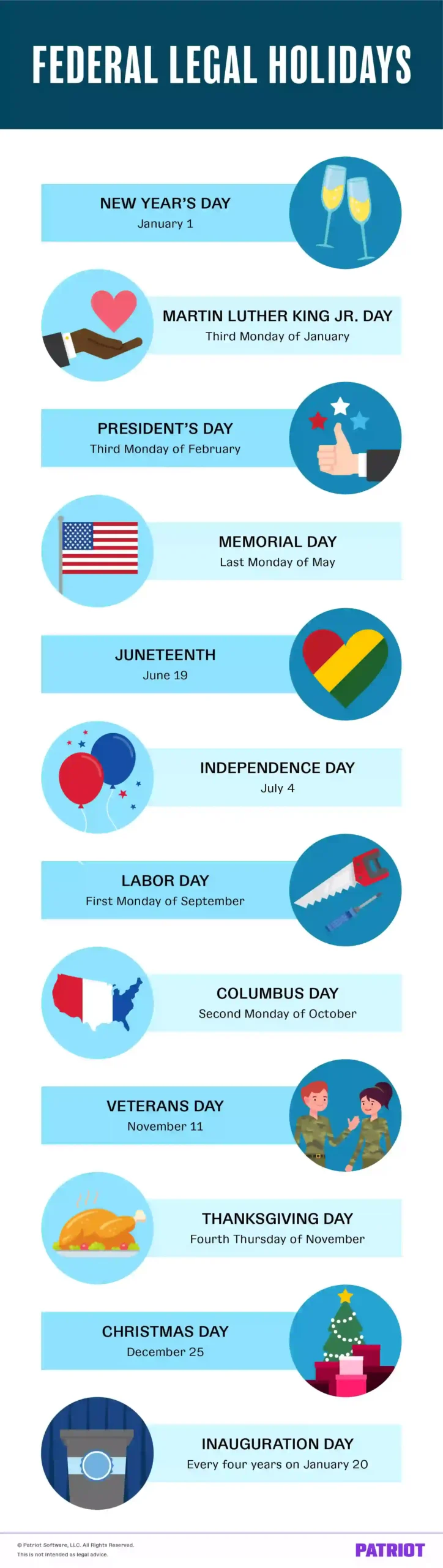
Federal legal holidays are officially designated days off for employees of the U.S. federal government. However, their influence extends far beyond federal agencies, with many private sector employers voluntarily adopting this schedule to align with national observances and provide competitive employee benefits. It is crucial to distinguish that while the federal government declares these days for its own workforce, it does not mandate that private businesses or even state and local governments follow suit. Each state and local jurisdiction retains the autonomy to establish its own holiday schedule, which may include additional days or variations on federal observances. Currently, the U.S. federal government recognizes 12 legal holidays: 11 occurring annually and one on a quadrennial basis.
The observance of these holidays by the private sector is a strategic business decision. While not legally compelled to provide paid time off for federal holidays, doing so can significantly enhance an employer’s appeal in a competitive job market. Offering paid holidays or premium pay for work performed on these days can be a powerful tool for attracting and retaining talent, boosting employee morale, and fostering a positive workplace culture. This strategic decision forms a critical component of a business’s human resources processes and overall compensation philosophy.
Navigating Holiday Observance: Weekends and Banking Implications
The calendar placement of federal holidays can introduce specific logistical considerations for businesses. When a federal holiday falls on a Saturday, it is typically observed on the preceding Friday. Conversely, if a holiday falls on a Sunday, it is observed on the subsequent Monday. This "observed day" rule is particularly relevant for federal operations and for businesses that align their schedules with federal agencies.
A critical point for all businesses, regardless of their holiday observance policy, pertains to banking and financial transactions. While federal employees may be off, and many businesses closed, Federal Reserve banks operate on a specific schedule that can impact payment processing. Notably, Federal Reserve banks are open and Automated Clearing House (ACH) transactions, which include direct deposits for payroll, still process if the holiday is observed on a Friday or Monday (when the actual holiday fell on a weekend). However, if the actual holiday falls on a weekday and the Federal Reserve banks and branches are closed, ACH processing will also be impacted. This requires diligent planning for payroll departments to ensure employees receive their wages on time and that other financial obligations are met without disruption. Businesses must be acutely aware of these banking nuances to avoid cash flow issues or late payments.
A Chronology of Federal Legal Holidays: History, Significance, and Impact
The 12 federal legal holidays each carry unique historical and cultural significance, shaping national identity and providing moments for reflection, celebration, or remembrance. Understanding the context of each can inform a business’s decision-making regarding its observance.
- New Year’s Day (January 1): The first federal holiday of the calendar year, New Year’s Day, marks the start of a new Gregorian calendar year. Celebrated globally, it is a day for new beginnings and reflection on the past. For businesses, it often represents a complete shutdown, allowing employees to participate in family gatherings and festivities. While New Year’s Eve (December 31) is widely celebrated, it is not a federal legal holiday, leaving its observance to individual employer discretion.
- Martin Luther King, Jr. Day (Third Monday in January): This holiday honors the life and legacy of civil rights leader Dr. Martin Luther King, Jr. Established as a federal holiday in 1983 and first observed in 1986, its recognition was the culmination of a long struggle for national acknowledgment of King’s contributions to equality and justice. Often observed as a day of service, it encourages community engagement and reflection on civil rights principles.
- Presidents’ Day (Third Monday in February): Officially known as Washington’s Birthday, this holiday commemorates the birth of the first U.S. President, George Washington. Over time, it has evolved to generally honor all U.S. presidents. Its placement in February often makes it a popular day for retail sales events, particularly for durable goods and automotive industries, as consumers take advantage of the long weekend.
- Memorial Day (Last Monday in May): A solemn day of remembrance, Memorial Day honors military personnel who died while serving in the United States Armed Forces. Originating in the post-Civil War era, it became a federal holiday in 1971. It traditionally marks the unofficial start of the summer season, often accompanied by travel and outdoor activities, which can boost sales for tourism, hospitality, and recreational businesses.
- Juneteenth National Independence Day (June 19): Declared a federal legal holiday in June 2021, Juneteenth commemorates the emancipation of enslaved African Americans. It marks the day in 1865 when Union General Gordon Granger arrived in Galveston, Texas, and announced the end of slavery, more than two years after the Emancipation Proclamation was issued. Its recent designation highlights a growing national commitment to acknowledging and celebrating pivotal moments in American history, prompting many businesses to incorporate it into their paid holiday schedules.
- Independence Day (July 4): Commonly known as the Fourth of July, this holiday celebrates the adoption of the Declaration of Independence in 1776, signaling the birth of the United States. It is a day of widespread national celebration, characterized by fireworks, parades, and patriotic gatherings. Retailers, food service, and entertainment venues often experience significant customer traffic, while many other businesses close.
- Labor Day (First Monday in September): Labor Day pays tribute to the American labor movement and the contributions of workers to the development and achievements of the United States. First celebrated in the late 19th century and made a federal holiday in 1894, it traditionally marks the unofficial end of summer. Like Presidents’ Day and Memorial Day, it often fuels consumer spending on back-to-school items and end-of-summer sales.
- Columbus Day (Second Monday in October): This holiday commemorates the anniversary of Christopher Columbus’s arrival in the Americas in 1492. Its observance has become increasingly controversial, with many jurisdictions opting to celebrate Indigenous Peoples’ Day instead, recognizing the history and contributions of Native American communities. Businesses must consider local sentiment and employee diversity when determining their stance on observing this particular holiday.
- Veterans Day (November 11): Veterans Day honors all military veterans who have served in the United States Armed Forces. Originally known as Armistice Day, commemorating the end of World War I, it was renamed in 1954 to recognize veterans of all American wars. Unlike Memorial Day, which focuses on fallen service members, Veterans Day celebrates the service of all U.S. military veterans, living or deceased.
- Thanksgiving Day (Fourth Thursday in November): Originating as a harvest festival, Thanksgiving Day has evolved into a national holiday centered on gratitude and family gatherings. It is famously linked to the Pilgrims’ harvest feast in 1621. This holiday kicks off the busiest retail season of the year, with Black Friday sales immediately following, making it a critical period for many consumer-facing businesses.
- Christmas Day (December 25): Christmas Day is a widely celebrated religious and cultural holiday marking the birth of Jesus Christ. It is a time for gift-giving, family reunions, and festive traditions. For many businesses, Christmas Day, along with Christmas Eve (December 24), represents the peak of holiday closures, impacting supply chains and consumer services as the nation pauses for celebration.
The Quadrennial Federal Holiday: Inauguration Day
Beyond the annual observances, the U.S. also recognizes one quadrennial federal legal holiday:
- Inauguration Day (January 20, every four years): This holiday marks the formal swearing-in of a new U.S. President and Vice President. If an incumbent President is reelected, Inauguration Day celebrates the commencement of their second term. Its observance is primarily for federal employees in the Washington D.C. metropolitan area, reflecting the direct impact on government operations during this ceremonial event. Its broader business impact is generally limited unless a private entity has significant operations or contracts tied directly to federal government functions in the capital region.
The Private Sector’s Discretion: Crafting a Competitive Holiday Policy

For private employers, the decision to observe federal holidays and offer paid time off (PTO) is a strategic one, not a legal mandate. The Fair Labor Standards Act (FLSA) does not require employers to provide paid holidays. However, the benefits of doing so often outweigh the costs, particularly in today’s competitive labor market.
Benefits of Offering Paid Holidays:
- Talent Attraction and Retention: A robust benefits package, including paid holidays, is a significant draw for prospective employees and a key factor in retaining existing talent.
- Employee Morale and Productivity: Time off for national observances allows employees to rest, spend time with family, and return to work refreshed, potentially increasing productivity and reducing burnout.
- Competitive Advantage: Offering a similar or better holiday schedule than competitors can position a business as an employer of choice.
- Positive Company Culture: Acknowledging national holidays fosters a sense of community and demonstrates an employer’s commitment to employee well-being.
Paid Time Off vs. Premium Holiday Pay:
Businesses can choose to offer either paid time off or premium pay for employees who work on a holiday.
- Paid Time Off: This is the most common approach, allowing employees to take the day off without a reduction in pay.
- Premium Holiday Pay: For businesses that must remain operational on holidays (e.g., healthcare, essential services, retail), offering premium pay (e.g., time-and-a-half or double-time) serves as an incentive for employees to work and recognizes the sacrifice of foregoing a holiday. Federal law generally does not require premium pay for holiday work unless it results in overtime (over 40 hours in a workweek), but many employers offer it as a best practice.
Your Employee Handbook: The Cornerstone of Holiday Policy
A clear and comprehensive employee handbook is indispensable for outlining a business’s holiday policy. This document should detail all aspects of holiday observance to avoid confusion, ensure fairness, and maintain legal compliance.
Key Elements to Include in Your Holiday Policy:
- List of Observed Holidays: Clearly enumerate all federal and any additional state/local holidays your business observes.
- Eligibility Requirements: Define who is eligible for paid holidays (e.g., full-time vs. part-time employees, minimum length of service, requirement to work the day before and after the holiday).
- Policy for Holidays Falling on Weekends: Specify how "observed" holidays are handled (e.g., if a holiday falls on a Saturday, is Friday observed? If on Sunday, is Monday observed?).
- Policy for Employees Working on Holidays: Detail whether premium pay (e.g., time-and-a-half, double-time) or compensatory time off is offered for employees required to work on an observed holiday.
- Procedure for Requesting Time Off: Outline the process for employees wishing to take additional time off around holidays.
- Impact on Accrued PTO/Vacation: Clarify how paid holidays interact with an employee’s regular PTO or vacation accrual.
- State and Local Specifics: If operating in multiple jurisdictions, address any variations in holiday observance.
Regular review and updates to the employee handbook are essential, especially with the introduction of new federal holidays like Juneteenth, or changes in state-level observances. Clear communication ensures employees understand their benefits and expectations, fostering transparency and trust.
Economic and Societal Implications of Federal Holidays
Federal holidays are more than just days off; they are deeply woven into the economic and social fabric of the nation. Major holidays like Thanksgiving and Christmas drive significant consumer spending in retail, hospitality, and travel sectors. These periods can account for a substantial portion of annual revenue for many businesses, necessitating careful planning for inventory, staffing, and marketing. Conversely, widespread closures can temporarily depress overall economic activity, particularly in sectors not directly tied to holiday consumption. The balance between allowing employees rest and maintaining economic momentum is a constant consideration for policymakers and business leaders alike.
Moreover, the evolving nature of federal holidays reflects societal shifts and a growing recognition of diverse historical narratives. The establishment of Martin Luther King, Jr. Day and Juneteenth as federal holidays represents significant milestones in the nation’s journey toward greater inclusivity and historical understanding. These changes can prompt businesses to re-evaluate their own internal policies and foster more inclusive workplace environments.
Conclusion
For business owners and employers, a thorough understanding of federal legal holidays is paramount. While the federal government’s holiday schedule primarily applies to its own employees, it serves as a powerful benchmark for private sector practices. Strategic decisions regarding holiday observance, paid time off, and premium pay are not merely operational; they are critical components of an effective human resources strategy, influencing talent acquisition, employee satisfaction, and a company’s competitive standing. By thoughtfully integrating national observances into their business models and clearly articulating these policies, employers can navigate the complexities of federal holidays, ensuring both compliance and a thriving workplace culture.