Layla Zulfa
The National Association of Mortgage Brokers (NAMB) is launching a significant advocacy campaign, urging mortgage professionals nationwide to contact their elected senators and voice strong opposition to proposed increases in fees associated with Department of Veterans Affairs (VA) home loans. NAMB contends that these proposed changes, currently under consideration in the Senate, would unfairly burden veterans by shifting the cost of new benefits onto those who have already served their country.
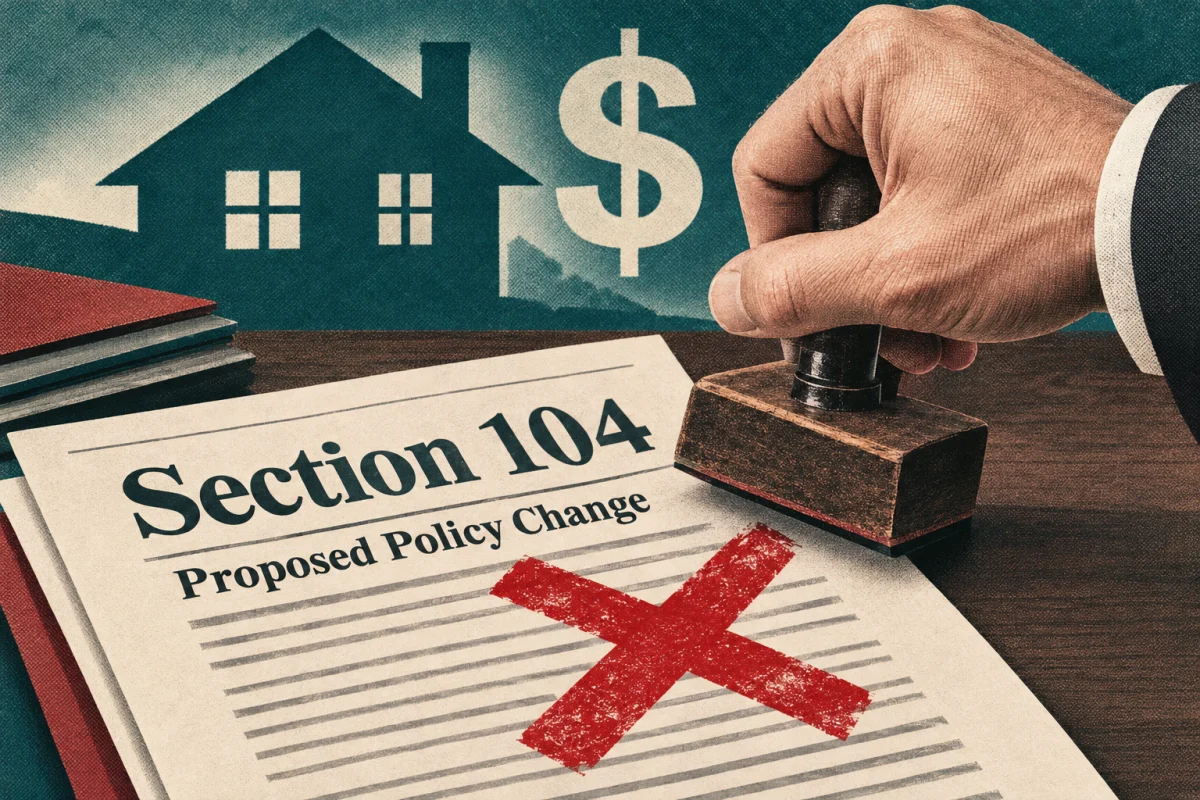
The core of NAMB’s concern lies within Section 104 of the Senate’s version of the "Take Care of America’s Veterans Act" (S. 4744), which is currently eligible for debate and a vote. This bill, having previously passed the House of Representatives by voice vote on Veterans Day, aims to provide additional benefits to combat-injured veterans. While NAMB broadly supports the legislative intent to enhance support for wounded veterans, it vehemently opposes the mechanism proposed for funding these new benefits.
A Stark Financial Impact on Veterans
According to NAMB’s analysis, the proposed fee hikes would significantly increase the financial obligations for veterans utilizing VA home loans. The funding fee for Interest Rate Reduction Refinance Loans (IRRRLs), a crucial tool for many veterans seeking to lower their mortgage payments, would see a substantial jump from the current 0.5% to a proposed 1.42%. This represents an increase of over 180%. Furthermore, the VA loan assumption fee, which allows for the transfer of an existing VA loan to a new buyer, would double from 0.5% to 1%.
"Our biggest issue is the fact that our veterans serving our country took an oath to serve and defend. They didn’t take or raise their hand to receive a bill to pay for benefits for their fallen or disabled brothers and sisters," stated Michael Farrell, NAMB President, in an exclusive interview with HousingWire. "That is not the obligation of the soldier. That’s the obligation of the taxpayer and the disbursement of those tax dollars on the appropriations."
The financial ramifications for individual veterans are considerable. Farrell elaborated on the concrete impact, stating, "For the veteran doing the IRRRL and raising that 1.42% from 0.5% on a $400,000 average loan is taking [the fee] from $2,000 to $5,680. And the concept of, ‘Well, it doesn’t affect their recoupment’ in regards to justifying doing the loan… it does affect and impact the cost of doing the loan."
NAMB estimates that these proposed changes would collectively add approximately $4 billion in costs for veteran borrowers nationwide, averaging out to an additional $3,780 per veteran. The association also raises a critical concern that the significantly higher IRRRL fee could potentially conflict with the VA’s established 36-month recoupment requirement. This requirement, designed to ensure that refinancing benefits are realized within a reasonable timeframe, could inadvertently render some veterans ineligible for the very program intended to improve their financial standing.
Concerns Over Home Affordability and Program Accessibility
The timing of these proposed fee increases is particularly sensitive given the current landscape of home affordability. Farrell highlighted this crucial aspect, remarking, "It seems like there’s other solutions that can be looked into to raise the funding to support the benefit. But to alienate it just to one aspect of the IRRRL, when home affordability is a huge concern and veterans are looking to step down their rate or step down their payment to better their family living expenses, now we’ve tripled the cost of getting that done."
The IRRRL program is a cornerstone of the VA home loan benefit, enabling veterans to refinance their existing VA-backed mortgages to secure lower interest rates and monthly payments. This can be a vital tool for veterans looking to manage their household budgets, especially in an economic climate where rising costs and interest rates present significant challenges. By tripling the cost of accessing this refinancing option, the proposed legislation risks undermining its accessibility and effectiveness for the very veterans it aims to serve.
A Call for Alternative Funding Solutions
NAMB’s opposition to Section 104 is not a rejection of the principle of supporting combat-injured veterans. Instead, the association is actively advocating for alternative and more equitable funding mechanisms. They are throwing their full support behind the passage of the Major Richard Star Act (H.R. 2102/S. 1032). This bipartisan legislation, championed by Representative Gus Bilirakis (R-Fla.) in the House and Senator Richard Blumenthal (D-Conn.) in the Senate, addresses a critical disparity faced by approximately 54,000 combat-injured military retirees.
The Major Richard Star Act seeks to allow these retirees to receive both their full retirement pay and their VA disability compensation concurrently, without reduction. Currently, these individuals face a reduction in one or the other, leading to a financial shortfall. The House of Representatives demonstrated strong support for this standalone measure on Veterans Day, voting to discharge a resolution to consider it separately, and subsequently passing the act on November 12th.
"We are supportive of every veteran receiving their benefit," Farrell reiterated. "And if this is going to help 54,000 combat injured military retirees receive both their retirement pay and their disability pay, we stand to support the standalone Major Star Act. We do agree with that, but [regarding] Section 104, we have huge concerns on the feasibility of putting this bill on the backs of fellow veterans."
Background and Legislative Context
The legislative journey of the "Take Care of America’s Veterans Act" began in the House of Representatives, where a similar bill, H.R. 9237, passed by voice vote on Veterans Day. This bipartisan consensus in the House underscored the shared desire to enhance benefits for veterans. However, the Senate’s subsequent drafting and inclusion of Section 104 have introduced a contentious element that is now the focal point of NAMB’s advocacy efforts.
The VA home loan program itself has a long and distinguished history, established in 1944 through the G.I. Bill of Rights. Its primary purpose has been to provide American veterans with access to homeownership, recognizing their service and sacrifice. The program offers a range of benefits, including no down payment requirements for most borrowers, competitive interest rates, and limited closing costs. The funding fee, a one-time charge paid at closing, is designed to help offset the costs of the program to taxpayers. However, the proposed significant increase and permanent imposition of these fees raise questions about the program’s long-term affordability and accessibility for veterans.
Potential Implications and Broader Impact
The implications of approving Section 104 extend beyond the immediate financial burden on individual veterans. A substantial increase in VA loan fees could have a chilling effect on the utilization of the VA home loan program. If refinancing becomes prohibitively expensive, veterans may be less likely to take advantage of opportunities to improve their financial situations, potentially impacting their ability to build equity or achieve long-term financial stability.
Furthermore, the perception that new veteran benefits are being funded by existing veteran borrowers could erode trust and create division within the veteran community. NAMB’s argument that the obligation for funding such benefits rests with the broader taxpayer base, through appropriated funds, reflects a principled stance on the equitable distribution of societal responsibility for supporting veterans.
The advocacy campaign launched by NAMB signifies a critical juncture in the ongoing efforts to support veterans. By urging direct engagement with senators, NAMB aims to empower mortgage professionals and their clients to make their voices heard. The outcome of the Senate’s consideration of S. 4744 will have a direct and lasting impact on the financial well-being of countless veterans and the future accessibility of the VA home loan program. The debate highlights a fundamental question: how can the nation best honor its commitment to veterans, ensuring that the costs of providing for those in need are borne equitably across society.