Lana Rhoades

The fiscal landscape for e-commerce entities and brick-and-mortar retailers remains a complex web of varying state mandates, particularly as the final quarter of 2026 approaches. With the holiday shopping season traditionally driving a surge in consumer activity, the importance of adhering to state-specific sales tax filing deadlines cannot be overstated. For the month of November 2026, businesses operating across multiple jurisdictions must navigate a calendar punctuated by diverse due dates, ranging from mid-month requirements to end-of-month finalizations. Failure to comply with these statutory obligations often results in significant financial penalties, interest accrual, and increased audit risk, making a comprehensive understanding of the November filing window essential for corporate treasury and accounting departments.
The Evolution of Sales Tax Compliance in the Digital Age
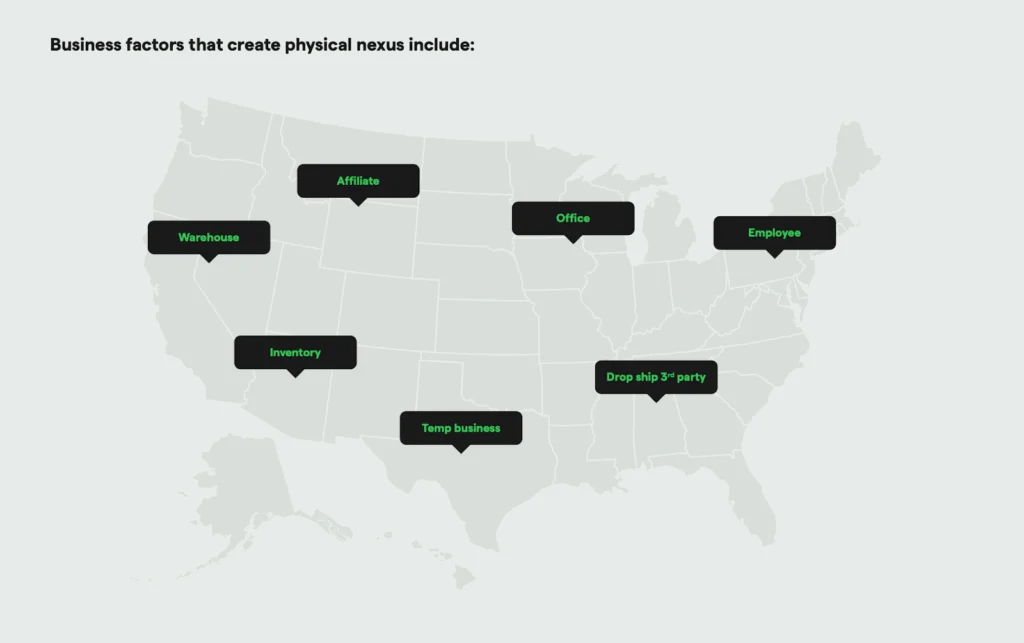
The current state of sales tax regulation is largely defined by the landmark 2018 Supreme Court decision in South Dakota v. Wayfair, Inc. This ruling fundamentally altered the concept of "nexus," or the connection a business must have with a state to be required to collect and remit sales tax. Prior to Wayfair, physical presence was the primary trigger for tax liability. Today, "economic nexus" laws exist in nearly every state with a general sales tax, meaning that reaching a specific threshold of sales or transactions within a state—even without a physical office or warehouse—necessitates compliance.
In the 2026 landscape, the presence of fulfillment centers, particularly those operated by major third-party logistics providers like Amazon, continues to create physical nexus for many sellers. This "Amazon Effect" is a critical factor for retailers to monitor, as inventory stored in a fulfillment center often triggers tax obligations in that specific state. As the November 2026 deadlines approach, businesses must cross-reference their sales data with their physical and economic footprints to ensure all liabilities are accounted for.
Detailed Breakdown of November 2026 Filing Deadlines
The month of November 2026 features a concentrated cluster of deadlines around the 20th of the month, though several states deviate from this norm. Below is the comprehensive schedule for monthly and, in some cases, quarterly and bimonthly filings across the United States and Puerto Rico.
Early to Mid-Month Requirements
The compliance cycle begins in earnest during the second week of the month. Maine serves as one of the earliest adopters for monthly filings in November.
- Maine: Monthly sales tax due on November 16, 2026.
- Florida (A): Monthly sales tax due on November 19, 2026. (The "A" symbol denotes states with known Amazon Fulfillment Centers, indicating a high likelihood of physical nexus for third-party sellers).
The November 20 Peak: A Critical Compliance Window
The 20th of the month represents the single most significant deadline for tax professionals. A plurality of states requires returns and payments to be finalized by this date. For businesses operating nationwide, this date often requires a massive mobilization of accounting resources.
- Alabama: Monthly sales tax due on November 20, 2026.
- Arkansas: Monthly sales tax due on November 20, 2026.
- Colorado: Monthly sales tax due on November 20, 2026.
- District of Columbia: Monthly sales tax due on November 20, 2026.
- Georgia (A): Monthly sales tax due on November 20, 2026.
- Hawaii: Monthly sales tax due on November 20, 2026.
- Idaho: Monthly sales tax due on November 20, 2026.
- Illinois (A): Monthly sales tax due on November 20, 2026.
- Indiana (A): Monthly sales tax due on November 20, 2026.
- Iowa: Monthly sales tax due and quarterly prepayments due on November 20, 2026.
- Kentucky (A): Monthly sales tax due on November 20, 2026.
- Louisiana: Monthly sales tax due on November 20, 2026.
- Maryland (A): Monthly sales tax due on November 20, 2026.
- Michigan (A): Monthly sales tax due on November 20, 2026.
- Minnesota (A): Monthly sales tax due on November 20, 2026.
- Mississippi: Monthly sales tax due on November 20, 2026.
- Missouri: Monthly sales tax due on November 20, 2026.
- Nebraska: Monthly sales tax due on November 20, 2026.
- Nevada (A): Monthly sales tax due on November 20, 2026.
- New Jersey (A): Monthly sales tax due and quarterly prepayments due on November 20, 2026.
- New York: Quarterly prepayments due on November 20, 2026. (New York’s complex system often requires these prepayments to align with their specific fiscal quarters).
- North Carolina: Monthly sales tax due on November 20, 2026.
- Oklahoma: Monthly sales tax due on November 20, 2026.
- Pennsylvania (A): Monthly sales tax due on November 20, 2026.
- Puerto Rico: Monthly sales tax due on November 20, 2026.
- Rhode Island: Monthly sales tax due on November 20, 2026.
- South Carolina (A): Monthly sales tax due on November 20, 2026.
- South Dakota: Monthly and bimonthly sales tax due on November 20, 2026.
- Tennessee (A): Monthly sales tax due on November 20, 2026.
- Texas (A): Monthly sales tax due on November 20, 2026.
- Virginia (A): Monthly sales tax due on November 20, 2026.
- West Virginia: Monthly sales tax due on November 20, 2026.
Late-Month and End-of-Month Deadlines
As the month draws to a close, a smaller group of states requires filings. These dates are often staggered to account for state-specific holidays or administrative processing times.
- Ohio (A): Monthly sales tax due on November 23, 2026.
- California (A): Quarterly prepayment due on November 24, 2026.
- Kansas (A): Monthly sales tax due on November 25, 2026.
- New Mexico: Monthly sales tax due on November 25, 2026.
- Vermont: Monthly sales tax due on November 25, 2026.
- Washington (A): Monthly sales tax due on November 25, 2026.
- Arizona (A): Monthly sales tax due on November 27, 2026.
- Alaska (A): Monthly sales tax due on November 30, 2026. (While Alaska has no state-level sales tax, several local jurisdictions require filings).
- California (A): Monthly sales tax due on November 30, 2026.
- Connecticut (A): Monthly sales tax due on November 30, 2026.
- Massachusetts (A): Monthly sales tax due on November 30, 2026.
- North Dakota: Monthly sales tax due on November 30, 2026.
- Utah: Monthly sales tax due on November 30, 2026.
- Wisconsin (A): Monthly sales tax due on November 30, 2026.
- Wyoming: Monthly sales tax due on November 30, 2026.
Analysis of Compliance Implications and Economic Impact
The logistical burden of managing over 40 different deadlines in a single month is a primary driver for the adoption of automated tax software. According to industry data, small to medium-sized enterprises (SMEs) spend an average of 40 to 60 hours per month on manual tax compliance activities when operating in multiple states. In a month like November, where the 20th serves as a "choke point" for 32 different jurisdictions, the risk of manual error increases exponentially.
The Financial Stakes of Non-Compliance
State Departments of Revenue have become increasingly sophisticated in their enforcement of sales tax laws. In recent years, states like California and Illinois have expanded their audit departments to focus specifically on e-commerce nexus. Penalties for late filing or underpayment can range from 5% to 25% of the tax due, plus interest that often exceeds market rates. For high-volume retailers, a single missed deadline can result in five- or six-figure liabilities.
Furthermore, many states offer "timely filing discounts," allowing businesses to keep a small percentage of the sales tax collected (usually 0.5% to 2%) as compensation for the administrative burden of collection. Missing a deadline not only incurs a penalty but also results in the forfeiture of these discounts, which can provide a significant boost to the bottom line for thin-margin retailers.
Inferred Official Responses and Regulatory Trends
While state tax officials rarely issue public commentary on specific monthly deadlines, their collective actions indicate a move toward "real-time" or accelerated reporting. States like Massachusetts have previously implemented rules for large taxpayers to remit sales tax within days of the transaction. The November 2026 calendar reflects a continuation of the standardized monthly model, but experts suggest that by the late 2020s, more states may move toward the prepayment models currently seen in California and New York.
The presence of Amazon Fulfillment Centers—highlighted by the (A) symbol in the schedule—remains a point of contention and focus for state regulators. These facilities represent "physical nexus," and states are aggressive in identifying businesses that use these centers but fail to register for a sales tax permit.
Strategies for Managing the November 2026 Peak
To mitigate the risks associated with the November deadlines, tax experts recommend several best practices:
- Nexus Review: Before the November window opens, businesses should conduct a nexus study to determine if sales growth in the preceding months has triggered new filing obligations in states where they previously had no presence.
- Data Consolidation: Retailers selling through multiple channels (e.g., Shopify, Amazon, and Walmart Marketplace) must consolidate their sales data early to ensure accurate reporting.
- Automation Integration: Utilizing platforms like TaxJar allows for the automated calculation, collection, and filing of taxes. These systems are designed to update in real-time as state laws change, providing a buffer against administrative oversights.
- Cash Flow Management: For states requiring quarterly prepayments, such as California and New York, businesses must ensure that sufficient liquid capital is available to meet these obligations ahead of the standard monthly filings.
Conclusion
The November 2026 sales tax calendar is a stark reminder of the fragmented and rigorous nature of the United States tax system. As e-commerce continues to dominate the retail landscape, the intersection of technology and regulation becomes the front line of business operations. For the modern merchant, staying informed of these dates is not merely a clerical task but a fundamental component of strategic risk management and fiscal responsibility. As the 20th of November approaches, the ability to execute accurate and timely filings will separate the operationally resilient from those vulnerable to the costly pitfalls of state tax enforcement.