Lana Rhoades
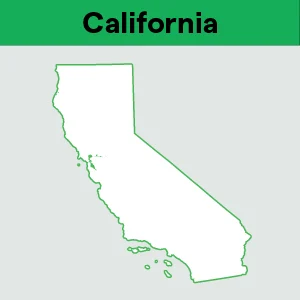
The regulatory landscape for digital commerce in California is approaching a significant pivot point as the state prepares to modernize its tax code. Beginning January 1, 2027, the California Department of Tax and Fee Administration (CDTFA) will implement a new tax on qualifying digital products, a move that will fundamentally alter the financial obligations of Software as a Service (SaaS) providers and other digital content distributors. This shift marks a departure from California’s long-standing policy of exempting most remotely accessed software from sales tax, bringing the state into alignment with a growing national trend of taxing the digital economy. As businesses prepare for these upcoming changes, the complexity of filing quarterly sales tax returns remains a primary concern for tax professionals and e-commerce entrepreneurs alike.
The Shift Toward Digital Product Taxation
Historically, California has been one of the more complex jurisdictions for sales tax due to its intricate system of district taxes and the specific treatment of "tangible personal property." Under current regulations, software delivered via a tangible medium—such as a disc or thumb drive—is taxable, while software accessed entirely via the cloud has often remained exempt. However, the legislation set to take effect in 2027 will close this gap.
Industry analysts suggest that this policy change is driven by the need to stabilize the state’s revenue stream as consumer spending continues to shift from physical goods to digital subscriptions. By taxing SaaS subscriptions and other digital goods, California joins more than 20 other states, including New York and Texas, that have already expanded their tax bases to include digital equivalents of traditional products. For businesses, this means that even if they have previously filed "zero returns" or claimed exemptions for SaaS revenue, they must now prepare their accounting systems to track and remit taxes based on the location of the end-user.
Chronology of California’s E-commerce Tax Regulations
To understand the current filing requirements, it is essential to view them through the lens of California’s legislative history regarding remote commerce.
- October 2019: The Marketplace Facilitator Act. This legislation shifted the burden of tax collection and remittance from individual third-party sellers to the marketplace platforms (such as Amazon or eBay) for sales made through their systems.
- 2020–2025: Incremental District Rate Changes. During this period, hundreds of local jurisdictions within California adjusted their district tax rates, often creating a "nested" tax environment where a single transaction could be subject to state, county, and multiple local district taxes.
- January 2027: Digital Product Implementation. The scheduled start date for the taxation of qualifying digital products, including SaaS, digital books, and streaming services.
This timeline illustrates a steady progression toward a more comprehensive and localized tax collection model. For quarterly filers, this evolution necessitates the use of sophisticated automated tools to ensure that data transferred from sales reports to the CDTFA Online Services portal is accurate and compliant with the latest statutes.
Technical Framework for Quarterly Filing
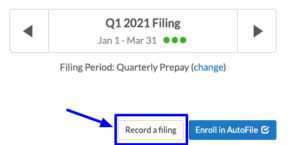
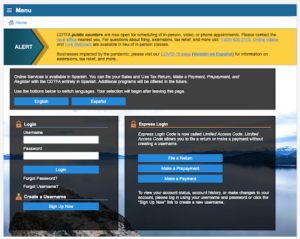
The process of filing a California sales tax return requires a meticulous reconciliation of internal sales data with the CDTFA’s specific reporting fields. Tax professionals generally recommend a "dual-window" approach, where the business’s tax software—such as TaxJar—is opened alongside the CDTFA Online Services portal to facilitate real-time data verification.
Establishing Filing Frequency and Deadlines
The CDTFA assigns each business a specific filing frequency based on its reported sales volume. While many small to mid-sized enterprises (SMEs) are assigned a quarterly frequency, others may be required to file monthly or annually. It is a common misconception that all sellers follow the same schedule; in reality, a sudden increase in revenue can prompt the CDTFA to move a business from quarterly to monthly filing.
Quarterly returns are typically due on the last day of the month following the end of the quarter. For example, the return for the third quarter (ending September 30) is generally due by October 31. Failure to adhere to these deadlines results in automatic penalties, which can range from 10% of the tax due plus interest.
The Role of Gross Sales and Use Tax
The foundation of the return is the "Total Sales" figure, which must represent the gross receipts of the business before any deductions. This figure includes both taxable and nontaxable transactions. Additionally, businesses must account for "Purchases Subject to Use Tax." This category often catches filers off guard, as it applies to items purchased for business use from out-of-state vendors who did not collect California sales tax. If a business buys office equipment or software licenses from an out-of-state seller for its own use, it must self-report and pay the use tax on those items.
Navigating Supplemental Schedules: A, B, and C
One of the most challenging aspects of California’s return is the requirement to allocate taxes across various jurisdictions using supplemental schedules. These schedules ensure that the correct amount of tax revenue reaches the specific cities and counties where the sales occurred.
Schedule A: District Tax Breakdown
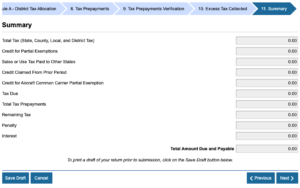
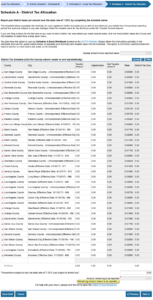
Schedule A is used to report sales subject to district taxes. In California, district taxes are added to the statewide base rate and vary significantly by location. When filling out Schedule A, businesses must enter the taxable transaction amounts for each specific district. A frequent error involves entering the tax collected rather than the taxable sales amount. Furthermore, if a district rate changed mid-quarter, the CDTFA portal may list the same district twice with different rates, requiring the filer to split their sales data accordingly.
Schedule B: County Tax Breakdown
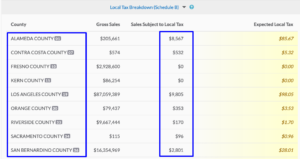
Schedule B is utilized for the allocation of county-wide pools. This is particularly relevant for sales made into counties where the business does not maintain a physical presence but has established "economic nexus" (typically defined as exceeding $500,000 in annual sales in California). Not all sellers are required to complete Schedule B, but for those who do, it is a critical step in ensuring county-level compliance.
Schedule C: Local Tax Allocation
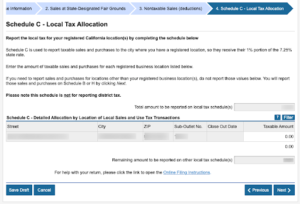
Schedule C is reserved for businesses with registered physical locations (brick-and-mortar stores, warehouses, or offices) within the state. This schedule allocates local sales and use taxes to specific business addresses. The CDTFA uses this data to distribute the 1% local tax portion to the specific municipality where the business operates.
Implications of Marketplace Facilitator Laws
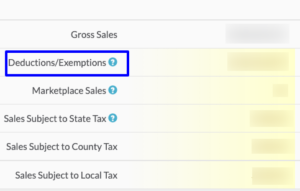
Since the 2019 implementation of the Marketplace Facilitator Act, the reporting process for "hybrid" sellers—those who sell both on their own websites and through marketplaces—has become more complex. While the marketplace (e.g., Amazon) is responsible for collecting and remitting the tax, the seller must still report these sales as part of their "Gross Sales" on the CDTFA return.
To avoid double taxation, the seller then claims a deduction for "Marketplace Facilitator Sales." If this deduction is not claimed correctly, the business will appear to owe tax on sales for which the tax has already been paid by the facilitator. This reconciliation is a frequent source of discrepancies between internal sales reports and the CDTFA’s expected totals.
Analysis of Common Filing Errors and Economic Impact
Tax analysts point to "rounding issues" as a frequent, albeit minor, cause of friction in the filing process. Because TaxJar and other platforms calculate tax at the transaction level, while the CDTFA may calculate it based on aggregate totals, small variances of a few cents are common. However, variances exceeding a few dollars often indicate deeper structural issues, such as:
- Misclassification of Shipping Charges: In California, shipping charges are often exempt if they are stated separately on the invoice and represent the actual cost of delivery. However, "handling" charges or combined "shipping and handling" fees are generally taxable.
- Incorrect Prepayment Credits: Larger filers are often required to make "prepayments" in the first two months of a quarter. Forgetting to claim these prepayments on the final quarterly return results in a significant overpayment and cash flow strain.
- Returned Merchandise: Deductions for returned taxable merchandise must only be claimed if the tax was originally reported and the full sales price was refunded to the customer.
The broader economic implication of these filing complexities is the increased cost of compliance for digital-first businesses. As California prepares to tax SaaS and digital goods in 2027, the administrative burden on startups is expected to rise. Tax experts suggest that the state may see a surge in the adoption of automated compliance software as businesses seek to mitigate the risk of audits in an increasingly digitized tax environment.
Conclusion and Future Outlook
The transition toward the 2027 digital tax mandate represents a significant milestone in California’s fiscal policy. For SaaS businesses and quarterly filers, the message from the CDTFA is clear: precision in reporting and a deep understanding of local tax allocations are no longer optional. By maintaining rigorous records and leveraging automated reporting tools, businesses can navigate the complexities of Schedules A, B, and C while ensuring they are prepared for the next phase of the digital economy.
As the January 1, 2027, deadline approaches, stakeholders expect the CDTFA to release further guidance on the specific definitions of "qualifying digital products." Until then, businesses are advised to conduct regular audits of their current filing processes, ensuring that gross sales, deductions, and district allocations are handled with the highest degree of accuracy to avoid penalties and prepare for a more inclusive tax landscape.