Lana Rhoades
Washington’s Department of Revenue (DOR) maintains one of the most distinct tax structures in the United States, characterized primarily by the absence of a personal or corporate income tax and a heavy reliance on retail sales and business and occupation (B&O) taxes. For domestic and out-of-state enterprises operating within the Evergreen State, navigating the regulatory environment requires a clear understanding of the unified business licensing system. Unlike many other jurisdictions that issue specific "seller’s permits," Washington utilizes a consolidated Business License Application process that serves as the gateway for tax registration, including the authority to collect and remit sales tax. As of late 2026, the state continues to refine its digital infrastructure to accommodate a growing number of remote sellers who have surpassed the economic nexus thresholds established following the landmark 2018 Supreme Court decision in South Dakota v. Wayfair, Inc.
The Regulatory Framework: Defining Nexus and Liability
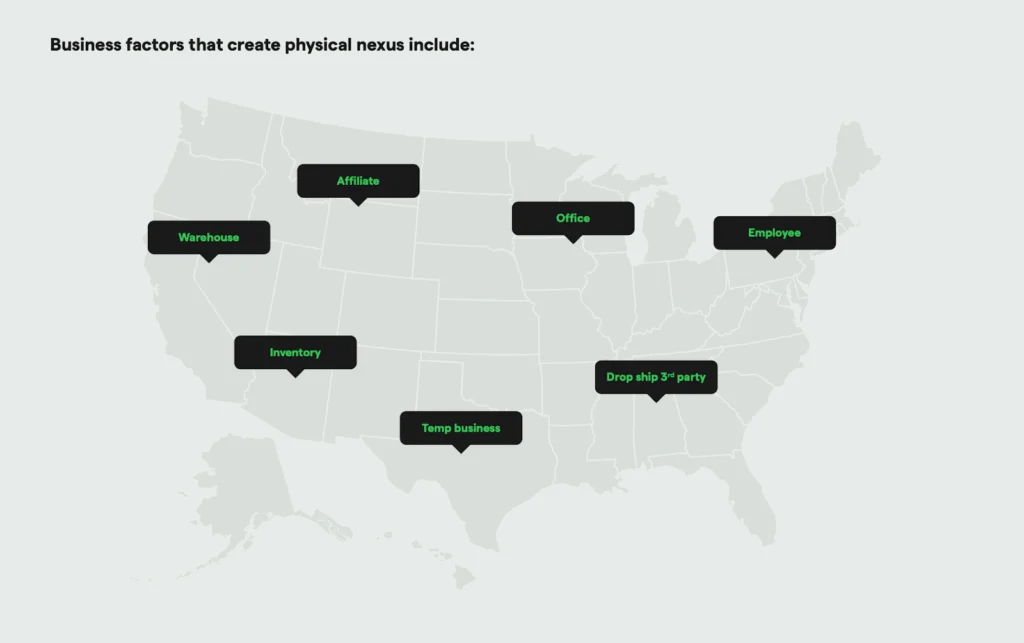
The obligation to register with the Washington Department of Revenue is predicated on the concept of "nexus," or a significant connection to the state. Washington recognizes two primary forms of nexus: physical and economic. Physical nexus is established if a business maintains a warehouse, office, inventory, or employees within state lines, or if representatives of the company enter the state to solicit business or perform services. Economic nexus, conversely, applies to remote sellers who lack a physical presence but exceed $100,000 in combined gross receipts from sales delivered into Washington during the current or previous calendar year.
Upon establishing nexus, a business is legally mandated to register for a Washington Business License. This registration is not merely a formality for sales tax collection; it also registers the entity for the state’s B&O tax. The B&O tax is a gross receipts tax levied on the value of products, gross proceeds of sale, or gross income of the business. Unlike sales tax, which is paid by the consumer and remitted by the seller, the B&O tax is a direct liability of the business and cannot be added as a separate line item to a customer’s invoice.
Chronology of the Registration Process
The transition from a prospective seller to a fully compliant taxpayer in Washington follows a specific administrative timeline. For most modern enterprises, the process is conducted through the "My DOR" online portal, though paper-based applications remain a secondary option for those unable to access digital services.
- Threshold Assessment: A business monitors its sales activity. For out-of-state sellers, the moment the $100,000 threshold is met, the obligation to register begins. For businesses with a physical presence, registration must occur prior to the commencement of operations.
- Information Gathering: The applicant compiles necessary documentation, including federal employer identification numbers (EIN), ownership structures, and projected gross annual income.
- Submission of the Business License Application: The applicant submits the unified form. For online submissions, the processing time is typically expedited, often resulting in the issuance of a Unified Business Identifier (UBI) number within 10 business days.
- Receipt of the License: Once approved, the business receives its license, which includes the UBI—a unique nine-digit number used by all Washington state agencies to identify the business.
- Activation of Tax Accounts: The Department of Revenue automatically opens the necessary tax reporting accounts (Sales Tax and B&O Tax) based on the information provided in the application.
For businesses opting for the traditional mail-in route, the timeline is significantly extended. The Department of Revenue estimates a minimum of three weeks for the processing of paper applications, provided there are no errors in the documentation.
Required Documentation and Administrative Fees
The Washington Business License Application acts as a master document for various state and local endorsements. To complete the filing, an applicant must provide:
- Business Identification: Federal EIN or Social Security Number for sole proprietorships.
- Entity Details: The legal name of the business and any "Doing Business As" (DBA) names.
- Ownership Information: Full names and contact details for all owners, partners, or corporate officers.
- Operational Data: The physical address of the business (if applicable), the date the business started or will start in Washington, and an estimate of the gross annual income.
- Employee Information: If the business intends to hire employees in Washington within the next 90 days.
While tax registration itself is technically free of charge, the state of Washington employs a variable fee system for the Business License Application. These fees generally include a base processing fee for the application and may include additional costs for specific state or city endorsements depending on the business location and industry. These fees are subject to periodic adjustments by the legislature to cover administrative overhead.
Supporting Data: The Economic Impact of Sales Tax
Washington’s fiscal health is inextricably linked to retail trade. According to recent data from the Washington State Economic and Revenue Forecast Council, retail sales tax accounts for approximately 50% of the state’s General Fund revenues. In the fiscal year preceding 2026, the state saw a marked increase in collections from remote sellers, highlighting the efficacy of the $100,000 economic nexus threshold.
The B&O tax, while smaller in scale than the sales tax, provides a stable revenue stream that does not fluctuate as wildly with consumer spending habits, as it is based on gross business activity across all sectors, including manufacturing, wholesaling, and professional services. This dual-tax approach allows Washington to maintain public services, such as education and infrastructure, without the implementation of an income tax, which remains a point of significant political and legal debate within the state.
Official Responses and Compliance Enforcement
The Department of Revenue has taken a proactive stance on compliance, particularly regarding the renewal of business licenses. Unlike some states where a sales tax permit is valid indefinitely, Washington requires an annual renewal of the business license. The Business Licensing Service (BLS) typically issues a renewal notice approximately 45 days before the expiration date printed on the license.
Failure to renew can result in the business being designated as "inactive" in the state’s database. According to DOR officials, operating with an inactive license can trigger late filing penalties, interest on unpaid taxes, and potentially the loss of the legal right to conduct business in the state. Furthermore, the DOR utilizes data-sharing agreements with other states and federal agencies to identify unregistered businesses that meet nexus requirements but have failed to apply for a license.
Marketplace Facilitator Provisions
A significant development in Washington tax law involves "marketplace facilitators" such as Amazon, Etsy, and Walmart. Under Washington law, these platforms are responsible for collecting and remitting sales tax on behalf of their third-party sellers. However, this does not exempt the individual seller from Washington’s registration requirements.
If a third-party seller meets the economic nexus threshold of $100,000 in gross sales (including those made through a facilitator), they must still obtain a Washington Business License. While they may not be responsible for collecting sales tax on the facilitator’s platform, they are required to report those sales on their Washington tax returns. More importantly, they remain liable for the B&O tax on those sales, as the facilitator law generally does not cover the seller’s B&O tax obligations.
Analysis of Implications for Small and Medium Enterprises (SMEs)
For SMEs, the Washington system presents both a challenge and a streamlined opportunity. The challenge lies in the complexity of the B&O tax, which requires careful accounting of gross receipts across different tax classifications (e.g., retailing, wholesaling, service and other activities). The streamlined opportunity is the "one-stop-shop" nature of the Business License Application, which coordinates registration with the Department of Revenue, the Employment Security Department, and the Department of Labor & Industries simultaneously.
As e-commerce continues to dominate the retail landscape, the administrative burden on remote sellers has become a focal point of national discussion. Washington’s model, while rigorous, provides a clear, centralized portal that many compliance experts suggest is more efficient than states with fragmented local tax jurisdictions. However, the requirement for annual renewal and the imposition of the B&O tax mean that businesses must maintain a higher level of administrative vigilance compared to operating in states with only a standard sales tax.
Future Outlook and Technological Integration
Looking toward the conclusion of the 2020s, Washington is expected to further integrate artificial intelligence and automated auditing tools into its tax administration. The Department of Revenue has already begun implementing more sophisticated data analytics to identify discrepancies in reported gross income versus federal filings.
For businesses, the move toward automation—facilitated by compliance software and service providers—has become a necessity rather than a luxury. The ability to track sales thresholds in real-time and automate the filing of B&O and sales tax returns is critical for avoiding the penalties associated with Washington’s strict delinquency policies. As the state continues to rely on these consumption and activity-based taxes, the rigor of enforcement is anticipated to increase, making early and accurate registration the only viable path for sustainable business operations within the state.