Julia Chirkova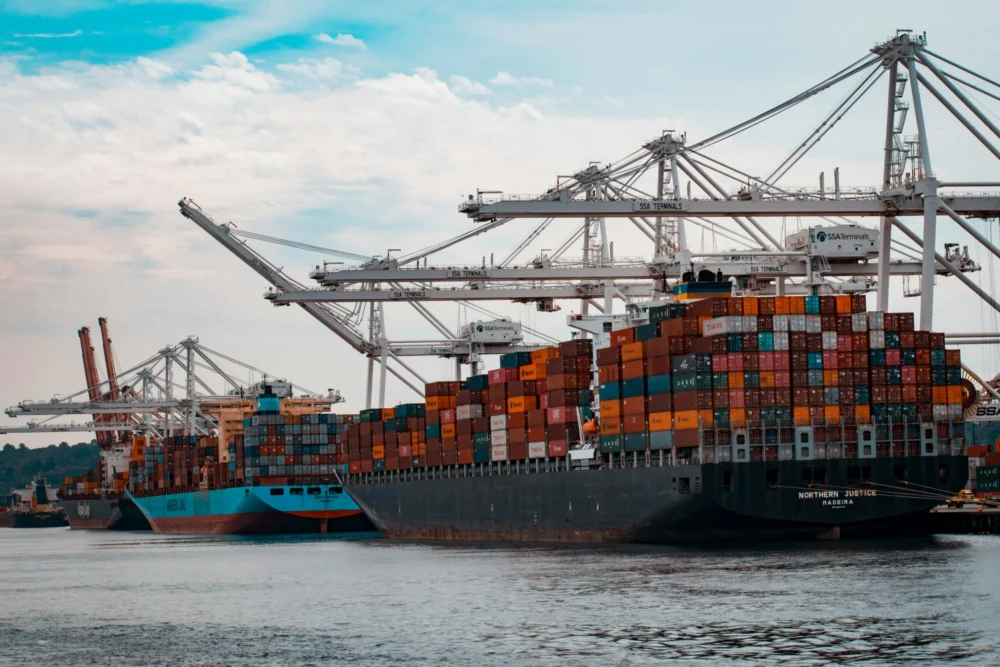
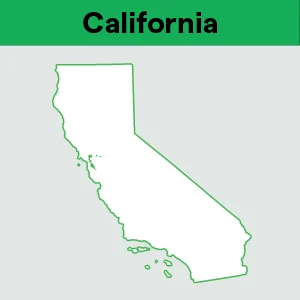
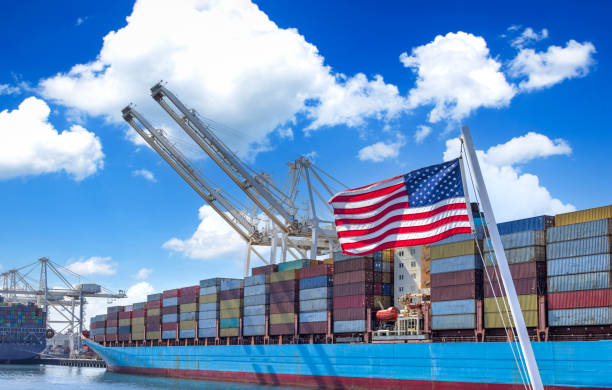
WASHINGTON – In a significant legal maneuver, a coalition of Democratic attorneys general has initiated a new lawsuit challenging the Trump administration’s imposition of 10% worldwide tariffs, just weeks after the Supreme Court invalidated a previous, broader tariff scheme. The legal action, filed by state law enforcement officials from Arizona, California, New York, Oregon, and twenty other states, seeks to halt the newly announced tariffs and secure refunds for any duties already collected. This latest challenge underscores the ongoing constitutional and legal battles over the President’s executive authority in matters of trade policy.
The Trump administration’s recent resort to Section 122 of the Trade Act of 1974 follows the Supreme Court’s decisive ruling that largely dismantled its prior global tariff strategy, which was enacted under the International Emergency Economic Powers Act of 1977 (IEEPA). The Court’s decision, delivered in February 2026, found that the President had exceeded his statutory authority by imposing broad tariffs on an international scale, marking a significant check on executive power in trade.
The Legal Basis of the New Challenge
The lawsuit, lodged with the U.S. Court of International Trade in New York, contends that the administration is misapplying Section 122, a statute intended for a specific set of economic circumstances, to address broader trade deficit concerns. According to the legal filing, Section 122 is designed to address "balance of payments" problems, which involve the overall flow of money between a country and the rest of the world, rather than the trade imbalances the President has cited as justification for the tariffs.
"The President has made clear that he is going to impose worldwide tariffs by any means necessary," the lawsuit asserts. "Until last month it was IEEPA, now it is Section 122, but the policy is the same—an exercise of completely unrestrained executive power in an attempt to usurp the taxing power that the Constitution vests in Congress, not the President." This language highlights the core constitutional argument: that the President is encroaching upon Congress’s exclusive power to levy taxes.
Understanding Section 122 of the Trade Act of 1974
Section 122 grants the President the authority to impose tariffs of up to 15% under specific conditions. These conditions include situations where the United States faces a "balance-of-payments deficit," experiences an imminent depreciation of the dollar, or needs to assist other countries in managing their international payment issues. Crucially, tariffs imposed under Section 122 are intended to be temporary, remaining in effect for a maximum of 150 days unless Congress approves their extension. This provision is designed to ensure legislative oversight and prevent prolonged unilateral executive action.
The Administration’s Rationale and Expansion Plans
When the administration initially announced these tariffs last month, the White House framed them as a necessary measure to address "long-term structural problems" within the American economy, particularly those stemming from persistent trade and investment deficits. President Trump has publicly stated his intention to escalate the tariffs to 15%, signaling a commitment to this approach despite the recent legal setbacks.
Attorneys General Voice Concerns and Legal Arguments
During a press conference, Oregon Attorney General Dan Rayfield articulated the states’ position, emphasizing the historical context and intended scope of Section 122. He argued that the law was conceived to address payment problems tied to fixed exchange rates, a scenario that is largely obsolete in the modern, floating-rate global economy. Rayfield pointed out that Section 122 had never been previously invoked to impose tariffs, underscoring the novelty and, in his view, the impropriety of its current application.
"This has been unquestionably the largest tax increase on Americans without the support of Congress," Rayfield declared. "It cannot continue just because a few of Trump’s lawyers have found a way to twist words." He further indicated that if the administration proceeds with increasing the tariffs to 15%, the coalition of states would actively challenge that escalation as well.
Arizona Attorney General Kris Mayes echoed these sentiments, stressing the immediate objective of securing a judicial block on the existing tariffs. Mayes underscored the economic burden these tariffs place on American families, asserting that they are ultimately footing the bill. She directly challenged the administration’s legal interpretation, stating, "A trade deficit is not a balance of payments deficit. These are not the same thing at all. The president doesn’t know the difference or he doesn’t care. He is breaking the law again."
The Supreme Court’s Precedent and Its Aftermath
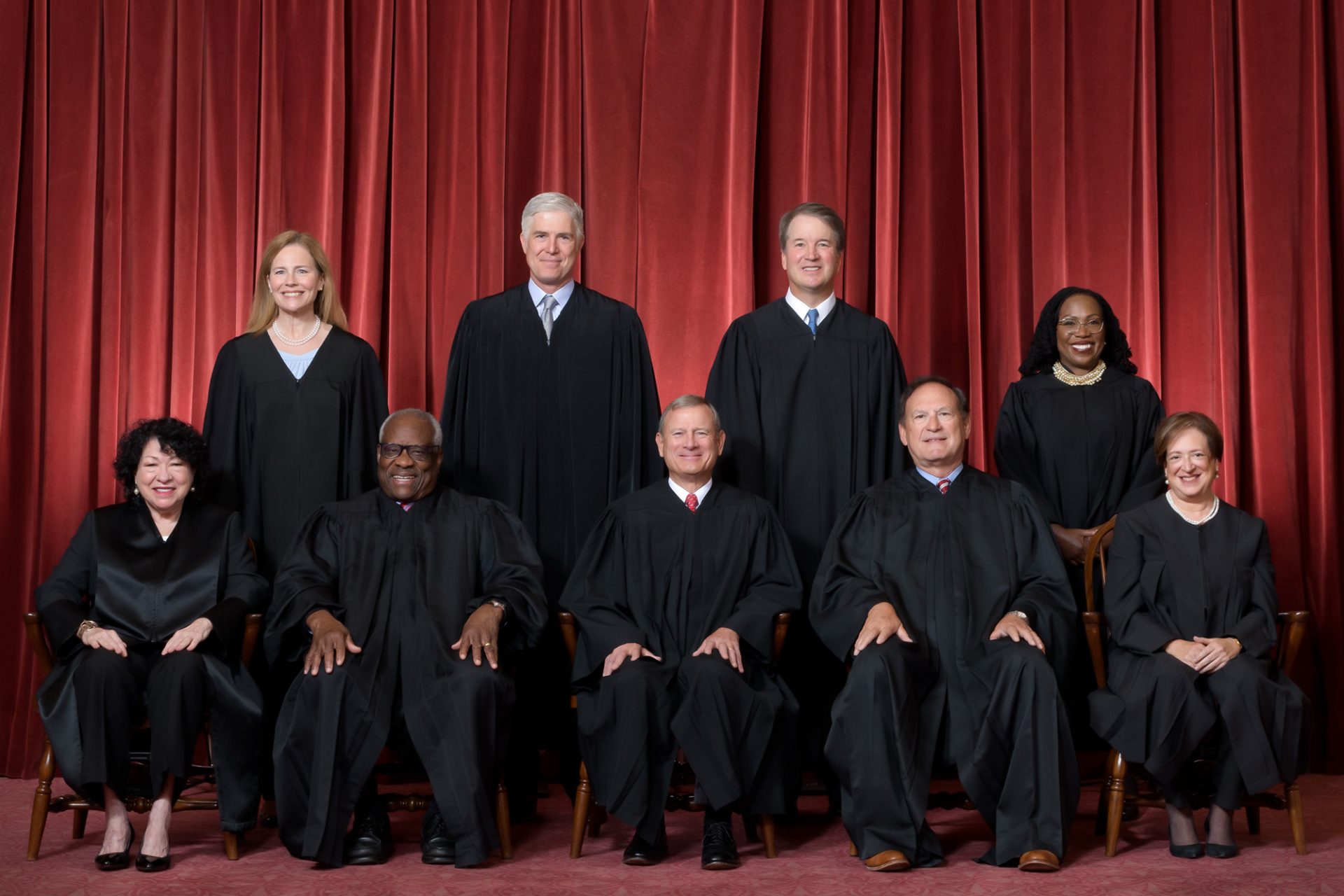
The current legal battle is a direct consequence of the Supreme Court’s February 2026 ruling. In a 6-3 decision, the justices determined that President Trump had exceeded the emergency powers granted to him by Congress under IEEPA when he imposed tariffs on goods from various countries. This ruling effectively invalidated a significant portion of his previous tariff policies, which had generated substantial revenue for the government.
From the inception of that tariff regime in 2025 through mid-December 2025, the government reportedly collected over $133 billion in revenue. Analysts estimate this figure swelled to approximately $175 billion by the time of the Supreme Court’s decision. The fallout from the IEEPA ruling has been extensive, with numerous businesses filing lawsuits seeking refunds for the tariffs they paid under that authority.
In a related development, a federal judge issued a ruling on Wednesday, initiating the process for refunding tariffs collected under the now-invalidated IEEPA authority. This judicial action highlights the practical consequences of the Supreme Court’s decision and sets a precedent for financial redress for affected businesses.
Broader Implications and Constitutional Questions
The repeated use of trade tariffs by the Trump administration, and the subsequent legal challenges, raise fundamental questions about the balance of power between the executive and legislative branches of the U.S. government. The Constitution explicitly vests Congress with the power to regulate commerce and levy taxes, while presidents have historically relied on various statutes to implement trade policy, often during times of national emergency or specific economic distress.
The shift from IEEPA to Section 122 demonstrates a strategic attempt by the administration to find alternative legal avenues for implementing its protectionist trade agenda. However, the attorneys general’s lawsuit suggests that these alternative paths may also be legally dubious, particularly if they are perceived as circumventing congressional authority or misinterpreting statutory language.
The implications of this ongoing legal contest extend beyond immediate tariff rates. It impacts international trade relationships, business investment decisions, and consumer prices. The uncertainty generated by these frequent policy shifts and legal battles can deter long-term economic planning and investment. Furthermore, the repeated assertion by state officials that the President is overstepping his constitutional bounds could fuel broader debates about the limits of executive power in the United States.
Future Outlook and Potential Scenarios
The lawsuit filed in the U.S. Court of International Trade will now enter the judicial process. The court will need to interpret the specific provisions of Section 122 and determine whether the administration’s application of the law aligns with its intended purpose and statutory limitations. The states are seeking an immediate injunction, which, if granted, would halt the tariffs while the case proceeds.
The administration, in turn, will likely defend its actions, arguing that the tariffs are a necessary tool for protecting American economic interests. The outcome of this case could have significant ramifications for future presidential trade actions and the interpretation of trade laws. If the states prevail, it could further constrain the executive branch’s ability to unilaterally implement broad tariff policies. Conversely, if the administration successfully defends its use of Section 122, it could embolden future executive actions in trade policy.
The legal landscape surrounding U.S. trade policy remains dynamic, with the latest challenge by state attorneys general adding another significant chapter to the ongoing debate over executive authority and constitutional checks and balances. The nation watches as the courts grapple with these complex issues, which have far-reaching implications for both domestic and international economic policy.