Julia Chirkova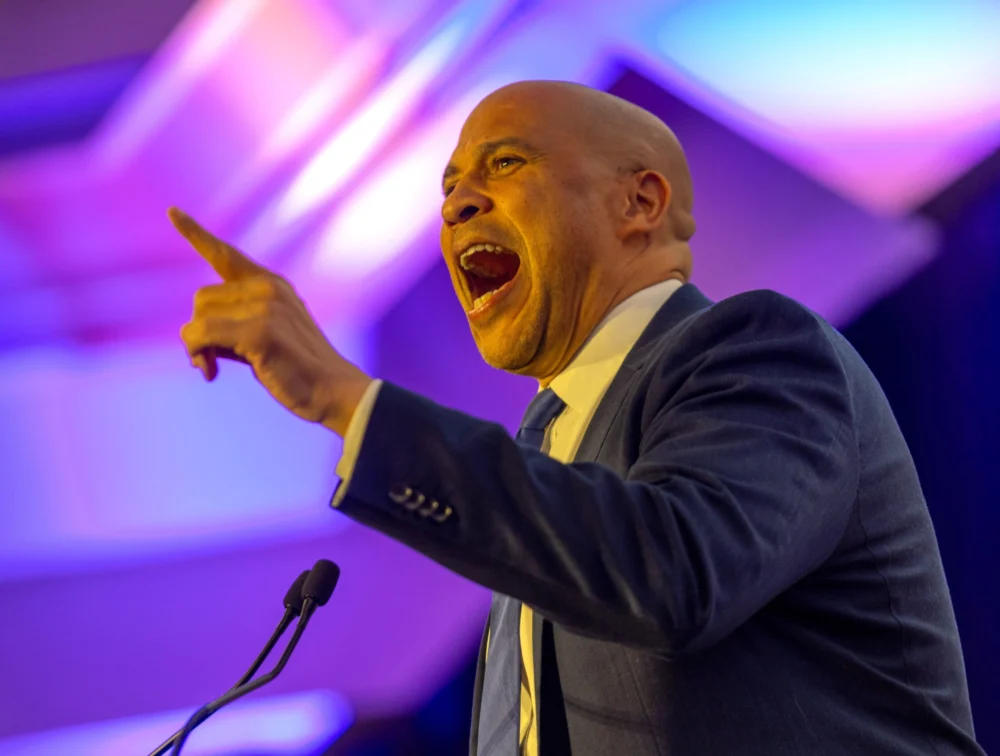
WASHINGTON D.C. – As the nation grapples with persistent economic anxieties, a constellation of Democratic figures with potential presidential aspirations have recently introduced a series of significant tax proposals. These initiatives, unveiled in rapid succession, underscore a strategic pivot by the party to foreground issues of affordability as a central theme, aiming to resonate with voters and potentially recapture the White House in 2028. The proposals span a range of economic strata, from substantial deductions for middle-class families to wealth taxes targeting the nation’s wealthiest individuals, all framed within the context of alleviating financial burdens on American households.
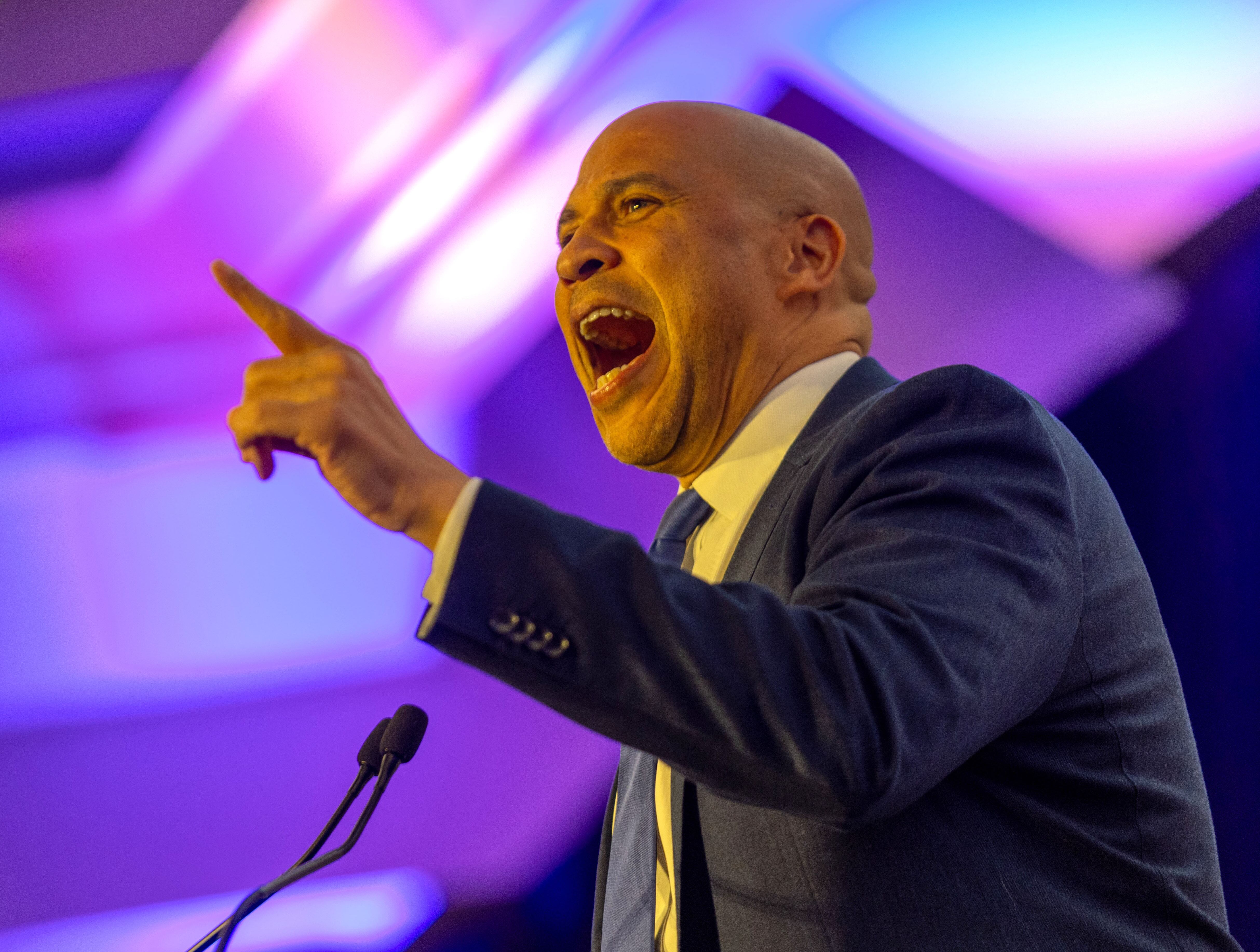
The latest salvo in this burgeoning legislative discussion comes from Senator Cory Booker of New Jersey. On Monday, Booker proposed a sweeping enhancement to the standard tax deduction for married couples filing jointly, aiming to more than double it to $75,000. This proposal includes proportionally adjusted benefits for heads of households and single filers, a move designed to provide immediate financial relief to a broad segment of the American workforce. This initiative is part of a broader Democratic strategy to make affordability the paramount issue for both the upcoming 2026 midterm elections and the 2028 presidential contest. The party views the economic anxieties that propelled Donald Trump to victory in 2024 as a key vulnerability they aim to exploit, particularly in light of escalating global tariffs and sharp increases in gasoline prices, which have been exacerbated by geopolitical instability, including the ongoing conflict in Iran.
Senator Booker articulated this vision forcefully in a video released on Monday, stating, "The tax system, we all know this, is rigged. It’s rigged against working people and all full of things to help people with a lot of money, whether it’s corporations or billionaires, avoid paying taxes." This sentiment highlights a core tenet of the Democratic platform: a critique of a tax code perceived as favoring the wealthy and corporations at the expense of ordinary citizens.
Addressing a Spectrum of Economic Pressures
The push for tax reform extends beyond Senator Booker’s proposal, with other prominent Democrats introducing measures designed to tackle specific economic pain points. Senator Mark Kelly of Arizona, for instance, has put forth a proposal to temporarily suspend the federal gasoline tax through October 1st. This initiative directly addresses the surge in fuel prices, a significant concern for many households, and links it to the broader global economic fallout from the war in Iran. The volatile energy market, a critical component of household budgets and business operations, has become a focal point for immediate relief efforts.
Further up the economic ladder, Senators Bernie Sanders of Vermont and Representative Ro Khanna of California have jointly advocated for a 5% annual wealth tax on American billionaires. This proposal targets the concentration of wealth at the very top, aiming to generate revenue for public services while addressing concerns about economic inequality. This approach reflects a longer-standing progressive push to rebalance the nation’s economic structure and ensure that those with the greatest financial capacity contribute more significantly to the public good.
Adding to the chorus of affordability-focused proposals, Senator Chris Van Hollen of Maryland, another potential contender for the 2028 presidential nomination, is reportedly set to unveil his own tax reform plan this week. According to The Washington Post, Van Hollen’s proposal aims to eliminate federal income tax on earnings up to $46,000 for individuals filing single returns and up to $92,000 for married couples filing jointly. This significant tax exemption would provide substantial relief to lower and middle-income taxpayers, directly impacting their take-home pay.
Emerging Pushback and Fiscal Considerations
Despite the unified Democratic front on the importance of affordability, the proposed tax cuts are not without their critics, even within the party. Alex Jacquez, a former Biden administration and Sanders staffer now serving as chief of policy and advocacy at the Groundwork Collective, voiced strong opposition to Van Hollen’s proposal on social media. He characterized it as "deeply misguided," arguing that "the race to exempt people from paying taxes is only going to erode our fiscal situation and our democracy." This critique raises concerns about the long-term sustainability of such broad tax exemptions and their potential impact on government revenue and the overall health of democratic institutions.
Similarly, Erica York, vice president of federal tax policy at the nonpartisan Tax Foundation, sounded an alarm regarding the fiscal implications of Senator Booker’s proposal. On social media, York highlighted the immense cost, estimating it to be "North of $8 trillion over the 10-year budget window expensive." Such projections underscore the significant budgetary challenges associated with these ambitious tax relief measures, prompting questions about how they would be funded and their potential impact on the national debt.
Political Realities and Future Implications
The immediate legislative prospects for these tax proposals appear dim. With Republicans currently holding a majority in Congress through the remainder of 2026, and potentially beyond, these initiatives are unlikely to gain traction. Even in a scenario where Democrats regain control of one or both chambers and manage to advance such legislation, President Trump would still need to sign it into law, a prospect that seems improbable given his administration’s tax policies.
Republicans are expected to strongly oppose Democrat-backed tax cuts, particularly in an election year, viewing them as a direct challenge to the tax reductions enacted in recent years. However, these proposals are likely to serve as important markers and policy benchmarks for Democratic presidential hopefuls looking to shape the party’s agenda should they retake the White House in 2028. They represent a clear statement of intent regarding the party’s priorities and its vision for the American economy.
While the precise budgetary impact of each of these recently unveiled proposals has yet to be fully quantified, it is clear that each carries a significant potential to influence the federal budget. The sheer scale of the proposed tax relief, from broad deductions to wealth taxes, suggests that their implementation would necessitate substantial fiscal adjustments or lead to considerable increases in the national deficit.
The Ongoing Debate on Affordability and Fiscal Responsibility
As voters increasingly prioritize economic stability and affordability, lawmakers on both sides of the aisle are anticipated to continue introducing tax-related proposals in the coming years. However, the current push for substantial tax cuts is also generating concern among fiscal hawks who advocate for responsible budgeting and deficit reduction.
Maya MacGuineas, president of the Committee for a Responsible Federal Budget, a nonpartisan policy watchdog, emphasized the need for fiscal prudence. Speaking on Monday, she urged lawmakers proposing tax cuts to remain mindful of their fiscal impact, asserting that tackling the national deficit is "a key to sustainable affordability" in the long run.
MacGuineas observed a trend of escalating fiscal ambition, stating, "It feels like it’s always a game of fiscal one-upmanship at this point. But the price tags are getting larger, the policies are getting bolder, and all of it, of course, is coming under the veil or the title of affordability." Her comments highlight the growing tension between the desire for immediate economic relief through tax cuts and the imperative of long-term fiscal health, a debate that will likely intensify as the next presidential election cycle unfolds.
The diverse array of tax proposals from Democratic hopefuls signals a strategic focus on economic relief as a central campaign theme. These initiatives, while facing significant political and fiscal hurdles, aim to address widespread concerns about the cost of living and the fairness of the tax system, setting the stage for a vigorous debate on economic policy in the years to come.
Photo caption: Sen. Cory Booker speaks to supporters of New Jersey gubernatorial candidate Mikie Sherrill on election night at the campaign headquarters in the Hilton East Brunswick on Nov. 4, 2025. (Jeff Rhode/TNS)
©2026 CQ-Roll Call Inc., All Rights Reserved. Visit cqrollcall.com. Distributed by Tribune Content Agency LLC.