Candice Horbacz
As the nation approaches the critical November election, voters in 17 states are poised to directly influence the financial architecture of their respective jurisdictions through approximately 40 distinct tax measures appearing on ballots. This unprecedented wave of direct legislative action underscores a growing public engagement with fiscal policy, moving decisions typically confined to legislative chambers into the hands of the electorate. From proposals aiming to levy higher taxes on top earners to initiatives seeking to enshrine lower tax rates within state constitutions, and even a radical proposition in Missouri to establish a fund that could eventually replace all state taxes, the scope and potential impact of these measures are vast and varied.
The significance of this year’s ballot initiatives extends beyond mere adjustments to tax rates; they represent a fundamental questioning of how states generate revenue, allocate resources, and foster economic growth. The Tax Foundation, a non-partisan tax policy research organization, has highlighted the depth and breadth of these proposals. Senior Policy Analyst Janelle Fritts, alongside Tax Foundation experts Kyle Hulehan and Erica York, has been instrumental in dissecting these complex measures, offering invaluable insights into their potential ramifications, ranging from critical property tax relief efforts to novel frameworks governing the future passage of tax legislation. This direct democratic approach to taxation is set to reshape state fiscal landscapes for years to come, reflecting diverse public priorities and economic philosophies.
The Mechanics of Direct Democracy in Taxation
Ballot initiatives, referendums, and constitutional amendments related to taxation are powerful tools of direct democracy, allowing citizens to bypass the legislative process and enact laws or constitutional changes directly. This mechanism varies by state, with some requiring a certain number of voter signatures to place a measure on the ballot, while others allow legislatures to refer questions directly to voters. The origins of this system in the United States date back to the progressive era of the early 20th century, conceived as a way to curb the influence of special interests and ensure government responsiveness to public will. Over time, these direct democracy tools have been increasingly utilized for fiscal policy, especially during periods of economic uncertainty or public dissatisfaction with legislative action.
The increasing prevalence of tax-related ballot measures reflects several factors. Firstly, a growing polarization in state legislatures often leads to gridlock on contentious issues like taxation, pushing such decisions to the ballot. Secondly, citizen groups, empowered by digital organizing and increased awareness, are more effectively mobilizing to collect signatures and advocate for their preferred policies. Thirdly, periods of economic volatility, such as those experienced post-pandemic with fluctuating inflation and varying state budget surpluses or deficits, often spur public debate over fiscal responsibility and fairness. This year, many states are grappling with how to sustain vital public services while also addressing taxpayer burdens, particularly in the face of rising costs of living.
A Diverse Landscape of Tax Proposals
The 40 tax measures on ballots across 17 states illustrate a broad spectrum of policy objectives. While some aim to increase revenue for public services, others seek to limit government spending or provide relief to specific taxpayer groups.
Targeting High Earners: The Push for Progressive Taxation
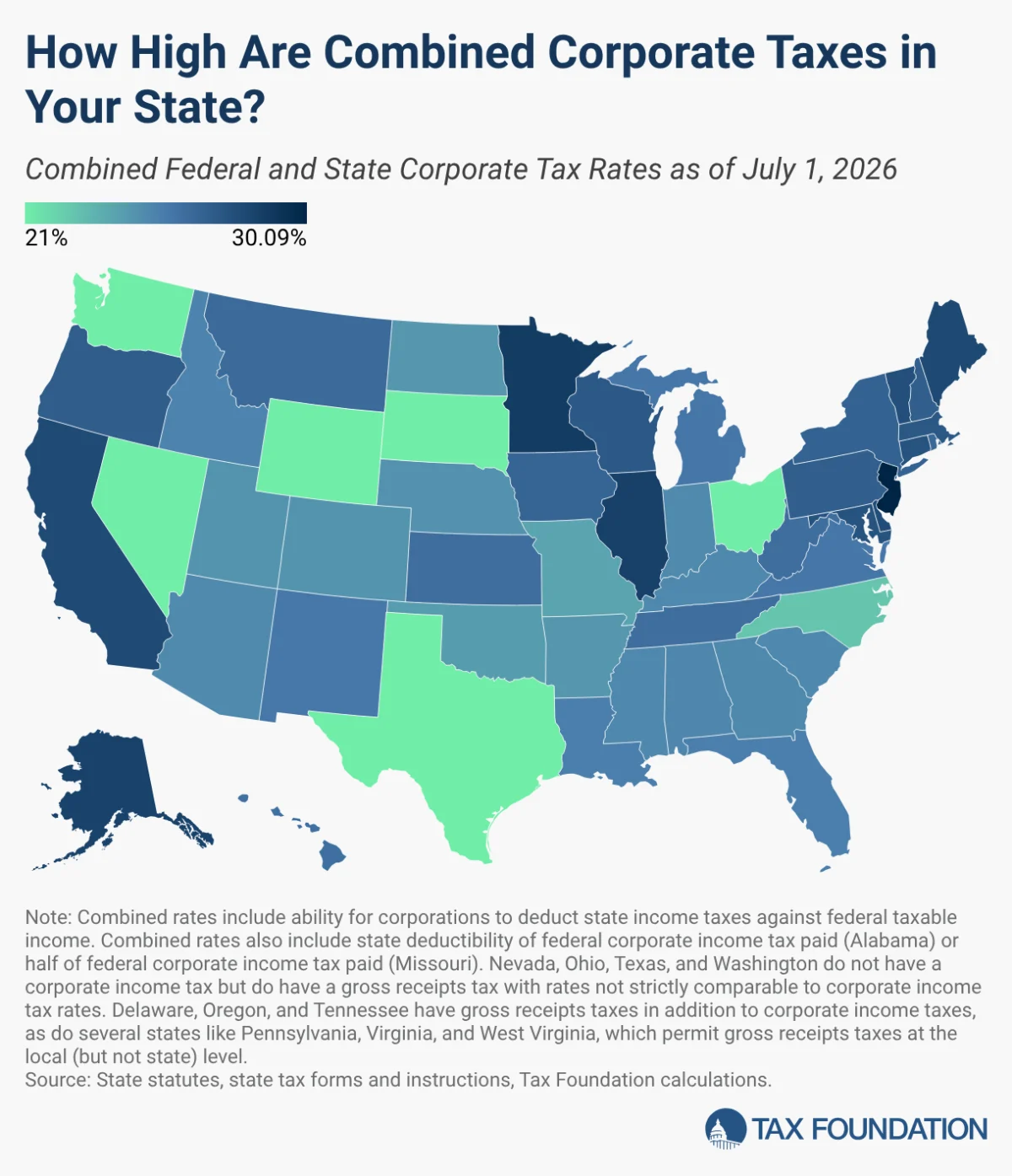
Several states are considering measures that would increase taxes on their highest-income earners or corporations. These proposals often stem from a desire to address income inequality and generate additional revenue for education, infrastructure, or social programs. For example, some initiatives might propose new surtaxes on income above a certain threshold, or adjust existing progressive income tax brackets. Proponents argue that those with the greatest capacity should contribute more to the collective good, especially in states facing funding shortfalls for critical services. They often cite data indicating that wealth concentration has grown, and that higher earners have seen disproportionate gains in recent decades. The Economic Policy Institute, for instance, has frequently published analyses demonstrating widening gaps between the top 1% and the rest of the workforce, fueling calls for more progressive tax structures. Opponents, however, contend that such taxes could incentivize high-income individuals and businesses to relocate, potentially leading to a decrease in the overall tax base and hindering economic growth and job creation within the state. They often point to historical examples where high marginal tax rates led to capital flight or reduced investment.
Constitutionalizing Low Rates: A Bid for Fiscal Certainty
Conversely, other states are exploring measures to enshrine low tax rates or tax limitations directly into their state constitutions. These initiatives are typically driven by a desire to provide long-term fiscal certainty for businesses and residents, preventing future legislative bodies from easily raising taxes. Such measures often include provisions like strict limits on property tax increases, caps on state spending, or requirements for supermajority votes in the legislature to pass any tax increases. The rationale is often rooted in promoting economic competitiveness, attracting businesses, and offering stability to taxpayers. For instance, a constitutional amendment ensuring a flat income tax rate or a cap on sales tax could be seen as a strong signal to investors. However, critics warn that such constitutional limitations can severely restrict a state’s fiscal flexibility, especially during economic downturns or unexpected crises, making it difficult to fund essential services or respond to emerging needs. They argue that tying the hands of future legislatures through constitutional amendments can lead to underfunded public services and an inability to adapt to changing economic realities. The Taxpayer Bill of Rights (TABOR) in Colorado, while not directly on the ballot this year, serves as a prominent example of such constitutional limitations, often cited by both proponents and opponents for its long-term effects on state budgeting.
Missouri’s Ambitious Tax Overhaul: A Case Study
Perhaps the most ambitious and potentially transformative measure is in Missouri, where voters will decide whether to establish a special fund with the ultimate goal of replacing all state taxes. While the exact mechanism and timeline for this ambitious endeavor are still being debated and would likely unfold over decades, the proposal represents a radical departure from conventional state fiscal policy. This initiative could involve channeling specific revenue streams into a dedicated fund, which would then accumulate over time to eventually offset or eliminate existing state income, sales, and property taxes. Proponents envision a future with minimal or no state tax burden, arguing it would unleash unprecedented economic growth, attract businesses, and significantly improve the quality of life for residents. They might cite the economic boom experienced by states with low or no income tax, though the complete elimination of all state taxes is virtually unprecedented in modern U.S. history.
However, the complexities and risks associated with such a sweeping change are immense. Critics raise serious concerns about the feasibility of accumulating sufficient funds to replace a multi-billion dollar state budget, the potential for fiscal instability during the transition period, and the profound impact on public services that currently rely on these tax revenues. Missouri’s state budget, which funds education, infrastructure, healthcare, and public safety, is heavily reliant on a mix of income, sales, and corporate taxes. Replacing these without a clear, sustainable, and robust alternative funding mechanism could lead to severe disruptions. The proposal also raises questions about intergenerational equity, as current generations might bear the burden of building the fund, while future generations reap the benefits of tax-free living, assuming the fund materializes as intended.
Property Tax Relief and Other Measures
Beyond these broad categories, numerous other specific tax measures are on ballots. Property tax relief is a recurring theme, often driven by rising property values and the consequent increase in tax burdens for homeowners, particularly seniors and low-income individuals. These measures can take various forms, such as increasing homestead exemptions, implementing property tax "circuit breakers" (which cap property taxes as a percentage of income), or creating special assessment districts. While popular with homeowners, such relief measures can significantly impact local government revenues, which heavily rely on property taxes to fund schools, police, fire departments, and other essential community services.
Other proposals include new rules for how taxes get passed, such as requiring supermajority votes in the legislature for any new tax or fee, or limiting the types of taxes that state and local governments can impose. There are also specific taxes targeting certain industries (e.g., cannabis, energy) or behaviors (e.g., sugary drinks), often with dedicated revenue streams for specific programs.
The Context: Economic Pressures and State Budgets
The backdrop for these ballot measures is a complex economic environment. Many states experienced significant budget surpluses in the wake of federal pandemic aid and robust economic activity in certain sectors. However, persistent inflation, rising interest rates, and concerns about a potential economic slowdown are now shaping fiscal discussions. State governments are grappling with how to allocate these surpluses—whether to return funds to taxpayers, invest in long-term infrastructure, or bolster rainy-day funds.
According to data from the National Association of State Budget Officers (NASBO), aggregate state general fund spending increased significantly in recent fiscal years, driven by strong revenue growth. However, future projections are often cautious, especially given ongoing economic uncertainties. The decision to raise, lower, or fundamentally alter tax structures through ballot initiatives directly reflects these economic pressures and the public’s perception of fiscal fairness and government efficiency. States with rapidly growing populations might seek new revenue sources, while states experiencing out-migration might prioritize tax cuts to retain residents and businesses.
Voices from the Debate: Stakeholder Perspectives
The public discourse surrounding these tax measures is robust, involving a wide array of stakeholders with distinct perspectives.
Advocates for Revenue Generation
Proponents of tax increases, particularly on higher earners or corporations, often include public sector unions, education advocacy groups, social justice organizations, and progressive political factions. They argue that increased revenue is essential to adequately fund critical public services that have been underfunded for years, such as schools, public health, affordable housing, and transportation infrastructure. They often emphasize the concept of shared prosperity and the social responsibility of those who have benefited most from economic growth. They might cite statistics on declining state investments in education per pupil or the state of aging infrastructure as compelling reasons for higher taxes.
Proponents of Taxpayer Protection
Conversely, advocates for tax cuts, constitutional limits on taxation, or measures like Missouri’s radical fund often include business associations, taxpayer advocacy groups, conservative think tanks, and libertarian organizations. Their primary arguments revolve around promoting economic freedom, reducing the burden on individuals and businesses, and fostering a competitive economic environment. They assert that lower taxes stimulate investment, create jobs, and encourage residents and businesses to remain in or relocate to the state. They frequently highlight concerns about government overspending and the need for fiscal discipline, arguing that taxpayers know best how to spend their money. They might reference rankings of states by tax burden, emphasizing how higher taxes can deter economic activity.
Government and Business Concerns
State government officials, including governors, state treasurers, and legislative leaders, often express a more nuanced view. While acknowledging the public’s desire for tax relief or improved services, they must also consider the immediate and long-term fiscal health of the state. Concerns about budget stability, bond ratings, and the ability to meet existing obligations often temper enthusiasm for drastic changes. For example, a state treasurer might warn that constitutional tax caps, while popular, could lead to severe budget shortfalls during recessions, necessitating cuts to essential services.
Business leaders, particularly those representing large corporations or industries sensitive to tax policy, closely monitor these initiatives. Their primary concern is often the state’s business climate and its impact on investment decisions, hiring, and profitability. While some businesses might advocate for lower tax burdens to enhance competitiveness, others recognize the importance of robust public services (e.g., well-educated workforce, reliable infrastructure) funded by taxes. Their statements often reflect a balance between minimizing tax liabilities and ensuring a stable, functional operating environment.
Analyzing the Potential Impacts
The outcomes of these 40 tax measures will have profound and multifaceted implications for the states involved.
Economic Repercussions
The economic impact will depend heavily on the specific nature of each measure. Tax increases on high earners, if passed, could lead to debates about "millionaire migration" and whether such policies genuinely deter economic activity or simply shift tax burdens more equitably. Conversely, constitutional tax cuts or limits could stimulate some economic growth by increasing disposable income and reducing business costs, but at the risk of underfunding public goods that are themselves crucial for economic development. Missouri’s radical proposal, if it were to proceed to fruition, would represent an unprecedented economic experiment, with potentially massive shifts in investment and residency patterns, but also immense uncertainty regarding the transition.
Fiscal Stability and Public Services
The most immediate and tangible impact will be on state and local government budgets. Revenue-generating measures could provide much-needed funds for schools, roads, healthcare, and social safety nets. Conversely, tax cuts and relief measures, while benefiting taxpayers, could strain public coffers, potentially leading to reductions in services, layoffs of public employees, or increased reliance on alternative funding mechanisms like fees or borrowing. The long-term fiscal health of states could be significantly altered, affecting their ability to invest in future growth or respond to crises. The Tax Foundation’s analyses frequently highlight how different tax structures impact a state’s fiscal capacity and economic competitiveness, providing critical data for understanding these trade-offs.
Political Dynamics and Future Governance
The passage or failure of these ballot measures will also reshape the political landscape. A strong showing for direct democracy on tax policy could embolden citizen groups and signal a public desire for more direct control over government finances, potentially leading to more such initiatives in future election cycles. It could also force legislative bodies to be more responsive to public sentiment on taxation. Furthermore, the outcomes could influence future electoral campaigns, as candidates align themselves with either tax relief or revenue generation platforms, depending on how voters express their preferences at the ballot box. The balance of power between the executive, legislative, and direct democratic branches of government could see a subtle but significant shift.
Looking Ahead: The Post-Election Landscape
Once the votes are cast and counted in November, the focus will shift to implementation and analysis. For measures that pass, state legislatures and agencies will face the complex task of translating voter intent into actionable policy, which can involve drafting new regulations, adjusting budget forecasts, and communicating changes to taxpayers. The immediate aftermath will also see extensive analysis from think tanks, academic institutions, and media outlets, dissecting the results, understanding voter motivations, and forecasting the long-term consequences.
The experience of these 17 states will provide valuable case studies for other jurisdictions considering similar direct democratic approaches to tax policy. Lessons learned regarding public engagement, campaign strategies, fiscal impacts, and legal challenges will inform future debates across the nation. The Tax Foundation, through its ongoing research and analysis, will continue to play a crucial role in providing objective data and insights to policymakers and the public as these significant tax reforms unfold.
Conclusion
The upcoming November election represents a pivotal moment for state fiscal policy, with citizens directly engaging in decisions that typically reside within legislative bodies. The approximately 40 tax measures across 17 states, ranging from progressive tax increases and constitutional tax limits to radical overhauls like Missouri’s fund proposal, underscore a dynamic and evolving relationship between citizens and their governments regarding public finance. The outcomes will not only redefine tax burdens and revenue streams but also profoundly influence economic competitiveness, the provision of public services, and the very nature of direct democracy in the United States. As voters prepare to make these critical choices, informed discourse and comprehensive analysis remain paramount to understanding the complex implications of entrusting the future of state economies to the ballot box.