Layla Zulfa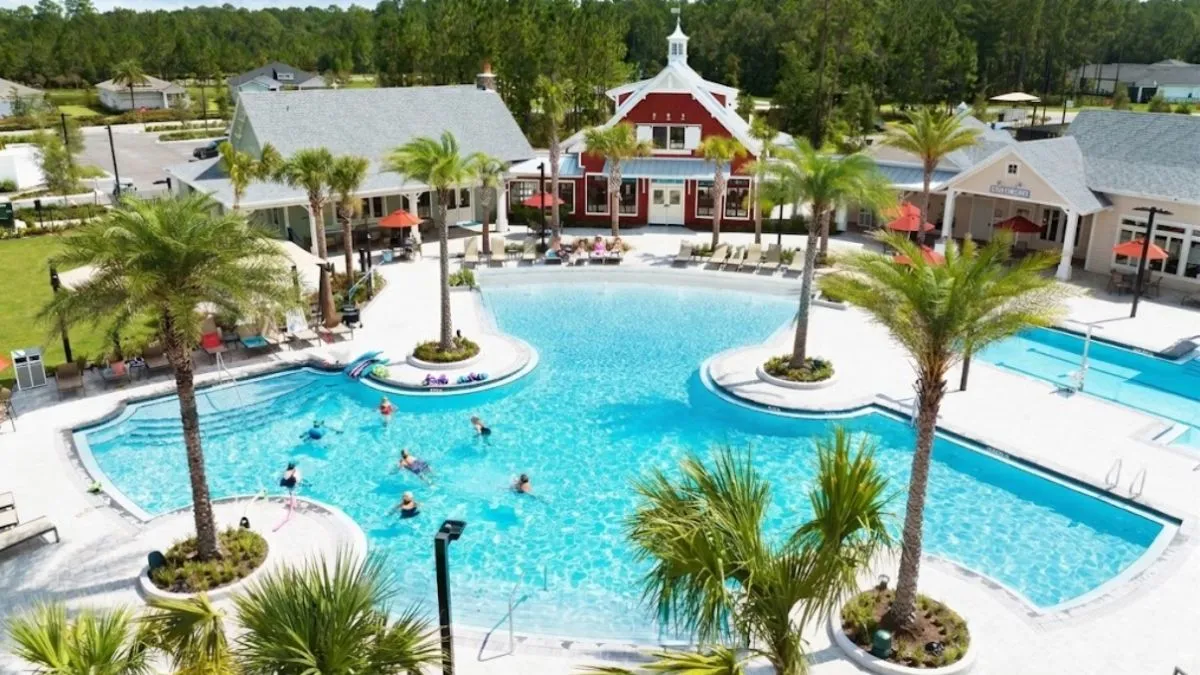
Dream Finders Homes, a prominent player in the U.S. homebuilding sector, has announced a significant strategic expansion of its Reverie active adult brand. The company will now incorporate non-age-restricted lifestyle communities under the Reverie umbrella, a move designed to capture a growing demand from empty nesters and other buyers seeking a resort-style living experience without the typical age limitations. This evolution of the Reverie brand signifies a broader industry trend toward catering to a more diverse demographic of active adults who prioritize lifestyle amenities and community connection.
David Smith, Vice President of Active Adult at Dream Finders Homes, clarified that the core offering of fully age-restricted active adult communities will remain a cornerstone of the Reverie brand. The newly introduced extension, dubbed Reverie Resort Lifestyle, is intended to broaden the brand’s appeal to a wider spectrum of potential buyers. This includes active empty nesters, often in their 50s and early 60s, who are eager to downsize and embrace a lifestyle-focused community but are not yet ready or interested in the constraints of age-restricted living.
This strategic pivot by Dream Finders Homes, currently ranked as the 12th largest homebuilder according to HousingWire’s Homebuilder Rankings and poised to enter the top 10 following its anticipated acquisition of Beazer Homes, aligns with observable shifts within the national housing market. The trend of offering non-age-restricted lifestyle communities is gaining traction among major homebuilders seeking to tap into the financial capacity and lifestyle aspirations of a burgeoning demographic.
Industry-Wide Trend Towards Flexible Lifestyle Communities
The expansion of Reverie into non-age-restricted markets is not an isolated development. Several other leading homebuilders have recognized and responded to this demand. In the previous year, PulteGroup, a well-established builder of active adult communities, launched its Del Webb Explore brand. This new offering complements the iconic Del Webb brand by targeting buyers between the ages of 45 and 60, providing a lifestyle-oriented experience without strict age mandates. Similarly, Taylor Morrison’s popular Esplanade brand has already established a dual approach, featuring both age-restricted and non-age-restricted communities. Lennar also employs a similar strategy with its Lifestyle brand, demonstrating a consensus among industry leaders about the market potential of flexible lifestyle communities.
The Reverie Resort Lifestyle initiative is strategically positioned to attract Generation X buyers, a demographic known for its continued activity, often still engaged in their careers, and generally disinclined towards traditional age-restricted environments. These buyers, however, frequently seek the amenities, sense of community, and social engagement characteristic of resort-style living. In an environment where homebuilder margins are facing pressure, the ability to attract and serve this resilient and financially capable buyer segment can significantly contribute to overall profitability.
The Genesis and Evolution of the Reverie Brand
The Reverie brand itself is relatively new, having been established in 2018 when David Smith joined Dream Finders Homes with the specific mandate to build out the company’s active adult division. At the time of its inception, Dream Finders had no prior experience or established presence in the 55-plus housing market. The brand name, "Reverie," was chosen to evoke a sense of pleasant, dream-like thoughts and aspirations, aligning with the builder’s broader marketing philosophy.
According to Smith, Dream Finders observed a discernible increase in the number of active, empty-nest buyers in their late 50s and early 60s. This demographic, while still working and not yet considering retirement, was expressing a strong desire to downsize their homes and relocate to communities that offered a resort-style living experience. This desire, however, was often unmet by the traditional, strictly age-restricted communities.
"The average age in our active adult communities is closer to 64, maybe even 65 years of age, which is indeed the fastest-growing segment of the market," Smith stated. "We are not ignoring that demographic. However, the lifestyle component of our offering has allowed us to broaden our reach and appeal to a slightly wider net of potential buyers." This strategic widening of the target demographic is a key driver behind the introduction of Reverie Resort Lifestyle.
Amenities Focused on Lifestyle, Connection, and Well-being
The Reverie Resort Lifestyle communities are designed to offer floor plans and amenities that closely mirror those found in traditional Reverie communities, emphasizing a comprehensive lifestyle experience. The overarching goal is to cultivate a "country-club feel" through thoughtfully curated amenities.
Typical amenities across Reverie communities include state-of-the-art fitness centers, resort-style swimming pools complete with cabanas and often featuring live music, and expansive outdoor social spaces designed for relaxation and gathering. In lieu of traditional full-service restaurants, many Reverie communities incorporate innovative food truck courts. These areas feature ample seating and utility hookups, enabling a rotation of food and beverage vendors to serve residents and their guests, particularly around the pool areas, enhancing the casual, resort-like atmosphere.
To further foster a strong sense of community and encourage resident interaction, clubhouses are actively programmed with a diverse array of classes, workshops, and social events. These community hubs also house amenities such as golf simulators, billiards rooms, versatile meeting spaces, and dedicated fitness studios. Unsurprisingly, pickleball courts have become a highly sought-after amenity, reflecting the growing popularity of the sport among active adults.
"The number one amenity, consistently across all our communities, is walking trails," Smith emphasized. "If a community offers extensive walking trails, access to nearby nature paths, and well-maintained sidewalks, that is a significant draw for residents." He further highlighted bike trails as another crucial amenity that appeals to the active lifestyle demographic.
This focus on outdoor recreation and connectivity to nature is a primary reason for the selection of Parker, Colorado, as the location for the first Reverie Resort Lifestyle community. The area boasts an extensive network of biking and hiking trails, making it an ideal setting for a community designed to embrace an active outdoor lifestyle. "We identified this as an ideal first location for us, particularly in a market where there is an underserved consumer segment," Smith explained. "We asked ourselves if this community necessarily needed to be age-restricted, and we concluded that it did not. This new offering might appeal more to the 50 to 60 demographic."
Dream Finders Homes typically strategically places its Reverie communities within larger master-planned developments. This approach offers a dual benefit: it allows active adult and lifestyle-oriented residents to remain connected to their families, including children and grandchildren, who may reside in other parts of the master-planned community, while still providing them with their own distinct, amenity-rich environment.
"If the market dictates that a community should be 55-plus age-restricted, we will certainly build age-restricted communities, as that is where the buyer pool is often deepest," Smith added. "However, sometimes a blend of both is appropriate, and that is precisely the flexibility that the Reverie Resort Lifestyle concept provides." This adaptive strategy allows Dream Finders to tailor its offerings to specific market demands and demographic preferences.
Tapping into a Resilient and Financially Secure Buyer Segment
Active adult buyers are widely recognized as one of the more resilient segments within the current housing market, which is characterized by elevated mortgage rates and prevailing affordability challenges. A significant portion of active adult buyers has accumulated substantial wealth and substantial home equity, enabling them to purchase properties with cash or make considerable down payments.
Generation X, comprising individuals born between 1965 and 1980, represents a key target demographic for the Reverie Resort Lifestyle brand. As of last year, this generation collectively owned an estimated $14.14 trillion in home equity, according to data compiled by LendingTree. Many members of this cohort purchased their initial homes when mortgage interest rates were significantly higher, often exceeding 10%. Consequently, current rates around 6.5% are perceived as less of a deterrent. Furthermore, these buyers are often at a life stage where they are disinclined to postpone their future plans, regardless of prevailing macroeconomic conditions.
"All segments of the market have been impacted in some way; it’s difficult to point to one that remained completely unaffected," Smith acknowledged. "However, I would assert that the active adult sector has demonstrated greater resilience compared to others." This resilience is a critical factor in Dream Finders’ strategic expansion into this market.
While Dream Finders Homes does not publicly disclose specific financial results for its Reverie brand, anecdotal evidence and disclosures from other publicly traded homebuilders suggest that active adult and lifestyle-focused communities often yield stronger profit margins. This is attributed to the fact that these buyers typically require fewer purchase incentives and are more financially stable.
For instance, during an earnings call in February, Taylor Morrison CEO Sheryl Palmer highlighted that the company’s Esplanade brand "drives superior home prices and gross margins that consistently exceed the balance of our business." Although specific margin differentials were not disclosed, this statement underscores the profitability of the active adult and lifestyle segment.
Earlier this year, PulteGroup also announced on an earnings call its intention to reallocate a larger portion of its housing starts towards its Del Webb communities. Historically, Del Webb accounted for approximately 20% of PulteGroup’s closings; however, the company now anticipates this share to increase to 25%. This adjustment further reinforces the perceived strength and resilience of the active adult housing market. The strategic expansion of Dream Finders Homes with its Reverie Resort Lifestyle communities is a calculated move to capitalize on these market dynamics, offering a flexible and desirable lifestyle option for a growing demographic of discerning buyers.