Julia Chirkova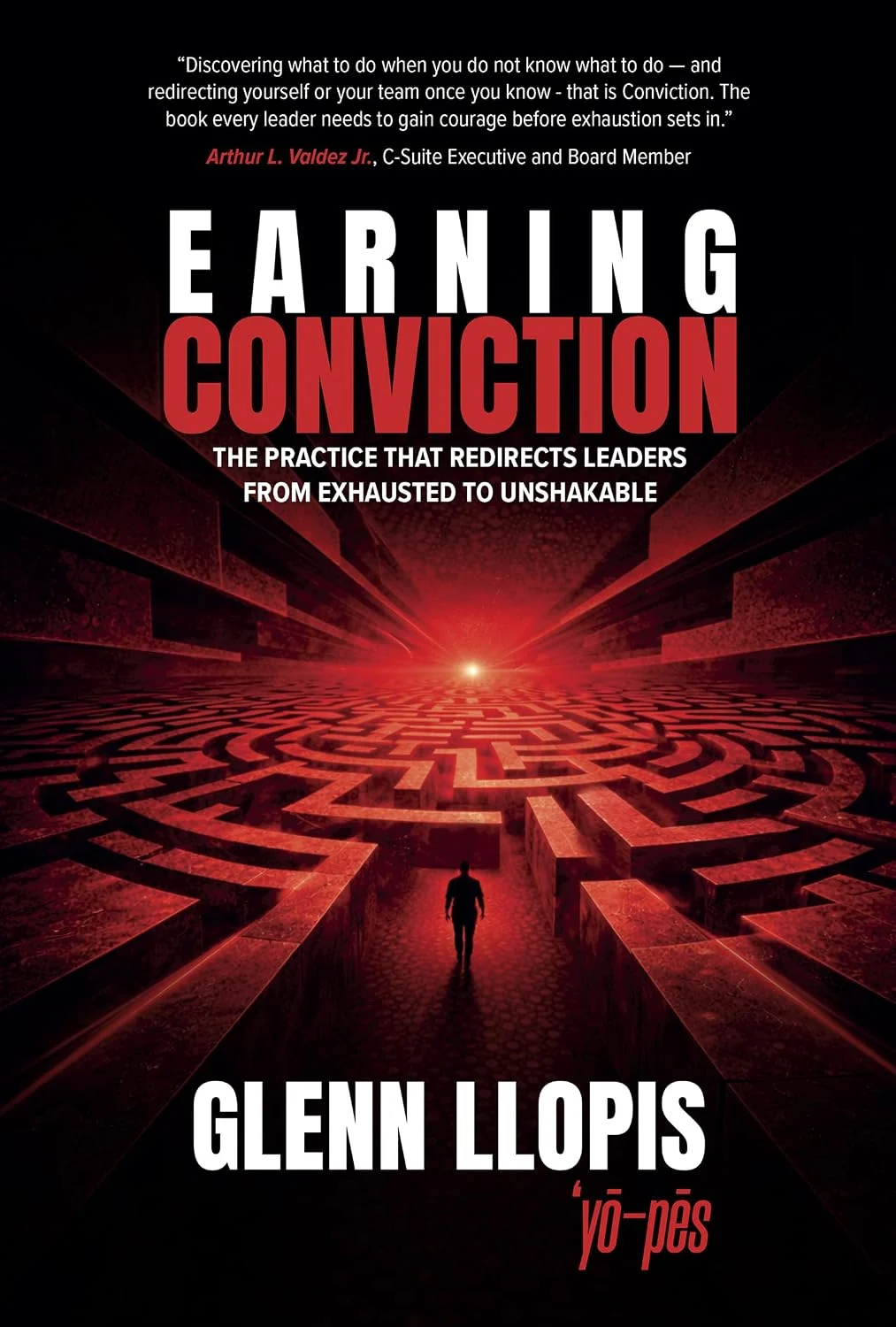
A pervasive, yet often unacknowledged, struggle is gripping the upper echelons of Corporate America. Despite possessing impeccable credentials, a history of achieving ambitious goals, and a resume adorned with prestigious titles and promotions, many highly capable leaders are experiencing a profound sense of depletion. This widespread phenomenon, however, is not simply a matter of overwork or standard burnout, according to prominent business strategist Glenn Llopis. Instead, he posits that the root cause lies in a deficit of genuine conviction.
Llopis, a seasoned consultant and author, argues that the modern leadership landscape has inadvertently cultivated an environment where outward displays of confidence often mask a deeper internal struggle. "Our most capable leaders burn out, not because they are working too hard, but because they are pretending too much," Llopis stated in a recent interview. "We have built a generation of leaders who perform confidence they do not feel and fight to sustain change against systems designed to prevent it. And then we wonder why our most capable people are the most burned out and unprepared to reinvent themselves."
This internal conflict, Llopis has identified and named, is the "conviction crisis." In a corporate culture that often venerates confidence as a primary leadership trait, he asserts that true conviction has become an increasingly rare and endangered quality. His latest book, "Earning Conviction: The Practice That Redirects Leaders from Exhausted to Unshakable," aims to provide a comprehensive roadmap for leaders seeking to reclaim their purpose and resilience. The book details 101 specific "redirects"—practical strategies and actionable steps—developed from Llopis’s extensive work with some of the world’s most accomplished yet quietly struggling executives.
The distinction Llopis draws is critical: "Capability is not conviction," he emphasizes. "Competence is what you perform; conviction is the earned capability to sustain who you are when every force pulls you back—and you cannot fake it or demand it." This highlights a fundamental difference between surface-level proficiency and a deeply ingrained sense of purpose that fuels perseverance.
The significance of Llopis’s thesis has resonated with industry leaders. Jeff Blue, the renowned A&R executive producer credited with discovering and guiding Linkin Park to multi-platinum success with their debut album "Hybrid Theory," has contributed the foreword to "Earning Conviction." Blue’s endorsement underscores the book’s central theme: "One force separates legends from the forgotten. It’s a force you can’t fake, manufacture or buy. It’s primal, passionate and contagious. That force is conviction. Glenn Llopis has done something I didn’t think was possible: he’s written the framework to find it, build it and lead from it."
The Roots of the Conviction Crisis
Llopis traces the origins of the conviction crisis to several interconnected factors within contemporary corporate structures and leadership development philosophies. For decades, organizations have prioritized measurable outcomes, quantifiable achievements, and the projection of unwavering certainty. This has led to an overemphasis on what he terms "performed confidence"—the ability to appear assured and decisive, regardless of internal doubt or uncertainty.
This emphasis, Llopis argues, creates a paradox. Leaders are rewarded for projecting an image of strength and control, even when they are navigating complex challenges, facing systemic resistance to change, or grappling with personal doubts about their direction. The constant effort required to maintain this facade, coupled with the genuine demands of leadership, leads to a profound exhaustion that goes beyond mere physical or mental fatigue. It is an exhaustion born from inauthenticity.
The pressure to conform to these perceived leadership norms begins early in career development. Aspiring leaders are often advised to "act the part," to project an image of success and self-assurance. While this can be a useful tool for navigating initial hurdles, Llopis contends that it can inadvertently discourage the development of genuine conviction, which is often forged through vulnerability, self-reflection, and the courage to admit uncertainty.
The Impact on Organizations and Individuals
The implications of this conviction crisis are far-reaching. For individuals, it can manifest as chronic stress, disengagement, a loss of passion for their work, and an increased susceptibility to burnout. Leaders who are not operating from a place of deep conviction may struggle to inspire their teams, foster genuine innovation, or navigate periods of significant organizational change. Their decisions may become more reactive than proactive, driven by a need to maintain appearances rather than by a clear, internally validated vision.
Organizations, in turn, may experience a decline in employee morale, a stagnation of innovative thinking, and a loss of top talent who are seeking more authentic and purpose-driven leadership. The ability of a company to adapt and thrive in an ever-evolving market is heavily dependent on the conviction of its leadership. When that conviction is eroded, the entire organization can become vulnerable.
"Earning Conviction": A Practical Framework
"Earning Conviction" offers a structured approach to address this pervasive issue. Llopis’s methodology is not about finding quick fixes or superficial motivational techniques. Instead, it focuses on cultivating a deep, sustainable form of leadership resilience. The book’s 101 redirects are designed to guide leaders through a process of self-discovery and intentional practice. These redirects encompass areas such as:
- Self-Awareness and Authenticity: Encouraging leaders to confront their internal narratives, identify the sources of their doubts, and align their actions with their core values.
- Navigating Resistance: Providing strategies for effectively managing internal and external resistance to change without compromising one’s core beliefs or vision.
- Building Internal Resilience: Developing practices that foster a robust inner core, enabling leaders to withstand external pressures and setbacks.
- The Art of "Un-Pretending": Guiding leaders to shed the performative aspects of leadership and embrace a more genuine and transparent approach.
- Sustaining Purpose: Cultivating a clear understanding of one’s purpose and its role in driving long-term commitment and motivation.
A key element of the book’s accompanying resources is a self-assessment tool available at theglennllopis.com/ec-assessment. This assessment allows readers to gauge their current level of conviction and track their progress over time as they implement the book’s strategies. This iterative process is crucial for the sustained development of earned conviction.
The Earned Nature of Conviction
Llopis repeatedly stresses that conviction is not an innate trait that some possess and others lack. It is an attribute that is actively cultivated and earned. "Conviction is earned," he explains. "Through self-awareness, through the choices you make when no one is watching, through the willingness to keep becoming rather than just maintaining. Through the redirects in this book, you’ll learn how to earn it, and you’ll see what changes in your leadership, your teams and your life when you do."
This earned quality implies a process of deliberate action and commitment. It involves making difficult choices, facing uncomfortable truths, and consistently acting in alignment with one’s deepest beliefs, even when it is challenging or unpopular. This is the antithesis of the "pretending" that Llopis identifies as a primary driver of leader exhaustion.
Broader Implications and Future Outlook
The principles outlined in "Earning Conviction" hold significant implications for leadership development programs, organizational culture, and the future of corporate governance. As businesses increasingly recognize the importance of employee well-being, psychological safety, and authentic leadership, Llopis’s framework offers a timely and practical solution.
The book’s publisher, GLLG Press, has announced a release date of July 7, 2026, with ISBN-13: 979-8317841904. It will be available through major retailers, including Amazon. The proactive approach of offering a companion assessment further enhances the book’s practical value, providing readers with a tangible tool to engage with the material and measure their growth.
In an era marked by rapid technological advancement, economic volatility, and evolving societal expectations, the need for leaders who are not only capable but also deeply convicted is paramount. "Earning Conviction" provides a much-needed guide for those who have reached a point of professional weariness, despite achieving conventional markers of success, and who are ready to transition from merely performing leadership to embodying it with unwavering authenticity and resilience. The book serves as a testament to the idea that true leadership strength is not about projecting an unshakeable image, but about cultivating an unshakable inner core.