Candice Horbacz
In a pivotal address in October 2025, European Commission President Ursula von der Leyen declared that Europe must adopt a "new mindset" to strategically wield its "geoeconomic weight" in pursuit of its own interests. The statement, delivered against a backdrop of intensifying global economic pressures, underscored a fundamental re-evaluation of the European Union’s approach to international relations, signaling a definitive shift from an era of perceived economic naivete to one of assertive strategic autonomy. "Before we can project strength abroad, we must renew at home," von der Leyen emphasized, articulating a philosophy that links internal resilience directly to external influence. This declaration frames the power-plays by major global actors, explicitly citing China and Russia, and implicitly referencing the United States, as irrefutable proof of a new "era of geoeconomics" demanding a robust and unified European response.
The Shifting Global Economic Landscape: A Chronology of Challenges
The pronouncement by President von der Leyen was not an isolated event but the culmination of years of escalating geoeconomic challenges that have reshaped global trade, investment, and diplomacy. For decades following the end of the Cold War, the prevailing European foreign policy ethos was largely predicated on the belief that economic interdependence fostered peace and mutual prosperity. This era saw the EU championing multilateralism, open markets, and rules-based international trade. However, the early 21st century began to reveal the vulnerabilities inherent in this approach, particularly as state and non-state actors increasingly weaponized economic tools to achieve geopolitical ends.
The first significant tremors emerged in the 2010s, with China’s accelerating economic ascent and its ambitious Belt and Road Initiative (BRI). While ostensibly focused on infrastructure development, the BRI raised concerns in Europe and beyond about debt diplomacy, opaque lending practices, and the strategic acquisition of critical infrastructure in partner countries. Simultaneously, Russia’s consistent use of energy supplies as a geopolitical lever, particularly against its European neighbors, provided stark lessons in the risks of over-reliance on a single supplier for vital resources. The periodic gas disputes with Ukraine and the political controversies surrounding projects like Nord Stream 2 highlighted Europe’s energy dependency as a significant strategic vulnerability.
Adding to these challenges, the United States, a traditional ally, began to exhibit more protectionist tendencies under various administrations. Policies such as the imposition of tariffs on steel and aluminum, and later, the domestic content requirements embedded in initiatives like the Inflation Reduction Act (IRA), demonstrated that economic coercion was not exclusive to adversaries but could also emanate from partners, albeit with different motivations. These actions, while often framed domestically as safeguarding national interests, created friction and underscored the need for Europe to develop its own capacity for economic self-reliance.
Catalysts for Change: A Rapid Succession of Crises
The early 2020s proved to be a crucible for Europe’s geoeconomic awakening. The COVID-19 pandemic, beginning in late 2019, exposed the fragility of global supply chains and Europe’s profound dependency on external sources for critical goods, from personal protective equipment (PPE) to semiconductors. Factories ground to a halt, essential medical supplies became scarce, and the intricate web of global commerce frayed, leading to unprecedented economic disruptions. Data from the World Trade Organization and Eurostat during this period clearly illustrated the severe impact of these disruptions, prompting urgent calls for reshoring, nearshoring, and diversification of supply routes for strategic goods.
Just as the world grappled with pandemic recovery, Russia’s full-scale invasion of Ukraine in February 2022 delivered a shockwave that fundamentally reshaped Europe’s security and economic calculus. The EU responded with unprecedented sanctions against Russia, effectively weaponizing its economic might. However, this response also came at a considerable cost, particularly in the energy sector. Prior to the invasion, the EU imported approximately 40% of its gas from Russia. The rapid pivot away from Russian energy, while necessary, triggered an acute energy crisis, record inflation, and a significant cost-of-living squeeze across member states. The experience underscored the existential threat posed by economic dependencies and galvanized the EU’s resolve to achieve energy independence and strategic autonomy. The European Commission reported that by late 2023, EU imports of Russian gas had fallen by over 80% compared to pre-war levels, a testament to the rapid, albeit costly, diversification efforts.
Beyond the immediate crisis, China’s increasingly assertive economic statecraft continued to provide concrete examples of coercion. The trade dispute with Lithuania in 2021, following Vilnius’s decision to allow Taiwan to open a representative office under its own name, saw China impose informal trade blockades and restrict imports from the Baltic state. Similarly, Australia faced significant trade restrictions from China over various political disagreements. These incidents served as stark warnings to EU member states about the potential consequences of diverging from Beijing’s political lines, reinforcing the need for a collective European defense mechanism against such tactics.
Defining "Geoeconomic Weight" and the "New Mindset"
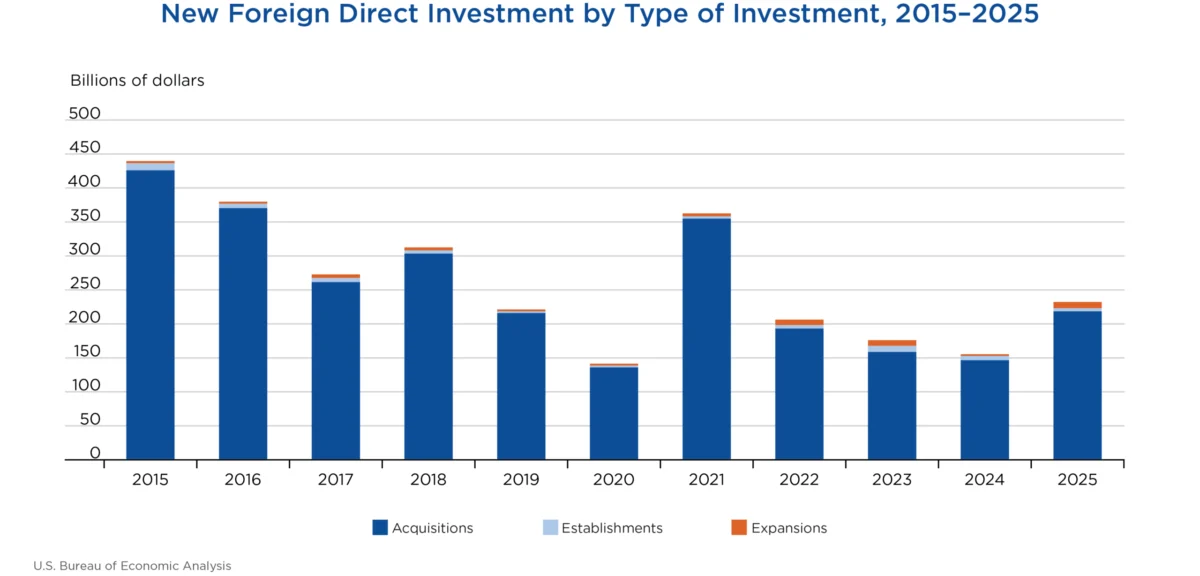
President von der Leyen’s call for a "new mindset" and the strategic use of Europe’s "geoeconomic weight" represents a maturation of the EU’s understanding of its own power and vulnerabilities. The European Union, with a combined GDP exceeding €17 trillion and representing one of the world’s largest trading blocs, is an economic titan. It is the world’s largest single market, a global leader in trade standards, and a significant source of foreign direct investment. This immense economic footprint, however, has not always translated into commensurate geopolitical influence. The "new mindset" seeks to bridge this gap.
At its core, this new approach means moving beyond a "naïve" embrace of free trade, recognizing that economic interactions are increasingly intertwined with security and strategic competition. It champions strategic autonomy and resilience, aiming to reduce critical dependencies while maintaining an open economy. This involves developing a robust toolbox of both defensive and offensive instruments.
Defensive Tools focus on protecting Europe from external economic threats. Key among these is the Anti-Coercion Instrument (ACI), which the EU adopted in early 2024. This legislative framework empowers the EU to respond to third-country economic coercion with countermeasures such as tariffs, import/export restrictions, and limits on market access or foreign direct investment. Other critical defensive measures include:
- Foreign Direct Investment (FDI) Screening Mechanisms: These allow member states to scrutinize and potentially block foreign investments in critical sectors like infrastructure, technology, and defense, ensuring that such investments do not undermine national or EU security.
- Export Controls on Critical Technologies: Strengthening regulations to prevent sensitive dual-use technologies from falling into the hands of potentially hostile actors.
- Diversification of Supply Chains: Proactive policies and financial incentives to reduce reliance on single suppliers or geographic regions for critical raw materials, components, and goods. The Critical Raw Materials Act, enacted in 2024, is a prime example, setting ambitious targets for domestic extraction, processing, and recycling of materials vital for the green and digital transitions.
Offensive Tools, conversely, leverage Europe’s economic power to advance its interests and promote its values. These include:
- Leveraging Market Access: Using the immense attractiveness of the EU single market as a bargaining chip in trade negotiations and in setting global standards.
- Strategic Use of Trade Agreements: Integrating higher social, environmental, and governance standards into trade deals, effectively exporting EU norms and promoting sustainable development globally.
- Investment in Partner Countries: Deploying significant investment through initiatives like the Global Gateway, a €300 billion strategy to boost sustainable links worldwide, offering an alternative to debt-trap diplomacy and fostering mutually beneficial partnerships.
- The Green Deal as a Geoeconomic Lever: Europe’s ambitious climate agenda, the European Green Deal, is not just an environmental policy but also a powerful geoeconomic tool. By setting high environmental standards and pioneering green technologies, the EU aims to shape global markets and drive the worldwide transition to a sustainable economy, creating first-mover advantages for its industries.
Implications for International Tax Policy
The shift towards a geoeconomic mindset also has profound implications for international tax policy, a domain hinted at by the original source. The EU, through its leadership in global forums like the OECD, has been a driving force behind initiatives aimed at creating a fairer and more stable international tax system. This aligns perfectly with the "new mindset" by ensuring that multinational corporations pay their fair share, preventing profit shifting, and strengthening the tax base of member states – all critical for "renewing at home."
- Global Minimum Tax (Pillar Two): The EU has been a staunch advocate for and an early adopter of the OECD’s Pillar Two initiative, which aims to ensure that multinational enterprises pay a minimum effective tax rate of 15% on their profits, regardless of where they are headquartered. This measure combats harmful tax competition and ensures that the economic benefits generated within the EU contribute to its public finances, thereby bolstering domestic resilience.
- Carbon Border Adjustment Mechanism (CBAM): Fully implemented from 2026, CBAM is a landmark example of a geoeconomic tax policy. It places a carbon price on certain imports from non-EU countries that have less stringent climate policies. This serves a dual purpose: it levels the playing field for European industries, which bear the costs of EU climate policies, and it incentivizes global decarbonization by encouraging third countries to adopt more ambitious climate action. It is a powerful tool to prevent "carbon leakage" and uphold the EU’s environmental leadership.
- Taxing the Digital Economy: The EU has been at the forefront of efforts to address the challenges of taxing highly digitalized businesses, many of which operate across borders with minimal physical presence. While global consensus on a unified approach (Pillar One) remains elusive, the EU’s pursuit of digital services taxes or other mechanisms reflects a determination to ensure fair taxation from tech giants, reclaiming sovereign tax rights and contributing to domestic revenue streams.
- Fighting Illicit Financial Flows: Strengthening anti-money laundering regulations, enhancing tax transparency, and cracking down on tax evasion are crucial elements of financial security. By ensuring the integrity of its financial system, Europe strengthens its economic foundations and reduces avenues for illicit activities that can undermine state capacity and resilience.
Reactions and Challenges Ahead
President von der Leyen’s declaration is expected to garner broad support from EU member states, many of whom have individually experienced the pinch of economic coercion and recognize the urgent need for a unified European response. Countries more exposed to Chinese economic pressure or those historically reliant on Russian energy will particularly welcome the emphasis on resilience and diversification. However, the implementation of this "new mindset" will not be without its challenges. Divergent national interests may arise, particularly for member states with deep economic ties to countries that might be targeted by EU geoeconomic tools. Maintaining unity and ensuring effective, coordinated implementation across 27 diverse nations will be paramount.
Internationally, the reactions are predictable. China and Russia are likely to criticize the EU’s stance as protectionist and an attempt to contain their economic influence. The United States, while sharing some concerns about Chinese economic practices, may have a mixed reaction. There could be areas of cooperation on issues such as critical supply chain resilience or countering malign state influence. Yet, friction may persist over specific policies, particularly where EU measures, such as CBAM, could impact US exports or where the EU’s strategic autonomy goals diverge from American interests. Developing countries might view the EU’s new approach with a mix of opportunity for strategic partnerships (e.g., through Global Gateway) and concern over potential trade barriers or conditionality.
The overarching challenge for the EU will be to navigate this complex landscape, implementing its geoeconomic strategy without succumbing to outright protectionism or undermining the multilateral trading system it has historically championed. The balance between safeguarding security and maintaining an open, rules-based economy will be a delicate one.
Domestic Renewal: The Foundation of Strength
Crucially, von der Leyen’s emphasis on "renewing at home" serves as the bedrock for projecting strength abroad. This involves significant domestic investment in research and development, particularly in cutting-edge technologies like AI, quantum computing, and advanced manufacturing, to ensure Europe remains at the forefront of innovation. Strengthening digital infrastructure, accelerating the transition to renewable energy, and investing in skills development are vital for enhancing internal resilience and competitiveness. Furthermore, reinforcing the integrity and efficiency of the single market, the EU’s greatest economic asset, and addressing social inequalities will be critical to maintaining internal cohesion and public support for these ambitious strategic shifts. The green and digital transitions are thus not merely environmental or technological imperatives but also twin engines of geoeconomic resilience and global competitiveness.
Conclusion: A New Chapter for Europe
President Ursula von der Leyen’s October 2025 speech marks a definitive turning point for Europe. It signals a departure from a purely economically liberal worldview towards a more pragmatic, security-conscious approach to global economics. The "new mindset" acknowledges that economic power is inherently intertwined with geopolitical influence and that in an increasingly fragmented and competitive world, Europe must be prepared to strategically deploy its "geoeconomic weight" to protect its interests and uphold its values. This shift is not merely about defense but also about actively shaping the global economic order. As Europe embarks on this new chapter, the ongoing adaptation required to effectively implement this strategy will define its role and influence in the evolving international landscape for decades to come. The long-term vision is clear: a more resilient, assertive, and influential Europe capable of navigating the complexities of the 21st century.