admin
admin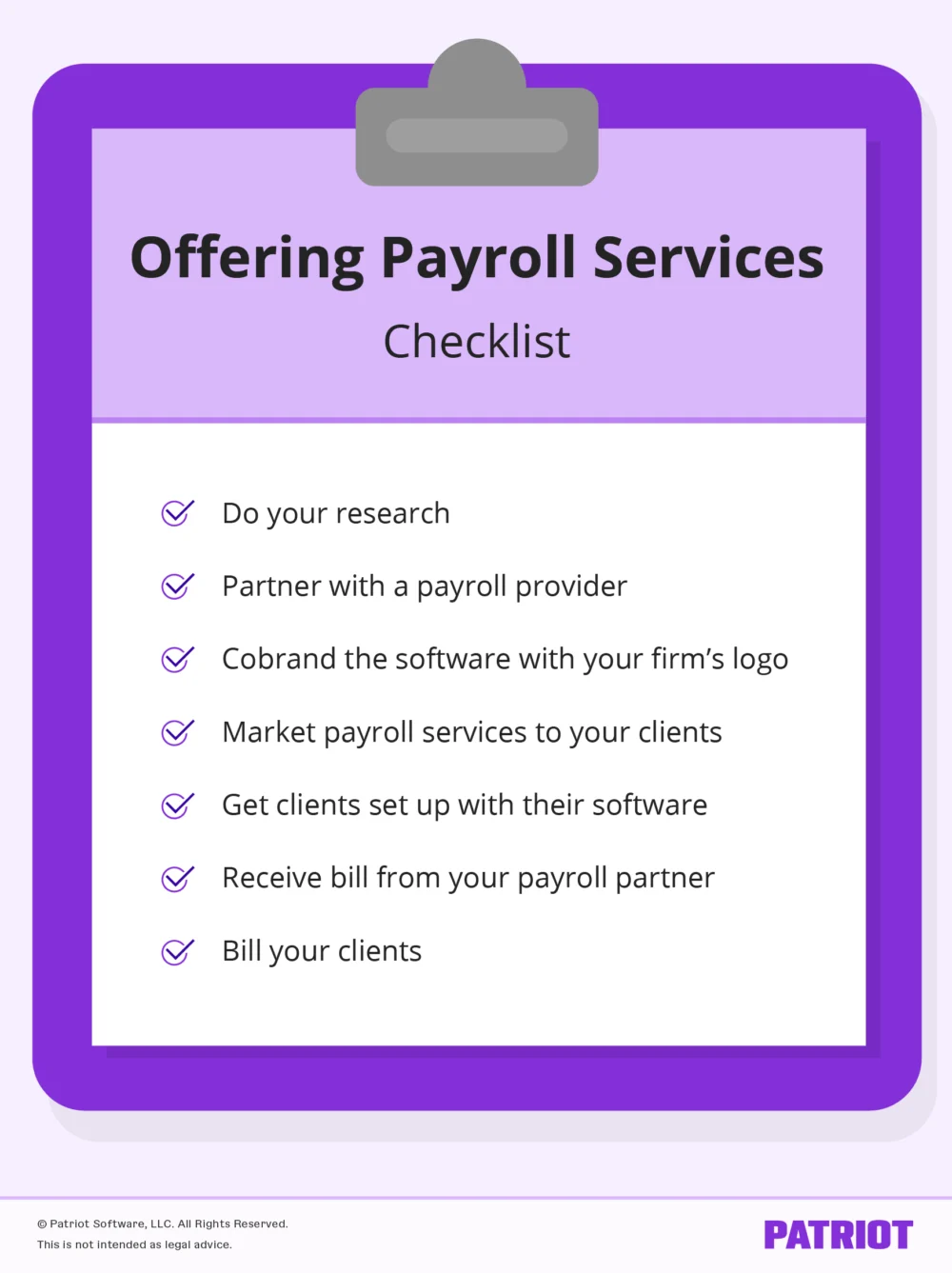
The modern accounting landscape is undergoing a significant transformation, driven by technological advancements and evolving client expectations. What was once primarily a seasonal business focused on tax preparation and reactive bookkeeping has shifted towards a proactive, advisory model. At the forefront of this evolution is the strategic integration of payroll services, an offering increasingly demanded by small and medium-sized businesses (SMBs) seeking comprehensive financial solutions from their trusted advisors. This expansion not only addresses a critical operational need for businesses but also unlocks substantial new revenue streams and strengthens client relationships for accounting firms.
The Evolving Role of Accounting Firms: From Bookkeepers to Business Partners
Historically, accounting firms have played a vital, albeit often transactional, role in the business ecosystem. Their expertise was largely confined to ensuring compliance, preparing financial statements, and navigating tax codes. However, the advent of cloud computing and sophisticated software solutions has fundamentally altered this paradigm. Clients, particularly SMBs grappling with complex regulatory environments and the demands of digital commerce, are now looking for more than just number-crunching; they seek strategic partners who can provide integrated financial management, insightful analysis, and proactive guidance.
This shift has given rise to the Client Accounting and Advisory Services (CAAS) model, where firms move beyond basic compliance to offer a broader spectrum of value-added services. Payroll management, a perennial pain point for many business owners, naturally fits into this expanded service portfolio. Surveys consistently indicate that a significant percentage of SMBs, often exceeding 40-50%, find managing payroll to be a time-consuming and challenging task, fraught with potential for errors and compliance risks. This represents a clear market opportunity for accounting firms already deeply embedded in their clients’ financial operations, positioning them to become even more indispensable.
The Compelling Advantages of Integrating Payroll Services
For accounting firms, the decision to offer payroll services is not merely about adding another line item to a service menu; it is a strategic move that yields multiple profound benefits.
1. A Robust New Revenue Stream with Scalability
One of the most immediate and tangible advantages is the creation of a recurring, predictable revenue stream. Unlike project-based work or annual tax filings, payroll processing is a continuous, often bi-weekly or monthly, service. This recurring nature provides financial stability and allows for more accurate revenue forecasting. Thanks to modern cloud-based payroll systems, this expansion can be achieved with surprisingly minimal effort and overhead.
Firms can leverage specialized payroll software designed for accountants, which automates complex calculations, tax filings, and compliance updates. This automation frees up valuable staff time, allowing firms to handle a larger volume of payroll clients without a proportional increase in personnel costs. Industry benchmarks suggest that firms can achieve healthy profit margins on payroll services, often ranging from 30% to 60%, depending on their pricing strategy and the efficiency of their chosen payroll partner. For instance, if a firm partners with a provider that bills them $20 per payroll run plus $4 per employee, and the firm charges clients $80 per run plus $6 per employee, a client with 10 employees could yield an $80 margin per run [($80-$20) + 10x($6-$4)]. Over 26 bi-weekly runs, this translates to a substantial $2,080 annual margin per client, before considering add-on services like time tracking or workers’ compensation. Furthermore, many payroll software providers offer special discounted pricing, referral bonuses, or even free software access to accounting firms, further enhancing profitability.
2. Deepening Client Relationships and Becoming Indispensable
Clients already view their accountants as trusted advisors for critical financial matters. By extending services to include payroll, firms solidify this relationship, becoming an even more central and indispensable part of their clients’ operations. Business owners often struggle with the intricacies of payroll taxes, compliance with federal, state, and local labor laws, and the timely management of employee benefits. Offering a streamlined solution for these challenges directly addresses a significant pain point, reinforcing the firm’s value proposition.
This comprehensive approach fosters "client stickiness." When an accounting firm manages not only a client’s books and taxes but also their payroll, the client becomes deeply integrated into the firm’s ecosystem. The logistical complexities and potential disruption of switching multiple service providers deter clients from moving, thus improving client retention rates. This integrated service offering also positions the firm as a single point of contact for a broad range of financial and HR-related queries, simplifying management for the client.
3. Strategic Client Acquisition and Upselling Opportunities
Payroll services can serve as an excellent "foot-in-the-door" strategy for attracting new clients. Every employer needs to run payroll, making it a universal entry point into a business relationship. Firms can market competitive payroll solutions to prospective clients, establish an initial rapport, and then gradually introduce and upsell other high-value services such as tax planning, bookkeeping, financial forecasting, and even human resources advisory.
For example, a new client initially engaging a firm for payroll might soon realize the benefits of having the same firm handle their general ledger integration, year-end tax preparation, or even advanced advisory on cash flow management, which becomes significantly easier with integrated payroll data. This cross-selling potential transforms a single service offering into a comprehensive client engagement strategy, driving overall firm growth and maximizing client lifetime value.

The Technological Backbone: Cloud-Based Payroll Systems
The feasibility and profitability of offering payroll services largely hinge on leveraging advanced cloud-based payroll software. These platforms provide the automation, accuracy, and integration capabilities essential for modern payroll management.
Key Features of Modern Payroll Software for Accountants:
- Automated Calculations: Gross-to-net calculations, tax withholdings (federal, state, local), deductions for benefits, garnishments, and retirement contributions are automated, drastically reducing manual errors and saving time.
- Tax Filing and Remittance: Full-service payroll solutions automatically calculate, file, and remit payroll taxes to the appropriate authorities, ensuring timely compliance and mitigating penalties. They handle forms like 941s, 940s, state unemployment, and year-end W-2s and 1099s.
- Direct Deposit and Payment Flexibility: Secure direct deposit options are standard, along with capabilities for printing checks or offering pay cards, accommodating diverse employee preferences.
- Employee Self-Service Portals: Employees can access their pay stubs, W-2s, and update personal information independently, reducing administrative burden on both the firm and the client.
- Seamless Integrations: Critical integrations with general ledger software (e.g., QuickBooks, Xero), time tracking systems, HR platforms, and benefits providers ensure a unified flow of financial data and eliminate duplicate data entry.
- Robust Reporting and Analytics: Customizable reports provide insights into payroll costs, tax liabilities, and employee data, supporting strategic business decisions and compliance audits.
- Security and Compliance: State-of-the-art data encryption, multi-factor authentication, and regular security audits protect sensitive payroll information. Providers continuously update their systems to comply with evolving federal, state, and local labor and tax laws, safeguarding clients from penalties.
- White-Labeling/Co-Branding: Many platforms allow accounting firms to present the payroll service under their own brand, maintaining a consistent client experience and reinforcing the firm’s identity while the provider handles the backend technology. This is crucial for firms aiming for a cohesive Client Accounting and Advisory Services (CAAS) offering.
Selecting the Right Payroll Provider Partner: A Critical Decision
The success of integrating payroll services heavily depends on choosing the right payroll software partner. This decision requires careful evaluation beyond just features and cost.
1. Unwavering Reliability and Support
The provider’s reliability is paramount. Any errors or downtime can directly impact a client’s employees and reflect poorly on the accounting firm. Firms must investigate:
- Accuracy Guarantees: Does the provider offer guarantees against tax filing errors and penalties? Who bears the cost if an error occurs?
- System Uptime: What is the historical uptime record of the platform? A reputable provider should offer high availability, ideally 99.9% or higher.
- Customer Support: Is there dedicated support for accounting partners? What are the average response times? How comprehensive is the support (phone, chat, email)? Testimonials from both business owners and other accounting partners can offer valuable insights into the provider’s consistency and responsiveness.
2. Comprehensive Feature Set and Scalability
The chosen software must meet the diverse needs of the firm’s client base, from small startups to growing businesses with complex payroll requirements. Key features to prioritize include:
- Multi-State and Local Tax Handling: Essential for clients with employees in different jurisdictions, ensuring accurate tax calculations and filings across all relevant entities.
- Garnishments and Deductions: Ability to handle various wage garnishments, 401(k) contributions, health insurance deductions, and other pre/post-tax items with precision.
- Time & Attendance Integration: Seamless connection with time tracking systems to simplify hourly payroll processing and reduce manual data entry errors.
- HR Functionality: Basic HR features like onboarding, PTO tracking, and employee document management can be valuable add-ons, further consolidating services for clients.
- Customization: The ability to generate custom reports and adapt to specific client needs, providing tailored insights.
- Scalability: The platform should effortlessly accommodate client growth, from a handful of employees to several hundred, without requiring a switch to a new system, ensuring long-term partnership viability.
3. Transparent Cost Structure and Partnership Benefits
Understanding the cost model is crucial for maintaining profitability. Firms should inquire about:
- Partner Pricing: Are there special discounted rates for accounting firms? How does pricing scale with the number of clients or employees managed?
- Hidden Fees: Be vigilant about setup fees, implementation costs, or charges for specific features that could erode margins.
- Incentives: Some providers offer bonuses, rewards, or marketing support for their accounting partners, which can add significant value.
- Billing Models: Whether the provider bills the firm (allowing the firm to mark up and bill the client, offering greater control over pricing and client relationship) or directly bills the client, which affects the firm’s revenue recognition and client relationship.
Marketing and Implementation Strategies for Accounting Firms
Once a firm has selected a payroll partner, a structured approach to marketing and implementation is vital for success.
1. Branding as a Holistic Advisor
Firms must actively brand themselves not just as accountants, but as holistic business advisors. This involves:
- Proactive Communication: Regularly engaging with clients, understanding their evolving challenges, and offering solutions before they even ask. This positions the firm as a proactive partner.
- Transparency and Trust: Maintaining open and honest communication about services, pricing, and potential challenges builds stronger, more enduring client relationships.
- Guidance and Expertise: Positioning the firm as an authority on a wide range of business issues, including labor laws, compensation strategies, and benefits administration, reinforces its advisory role.
- Marketing Collateral: Updating websites, brochures, social media presence, and email signatures to clearly communicate the expanded advisory role and payroll offerings ensures consistent messaging.
2. Asking the Right Questions to Uncover Needs
Engaging clients and prospects with thoughtful questions can reveal their pain points and create opportunities to introduce payroll services:
- "How are you currently managing payroll, and what challenges do you face with it?"
- "Are you confident you’re compliant with all federal, state, and local payroll tax