Nila Kartika Wati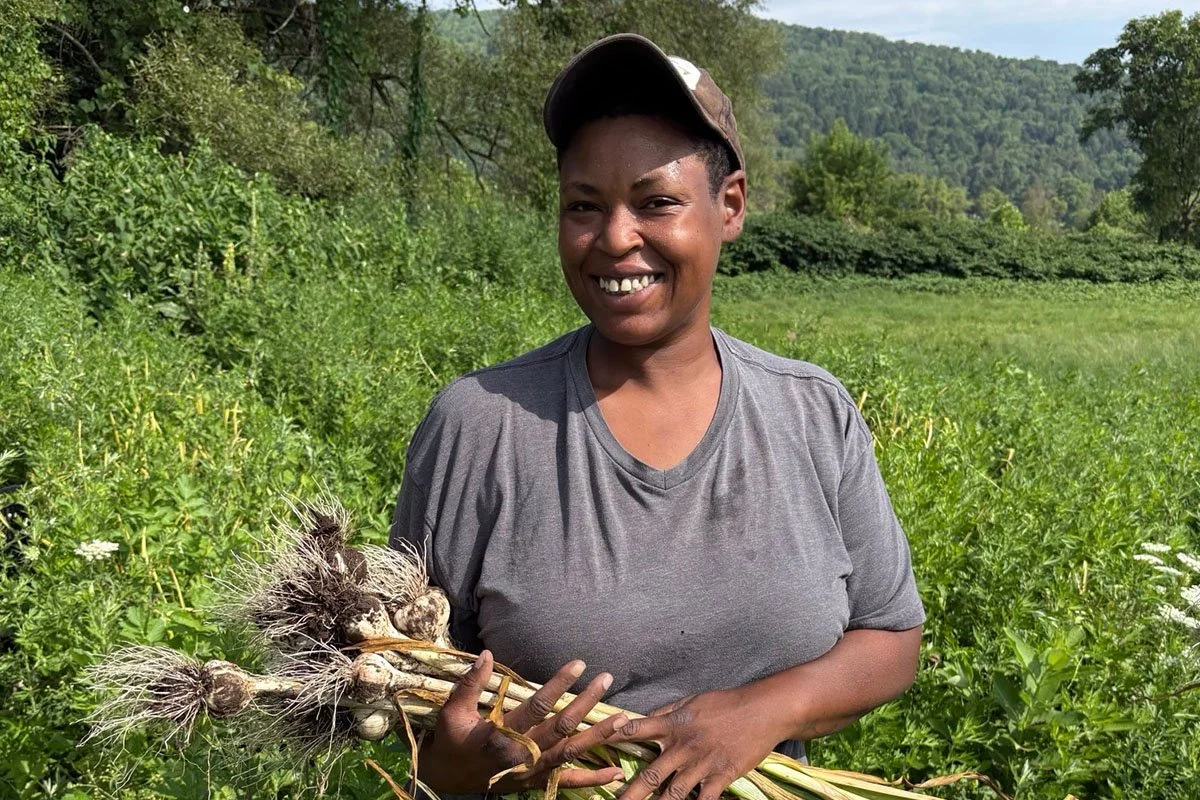
The landscape of American agriculture is undergoing a profound transformation as grassroots collectives and small-scale farmers challenge traditional industrial models in favor of community-centered stewardship. At the heart of this movement is a push for legislative recognition that reflects the diversity of modern food production, moving beyond large-scale commodity crops to include urban gardens, rural cooperatives, and marginalized producers. As the United States navigates a period of significant policy shifts—marked by the expiration of the 2018 Farm Bill and subsequent administrative changes—the future of food security and land equity hangs in a delicate balance. The "Voices from the Land" initiative, a collaboration between Farm School NYC and the New Harvest Project, highlights these tensions through the lens of practitioners like Kadeesha “Kitty” Williams and the Iridescent Earth Collective (IEC). Their work underscores a critical disconnect between federal agricultural priorities and the reality of local food systems that sustain communities during times of crisis.
The Legislative Crisis: The Farm Bill and Federal Retrenchment
The Farm Bill remains the most significant piece of legislation governing the American food system, dictating investments in everything from crop insurance and nutrition assistance to conservation and rural development. Historically renewed every five years, the bill is intended to provide a safety net for producers and ensure a stable food supply. However, the recent legislative cycle has been fraught with delays and significant funding redirections. The 2018 Farm Bill expired in October 2023, leading to a period of extensions and uncertainty that has left many small-scale and beginning farmers in a precarious position.
By early 2025, the agricultural sector faced a series of abrupt policy reversals. In March 2025, the Trump Administration moved to cancel the American Climate Corps, a program designed to train the next generation of conservation and climate-resilient leaders. This was followed by substantial cuts to the U.S. Department of Agriculture (USDA) budget, which have significantly impacted the Environmental Quality Incentives Program (EQIP). EQIP has traditionally served as a cornerstone for farmers seeking to implement sustainable practices, providing cost-sharing for soil health improvements, water conservation, and biodiversity protection. The gutting of this program, alongside the cancellation of the $1 billion Local Food Purchase Assistance Cooperative Agreement Program (LFPA), has effectively severed vital links between small-scale producers and local institutions like schools and food pantries.
The administrative downsizing has also triggered a staffing crisis within the Farm Service Agency (FSA) and the Natural Resources Conservation Service (NRCS). These agencies are responsible for delivering federal aid and technical assistance to farmers on the ground. Staffing losses have resulted in a bottleneck of services, leaving farmers without the necessary support to navigate rising production costs and fluctuating crop prices. For small farms that lack the administrative capacity of large corporate operations, these federal cuts represent a systemic threat to their viability.
A Chronology of Community Resilience: From the Bronx to the Catskills
The journey of the Iridescent Earth Collective (IEC) illustrates the vital role that local food systems play in urban and rural environments alike. Kitty Williams’ entry into agriculture began in the Highbridge section of the Bronx at Taqwa Community Farm. This early exposure to urban agriculture established a foundation for a decade of work in food distribution and community gardening.
The onset of the COVID-19 pandemic in 2020 served as a catalyst for a more formalized approach to community stewardship. As the pandemic disrupted global supply chains, food insecurity in the Bronx surged, with local food lines tripling in length. In response, Williams and her partner, Jessica Tobon, working with the Bronx Green-Up program of the New York Botanical Garden, mobilized local residents to transform community gardens into productive hubs for food distribution. This experience solidified the concept of "farming for the commons"—a model where the primary goal is not profit maximization, but the health and resilience of the community.
In 2021, this vision evolved into the Iridescent Earth Collective. Seeking to bridge the gap between urban needs and rural production, the collective sought long-term land access. This led them to the West Branch Commons (WBC) in the Catskills, a 287-acre community land trust. The WBC model addresses the single greatest barrier to entry for new farmers: the skyrocketing cost of land. By offering long-term ground leases, the trust provides secure land tenure for Queer, Trans, Black, Indigenous, and People of Color (QTBIPOC) farmers who have historically been excluded from traditional land ownership.
The transition of the land itself reflects a new model of agricultural succession. The property was previously owned by Tommy Hutson, a fourth-generation dairy farmer. Through the facilitation of the Catskills Agrarian Alliance (CAA), Hutson opted to transfer his land to the trust rather than selling it to developers. This arrangement ensured that the land remained in active agricultural production while providing Hutson with a stable retirement plan. It represents a shift from extractive land use to a model of perpetual stewardship.

Data and Disparities in American Agriculture
The struggles faced by the IEC are reflective of broader trends in U.S. agriculture. According to the USDA’s Census of Agriculture, the number of Black farmers in the United States has plummeted from approximately 14 percent of all farmers in 1920 to less than 2 percent today. This decline is largely attributed to decades of systemic discrimination in federal lending and land loss through predatory legal practices.
Furthermore, federal subsidies remain heavily skewed toward large-scale commodity producers. Approximately 70 percent of federal farm subsidies go to the top 10 percent of farms, primarily those growing corn, soy, wheat, cotton, and rice. In contrast, "specialty crops"—which include the fruits, vegetables, and nuts that constitute a healthy diet—receive a fraction of that support. Small farms, which make up 88 percent of all U.S. farms according to the USDA, often fall through the cracks of federal policy because they do not fit the "row crop" model.
The economic pressure on small farms is compounded by the rising cost of inputs and land. Between 2021 and 2023, the average value of U.S. farm real estate increased by double digits in many regions, driven by investor interest and suburban sprawl. For organizations like the IEC, which operates a 3-acre agroecological plot, the lack of dedicated federal funding for small-scale, diversified operations means relying heavily on fundraising and fiscal sponsorships—a model that Williams notes is not sustainable without structural change.
The Impact of Programmatic Cuts: LFPA and Beyond
The cancellation of the Local Food Purchase Assistance (LFPA) program by USDA Secretary Rollins in early 2025 has had immediate repercussions for community-based food systems. The LFPA was designed to strengthen local food supply chains by providing funds for state and tribal governments to purchase food from local and underserved producers for distribution to community organizations.
For the IEC, programs like the LFPA provided a framework that could have formalized their existing mutual aid efforts. Currently, the collective distributes its entire harvest to local food banks and Bronx-based distribution points. This work is supported by a network of local mentors, including River Haven Farm, Berry Brook Farm, and Lucky Dog Organic Farm. When these small farms coordinate to donate surplus produce, they challenge the "corporate donation model," which often relies on shelf-stable, processed goods. By delivering fresh, locally grown produce to pantries, they improve nutritional outcomes and foster a direct connection between producers and consumers.
The loss of federal support for these initiatives means that the burden of food security falls entirely on the shoulders of local volunteers and underfunded non-profits. Analysts argue that this disinvestment ignores the "multiplier effect" of local food systems, where every dollar spent on local agriculture generates additional economic activity within the community, supporting local businesses like general stores and equipment suppliers.
Analysis of Policy Implications and Future Outlook
The current trajectory of agricultural policy suggests a widening gap between federal priorities and the needs of a changing climate and population. As the 2026 Farm Bill approaches, there is a growing demand from advocacy groups for a "Farming for the Commons" approach. This would involve:
- Expanding the Definition of a Farmer: Legislative language must evolve to recognize urban growers, cooperatives, and non-profit farms as legitimate agricultural producers eligible for the full suite of USDA programs.
- Dedicated Funding for Hyperlocal Distribution: Rather than focusing solely on global exports, federal policy should incentivize local food hubs and farm-to-institution programs that ensure food security at the county and neighborhood levels.
- Land Tenure Reform: Support for community land trusts and easement programs can help prevent the loss of productive farmland to development while making land accessible to a new generation of diverse farmers.
- Climate Resilience Investment: Restoring programs like the American Climate Corps and fully funding EQIP is essential for preparing the agricultural sector for the increasing frequency of extreme weather events.
The Iridescent Earth Collective serves as a microcosm of what is possible when agriculture is viewed as a community institution rather than merely a business venture. By integrating education, mutual aid, and environmental stewardship, such collectives provide a blueprint for a more resilient and equitable food system. However, for these models to scale and survive, they require a federal policy framework that values soil health as much as yield, and community well-being as much as corporate profit.
As the debate over the next Farm Bill intensifies, the stories of farmers like Kitty Williams highlight the stakes. The transition from an extractive agricultural economy to one based on the commons is not just an environmental necessity; it is a fundamental requirement for the long-term stability of the American food supply. The future of the land depends on the ability of policy-makers to see the value in the small-scale, the local, and the collective.