Nila Kartika Wati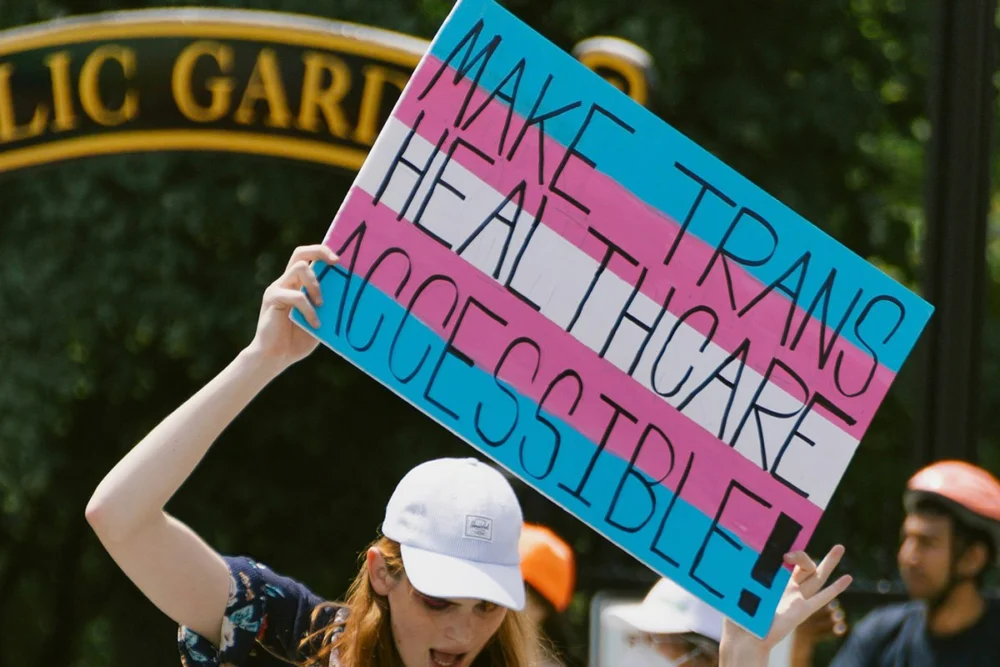
For Star Gates, a 36-year-old nonbinary transfeminine resident of Ohio, the realization that she could no longer suppress her identity came with a sense of urgency. The catalyst was a viewing of "I Saw the TV Glow," a cinematic exploration of trans symbolism and the tragedy of repression. After years of internal conflict, Gates decided to pursue gender-affirming hormone therapy—a medical step she viewed as essential to her mental well-being and bodily autonomy. However, when she attempted to schedule an appointment at her local Planned Parenthood, she encountered a systemic barrier that has left thousands of low-income Americans in a state of medical limbo.
Planned Parenthood, the nation’s largest provider of reproductive and primary healthcare for underserved populations, has been effectively severed from the federal Medicaid program. For Gates, a pub cook whose income qualifies her for Medicaid, the loss of coverage at the North Columbus Health Center meant that gender-affirming care, once within reach, was suddenly a financial impossibility. Her experience is not an isolated incident but the result of a coordinated federal and state-level effort to defund the organization, a move that critics argue disproportionately targets the transgender community and rural populations.
The Regulatory Shift: A Chronology of Defunding
The current crisis stems from a series of legal and executive actions that culminated in late 2025. While Planned Parenthood has long been a target of political opposition due to its status as an abortion provider, federal law—specifically the Hyde Amendment—already prohibited the use of Medicaid funds for abortion services. Consequently, Medicaid reimbursements to the organization were historically used for primary care, contraception, cancer screenings, STI testing, and gender-affirming care.
The landscape shifted dramatically in the summer of 2025 when the federal government issued a directive to terminate Planned Parenthood’s provider status within the Medicaid program. This was followed by a pivotal ruling from a federal appeals court that allowed the government to proceed with the cuts, despite ongoing litigation from civil rights groups. In Ohio, the impact was immediate. By the fall of 2025, Planned Parenthood of Greater Ohio (PPGOH) was forced to inform its Medicaid-enrolled patients that their insurance would no longer be accepted.
For patients like Gates, who live in areas where healthcare options are already sparse, the removal of Planned Parenthood from the Medicaid network creates a "healthcare desert." In many Ohio towns, there are no alternative providers offering gender-affirming care that accept Medicaid, leaving patients with the choice of paying out-of-pocket—an impossibility for many—or traveling hours to urban centers that may have months-long waiting lists.
Statistical Impact on Ohio’s Healthcare Infrastructure
The scale of the disruption in Ohio is significant. According to data released by Planned Parenthood of Greater Ohio, nearly 22,000 patients were directly affected by the loss of Medicaid eligibility. The organization, which served over 50,000 individuals in 2024, has been forced to navigate a precarious financial reality.
In addition to the loss of future reimbursements, the state of Ohio has required PPGOH to repay approximately $800,000 for services rendered between July and September 2025, the period during which the legal status of the funding was being contested in court. This financial strain has led to a reduction in the workforce, including the layoff of frontline clinical staff, further diminishing the capacity of the remaining clinics to serve those who can afford to pay.
The breadth of services impacted extends far beyond gender-affirming care. In 2024 alone, PPGOH provided:
- Over 156,000 tests for sexually transmitted infections (STIs).
- More than 11,300 HIV tests.
- Over 10,000 preventative care visits, including life-saving cervical and breast cancer screenings.
- Approximately 7,600 gender-affirming care visits.
Erica Wilson-Domer, President and CEO of PPGOH, noted that the state’s medical infrastructure is ill-equipped to absorb these patients. Many private providers in Ohio refuse to accept Medicaid due to low reimbursement rates, leaving Planned Parenthood as the only viable option for the state’s most vulnerable residents.
The Unique Vulnerability of the LGBTQ+ Community
The defunding of Planned Parenthood represents a specific threat to the LGBTQ+ community, which relies on the organization for specialized, culturally competent care. Research from the Williams Institute at UCLA School of Law indicates that LGBTQ+ adults are twice as likely as their non-LGBTQ+ peers to use Medicaid as their primary form of health insurance. This disparity is often linked to higher rates of workplace discrimination and poverty within the queer and trans communities.
In rural areas, such as the Appalachian region of southeast Ohio, the Athens Health Center has served as a critical hub for transgender patients. Wilson-Domer highlighted that trans patients in these areas often face significant hurdles even after obtaining a prescription, including pharmacies that lack necessary supplies or staff who are unfamiliar with gender-affirming medications. In response, PPGOH opened PPRX, a specialized pharmacy in Akron, to ensure patients could access prescriptions without facing stigma or logistical barriers. However, without Medicaid coverage, the cost of these medications remains a hurdle for many.
Medical discrimination also plays a role in why many trans patients prefer Planned Parenthood. National surveys consistently show that LGBTQ+ individuals are more likely to be refused care or treated with hostility in traditional medical settings. Gates described "random doctors and dentists" as "nightmare fuel," citing a history of feeling ignored or misunderstood by healthcare professionals. Planned Parenthood’s "informed consent" model for gender-affirming care provides a streamlined, respectful pathway that is rarely replicated in general practice.
National Divergence and Legal Stalemate
The exclusion of Planned Parenthood from Medicaid has created a fragmented healthcare landscape across the United States. While the federal ban has forced the closure of at least 20 clinics nationwide, the response from individual states has varied along partisan lines.
Eleven states with Democratic leadership have moved to fill the funding gap, allocating millions in state revenue to ensure that Medicaid enrollees can continue to access care at Planned Parenthood clinics. These "gap-funding" initiatives are designed to bypass the federal restrictions, maintaining a semblance of healthcare equity for low-income residents in those jurisdictions.
In contrast, states like Ohio have doubled down on the restrictions. Despite Ohio voters passing a ballot measure in 2023 to protect abortion access, state officials have continued to pursue policies that limit the operational capacity of Planned Parenthood. Katie Keith, Director of the Center for Health Policy and the Law at the O’Neill Institute at Georgetown Law, noted the irony of this situation. "Ohio is extra interesting because abortion is lawful there," Keith said. "And yet the state is still working to keep Planned Parenthood out of the Medicaid program."
The legal battle has largely stalled. Planned Parenthood recently dropped its federal lawsuit against the Trump administration following a series of unfavorable court rulings. While more than 20 state attorneys general continue to challenge the cuts, the judicial trend has favored the government’s right to determine provider eligibility, leaving the future of Medicaid-funded care at reproductive health centers in doubt.
Long-term Implications for Public Health
Health policy experts warn that the long-term consequences of these cuts will manifest in poorer public health outcomes across the board. By restricting access to Planned Parenthood, states are inadvertently reducing the frequency of routine screenings and early interventions.
The potential implications include:
- Increased STI Transmission: With over 150,000 tests lost in Ohio alone, undiagnosed infections are likely to spread, leading to higher long-term healthcare costs and complications such as infertility or pelvic inflammatory disease.
- Higher Rates of Advanced-Stage Cancers: The loss of 10,000 preventative visits means fewer early detections of reproductive cancers, which are significantly more difficult and expensive to treat in later stages.
- Maternal Health Crisis: Planned Parenthood provides essential preconception care and contraception. In a state already struggling with maternal mortality rates, reducing access to family planning services can lead to an increase in high-risk pregnancies.
- Mental Health Decline in Transgender Populations: For individuals like Gates, gender-affirming care is not elective; it is a vital component of managing gender dysphoria. The sudden withdrawal of medical support can lead to increased rates of depression, anxiety, and suicidality.
Conclusion: A Community in Limbo
As the policy debate continues in statehouses and courtrooms, patients are left to navigate a system that seems increasingly designed to exclude them. Star Gates has turned to therapy to help manage the emotional toll of her transition and the frustration of the medical roadblocks she faces. While she has found a supportive, queer-identified therapist through telehealth, the physical aspect of her transition remains on hold.
"I’m tired, I’m angry, I’m upset," Gates said, reflecting on the difficulty of maintaining her daily life while fighting for basic medical recognition. Her story underscores a growing reality in the American healthcare system: for those at the intersection of poverty and marginalized identity, the right to healthcare is increasingly dependent on geography and political climate rather than medical necessity.
Despite the setbacks, Gates remains committed to her path. Her experience highlights the resilience of a community that has long been forced to find alternative routes to survival, even as the formal systems of support are dismantled around them. However, without a significant shift in policy or a restoration of funding, the promise of accessible, affordable healthcare for all Ohioans remains an unfulfilled ideal.