Nila Kartika Wati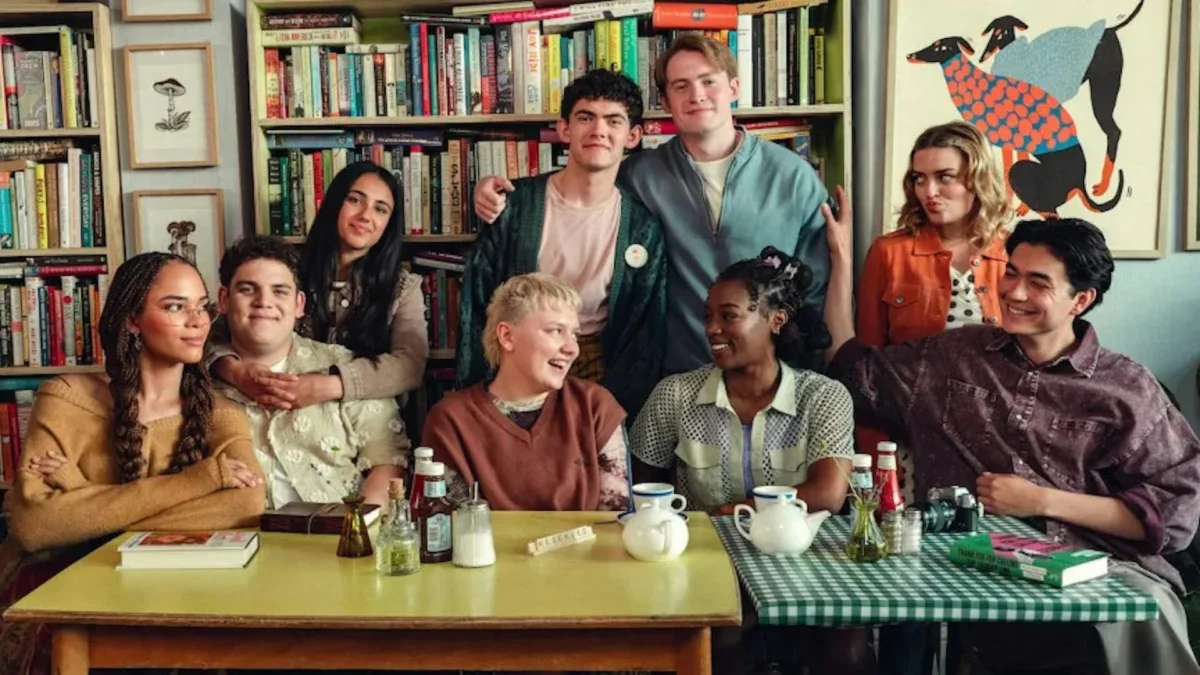
The landscape of modern television is undergoing a period of significant contraction, yet within this volatile market, certain narratives have managed to transcend mere entertainment to become cultural touchstones for the LGBTQ+ community. As Netflix prepares to release "Heartstopper Forever," the feature-length conclusion to its critically acclaimed three-season run on July 17, 2026, the series stands as a testament to the enduring power of queer joy. While the show primarily focuses on the burgeoning romance between two British teenagers, its impact has radiated far beyond its target demographic, offering a profound sense of healing and community to viewers ranging from young adults to septuagenarians.
Recent data from GLAAD’s 2024-25 "Where We Are on TV" report underscores the precarious nature of this representation. According to the study, only 9.3% of characters on American television screens were identified as LGBTQ+ during the most recent season. Perhaps more alarming is the finding that approximately 41% of these characters are not scheduled to return for subsequent seasons due to series cancellations or cast reductions. This decline in visibility occurs against a backdrop of increasing political uncertainty and legislative challenges facing the LGBTQ+ community globally. In this context, the success and stability of a show like "Heartstopper" represents more than just high viewership numbers; it serves as a critical counter-narrative to the historical marginalization of queer lives in media.
The Evolution of Queer Storytelling: From Tragedy to Joy
For decades, queer representation in film and television was dominated by the "bury your gays" trope—a narrative pattern where LGBTQ+ characters are disproportionately subjected to violent ends, unrequited love, or systemic tragedy. This "trauma porn" often sensationalized the suffering of queer individuals to provide emotional stakes for heterosexual audiences. "Heartstopper," adapted from Alice Oseman’s popular webcomic and graphic novel series, intentionally subverts these conventions.
The story follows Charlie Spring, a student who has navigated the difficulties of being publicly outed and bullied, and Nick Nelson, a popular rugby player who begins a journey of self-discovery regarding his bisexuality. Unlike grittier dramas such as "Euphoria," which explores the darker intersections of addiction and identity, or the more sexually explicit "Heated Rivalry," "Heartstopper" focuses on the emotional intimacy of young love. The series has been lauded for its "low-stakes" approach, where the primary tension often revolves around first hand-holding, the courage required for a first kiss, and the quiet support of a loyal friend group.
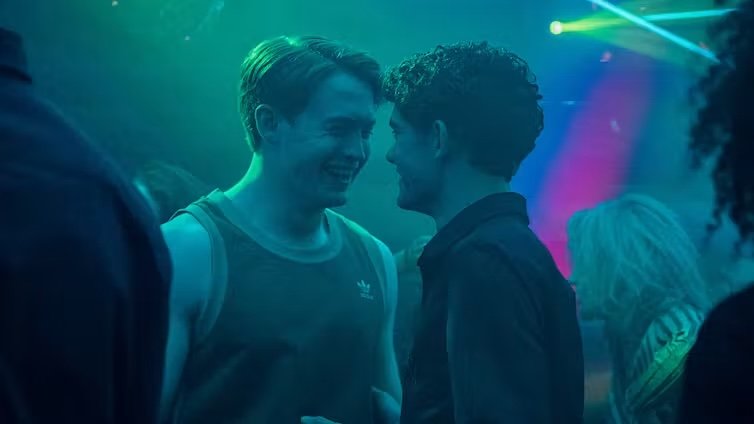
This shift toward "queer joy" is not merely a stylistic choice but a revolutionary act of storytelling. By centering a narrative on acceptance and positive reinforcement, the show provides a blueprint for what a healthy, supportive environment can look like for LGBTQ+ youth. However, as research conducted by sociology and English professors Annaliese Grant and Carrie Grant reveals, the show’s most profound impact may be on those who never had such an environment during their own formative years.
The Academic Perspective: Wishful Reprocessing and Healing
Over the past two years, Annaliese Grant of the University of Nevada, Las Vegas, and Carrie Grant of Towson University have conducted extensive qualitative research into the "Heartstopper" fandom. Their study, which included interviews with over 50 fans between the ages of 18 and 74, sought to identify why a show about teenagers resonated so deeply with older generations.
A primary finding of their research is the phenomenon of "wishful reprocessing." This psychological process occurs when adult viewers connect emotionally with the screen, imagining how their own lives might have differed had they grown up in the supportive universe depicted in the show. For many adult fans, "Heartstopper" acts as a form of vicarious healing for childhood traumas.
Nova, a 56-year-old bisexual woman interviewed for the study, noted that as a dark-skinned Black girl growing up in the United States, she lacked the safety and social space to explore her sexuality. For Nova, watching the characters on "Heartstopper" navigate their identities with the support of their peers allowed her to engage with a version of her youth that was previously unimaginable. This "alternative coming-of-age" provides a therapeutic outlet for those whose actual adolescence was marked by suppression or fear.
Historical Context: Growing Up in the Shadow of Crisis
The resonance of "Heartstopper" among older gay men is often tied to the historical trauma of the late 20th century. For fans like Matthew, a 60-year-old white man who grew up in a highly religious small town, the 1980s were defined not by "queer joy," but by the onset of the AIDS epidemic and the vitriolic public discourse that accompanied it.
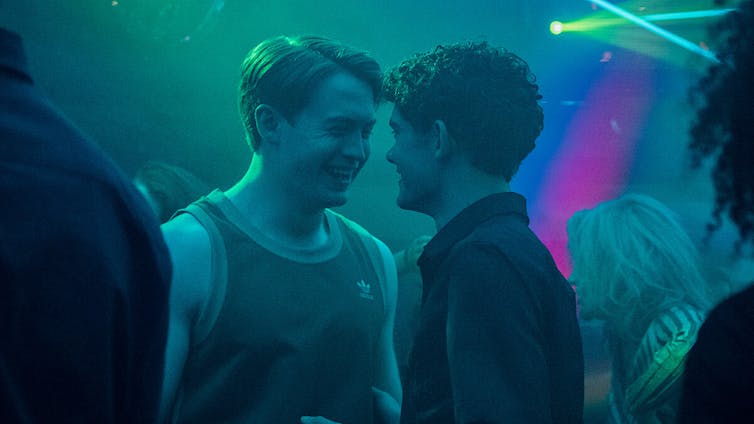
During the 1980s and 1990s, media representation of gay men was almost exclusively tied to illness and death. Matthew describes himself as being "damaged by his youth," noting that the environment of his adolescence made a happy, queer life seem fundamentally impossible. Today, Matthew utilizes "Heartstopper" as a tool for emotional maintenance. By incorporating the show into his routine, he finds a temporary sanctuary of "gay-friendly acceptance" that was unavailable to him for most of his life. He even utilizes his love for the franchise on dating profiles to signal his values and his desire for the kind of gentle, supportive community the show portrays.
Similarly, 74-year-old Julian, a gay Hispanic man, views the show as a "balm" against contemporary political developments. Julian’s life story reflects the complexities of the pre-liberation era; he lived as a straight man for many years and values the family he built during that time. However, he describes rewatching "Heartstopper" over 100 times as a way to "lift his soul." The show has also served as a generational bridge, allowing him to bond with his granddaughter over shared values of acceptance and love.
Representation and Identity: The Impact on Trans and Non-Binary Viewers
The inclusivity of "Heartstopper" extends beyond the central pairing of Nick and Charlie. The series features a diverse ensemble, including Elle, a trans girl navigating a new school environment, and Darcy and Tara, a lesbian couple. This breadth of representation has had tangible effects on viewers’ real-world identities.
Jack, a 34-year-old white trans man, credited the show with helping him reconcile his masculinity with his personal life. Despite identifying as a man for years, Jack had continued to present femininely in his daily life. After experiencing severe postpartum depression, he found that "Heartstopper" provided a "holy shit" moment of clarity. Seeing the various expressions of masculinity and affection on screen allowed him to realize that he could embrace his true identity while maintaining his marriage. Jack’s experience highlights the "mirror effect" of media; when individuals see their internal realities reflected positively on screen, it often provides the necessary validation to live authentically in their physical lives.
Fandom as a Stand-in for Physical Community
In an era where physical "third spaces" for the LGBTQ+ community are often centered around nightlife or are disappearing due to gentrification and digital shifts, media fandoms have become essential sites of community building. For Megan, a 29-year-old lesbian who lost her local queer social group, the world of "Heartstopper" became a temporary surrogate community.
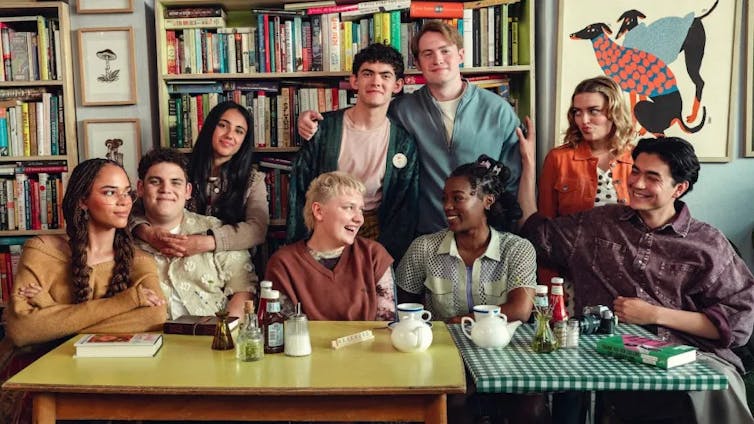
Fandoms allow individuals to engage in "parasocial" relationships that provide emotional support and a sense of belonging. The "Heartstopper" community, specifically, is noted for its emphasis on kindness and emotional care, mirroring the tone of the show itself. For those in isolated geographic areas or those transitioning between social groups, these digital and media-based communities offer a vital lifeline.
Industry Implications and the Future of the "Joyful Narrative"
The success of "Heartstopper" has significant implications for the entertainment industry. It proves that there is a massive, multi-generational market for LGBTQ+ stories that do not rely on trauma or explicit content to drive engagement. The show’s ability to maintain high viewership while avoiding the "cancelation trap" that has claimed many other queer-led series suggests that "joy" is a sustainable and profitable narrative strategy.
However, the broader trend identified by GLAAD remains a concern. The 41% non-return rate for LGBTQ+ characters indicates that while "Heartstopper" is a success, it is an outlier in a system that still views queer content as expendable or "niche." The conclusion of the series with "Heartstopper Forever" marks the end of an era for Netflix, leaving a void in the "young adult" category that other streamers will likely vie to fill.
Conclusion: A Legacy of Hope
As "Heartstopper" concludes its television journey, its legacy is already cemented in the lives of its fans. The series has demonstrated that queer representation is not just about counting characters on a screen; it is about the quality and intent of the stories being told. By choosing to start the narrative after the worst traumas have passed, Alice Oseman created a space where characters are allowed to be happy, flawed, and loved.
For the fans interviewed by the Grant sisters, the show represents a "re-enchantment" of the queer experience. It offers a vision of the world where support is the default rather than the exception. Whether through "wishful reprocessing" for older generations or the provision of a safe community for younger ones, "Heartstopper" has proven that optimistic storytelling is a powerful tool for social and personal transformation. As the community moves forward into an uncertain political future, the "Heartstopper" effect—a blend of hope, healing, and unapologetic joy—will likely continue to inspire both viewers and creators for years to come.