Pevita Pearce

Intuit, a global leader in financial technology, used its flagship event, Intuit Connect 2026, held in Las Vegas this week, to unveil a suite of significant advancements across its Intuit Intelligence platform. These innovations are designed to deeply integrate artificial intelligence (AI) and business intelligence capabilities into the core offerings for accounting firms, enterprise businesses, and small and medium-sized businesses through QuickBooks. The event, which serves as a pivotal gathering for accounting professionals and business leaders, underscored Intuit’s commitment to enabling its ecosystem to thrive amidst the transformative wave of AI.
The core of these new developments lies within the Intuit Intelligence platform, which functions as the central AI and business intelligence engine powering Intuit’s flagship products: QuickBooks, Intuit Enterprise Suite, and Intuit Accountant Suite. By unifying these platforms under a single intelligent system, Intuit aims to foster seamless collaboration between businesses and their accountants, leveraging shared financial data and AI-driven insights to enhance decision-making and operational efficiency. This strategic push reflects a broader industry trend towards AI adoption, with Intuit positioning itself at the forefront of this evolution for its user base.
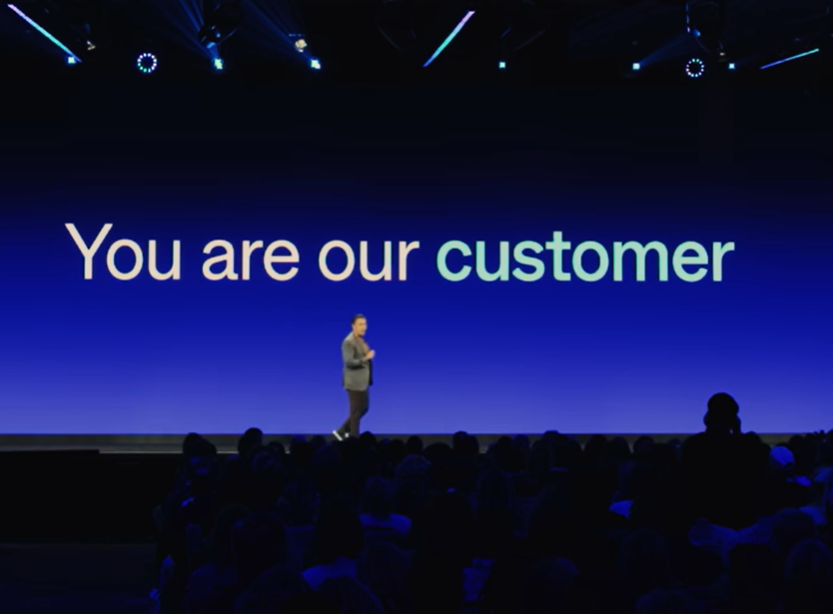
Intuit Connect: A Nexus for Financial Innovation
Intuit Connect, now in its third year, has established itself as a crucial forum for Intuit to engage with its partners and customers, particularly within the accounting profession. The event, which concludes on October 28, 2026, provides a platform for Intuit leadership to share its strategic vision, introduce new product features, and foster dialogue around the future of financial management. This year’s conference in Las Vegas highlighted a pronounced emphasis on AI’s role in revolutionizing how accounting firms operate and how businesses manage their finances.
The overarching theme of this year’s Intuit Connect revolved around harnessing the power of AI to navigate what Intuit Chairman and CEO Sasan Goodarzi described as "the largest technology disruption in our history." Goodarzi articulated this vision during his address, stating, "With Intuit Intelligence, we’re harnessing the power of AI so businesses and accountants can continue to lead through the largest technology disruption in our history, one that is fundamentally changing how they compete and grow." He further emphasized the collaborative synergy created by Intuit Intelligence: "Intuit Intelligence brings businesses and accountants together on one financial system of intelligence, combining trusted data, deep expertise, AI, and human intelligence to increasingly do the work and deliver the insights that drive better decisions." This unified approach, he explained, empowers millions of businesses and their trusted accountants to operate from a single intelligent platform, sharing financial context, insights, and automation. The profound impact, Goodarzi noted, is that "accountants can deliver more value to their clients, businesses can grow with greater confidence, and both become stronger together."

Key Innovations Across Intuit’s Product Suites
The new innovations announced at Intuit Connect 2026 are strategically designed to address critical pain points and opportunities within each of Intuit’s core product suites.
Intuit Accountant Suite: Streamlining Practice Management with AI
The Intuit Accountant Suite has been meticulously crafted to align with the workflows and operational realities of accounting firms. Intuit’s strategy with this suite is to create an increasingly open and agnostic ecosystem, facilitating integration with the diverse array of tools and systems that both firms and their clients already utilize. This approach aims to reduce friction and enhance compatibility, rather than forcing firms to adapt their practices around specific technologies. Since its launch a year ago, the Intuit Accountant Suite has reportedly seen significant adoption, with over 250,000 accounting firms integrating it into their operations.

Among the headline announcements for the Accountant Suite is the introduction of monthly Agentic Books Close. This feature leverages AI to automate and streamline the complex and time-consuming process of closing the books each month. By performing tasks autonomously and intelligently, it promises to free up valuable time for accountants, allowing them to focus on higher-value advisory services. This enhancement is particularly significant given the increasing demands placed on accounting professionals to provide strategic insights beyond traditional bookkeeping and compliance.
Intuit Enterprise Suite: Tailored Solutions for Industry-Specific Needs
The Intuit Enterprise Suite is poised for significant enhancements aimed at catering to the unique operational demands of various industries. The introduction of industry-specific editions signifies a move towards more specialized and targeted financial management solutions. This allows businesses to benefit from AI-powered features and workflows that are pre-configured and optimized for their particular sector, whether it be manufacturing, retail, healthcare, or professional services. Such tailored approaches can lead to more accurate forecasting, more relevant insights, and a more efficient operational framework.
These specialized editions are expected to integrate seamlessly with existing enterprise resource planning (ERP) systems and other critical business applications, further enhancing their value proposition. The aim is to provide enterprises with a powerful, yet adaptable, financial management system that can grow with their evolving needs and the complexities of their respective markets.

QuickBooks: Empowering Small Businesses with AI-Driven Efficiency
QuickBooks, Intuit’s flagship product for small businesses, is receiving a substantial infusion of AI-powered features designed to address common challenges and improve financial agility. The enhancements are directly informed by insights from reports like the 2026 Intuit QuickBooks Small Business Late Payments Report. This report highlights a persistent issue for small businesses, revealing that nearly three in five small businesses have invoices overdue by 30 days or more, an increase from 47% in the previous year. This underscores the critical need for tools that can improve cash flow management and payment collection.
New Intuit Intelligence-powered innovations for QuickBooks include:
- AI-powered invoicing and cash flow management tools: These features are designed to proactively identify potential cash flow issues, optimize invoicing processes, and provide actionable recommendations to improve payment collection rates. This could involve AI suggesting optimal times to send invoices, automating reminders, or even analyzing customer payment patterns to predict and mitigate risks.
- Automated expense categorization and reconciliation: By learning from user behavior and existing data, AI can significantly reduce the manual effort involved in categorizing expenses and reconciling bank accounts, leading to more accurate financial records and time savings.
- Enhanced forecasting and scenario planning: QuickBooks will offer more sophisticated AI-driven forecasting capabilities, allowing small businesses to better predict future financial performance and model various business scenarios to make more informed strategic decisions.
- AI-assisted team management: For businesses with employees, AI can help streamline payroll processes, manage time tracking, and provide insights into labor costs, further enhancing operational efficiency.
These advancements collectively aim to equip small businesses with the tools they need to save time and money, drive operational efficiency, and gain a competitive edge in an increasingly dynamic economic landscape. Officials stated that these innovations enable businesses to "save time and money, drive operational efficiency, deliver actionable intelligence, and take action on the customer’s behalf while remaining compliant and accurate."

Broader Implications and Future Outlook
The strategic integration of Intuit Intelligence across its product portfolio signifies Intuit’s commitment to a future where AI is an indispensable partner for financial professionals and businesses of all sizes. By embedding AI capabilities directly into the core financial systems, Intuit is not merely offering new features; it is fundamentally reimagining how financial data is processed, analyzed, and utilized.
The implications of this move are far-reaching. For accounting firms, it means a potential shift from transactional work to more strategic advisory roles, as AI takes on routine tasks. This can lead to increased client satisfaction and profitability. For small and medium-sized businesses, it translates to enhanced financial literacy, improved cash flow, and greater confidence in their ability to navigate economic uncertainties. For larger enterprises, the industry-specific editions of the Enterprise Suite promise a more tailored and powerful financial management solution that can adapt to complex business environments.

The emphasis on a "unified platform" and "shared financial context" is particularly noteworthy. This integrated approach ensures that businesses and their accountants are working with the same data and insights, fostering greater transparency and collaboration. This shared understanding is crucial for effective financial planning, risk management, and strategic growth.
As Intuit continues to develop and deploy its AI capabilities, the company is likely to focus on further refining the accuracy and predictive power of its algorithms, ensuring robust data security and privacy, and continuing to make these advanced technologies accessible and user-friendly. The ongoing evolution of Intuit Intelligence promises to be a key driver in shaping the future of financial management for millions of users worldwide.