Lina Irawan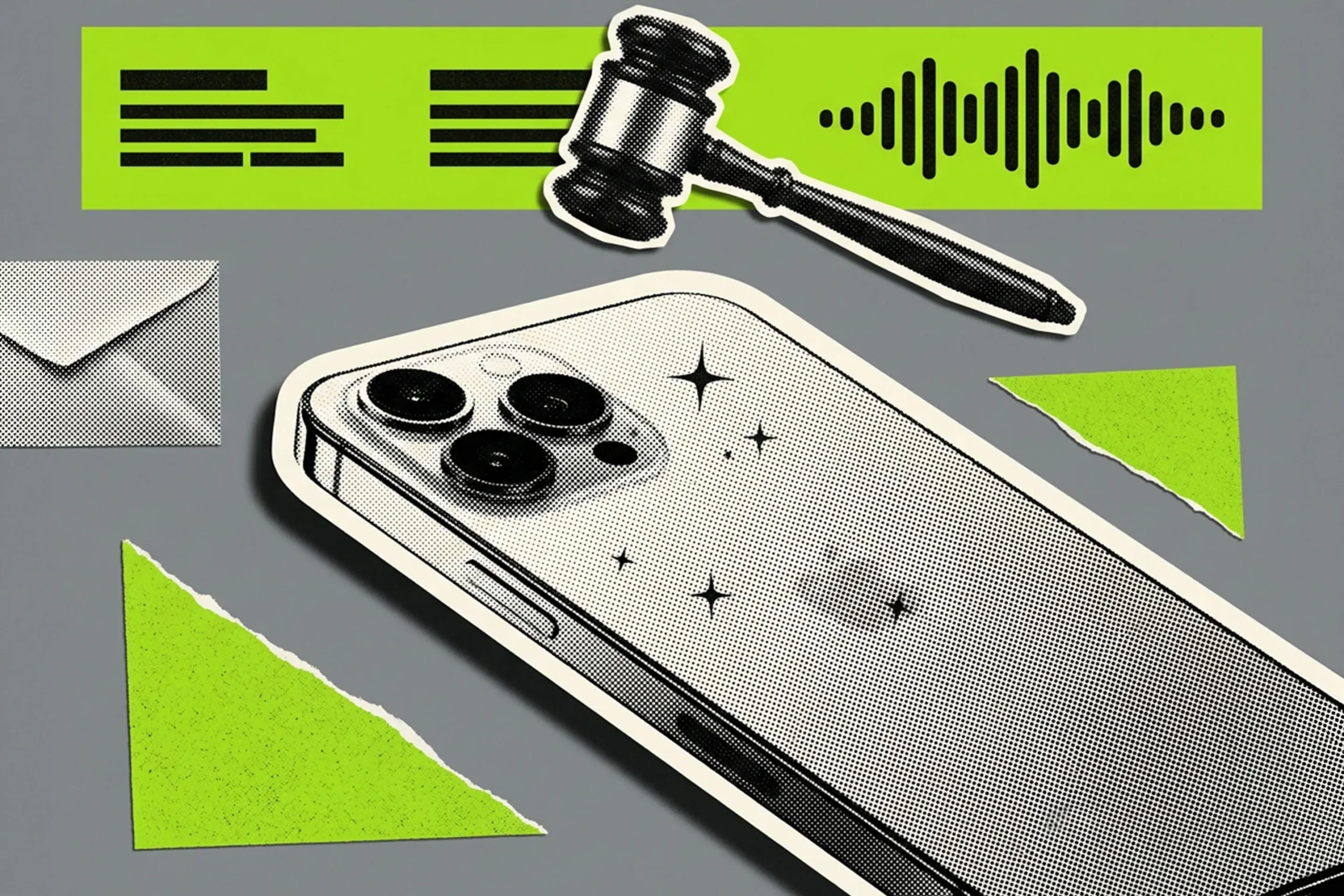
The claims window has officially opened for millions of iPhone owners in the United States, marking a pivotal moment in a landmark false advertising class-action lawsuit against Apple. This significant legal action, which culminated in a $250 million settlement, alleges that the tech giant misled consumers with its marketing surrounding forthcoming artificial intelligence (AI) features. Beginning this Monday, affected iPhone users are now able to file their claims to receive monetary compensation, with individual payouts potentially reaching up to $95 per device. Ryan Clarkson, founder and managing partner of Clarkson Law Firm, which represented the plaintiffs, has characterized this settlement as "the largest false advertising settlement in history," underscoring its scale and potential implications for corporate accountability in the rapidly evolving technology sector.
Despite agreeing to the substantial settlement in May, Apple has maintained its stance of admitting no wrongdoing in the matter. A federal judge granted preliminary approval for the proposed settlement in July, paving the way for the current claims period. The case highlights the increasing scrutiny over how technology companies market advanced features, particularly in the burgeoning field of artificial intelligence, where consumer expectations are often high and technical realities can be complex.
The Genesis of the Lawsuit: Apple Intelligence and Unfulfilled Promises
At the heart of the lawsuit were Apple’s marketing efforts for "Apple Intelligence," an integrated suite of AI features initially promoted as a cornerstone of the iPhone experience. The complaint filed by the plaintiffs vividly described how Apple, in June 2024, "touted these AI capabilities as the cornerstone of the new iPhone’s appeal, promising consumers a product that would redefine smartphone use in the new AI economy." This aggressive marketing campaign created significant anticipation among consumers, suggesting a revolutionary leap in smartphone functionality driven by advanced AI.
However, according to the legal filing, the reality fell significantly short of these promises. The complaint starkly asserted that the much-hyped "[t]he features did not exist" at the time of the initial marketing blitz and subsequent product shipments. Handsets that began shipping in September 2024 reportedly lacked the promised integrated AI technology. When Apple eventually commenced rolling out portions of the software, users frequently reported experiencing glitches, errors, and a general lack of the seamless, transformative AI experience that had been advertised.
A particularly contentious point was the repeated delays concerning an AI-enhanced version of Siri, Apple’s digital assistant. Initially slated for a March 2025 release, this crucial AI component faced multiple postponements. Reports from technology outlets such as TechCrunch indicated that Apple only began a beta launch of Siri AI in July, with a broader rollout occurring just this month, significantly later than initial projections and marketing implied. These delays and performance issues fueled the growing discontent among iPhone users, who felt they had purchased premium-priced devices based on misleading advertising.
Aggrieved iPhone users, feeling defrauded, initiated a series of lawsuits that were subsequently consolidated into a single, comprehensive class-action case last year. The core argument put forth by the plaintiffs was clear: "Apple charged consumers for [p]roducts they would not have purchased, or at least not at its premium price, had the advertising been honest." This sentiment resonated with a segment of the consumer base who believed they had paid a premium for features that were either non-existent or functionally impaired upon release.
A Chronology of Events: From Announcement to Settlement
The timeline of this case underscores the rapid pace of technological development and the legal challenges that can arise when marketing outpaces reality.
- June 2024: Apple officially announces "Apple Intelligence," an integrated suite of AI features, promoting them as a transformative addition to forthcoming iPhone models. Marketing campaigns begin to highlight these capabilities as a primary selling point.
- September 2024: New iPhone models, particularly the iPhone 16 series, begin shipping to consumers. Users and tech reviewers quickly note the absence or underperformance of the promised AI features.
- Late 2024 – Early 2025: Aggrieved iPhone owners begin filing individual lawsuits, citing false advertising and misrepresentation regarding the AI capabilities. These lawsuits are subsequently consolidated into a single class-action complaint.
- March 2025 (originally planned): Apple’s initial target for the full release of an AI-enhanced version of Siri. This deadline is repeatedly pushed back due to development challenges.
- Last Year (unspecified date): Multiple lawsuits against Apple regarding AI marketing are consolidated into a single, federal class-action case.
- May (unspecified date): Apple agrees to a $250 million settlement to resolve the class-action lawsuit, though it continues to deny any wrongdoing.
- July (unspecified date): A federal judge grants preliminary approval for the proposed settlement, moving the process forward.
- July (unspecified date): Apple reportedly begins a beta launch of Siri AI, significantly later than initially implied by marketing.
- This Month (unspecified date): Apple begins a broader rollout of Siri AI, following the beta launch.
- Beginning This Monday: The claims window officially opens for eligible iPhone owners to submit their claims for compensation.
- December 21 (current year): The deadline for all eligible individuals to file their claims.
- February 24, 2027: The rescheduled date for the final approval hearing for the settlement, moved up from September 29, 2027, to expedite payments to claimants.
This detailed chronology illustrates the journey from initial product announcement and marketing hype to widespread consumer dissatisfaction, legal challenge, and ultimately, a significant settlement.
Apple’s AI Strategy in Context: A Lagging Giant?
The lawsuit unfolds against a backdrop of intense competition in the artificial intelligence sector, often dubbed the "AI arms race." While Apple holds a formidable position in the global technology market, commanding roughly 60% of the mobile phone market share in the U.S. according to market research from StatCounter, it has notably been slower than many of its direct competitors to fully embrace and integrate generative AI technologies.
Unlike other tech heavyweights such as Google’s parent company Alphabet, Microsoft, and even Samsung, Apple has not publicly developed its own proprietary large language model (LLM) from the ground up to power its core AI offerings. This contrasts sharply with Google’s Gemini, Microsoft’s integration of OpenAI’s GPT models, and Samsung’s ongoing advancements in on-device AI with its Galaxy AI suite. Critics and industry analysts have frequently pointed out Apple’s cautious approach, questioning whether it risks falling behind in a critical technological frontier.
Earlier this year, Apple made a significant announcement, confirming a partnership with Google to utilize that company’s Gemini AI to underpin its forthcoming AI offerings. While such partnerships can accelerate development and reduce R&D costs, they also raise questions about Apple’s long-term autonomy and its ability to differentiate its AI experience from competitors. This strategic decision highlights Apple’s reliance on external expertise in a domain where its rivals have invested heavily in internal development for years. The $250 million settlement, while a relatively minor financial hit for a trillion-dollar behemoth like Apple, serves as a stark reminder of the reputational risks associated with perceived delays or misrepresentations in this highly competitive landscape.
The Broader AI Arms Race: Industry Implications
The context of this lawsuit is crucial: it is playing out during an unprecedented period of investment and innovation in artificial intelligence. Silicon Valley and technology hubs worldwide are witnessing a monumental "AI arms race," with companies spending hundreds of billions of dollars developing sophisticated LLMs, constructing vast data center infrastructure to power these models, and vying for talent. This intense competition is driven by the belief that AI will fundamentally reshape industries, consumer experiences, and global economies.
The development of advanced AI, particularly generative AI, is extraordinarily expensive, requiring massive computational power, vast datasets, and highly specialized engineering teams. Companies like OpenAI, Google, Microsoft, and Meta are pouring billions into these efforts annually. For example, reports suggest that training a cutting-edge LLM can cost tens to hundreds of millions of dollars, and the ongoing operational costs are similarly staggering. This immense financial and technical barrier means that the pressure to deliver on AI promises, and to market those promises effectively, is immense.
The Apple AI lawsuit could set a precedent for how tech companies communicate their AI capabilities to consumers. As AI becomes more ubiquitous, there’s a growing need for transparency and accuracy in marketing claims. Regulatory bodies worldwide are also beginning to grapple with how to govern AI development and deployment, particularly concerning consumer protection, data privacy, and algorithmic bias. This case may influence future guidelines or legislation aimed at preventing misleading advertising in the AI space, pushing companies towards more cautious and verifiable claims.
The Legal Framework: False Advertising and Consumer Protection
The legal foundation of the class-action lawsuit against Apple rests squarely on principles of false advertising and consumer protection laws. In the United States, various federal and state statutes, such as the Federal Trade Commission Act, prohibit deceptive acts or practices in commerce, including false or misleading advertising. For a claim of false advertising to succeed, plaintiffs generally need to demonstrate that a representation made by a company was false or misleading, that it was material (i.e., likely to influence a purchasing decision), and that consumers suffered damages as a result.
In this instance, the plaintiffs successfully argued that Apple’s marketing of "Apple Intelligence" created a clear expectation of immediate and robust AI features that were not present in the devices at the time of purchase or were significantly delayed and flawed. The "premium price" argument was particularly potent, suggesting that consumers paid more for a product based on advertised capabilities that were absent.
Class-action lawsuits serve a critical role in consumer protection, allowing a large group of individuals who have suffered similar harm to collectively seek redress from a common defendant. This mechanism is particularly effective against large corporations, where individual claims might be too small to pursue economically, but the aggregate harm is substantial. The $250 million settlement, while not an admission of guilt by Apple, signifies the company’s assessment of the legal and financial risks of continuing to litigate the matter, as well as the strength of the plaintiffs’ case. It reinforces the idea that even industry giants are subject to consumer protection laws and must adhere to standards of truthfulness in advertising.
Who is Eligible and How to Claim
The settlement defines specific criteria for eligibility to ensure that compensation reaches those directly affected by the alleged false advertising. Eligible devices include all iPhone 16 models and certain iPhone 15 models purchased in the U.S. between June 10, 2024, and March 29, 2025. It’s crucial to note that purchases made for resale are explicitly excluded from eligibility. An estimated total of approximately 37 million devices fall within this eligibility window, indicating the broad reach of Apple’s marketing and the potential scale of consumer impact.
While the article mentions "The full list of eligible handsets includes:" followed by an empty list, claimants should consult the official settlement website for a definitive and comprehensive list of specific models that qualify. This level of detail is critical for potential claimants to verify their eligibility accurately.
Owners of affected devices can file their claims conveniently online by visiting the dedicated settlement website: SmartphoneAISettlement.com. According to a news release from Clarkson Law Firm, claimants will initially receive a "presumptive payment of $25 for each eligible device." However, this amount is not fixed and "may decrease or increase up to $95 per device depending on claim volume and other factors." This variable payment structure is common in class-action settlements, where the total settlement fund is divided among the number of valid claims received.
The court’s decision to approve Clarkson’s motion to move up the final approval hearing from September 29, 2027, to February 24, 2027, is a significant development for claimants. This acceleration is intended to allow affected customers to receive their payments sooner than originally anticipated. However, it is important for claimants to understand that any potential appeals against the settlement could still introduce delays to this timeline.
The deadline for submitting claims is December 21 of the current year. This provides claimants with several months to gather necessary documentation and file their claims. Payments will be offered through multiple convenient methods, including traditional paper checks, digital checks, Venmo, and PayPal, offering flexibility to suit individual preferences.
It is vital for consumers to distinguish this particular case from other legal challenges Apple has faced. This $250 million false advertising settlement specifically addresses claims related to the marketing of AI features. This is a different matter from the $95 million lawsuit Apple faced over allegations that its digital assistant, Siri, "listened in" on conversations even when users had not actively activated the voice assistant. That separate settlement, concerning privacy concerns, paid out in January, underscoring the multi-faceted legal pressures faced by major tech companies.
Financial and Reputational Ramifications
For Apple, a company with a market capitalization often fluctuating in the trillions of dollars, a $250 million settlement represents a relatively minor financial outlay. To put this in perspective, Apple’s quarterly revenues often exceed $80 billion, making the settlement a fraction of its operational costs or profits. However, the true significance of this settlement extends beyond the immediate financial impact.
The case carries substantial reputational ramifications. Apple prides itself on a meticulously crafted brand image built on innovation, quality, and consumer trust. Allegations and a subsequent settlement for "false advertising" regarding a cutting-edge technology like AI can tarnish this image, potentially eroding consumer confidence, particularly among early adopters who pay premium prices for the latest features. In an era where consumers are increasingly skeptical of corporate claims, especially in the fast-paced tech industry, maintaining a reputation for honesty and transparency is paramount.
Moreover, the settlement sends a clear message to the broader technology industry. As AI rapidly integrates into virtually every product and service, the temptation for companies to overstate capabilities or market features before they are fully developed is high. This lawsuit serves as a cautionary tale, emphasizing the legal and financial consequences of such practices. It may encourage greater prudence in AI marketing, leading to more realistic timelines and clearer communication about the current state of AI capabilities versus future aspirations.
Looking Ahead: The Future of AI Marketing and Regulation
The Apple AI false advertising lawsuit is more than just a legal dispute; it’s a symptom of a larger trend and a potential harbinger of future challenges in the age of artificial intelligence. As AI technologies continue to advance at an exponential rate, the line between aspirational marketing and factual representation will become increasingly blurred. Companies will face immense pressure to showcase their AI prowess to attract investment and consumers, but this case demonstrates that regulators and consumer advocates are watching closely.
The outcome of this settlement could influence future regulatory frameworks for AI. Governments and international bodies are actively debating how to regulate AI, focusing on areas such as ethical deployment, data privacy, bias, and transparency. Marketing claims and consumer deception are likely to become a key area of focus within these broader regulatory discussions. It is plausible that we will see more stringent guidelines or even dedicated legislation aimed at ensuring that AI products are marketed truthfully and that consumers are not misled by the hype surrounding this transformative technology.
Ultimately, this case underscores the evolving relationship between technology, consumer expectations, and corporate responsibility. As AI reshapes our digital world, the need for clear, honest, and verifiable communication from tech companies will only grow, with legal precedents like this one serving as a crucial check on unchecked marketing enthusiasm.