Layla Zulfa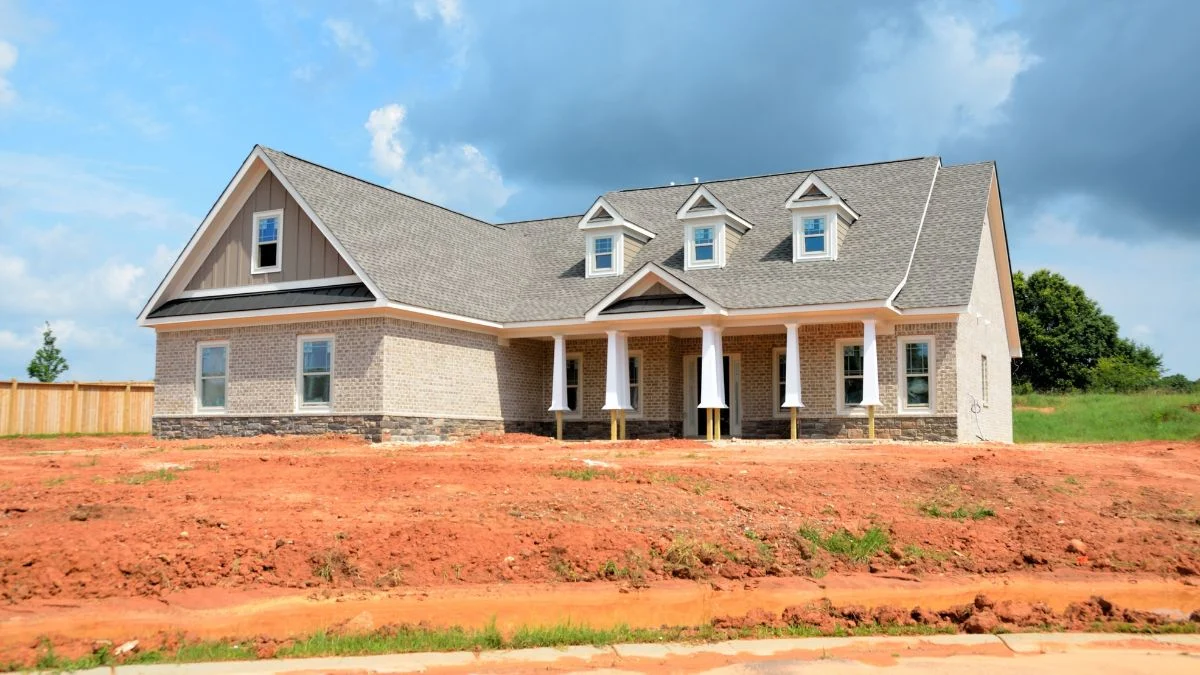
Residential construction activity experienced a notable surge in June, driven almost entirely by a substantial increase in multifamily housing projects. However, this positive headline obscures a more nuanced reality for the sector, as indicators for future supply have softened, suggesting a cautious outlook for single-family homebuilding. Newly released data from the U.S. Census Bureau paints a complex picture of a housing market navigating persistent affordability challenges and elevated mortgage rates.
The U.S. Census Bureau reported that privately owned housing starts rose to a seasonally adjusted annual rate of approximately 1.3 million units in June. This represents a significant 19% increase from the revised May pace of roughly 1.12 million units. On a year-over-year basis, the June figure was 3.5% above the 1.38 million-unit rate recorded in June of the previous year. This uptick in overall starts initially suggests a degree of resilience in the residential construction sector, despite ongoing economic headwinds.
Odeta Kushi, Deputy Chief Economist at First American Financial Corporation, offered a perspective that acknowledges the surface-level strength while highlighting underlying weaknesses. "On the surface, the report suggests residential construction remains resilient despite elevated mortgage rates and ongoing affordability challenges," Kushi stated. However, she quickly added a crucial caveat: "The headline, however, overstates the strength in homebuilding." Kushi’s analysis pointed to the surge in multifamily construction as the primary driver behind the headline gains, arguing that it masks a more stagnant performance in the single-family segment.
Divergent Trends in Housing Starts
A deeper dive into the Census Bureau data reveals a stark divergence between single-family and multifamily construction. While overall housing starts saw a significant boost, this was not a uniform trend across all residential categories.
Single-family housing starts, which are a key indicator of the broader housing market’s health and are often seen as more sensitive to consumer demand and economic conditions, remained relatively flat. In June, single-family starts experienced a slight decline, falling to an annualized rate of 895,000 units, down from a revised 897,000 units in May. This near-stagnant performance indicates that the challenges facing single-family homebuilders, such as high material costs, labor shortages, and the impact of interest rates on buyer affordability, continue to weigh heavily on new project initiation.
In stark contrast, the multifamily sector, which includes buildings with five or more units, witnessed a dramatic surge. Construction of units in these larger buildings soared by an impressive 76.3%, reaching a seasonally adjusted annual rate of 513,000 units. This substantial increase suggests a renewed focus on rental housing development, potentially driven by factors such as the continued strong demand for rental accommodations, a lack of affordable single-family options for many prospective buyers, and perhaps a more favorable investment climate for larger-scale rental projects.
Future Supply Indicators Signal Caution
While the June starts data provided a short-term boost, the indicators for future construction activity presented a more subdued and cautionary picture. Building permits, which are a leading indicator of future construction, moved in the opposite direction of housing starts, signaling a potential slowdown in the pipeline of new projects.
Total building permits fell to a seasonally adjusted annual rate of 1.367 million units in June. This figure represents a 3% decrease from May’s revised rate of 1.410 million permits. Furthermore, it was 2.3% below the 1.399 million-unit pace recorded in June of the preceding year. This decline in overall permitting activity suggests that builders are becoming more hesitant to commit to new construction projects in the coming months, likely in response to ongoing economic uncertainties and market conditions.
The decline in permits was also evident in both the single-family and multifamily sectors, though the magnitude of the drop differed. Single-family housing authorizations saw a decrease, falling to an annual rate of 871,000 units. This was 2.4% below May’s revised figure of 892,000 authorizations. This softening in single-family permits reinforces the notion that builders are proceeding with extreme caution in initiating new single-family homes.
In the multifamily sector, while starts surged, permits for units in buildings with five or more units came in at a lower annual rate of 445,000 units. This discrepancy between the surge in starts and the lower permit rate could indicate that a significant portion of the June multifamily starts were based on permits issued in previous months. It might also suggest that while developers are moving forward with projects already in the pipeline, the rate of new project approval for future multifamily developments may be moderating.
Completions Maintain Momentum
In terms of completed homes, the U.S. housing market continued to see a steady flow of new units entering the market. Privately owned housing completions reached a seasonally adjusted annual rate of 1.39 million units in June. This represents a 3.3% increase from May’s revised figure of 1.35 million units and a 1.5% rise compared to the 1.37 million-unit rate recorded in June of the previous year.
Similar to the starts data, completions showed strength in both single-family and multifamily segments. Single-family completions increased to an annualized pace of 964,000 units, marking a 6.6% rise from May’s revised 904,000 units. This suggests that builders are successfully working through their existing pipelines and bringing previously started homes to completion.
Completions for units in buildings with five or more units were at a seasonally adjusted annual rate of 413,000 units. While this segment also contributed to the overall increase in completions, the growth here was less pronounced than in the single-family sector.
Broader Market Context and Implications
The latest Census Bureau data emerges against a backdrop of persistently low builder confidence. Recent surveys have indicated that homebuilder sentiment remains in negative territory, reflecting ongoing concerns about market conditions. This sentiment is shaped by a combination of factors, including the high cost of construction, labor availability issues, and the impact of elevated interest rates on buyer demand.
Federal lawmakers have expressed optimism that legislative measures, such as the recently passed 21st Century ROAD to Housing Act, will help alleviate housing supply constraints. The intention behind such legislation is typically to incentivize construction, reduce regulatory hurdles, and ultimately increase the availability of housing. However, the current market dynamics suggest that the impact of these policies may not be immediate or as transformative as hoped.
Many homebuilders are currently grappling with existing inventory. To move these properties, they have been compelled to employ significant incentives and price discounts. While these strategies are necessary to clear unsold homes, they have a direct negative impact on builder profit margins. Until demand strengthens to a point where builders can reduce or eliminate these margin-compressing incentives, the prospect of a robust construction boom remains distant.
The analysis from Odeta Kushi underscores this point: "The broader takeaway is that June’s rebound in housing starts does little to change the outlook for single-family construction. Builders are still completing homes already underway, but elevated new-home inventory, softer demand and persistent affordability challenges suggest they will remain cautious about adding new projects over the second half of the year."
Historical Perspective and Economic Factors
The current state of residential construction can be understood within a broader economic context. Following a period of unprecedented low interest rates and a surge in housing demand during the COVID-19 pandemic, the market has undergone a significant recalibration. The Federal Reserve’s aggressive interest rate hikes aimed at combating inflation have directly impacted the housing market by increasing mortgage rates. This has made homeownership less affordable for many prospective buyers, leading to a slowdown in demand and a subsequent impact on new construction.
The construction industry has also been contending with supply chain disruptions and the rising cost of building materials, which have further exacerbated affordability issues. While some of these pressures may have eased in certain areas, they continue to be a factor in overall construction costs.
The divergence between single-family and multifamily construction can also be attributed to evolving demographic trends and lifestyle preferences. As the cost of single-family homes has risen, and with many urban and suburban areas experiencing strong rental demand, developers have found it more economically viable to focus on building apartment complexes and other multi-unit dwellings. This trend is often supported by institutional investors seeking opportunities in the rental market.
Looking Ahead: Challenges and Opportunities
The June housing data presents a mixed outlook. The surge in multifamily starts offers a positive note for rental housing supply, which is crucial in many markets facing rental price pressures. However, the stagnation in single-family starts and the softening of future supply indicators signal continued challenges for the homeownership market.
The ability of the residential construction sector to rebound more broadly will depend on several factors:
- Interest Rate Stability: A sustained period of stable or declining mortgage rates would significantly improve buyer affordability and likely stimulate demand for new single-family homes.
- Inflationary Pressures: A moderation in the cost of building materials and labor would reduce construction costs, allowing builders to offer more competitive pricing and improve their margins.
- Demand Recovery: A broader economic recovery and improved consumer confidence would lead to increased housing demand, encouraging builders to initiate more projects.
- Government Policy Effectiveness: The actual impact of legislation like the 21st Century ROAD to Housing Act will need to be closely monitored to assess its contribution to increasing housing supply and affordability.
In conclusion, while the June report shows a strong headline number for housing starts, a closer examination reveals that the strength is concentrated in the multifamily sector. The softening of leading indicators for future construction, coupled with ongoing affordability challenges and the need for builders to clear existing inventory with discounts, suggests that the path to a robust recovery in single-family construction remains complex and likely extends into the latter half of the year and beyond. The market is still navigating a period of adjustment, and sustained improvements will require a confluence of favorable economic conditions and policy support.