admin
admin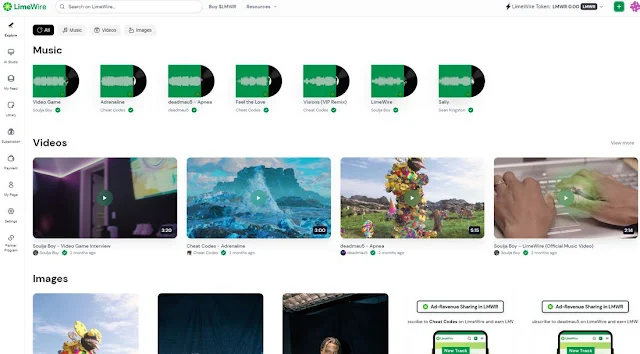
In a significant technological pivot, LimeWire, a name once synonymous with the controversial file-sharing applications of the early 2000s, has dramatically re-emerged as a cutting-edge generative AI content publishing and monetization platform. This transformative shift positions LimeWire at the forefront of the burgeoning AI creator economy, offering a comprehensive suite of tools for users to generate, share, and monetize digital content, primarily focusing on AI-driven image creation with ambitious plans for expansion into music and video. The platform aims to democratize access to sophisticated AI content generation, providing a unique ecosystem where creators can leverage advanced artificial intelligence models, mint their work as Non-Fungible Tokens (NFTs), and earn revenue through an integrated ad-sharing model and blockchain royalties.
A Strategic Re-emergence: From P2P to AI Frontier
The journey of LimeWire from its notorious past to its current iteration is a compelling narrative of technological adaptation and strategic re-invention. The original LimeWire, launched in 2000, gained widespread recognition as a peer-to-peer (P2P) file-sharing client, facilitating the exchange of digital files, predominantly music, across a vast network of users. While immensely popular, its operations were mired in protracted legal battles with the recording industry over copyright infringement, ultimately leading to its shutdown by court order in 2010. For over a decade, the brand lay dormant, its legacy intertwined with the tumultuous early days of digital media distribution and intellectual property rights.
The decision to resurrect LimeWire in the Web3 and AI era marks a profound strategic redirection. Recognizing the exponential growth in generative AI capabilities and the increasing prominence of the creator economy underpinned by blockchain technology, the new LimeWire project was conceived to address contemporary demands for digital asset creation, ownership, and monetization. This re-launch, spearheaded by a new team and vision, began to take shape in the early 2020s, culminating in the unveiling of the LimeWire AI Studio. This strategic pivot aligns the brand with some of the most dynamic and disruptive technological trends of the decade, moving from a platform that facilitated unauthorized content sharing to one that champions original, AI-assisted content creation and legitimate digital asset ownership. The re-branding aims to leverage residual brand recognition while completely redefining its public image and operational philosophy, moving from a grey market entity to a legitimate, innovative player in the digital creative space.
LimeWire AI Studio: Empowering Generative Creation
At the core of the new LimeWire ecosystem is the LimeWire AI Studio, a versatile platform designed to empower both novice and experienced creators. Currently, the studio places a strong emphasis on AI image generation, offering users access to a spectrum of advanced models, including Stable Diffusion 2.1, Stable Diffusion XL, and DALL-E 2. This multi-model approach ensures that creators have diverse stylistic options and computational power at their fingertips, enabling them to produce high-quality, unique visual content.
The user experience within the AI Studio is designed for flexibility and ease of use. Creators can initiate their projects with simple text prompts, allowing the AI to interpret and generate images based on minimal input. For those seeking more granular control, the platform supports intricate instructions and advanced customization options, enabling fine-tuning of visual elements, composition, and aesthetic details. A standout feature is the seamless integration of various design styles, allowing users to effortlessly switch between cinematic, digital art, pixel art, anime, analog film, and numerous other artistic modalities. Each style imparts a distinctive visual identity, offering broad creative possibilities and encouraging experimentation. Furthermore, the platform incorporates features like samplers for refining image quality and detail, alongside prompt guidance to assist users in crafting more effective and precise generative commands. In a testament to its commitment to innovation, LimeWire is actively developing its proprietary AI model, signaling ongoing enhancements and a continuous expansion of its image generation capabilities, promising even more unique outputs and creative horizons for its user base.
Beyond image generation, LimeWire has articulated ambitious plans to expand its AI Studio offerings significantly. The roadmap includes the imminent introduction of AI music and video generation tools, which would transform the platform into a comprehensive multimedia AI creation hub. This strategic expansion is anticipated to unlock entirely new avenues for artistic expression, allowing creators to produce full-fledged digital experiences, from visual art to sonic landscapes and dynamic motion content, all within a single, integrated environment. Such an evolution would position LimeWire as a formidable competitor in the broader digital content creation market, catering to a diverse array of artists and creators.
Monetization and Ownership in the Web3 Era: NFTs and Ad Revenue
A cornerstone of LimeWire’s new value proposition is its robust framework for content monetization and digital ownership, deeply integrated with Web3 technologies. Unlike traditional platforms where creators often cede significant control or receive a small fraction of revenue, LimeWire is designed to empower artists with direct earning potential and verifiable ownership of their digital assets.
Upon the creation of content within the LimeWire AI Studio, users are presented with the option to publish their work. An innovative feature automatically mints these creations as Non-Fungible Tokens (NFTs) on either the Polygon or Algorand blockchain. This automated process is crucial; it imbues each piece of digital art with a unique, immutable digital signature, securing its authenticity, provenance, and ownership in a decentralized ledger. This transforms mere digital files into verifiable, tradable assets, a fundamental principle of the Web3 economy. Creators retain significant control over the accessibility of their NFT creations. They can opt for a public release, making their content discoverable by anyone within the LimeWire community and the broader blockchain ecosystem. This fosters engagement and interaction, and crucially, opens avenues for enthusiasts and collectors to trade these NFTs on secondary markets. Alternatively, creators can choose to share their posts exclusively with premium subscribers, curating a more intimate and personalized experience for dedicated fans and creating tiered access to specialized content. This flexibility caters to different creator strategies, from broad public outreach to exclusive fan engagement. Furthermore, LimeWire implements a compelling royalty model: creators earn a 2.5% royalty each time their content is traded on the platform, providing a continuous passive income stream and incentivizing the creation of high-demand, valuable digital assets. This mechanism aligns creator incentives with the long-term value and tradability of their work.
In addition to NFT royalties, LimeWire introduces an attractive ad revenue-sharing model. When creators publish content, they receive 70% of all ad revenue generated from other users viewing their images, music, and videos on the platform. This generous revenue split stands in stark contrast to many established digital platforms, which often retain a significantly larger portion of ad earnings. For designers, artists, and emerging creators, this model offers a substantial incentive to produce and share content, transforming creative endeavors into a tangible income stream. It democratizes the earning potential, allowing even those without massive followings to generate revenue from their work. This revenue is disbursed monthly in LMWR tokens, LimeWire’s native cryptocurrency. The LMWR token serves a dual purpose: it is the primary medium for creator payouts and can also be used to pay for prompts and other services within the LimeWire generative AI tools. The tradability of LMWR on popular crypto exchange platforms like Kraken, ByBit, and UniSwap provides liquidity and further integrates creators into the broader cryptocurrency market, offering financial flexibility and asset management options.
Accessibility, Community, and Endorsements
LimeWire emphasizes accessibility through its tiered pricing structure, ensuring that its AI tools are available to a broad spectrum of users. A free tier allows anyone to sign up and begin creating, offering 10 credits per day, enabling the generation of up to 20 AI images. This free access significantly lowers the barrier to entry for aspiring creators and those looking to experiment with generative AI without an initial financial commitment. Even at this level, users receive a 50% share of ad revenue, providing a taste of the platform’s monetization potential.
For more prolific creators or those seeking enhanced capabilities, LimeWire offers a range of premium subscription plans:
- Basic ($9.99/month): Provides 1,000 credits (up to 2,000 image generations), early access to new AI models, and a 50% ad revenue share.
- Pro ($29/month): Offers 3,750 credits (up to 7,500 image generations), early access to new AI models, and a 60% ad revenue share.
- Creator ($49/month): Includes 5,000 credits (up to 10,000 image generations), early access to new AI models, and a 70% ad revenue share.
- Elite ($99/month): Delivers 11,250 credits (up to 22,500 image generations), early access to new AI models, and a 70% ad revenue share.
All premium plans come with additional benefits, including a Pro profile badge, full creation history access, faster image generation speeds, and an ad-free experience, enhancing the overall user experience for dedicated creators.
The platform has also garnered significant attention from established artists and musicians, signaling its growing legitimacy and appeal within the professional creative community. Notable figures such as Deadmau5, Soulja Boy, and Sean Kingston have embraced LimeWire Studio to publish their content, leveraging its NFT capabilities for music, videos, and images. This celebrity endorsement not only adds credibility but also demonstrates the platform’s potential to serve as a viable distribution and monetization channel for artists across various media. The community aspect is further cultivated through fan subscriptions, allowing followers to immerse themselves in creators’ journeys, gain ownership of digital collectibles, and engage in trading within the LimeWire ecosystem, fostering a vibrant, interactive environment.
Broader Implications and Future Outlook
LimeWire’s re-emergence as an AI-powered content and monetization platform carries significant implications for the broader digital creative landscape. It represents a potent force in the democratization of creativity, providing an inclusive platform where individuals, regardless of their technical or artistic background, can harness the power of AI to produce sophisticated digital art and potentially, music and video. By streamlining the process from creation to NFT minting and revenue generation, LimeWire eliminates many traditional barriers that have historically hindered artists from monetizing their work effectively.
However, its journey is not without challenges. The generative AI space is rapidly evolving and highly competitive, with established players and innovative startups constantly pushing the boundaries of what AI can achieve. Ethical considerations surrounding AI-generated content, including issues of copyright, data provenance, and the potential for misuse, remain critical areas of debate and development across the industry. LimeWire, like other platforms, will need to navigate these complex issues with robust policies and technological solutions.
Despite these challenges, LimeWire’s integrated approach—combining advanced AI creation tools with a native Web3 monetization and ownership model—positions it uniquely. Its focus on royalties, substantial ad revenue sharing, and the utility of its LMWR token provides a compelling ecosystem for creators seeking direct financial benefits from their digital output. The planned expansion into AI music and video generation holds the promise of transforming LimeWire into a comprehensive digital media powerhouse, capable of hosting and monetizing a vast array of AI-generated content. This could redefine how digital art is created, owned, distributed, and valued, fostering a new generation of creators deeply integrated into the decentralized web. As LimeWire continues to innovate and expand its offerings, its trajectory will be a crucial indicator of the future direction of the AI-driven creator economy and the broader adoption of Web3 technologies in mainstream content production.