admin
admin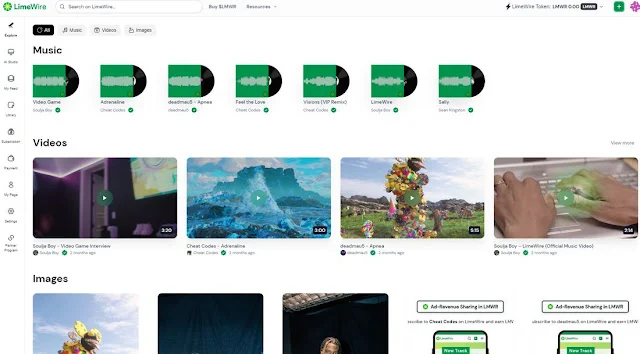
In a significant strategic pivot, LimeWire, a name historically synonymous with peer-to-peer file sharing, has re-emerged as a sophisticated generative AI content publishing platform, marking a dramatic shift from its Web2 origins to a Web3-centric future. This revitalized entity positions itself as a unique nexus where cutting-edge artificial intelligence tools converge with blockchain technology to empower creators with innovative methods for content generation, distribution, and monetization. Far from its past controversies, the new LimeWire aims to democratize creative expression, offering a robust ecosystem for artists, musicians, and designers to produce, share, and earn revenue from their digital creations, particularly focusing on AI-generated imagery with ambitious plans for expansion into music and video.
From File Sharing Icon to AI Innovator: A Chronological Rebirth
The journey of LimeWire from its early 2000s notoriety to its current incarnation is a compelling narrative of technological evolution and adaptation. The original LimeWire gained immense popularity as a free, open-source file-sharing client, leveraging the Gnutella network to allow users to share digital files, primarily music, movies, and software. Its ease of use and widespread adoption made it a staple for many internet users seeking digital content, but it also placed the company squarely in the crosshairs of copyright holders. The music industry, particularly the Recording Industry Association of America (RIAA), launched extensive legal battles against LimeWire, alleging massive copyright infringement. These protracted legal challenges ultimately led to a permanent injunction in October 2010, forcing the shutdown of the original LimeWire service. This marked the end of an era for one of the internet’s most recognized, albeit controversial, file-sharing platforms.
For over a decade, the LimeWire brand lay dormant, a relic of the early internet. However, in 2022, a new entity acquired the intellectual property rights to LimeWire and announced its ambitious plan for a relaunch. This was not merely a rebranding but a fundamental reimagining of the platform, designed from the ground up to align with the burgeoning Web3 and generative AI landscapes. The decision to resurrect the brand, albeit with an entirely new purpose, was a calculated move to leverage a globally recognized name while simultaneously signaling a definitive break from its past. The new LimeWire was conceived as an AI content publishing platform integrated with non-fungible tokens (NFTs) and cryptocurrency, targeting the rapidly growing creator economy. This strategic shift reflects a broader industry trend where legacy brands are seeking relevance in decentralized and AI-driven digital spaces.
LimeWire Studio: The Hub for AI-Powered Creation
At the heart of the reimagined platform is LimeWire Studio, a comprehensive creative hub designed to facilitate the generation, sharing, and monetization of original AI content. Currently, the studio places a significant emphasis on AI image generation, providing users with a suite of sophisticated tools to transform textual prompts into visual art. The platform’s commitment to cutting-edge technology is evident in its support for advanced AI models, including Stable Diffusion 2.1, Stable Diffusion XL, and DALL-E 2. This multi-model approach offers creators unparalleled flexibility and access to diverse generative capabilities, allowing for the production of high-quality, unique images that cater to a wide range of artistic visions.
Users can initiate their creative process with prompts ranging from simple keywords to elaborate descriptive passages, guiding the AI to produce outputs that closely align with their intentions. A standout feature of LimeWire Studio is its seamless integration of various design styles. Creators can effortlessly switch between cinematic, digital art, pixel art, anime, analog film, and numerous other aesthetic presets. Each style applies a distinct visual identity, enabling users to experiment with different moods and artistic expressions for their AI-generated images. Beyond stylistic choices, the platform incorporates advanced customization options, including samplers to fine-tune image quality and detail, and prompt guidance features that assist both novice and experienced creators in optimizing their inputs for desired outcomes.
Looking ahead, LimeWire has publicly articulated ambitious plans to expand its generative AI offerings beyond static images. The development roadmap includes the imminent introduction of AI music and video generation tools. This strategic expansion is anticipated to unlock a new dimension of creative possibilities for users, allowing for the production of complete multimedia experiences entirely within the LimeWire ecosystem. Furthermore, the platform is actively developing its proprietary AI model, signaling a long-term commitment to innovation and the continuous enhancement of its generative capabilities. This proprietary model could potentially offer unique features and performance advantages, further solidifying LimeWire’s position in the competitive AI content creation market.
Blockchain Integration and Creator Monetization
A cornerstone of LimeWire’s new business model is its deep integration with Web3 technologies, particularly blockchain for NFT minting and cryptocurrency for revenue distribution. This model is designed to empower creators with true ownership of their digital assets and provide direct avenues for monetization, distinguishing it from traditional Web2 platforms that often retain significant control and a larger share of revenue.
Upon the completion of a creative endeavor within LimeWire Studio, creators are presented with the option to publish their content. A crucial step in this process is the automated minting of the creation as a Non-Fungible Token (NFT). LimeWire facilitates this by leveraging established blockchain networks such as Polygon or Algorand. The choice of these blockchains is strategic, as both are known for their scalability, lower transaction fees, and energy efficiency compared to older networks, making them suitable for mass adoption and frequent transactions inherent in a content creation platform. This automated minting process imbues each piece of content with a unique digital signature, verifying its authenticity, provenance, and ownership on a decentralized ledger.
The platform offers creators flexibility in how their NFT creations are distributed and accessed. Content can be released publicly, making it discoverable by the wider LimeWire community and the broader NFT market. This public release option encourages engagement and interaction, as enthusiasts can discover, collect, and trade these NFTs. Critically, creators earn a 2.5% royalty each time their content is traded on the secondary market. This continuous royalty stream provides a novel and sustainable revenue model, ensuring creators benefit from the long-term value and popularity of their work beyond the initial sale.
Alternatively, creators can opt for a premium subscription model, choosing to share their posts exclusively with dedicated subscribers. This creates an intimate and personalized experience, allowing creators to cultivate a loyal fanbase and offer specialized content as a perk for their most ardent supporters. Fans who subscribe to creators’ pages not only gain exclusive access but also have the opportunity to own digital collectibles, which, in turn, hold tradable value within the LimeWire community. This tiered access system provides creators with diverse strategies for audience engagement and revenue generation.
Beyond NFT sales and royalties, LimeWire introduces an additional monetization stream: ad revenue sharing. The platform commits to sharing a significant portion of ad revenue generated from views of creators’ content. Specifically, creators can receive up to 70% of all ad revenue from other users who view their images, music, and videos on the platform. This model represents a substantial departure from many traditional content platforms where ad revenue shares for creators are often lower and subject to more complex eligibility criteria. For designers, artists, and future musicians and videographers, this direct revenue share offers a tangible incentive to experiment with AI tools, publish regularly, and build an audience, providing a supplementary income stream.
All earnings within the LimeWire ecosystem are distributed in LMWR tokens, LimeWire’s native cryptocurrency. This token plays a central role in the platform’s economy, serving as the primary medium for creator payouts. LMWR tokens are designed to be highly liquid and are tradable on several popular cryptocurrency exchange platforms, including Kraken, ByBit, and UniSwap, providing creators with immediate avenues to convert their earnings into fiat currency or other digital assets. Furthermore, LMWR tokens have utility within the platform itself; users can utilize them to pay for prompts when engaging with LimeWire’s generative AI tools, creating a closed-loop economic system that incentivizes holding and using the token.
Market Positioning and Notable Adoptions
LimeWire’s strategic re-entry into the digital landscape is not without its competitive challenges, operating within the rapidly expanding and fiercely contested fields of generative AI and Web3. The platform faces competition from established generative AI tools like Midjourney, DALL-E 3, and Adobe Firefly, as well as a myriad of emerging blockchain-based creative platforms. However, LimeWire differentiates itself by offering a comprehensive, integrated solution that combines AI content creation with robust Web3 monetization and community features under a single brand.
The platform has already attracted notable figures from the music and art industries, signaling its potential to resonate with established creators. Acclaimed artists and musicians such as Deadmau5, Soulja Boy, and Sean Kingston have embraced LimeWire Studio to publish their content, particularly in the form of NFT music, videos, and images. Their participation lends significant credibility to the platform and highlights the appeal of its unique monetization and ownership models. For these artists, LimeWire represents an innovative avenue for direct fan engagement, exploration of new revenue streams, and a foray into the evolving world of digital asset ownership, bypassing traditional intermediaries. This early adoption by high-profile artists serves as a powerful endorsement, suggesting that LimeWire offers a compelling value proposition that addresses contemporary creator needs for autonomy and financial empowerment.
Flexible Pricing and Accessibility
LimeWire is committed to accessibility, offering a tiered pricing structure that caters to a broad spectrum of users, from casual experimenters to professional creators. A free tier allows anyone to sign up and begin exploring the AI tools without upfront costs. This free plan typically includes a set number of credits (e.g., 10 credits) which can facilitate a significant number of image generations (e.g., up to 20 AI images per day), alongside a 50% share of ad revenue generated from their content. This entry-level access is crucial for onboarding new users and fostering a vibrant creative community.
For creators seeking enhanced capabilities and greater earning potential, LimeWire offers several premium subscription plans:
- Basic Plan: Priced at approximately $9.99 per month, this plan typically provides 1,000 credits per month, allowing for up to 2,000 image generations. Subscribers also receive early access to new AI models and maintain a 50% ad revenue share.
- Pro Plan: At around $29 per month, this tier significantly boosts resources, offering 3,750 credits per month for up to 7,500 image generations, early access to new AI models, and an increased ad revenue share of 60%.
- Advanced Plan: For approximately $49 per month, users gain 5,000 credits per month, enabling up to 10,000 image generations, continued early access to new AI models, and a further enhanced ad revenue share of 70%.
- Ultimate Plan: The highest tier, at roughly $99 per month, provides 11,250 credits per month for up to 22,500 image generations, alongside early access to new AI models and the maximum 70% ad revenue share.
All premium plans come with additional benefits designed to enhance the professional creator experience, including a Pro profile badge for increased visibility, access to a full creation history, faster image generation speeds, and an ad-free user interface. This tiered model allows creators to scale their usage and monetization opportunities according to their needs and creative output.
Broader Impact and Implications for the Creator Economy
LimeWire’s transformation holds significant implications for the broader creator economy and the future of digital content. By integrating generative AI tools with blockchain-based ownership and direct monetization, the platform represents a powerful step towards decentralizing creative control and empowering individual artists. The model challenges traditional paradigms where platforms often act as gatekeepers, taking substantial cuts from creator earnings and dictating terms of distribution.
The emphasis on NFT ownership and continuous royalties addresses a critical pain point for digital artists: securing intellectual property rights and deriving long-term value from their work in an easily replicable digital world. The ad revenue sharing model, particularly the high percentage offered to creators, could set a new benchmark for how platforms compensate their content producers, potentially influencing other major platforms to re-evaluate their own revenue-sharing policies.
Furthermore, the planned expansion into AI music and video generation positions LimeWire as a potential disruptor in multiple creative industries. Imagine musicians generating entire tracks or visual artists producing animated shorts with AI, then directly minting and monetizing them as NFTs, earning royalties from every trade. This could significantly lower the barrier to entry for aspiring creators who lack traditional production resources, fostering a more diverse and innovative creative landscape.
However, the platform also operates within a nascent and evolving regulatory environment for cryptocurrencies and NFTs. Issues such as market volatility, user education on blockchain technology, and the ethical considerations surrounding AI-generated content (e.g., copyright of AI-generated works, deepfakes) will remain critical challenges that LimeWire, like all Web3 and AI platforms, must navigate carefully. Despite these challenges, LimeWire’s audacious pivot and integrated approach position it as a noteworthy player in the ongoing evolution of digital creativity and ownership.
Conclusion
LimeWire’s re-emergence as a generative AI and Web3 content platform is a compelling case study in brand reinvention and technological adaptation. By shedding its controversial file-sharing past, the platform has successfully leveraged cutting-edge artificial intelligence for content creation and integrated robust blockchain technology for ownership and monetization. It offers a compelling vision of a democratized creative landscape where artists are empowered with powerful tools, direct revenue streams through NFTs and ad sharing, and true ownership of their digital assets. As LimeWire continues to innovate, particularly with its forthcoming AI music and video generation tools and proprietary AI model, it stands poised to significantly influence the future trajectory of the creator economy, pushing the boundaries of what is possible in digital art and content distribution. The platform’s journey from a file-sharing icon to an AI-driven creative powerhouse underscores the dynamic nature of the internet and the perpetual pursuit of new paradigms for digital interaction and value creation.