Nila Kartika Wati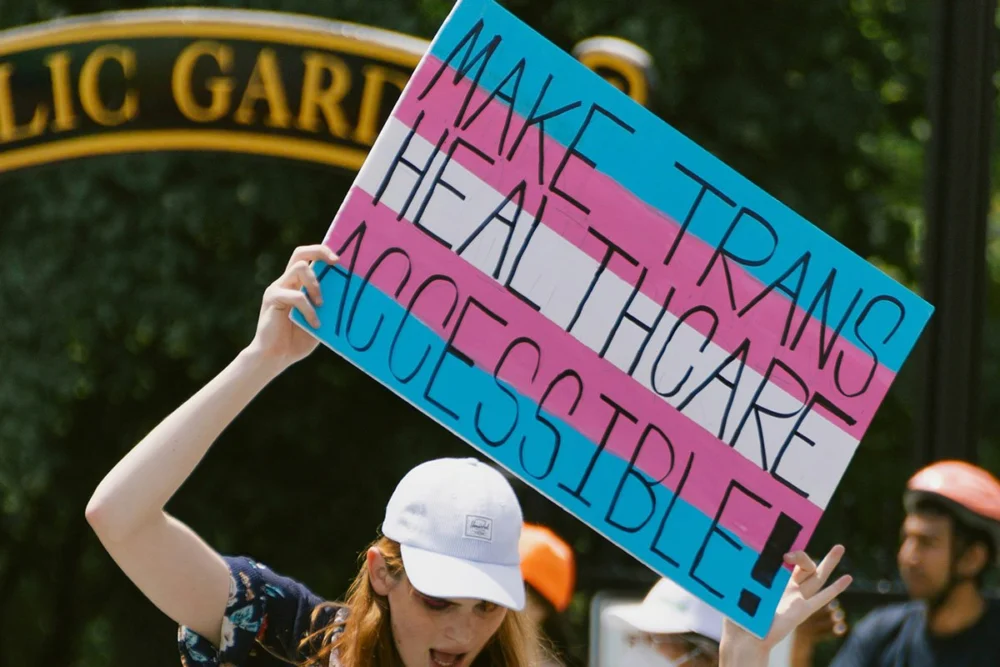
For Star Gates, a 36-year-old pub cook living in a small town near Columbus, Ohio, the decision to pursue gender-affirming care was the culmination of years of quiet reflection and a sudden, cinematic realization. After watching the film "I Saw the TV Glow," which explores themes of repressed identity and the passage of time, Gates, who is nonbinary and transfeminine, decided she could no longer wait to align her physical self with her internal identity. Her goal was straightforward: to access hormone replacement therapy (HRT) through Planned Parenthood, an organization she trusted to provide supportive, competent care for the LGBTQ+ community. However, when she attempted to book an appointment at the North Columbus Health Center, she discovered a systemic roadblock that has left thousands of low-income Americans in a state of medical limbo.
Planned Parenthood, the nation’s largest provider of reproductive and primary healthcare, has been effectively severed from the federal Medicaid program following a series of legal and executive actions. For Gates, who relies on Medicaid because her employment does not offer insurance and her income remains modest, this policy shift transformed a path toward personal fulfillment into a logistical and financial impossibility. The nearest clinic capable of providing the care she requires no longer accepts her insurance, forcing a choice between paying out-of-pocket—an expense she cannot afford—or navigating a healthcare system that is often indifferent or hostile to transgender patients.
The Federal Policy Shift and Legal Timeline
The exclusion of Planned Parenthood from the Medicaid program is the result of a multi-year effort by the federal government and various state legislatures to "defund" the organization. While the Hyde Amendment has long prohibited federal funds from being used for most abortion services, the recent actions target the entirety of the organization’s healthcare services, including STI testing, cancer screenings, contraception, and gender-affirming care.
The timeline of these developments reached a critical juncture in the summer of 2025, when the Trump administration signed a federal ban into law, and subsequent federal appeals court rulings upheld the government’s right to exclude Planned Parenthood as a qualified provider under the Medicaid program. By September 2025, the impact was felt nationwide as clinics began notifying patients that their insurance would no longer be accepted.
In Ohio, the situation is particularly acute. A federal appeals court ruling allowed the state to move forward with plans to remove Planned Parenthood from its Medicaid provider network. This decision affected approximately 22,000 patients across the state. Furthermore, the state of Ohio has demanded that Planned Parenthood of Greater Ohio (PPGOH) repay approximately $800,000 for services rendered to Medicaid patients during the three-month period between July and September 2025, while the legal battle was still unfolding in court.
Impact on Ohio’s Healthcare Infrastructure
The financial strain caused by the loss of Medicaid reimbursements and the demand for repayment has forced Planned Parenthood of Greater Ohio to make difficult operational decisions. Erica Wilson-Domer, president and CEO of PPGOH, confirmed that the organization has had to reduce its workforce, including frontline medical staff, to mitigate the loss of funding. This reduction in capacity comes at a time when demand for their services remains high.
According to data from the Columbus Dispatch, PPGOH provided care to over 50,000 patients in 2024. The scope of this care extends far beyond reproductive health:
- Over 156,000 tests for sexually transmitted infections (STIs).
- More than 11,300 HIV tests.
- Over 10,000 preventative care visits, including life-saving cancer screenings.
- Approximately 7,600 visits specifically for gender-affirming care.
The loss of Medicaid funding creates a "squeeze" on the healthcare safety net. In many parts of Ohio, particularly in rural and Appalachian regions, Planned Parenthood is the only provider willing to accept Medicaid or offer sliding-scale fees for specialized services. The Athens Health Center in southeast Ohio, for instance, serves a significant population of transgender individuals who travel from across the region to access care. Without Medicaid coverage, these patients are often left with no local alternatives, as many private practices in the state refuse to accept Medicaid patients due to low reimbursement rates.
The Intersection of LGBTQ+ Identity and Economic Vulnerability
The impact of Medicaid cuts disproportionately affects the LGBTQ+ community due to existing socio-economic disparities. Data from the Williams Institute at the UCLA School of Law indicates that LGBTQ+ adults are twice as likely as their non-LGBTQ+ peers to rely on Medicaid as their primary source of health insurance. This disparity is often linked to workplace discrimination, higher rates of poverty among transgender individuals, and the lack of familial financial support.
For transgender patients like Star Gates, the loss of insurance coverage at Planned Parenthood is not just a financial hurdle; it is a barrier to safe healthcare. Research consistently shows that LGBTQ+ individuals face higher rates of medical discrimination. According to a 2022 survey, a significant percentage of LGBTQ+ people reported being refused care or treated with disrespect by medical professionals.
Gates noted that while she hasn’t always faced overt discrimination, she has frequently felt "ignored" or misunderstood by general practitioners. Planned Parenthood has historically filled this gap by training staff in gender-affirming protocols and creating an environment where trans patients feel seen and respected. When these clinics are removed from the Medicaid network, patients are forced back into a general healthcare system that may lack the competency to treat them properly.
Specialized Responses: PPRX and the Pharmacy Gap
Recognizing the unique challenges faced by their trans patients, Planned Parenthood of Greater Ohio launched PPRX, a specialized pharmacy in Akron, approximately two years ago. The initiative was born out of feedback from patients who struggled to fill prescriptions for hormone replacement therapy at traditional pharmacies. Patients reported facing invasive questions from pharmacists, difficulty obtaining the necessary supplies (such as specific needles for injections), and general discomfort during the pickup process.
PPRX was designed to provide a low-cost, discreet, and supportive alternative for both Planned Parenthood patients and the general public. However, the efficacy of such programs is threatened when the primary healthcare visits—where those prescriptions are written—are no longer covered by insurance. While PPGOH continues to offer discounts and payment plans, the out-of-pocket costs for office visits and lab work can still be prohibitive for those living on a pub cook’s wages or other low-income positions.
National Landscape and the "Two Americas" of Healthcare
The crisis in Ohio reflects a broader national trend. Since the federal ban took effect, at least 20 Planned Parenthood clinics have closed their doors across the United States. The closures have primarily occurred in states that have aggressively moved to exclude the organization from state-administered healthcare programs.
However, a sharp divide has emerged between states. According to a report from KFF (formerly the Kaiser Family Foundation), 11 states led by Democratic administrations have allocated millions of dollars in state funds to "fill the gap" left by the federal Medicaid cuts. These states, which include California, New York, and Illinois, have prioritized maintaining access for Medicaid enrollees, ensuring that Planned Parenthood clinics can continue to operate without turning away low-income patients.
In contrast, states like Ohio, Texas, and Florida have moved to make the exclusion permanent. Legal experts, such as Katie Keith of the O’Neill Institute at Georgetown Law, point out the ideological contradictions in some of these states. For example, Ohio voters passed a ballot measure in 2023 that protected the right to abortion. Despite this clear mandate from the electorate regarding reproductive freedom, the state government continues to pursue policies that restrict the financial viability of the state’s primary reproductive healthcare provider.
Broader Implications and Fact-Based Analysis
The long-term implications of these funding cuts extend beyond the transgender community. Healthcare analysts warn that the exclusion of Planned Parenthood from Medicaid will lead to a rise in "healthcare deserts," particularly for maternal health and preventative screenings. When a major provider is forced to reduce staff or close locations, the remaining clinics in the area—often community health centers or hospital systems—frequently lack the capacity to absorb the influx of new patients.
For the transgender community specifically, the restriction of gender-affirming care through Medicaid is viewed by advocates as a form of "de facto" transition ban for the poor. While wealthier individuals can pay for private insurance or out-of-pocket care, low-income individuals are left with fewer options, often leading to the "repressing" of identity that Star Gates feared after watching "I Saw the TV Glow."
The psychological toll of these barriers is significant. Gates described the experience of navigating these roadblocks as "exhausting," noting that the simple desire for medical guidance should not be a radical or "crazy" request.
The Path Forward for Patients
Despite the setbacks, Star Gates and many others like her are seeking alternative routes. Gates recently began seeing a new therapist—a queer woman with whom she feels a strong sense of safety. While she has had to delay the start of hormone replacement therapy due to the insurance issues at Planned Parenthood, she is working with her therapist to develop a long-term plan for her transition.
The legal battle over Medicaid funding is expected to continue, with several state attorneys general challenging the federal cuts. However, with Planned Parenthood recently dropping its primary lawsuit against the Trump administration following legal setbacks, the immediate future for Medicaid patients in states like Ohio remains uncertain. For now, the burden of navigating a fragmented and increasingly expensive healthcare system falls squarely on the shoulders of the patients themselves, who must balance their medical needs with the harsh realities of a shifting political and legal landscape.