Nila Kartika Wati
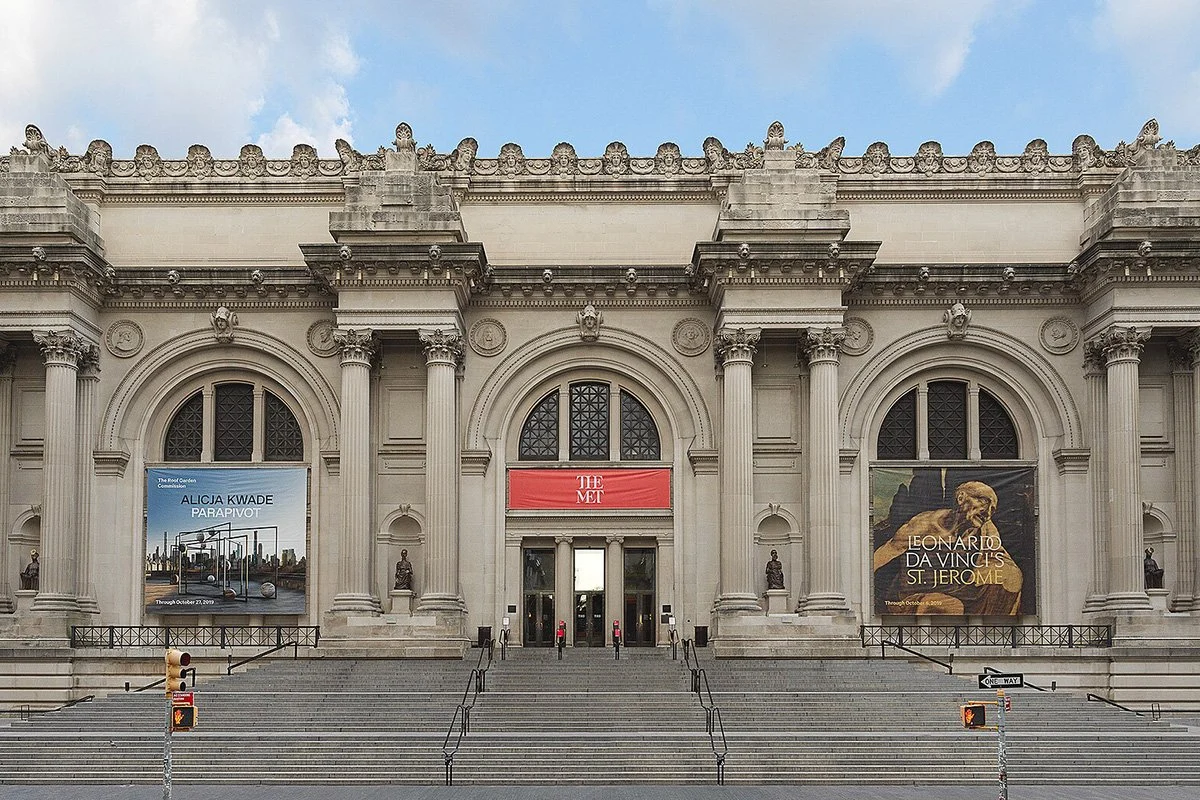
In a definitive shift for one of the world’s most prestigious cultural institutions, nearly 900 employees at the Metropolitan Museum of Art (the Met) have voted by an overwhelming 76 percent margin to unionize with UAW Local 2110. The election, concluded in January 2026, marks a watershed moment for the labor movement within the nonprofit sector, specifically targeting the professional, curatorial, and administrative staff who form the backbone of the Manhattan landmark. The final tally, overseen by the National Labor Relations Board (NLRB), saw 542 votes in favor of unionization against 172 opposed, signaling a clear mandate for collective bargaining after a multi-year organizing effort that survived the pressures of a global pandemic and internal institutional restructuring.
The successful vote incorporates a diverse array of departments, including conservation, curation, the Thomas J. Watson Library, and information technology. This victory is not an isolated event but rather the culmination of a movement that began in 2020, as the COVID-19 pandemic exposed vulnerabilities in the museum’s employment structure. For nonprofit leaders and the broader philanthropic community, the Met’s transition to a unionized workplace offers a significant case study in how staff-led movements are redefining the relationship between institutional mission and internal governance.
A Chronology of the Organizing Campaign
The seeds of the union drive were planted during the height of the pandemic in 2020. As the museum faced unprecedented closures and financial uncertainty, employees began informal discussions regarding job security and the lack of transparency in executive decision-making. By 2022, these conversations evolved into a formal partnership with UAW Local 2110, an amalgamated union known for representing white-collar and "Technical, Office, and Professional" (TOP) workers at institutions such as the Brooklyn Museum, the Museum of Modern Art (MoMA), and the Philadelphia Museum of Art.
Throughout 2023 and 2024, the organizing committee worked to bridge the gap between disparate departments. Traditionally, museum staff in specialized roles like conservation or curation have viewed their positions through the lens of academic or artistic prestige, often at the expense of labor-focused advocacy. However, the campaign successfully argued that professional passion should not be a substitute for workplace protections.
In November 2025, the organizers officially petitioned the NLRB for an election. The subsequent months were characterized by intense internal dialogue, with the museum administration issuing communications regarding the potential impact of a union on the institution’s collaborative culture. On January 16, 2026, the election results were certified, though 100 ballots remain sealed due to challenges by the museum. These challenges center on whether certain staff members qualify as supervisory or confidential employees under federal labor law. The final status of these employees will be determined through an arbitration process following the union’s official certification.
Core Grievances: Pay Equity, Workload, and Consultation
The impetus for the unionization effort was rooted in three primary concerns: stagnant compensation in one of the world’s most expensive cities, escalating workloads, and a perceived lack of voice in institutional policy. According to UAW representatives, long-term pay inequalities have plagued the museum, with entry-level and mid-tier professional salaries failing to keep pace with New York City’s rising cost of living.
Alison Clark, a collections manager in the Asian Art department with over two decades of experience at the Met, noted that the museum’s decision-making process often marginalized the very people responsible for the day-to-day care of its five-thousand-year span of art history. "The museum often makes decisions without considering or consulting staff, such as changes to our work-from-home policy and erosion of our health and other benefits," Clark stated during the campaign. She highlighted that massive capital projects, which often attract significant donor funding and public acclaim, frequently result in the displacement of staff and the creation of "a lot of additional work" without corresponding increases in support or compensation.
Rebecca Capua, a conservator at the Met for 16 years, echoed these sentiments, emphasizing that the union win was a rejection of the status quo. "We won because we were able to convince our colleagues that they don’t have to accept whatever is offered to them, that their experience and hard work have earned them a seat at the table," Capua said. The sentiment among workers suggests that while the Met’s endowment—valued at billions of dollars—remains robust, the distribution of resources has historically prioritized physical expansion and high-profile acquisitions over the sustainable retention of its human capital.
Institutional Responses and Governance Challenges
The Metropolitan Museum of Art has long maintained that it fosters a culture of "inclusivity, collaboration, and creativity." In response to the union victory, a museum spokesperson stated that the institution respects the rights of its employees to seek representation. "The Met strives to ensure that we are not only one of the world’s leading art museums, but that we are also a workplace where our exceptional staff can succeed and thrive," the statement read.
The administration also pointed to its existing relationships with other labor organizations, including District Council 37 (DC37) and Local 306 of the International Alliance of Theatrical Stage Employees (IATSE), which represent the museum’s security, maintenance, and trade staff. The addition of UAW Local 2110 means that a vast majority of the museum’s workforce will now be under some form of collective bargaining agreement.
However, the unionization of professional staff presents unique challenges for nonprofit governance. The National Council of Nonprofits notes that boards are typically tasked with fiduciary oversight and mission alignment rather than granular workplace management. The Met’s experience suggests a growing tension: when an organization’s public-facing mission emphasizes social progress and community connection, staff increasingly expect those same values to be reflected in their internal contracts. The challenge for the Met’s Board of Trustees moving forward will be balancing the financial demands of a world-class institution with the contractual requirements of a newly empowered workforce.
Broader Implications for the Cultural Sector
The Met’s unionization is part of a broader "labor wave" sweeping through American cultural and educational institutions. Since 2019, workers at the Guggenheim, the Whitney Museum of American Art, and the Museum of Fine Arts, Boston, have all moved toward unionization. The victory at the Met is particularly significant due to the sheer size of the institution and its role as a trendsetter in the global arts community.
Labor analysts suggest that this trend is driven by a shift in the "prestige economy." For decades, cultural institutions relied on the high demand for museum jobs to keep wages low, assuming that the prestige of working at an elite institution was a form of non-monetary compensation. The 2026 victory at the Met indicates that this model is no longer sustainable. As the cost of urban living rises and the "gig economy" creates greater job instability, even workers at elite nonprofits are seeking the protections of traditional labor unions.
Furthermore, the victory at the Met provides "organizational intelligence" for other nonprofits. It suggests that treating employee grievances as isolated incidents rather than systemic issues can lead to a total breakdown in staff-management relations. By the time a union petition is filed, the "soft" channels of communication have usually already failed.
Next Steps: Contract Negotiations and Arbitration
Winning the election is only the first phase of the process. The newly formed Met union must now enter the collective bargaining phase to secure a first contract. These negotiations can often be protracted, sometimes lasting a year or more. Key points of contention are expected to include:
- Wage Scales: Establishing transparent salary tiers that account for inflation and seniority.
- Remote Work Protections: Formalizing work-from-home policies that were a major point of friction during the post-pandemic return-to-office phase.
- Healthcare and Benefits: Reversing the "erosion" of benefits cited by long-term staff like Alison Clark.
- Staffing Levels: Ensuring that capital projects and special exhibitions are sufficiently staffed to prevent burnout.
Simultaneously, the NLRB-monitored arbitration regarding the 100 challenged ballots will proceed. The outcome of this arbitration could slightly alter the final size and scope of the bargaining unit but is unlikely to change the overall result given the wide margin of the "Yes" vote.
As the Metropolitan Museum of Art enters this new era, the eyes of the nonprofit world remain fixed on Fifth Avenue. The success of the UAW Local 2110 campaign serves as a reminder that accountability in the 21st-century nonprofit must extend beyond the donors and the public to include the very individuals who sustain the institution’s daily operations. The Met’s path forward will likely serve as the blueprint for how large-scale cultural organizations navigate the complex intersection of artistic mission, financial sustainability, and labor rights.