Julia Chirkova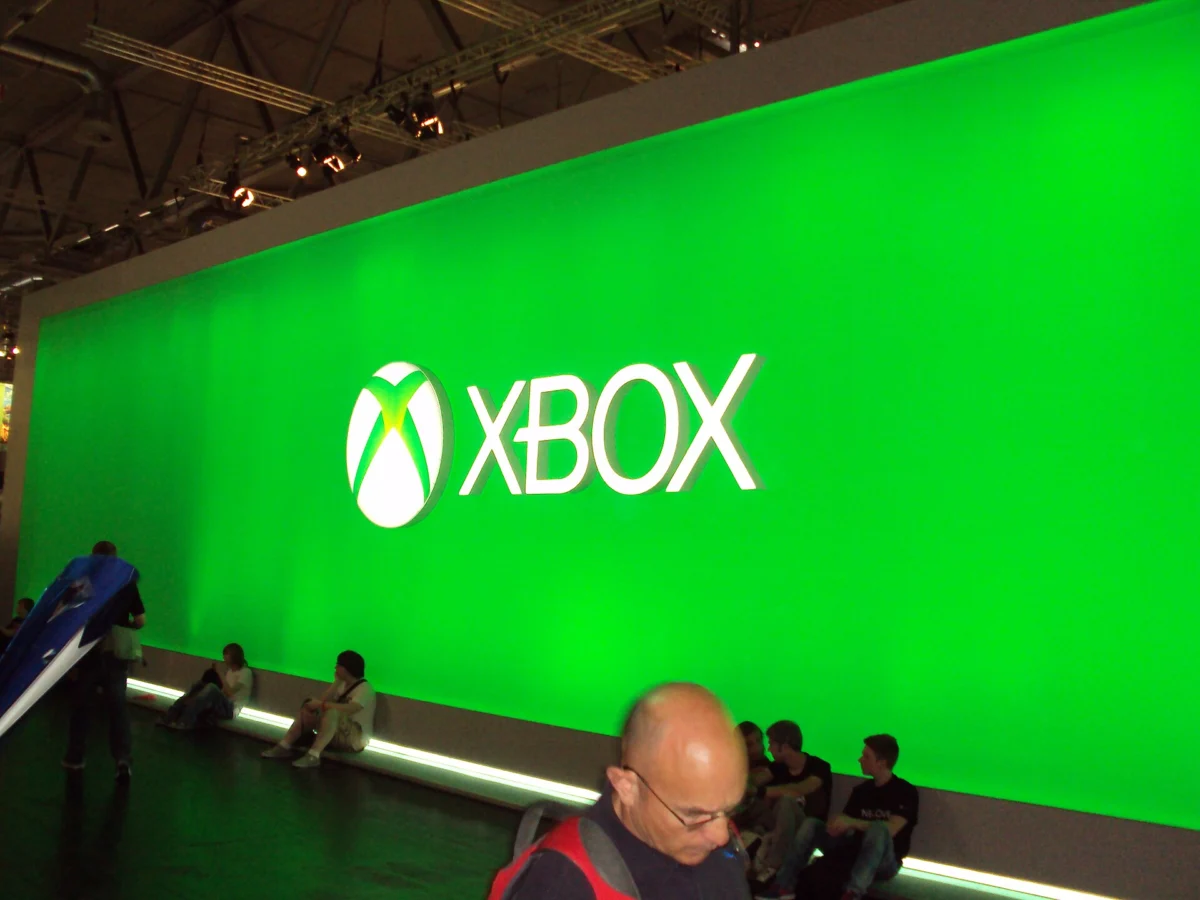
A proposed class-action lawsuit filed against Microsoft alleges the technology giant unfairly passed the costs of federal tariffs onto consumers while potentially benefiting from government refunds. The suit, initiated by Xbox purchaser Trevor Hastings, claims Microsoft exploited tariff-related price increases, only to later capitalize on reimbursements that consumers did not see returned to their pockets. This legal challenge casts a spotlight on the complex financial maneuvers companies may undertake in response to shifting trade policies and subsequent governmental actions.
The lawsuit was initially filed in King County Superior Court last month before being transferred to federal court. Hastings, a resident of Chula Vista, California, asserts that Microsoft’s pricing strategy during the period of President Donald Trump’s widely imposed tariffs effectively left consumers bearing the financial burden. The core of the accusation lies in the alleged dual benefit Microsoft may have reaped: first, by increasing prices ostensibly due to tariffs, and second, by receiving refunds when those tariffs were later deemed illegal, without proportionally lowering prices for consumers who had already paid the inflated costs.
This legal action against Microsoft is not an isolated incident. Several other prominent companies have faced similar accusations regarding the handling of tariff-related costs and refunds. Retailers and manufacturers including Amazon, Nintendo, Lululemon, and Costco have previously been targeted with lawsuits alleging that customers were unfairly made to absorb the financial impact of tariffs, while the companies themselves may have found ways to mitigate or even profit from subsequent refund processes. These repeated legal challenges suggest a pattern of consumer concern and potential scrutiny over corporate responses to international trade disputes.
Chronology of Tariffs and Legal Action
The period under scrutiny in the lawsuit against Microsoft spans from April 2025, when President Trump’s tariffs were broadly implemented, to February 2026, culminating with a U.S. Supreme Court ruling that invalidated these tariffs. Trevor Hastings contends that he purchased his Xbox console during this specific timeframe, thereby directly experiencing the alleged price inflation attributed to the tariffs.
The U.S. Supreme Court’s decision in February 2026 marked a significant turning point. The court ruled that the sweeping tariffs, first announced in April 2025, were illegal. Following this landmark ruling, the U.S. Department of the Treasury began disbursing substantial refunds to companies that had imported goods subject to these tariffs. Reports indicate that approximately $81 billion has been disbursed to date, representing a significant financial inflow for many import-reliant businesses.
Microsoft’s pricing adjustments for its Xbox consoles occurred in two notable phases. In October of the previous year, the company implemented a price increase ranging from $20 to $70 per console, depending on the specific model. At the time of this initial hike, Microsoft did not publicly attribute the price increase to tariffs or any specific external factor. Instead, the company cited "changes in the macroeconomic environment" as the reason for the adjustment. This vague explanation has drawn skepticism from consumers and legal experts alike, particularly in light of the subsequent legal proceedings.
A second price adjustment was announced by Microsoft in June, with new pricing effective August 1st. This subsequent increase was attributed by the company to what it termed the "components crisis." Microsoft elaborated that the escalating costs of materials, particularly those impacting memory and storage for electronic devices, were driven by the rapid development and demand in artificial intelligence. The company further explained that video game consoles, including the Xbox, are disproportionately affected by this crisis compared to products like smartphones and computers because consoles are typically not sold at a profit. Microsoft indicated that the costs of storage and memory had more than doubled since its last price adjustment and projected further doubling of these costs by the fall of 2027.
Legal Claims and Seeking Redress
The proposed class-action lawsuit, now filed in the U.S. District Court for the Western District of Washington, seeks significant monetary relief for affected consumers. The legal action aims to recover compensatory damages, intended to make consumers whole for the financial losses they allegedly incurred. Additionally, the lawsuit is seeking punitive damages, which are designed to punish the defendant for egregious conduct and deter similar future actions. The plaintiffs also intend to recover their litigation costs, which can be substantial in complex class-action cases.
The core of Hastings’ argument is that Microsoft’s actions created a situation where consumers paid more for their Xbox consoles due to tariffs that were ultimately deemed unlawful. When the government subsequently refunded these tariff payments to importing companies like Microsoft, the expectation among consumers would be a corresponding reduction in prices or a refund of the overpaid amounts. The lawsuit contends that Microsoft failed to pass these savings back to consumers, thereby allowing the company to retain the tariff-driven price increases while also benefiting from government reimbursements. This alleged "double-dipping" forms the central pillar of the plaintiff’s case.
Broader Economic Context and Implications
The trade policies enacted by the Trump administration, particularly the imposition of tariffs on goods from various countries, were intended to address perceived trade imbalances and protect domestic industries. However, these tariffs often led to increased costs for businesses that relied on imported components or finished goods. Companies, in turn, faced a strategic decision: absorb the increased costs, pass them on to consumers, or find alternative sourcing strategies.
In many instances, companies opted to pass these costs along, leading to price increases for a wide range of products. When tariffs are later rescinded or deemed illegal, the flow of funds from the government back to businesses can create complex financial situations. The legal challenges emerging from these situations highlight a critical question: to whom do these refunds rightfully belong? Consumer advocates argue that if prices were raised due to tariffs, then any subsequent refund of those tariffs should translate into a price reduction or direct reimbursement for the consumers who initially bore the increased cost.
The implications of this lawsuit extend beyond Microsoft and the gaming industry. It raises broader questions about corporate responsibility, transparency in pricing, and the fairness of consumer-business transactions during periods of economic and political uncertainty. If the lawsuit is successful, it could set a precedent for how companies handle tariff-related refunds in the future, potentially leading to greater consumer protection and more transparent pricing practices. It also underscores the increasing role of litigation in addressing perceived corporate overreach in response to government policies.
Microsoft’s defense, if any is presented, will likely focus on the justifications provided for the price increases, such as the "macroeconomic environment" and the "components crisis." The company may argue that these factors independently necessitated price adjustments, and that any benefit derived from tariff refunds was incidental or insufficient to warrant a price rollback. The legal proceedings will likely delve into detailed financial records and internal company communications to ascertain the true drivers of the pricing decisions.
The "components crisis" cited by Microsoft, particularly concerning memory and storage, is a genuine concern in the technology sector. The increasing demand for advanced chips and storage solutions, fueled by AI development and other technological advancements, has indeed driven up the cost of these essential components. However, the timing of Microsoft’s price increases and the subsequent tariff refunds creates a narrative that the lawsuit aims to exploit.
The U.S. District Court for the Western District of Washington will now be tasked with examining the evidence presented by both sides. The outcome of this case could have significant ramifications for consumer rights, corporate accountability, and the ongoing evolution of trade policy’s impact on the marketplace. As the legal process unfolds, consumers will be watching closely to see if justice is served and if companies are held to a higher standard of transparency and fairness in their pricing strategies.
The case highlights the intricate relationship between global trade, corporate pricing strategies, and consumer protection. The legal battles initiated by consumers like Trevor Hastings serve as a reminder that in the complex interplay of economic forces and government policy, the ultimate burden often falls on the individual consumer, and that legal recourse remains a vital avenue for seeking redress when perceived injustices occur. The $81 billion in tariff refunds disbursed by the Treasury Department represents a substantial sum, and the question of its distribution – whether it remains with corporations or is returned to the consumers who initially paid the inflated prices – is at the heart of this and similar legal disputes.
Photo credit: Wikimedia Commons
© 2026 The Seattle Times. Visit www.seattletimes.com. Distributed by Tribune Content Agency LLC.