Nila Kartika Wati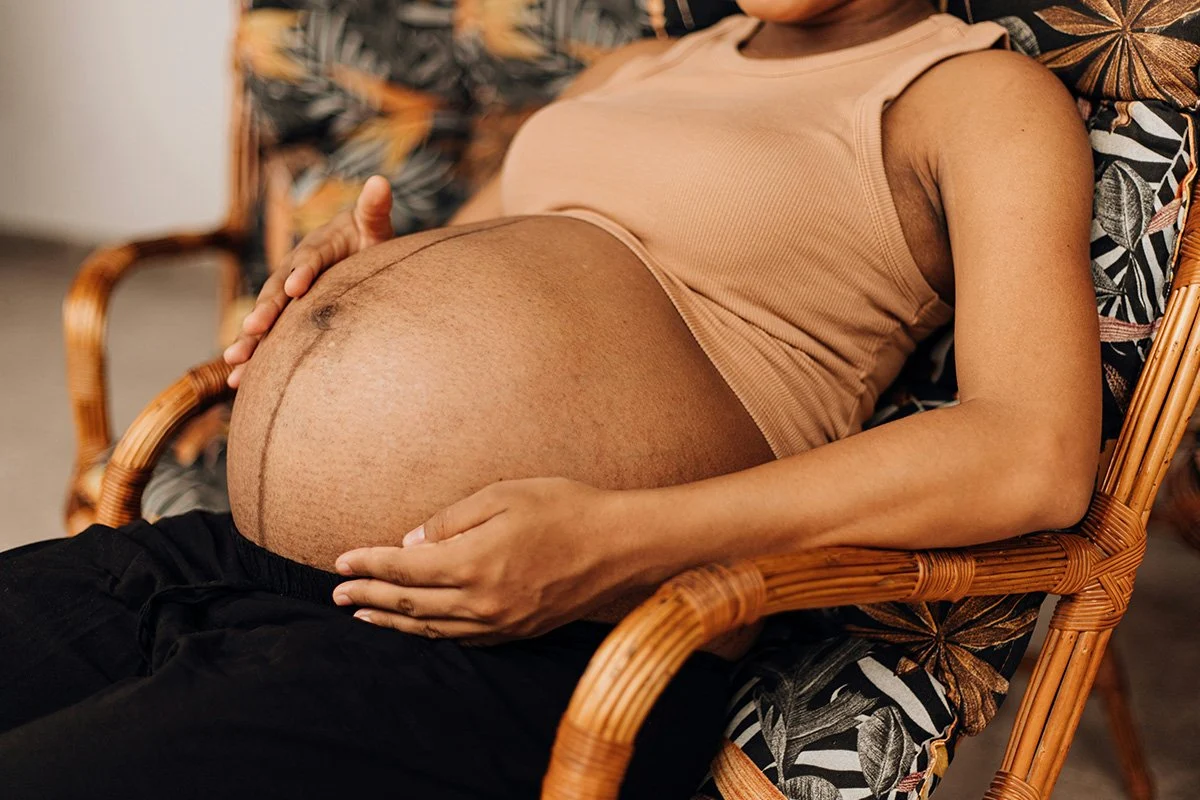
In a quiet corner of Miami-Dade County, inside a converted recreational vehicle parked away from the sterile, high-traffic corridors of a traditional hospital, Me’Asia Taylor lies on a bed adorned with purple tie-dyed sheets. For Taylor, who is navigating her first pregnancy while managing a family history of pre-eclampsia, this mobile unit is more than a vehicle; it is a sanctuary. Overseeing her care is Sheila Simms Watson, a midwife known to her community as "Mama Sheila," whose approach to prenatal care emphasizes patience, cultural resonance, and physical comfort. This mobile midwifery clinic, operated by the Southern Birth Justice Network (SBJN), represents a growing movement to bring high-quality maternal health services directly to Black and Latino neighborhoods, where systemic barriers often prevent women from seeking or receiving adequate care.
The clinic functions as a full-service prenatal and postpartum facility, offering blood pressure monitoring, blood draws, and general women’s health screenings. However, the appointments differ fundamentally from the often-rushed atmosphere of traditional obstetrics. Watson and her team of doulas and midwives-in-training prioritize the "unrushed" appointment, spending time discussing mental health, sleep patterns, and home support systems. This community-centered model is designed to disrupt the complexities of modern healthcare navigation, meeting patients where they live and work rather than forcing them to overcome the logistical hurdles of a fragmented medical system.
The Crisis of Maternal Mortality and Healthcare Deserts
The rise of mobile midwifery comes at a critical juncture for American maternal health. The United States maintains the highest maternal mortality rate among high-income nations, a statistic that hides a profound racial disparity. According to data from the Centers for Disease Control and Prevention (CDC), Black women are three times more likely to die from pregnancy-related causes than white women. For American Indian and Alaska Native women, the rate is twice that of their white counterparts. These outcomes are driven by a convergence of factors, including implicit bias within medical institutions, socioeconomic barriers to care, and the physical disappearance of maternity services.
The geographical landscape of maternal care is also shrinking. A 2023 report by the March of Dimes revealed that more than 36 percent of U.S. counties are considered "maternity care deserts," meaning they lack a single hospital offering obstetric care or any OB-GYN providers. In South Florida, the trend is equally concerning. In the past year alone, more than two dozen hospital labor and delivery units have closed nationwide, including several in the South Florida region. As these units shutter, the distance between a pregnant patient and life-saving care grows, often leading to skipped prenatal appointments and increased risks during delivery.
A Legacy of Tradition: The History of Black Midwifery
To understand the mission of the Southern Birth Justice Network, one must look back at the historical role of the "Grand Midwives." For centuries, Black midwives were the primary providers of maternal care in the American South, rooted in West African traditions that viewed childbirth as a communal and spiritual event rather than a purely medical one. These women were the keepers of ancestral knowledge and served both Black and white families, often traveling miles on foot through dangerous territory to reach their patients.
However, the 20th century saw a concerted effort by the burgeoning medical establishment to dismantle the practice of midwifery. Professional medical organizations lobbied for restrictive regulations, often using racist and sexist rhetoric to label traditional midwives as "unhygienic" or "barbarous." This campaign coincided with the development of modern obstetrics, which included a dark history of unethical gynecological experiments conducted on enslaved Black women. While organizations like the American College of Obstetricians and Gynecologists (ACOG) have formally acknowledged this history and committed to anti-racist reforms, the legacy of mistrust remains a significant barrier for many women of color today.
Jamarah Amani, a midwife and executive director of the SBJN, views the mobile clinic as a reclamation of this heritage. "We talk about the legacy of Black midwives as health care providers, but also as social pillars, as community leaders, as resistors of oppression," Amani noted. The clinic even keeps a small drum on site to symbolize the heartbeat and ancestral reverence, a nod to the universal language of the drum in many African cultures.
Navigating the Regulatory Landscape and Legal Challenges
Despite the demonstrated benefits of midwifery—including lower rates of C-sections, fewer preterm births, and higher patient satisfaction—the profession faces significant legislative hurdles. Many states, particularly in the South, require nurse-midwives to maintain "collaborative agreements" with physicians in order to practice. Critics of these rules argue they are unnecessary barriers that limit the reach of maternal care, while supporters claim they are essential for patient safety and inter-clinician communication.
The battle over these regulations has moved into the courtroom. Recently, the American College of Nurse-Midwives filed a lawsuit against the state of Mississippi, challenging the requirement for physician agreements. Similarly, Jamarah Amani and other plaintiffs have filed suit against Georgia over its restrictive licensing laws. Dr. Jamila Perritt, an OB-GYN and president of Physicians for Reproductive Health, emphasizes that expanding access to midwifery care and fostering collaboration between physicians and midwives is essential for improving national outcomes. "Policies have to prioritize access to care," Perritt stated, noting that midwives are uniquely positioned to fill the gaps in maternal health deserts.
The Evolution of the Mobile Clinic Model
The mobile clinic operated by the SBJN has a history rooted in grassroots activism. The unit was originally launched around 2008 by the late midwife Ada "Becky" Sprouse, who used the RV to provide free care to migrant farmworkers in Homestead, an agricultural hub in Miami-Dade County. Sprouse recognized that for many of these workers, traditional healthcare was financially and logistically out of reach.
After Sprouse’s passing, the clinic was entrusted to Amani, who expanded its scope and integrated it into the Southern Birth Justice Network. Today, approximately 70 percent of the clinic’s clients are either on Medicaid or uninsured. The operation is sustained through a combination of federal grants, university partnerships, and private donations. By offering what Amani calls "luxury concierge-type service" to those who are typically marginalized, the SBJN aims to democratize high-quality maternal care.
The clinic’s impact is best measured through the experiences of its patients. Isis Daaga, a mental health therapist and mother, sought out the mobile clinic after a traumatic hospital birth where she felt ignored and physically restrained by staff waiting for a doctor to arrive. "They literally held my knees together," Daaga recalled. The experience resulted in a severe perineal tear and lasting emotional distress. In contrast, Daaga describes the mobile clinic as a "safe space" where her autonomy is respected and her health is monitored through a lens of genuine care and community support.
Broader Implications and Future Prospects
The success of mobile midwifery in Miami is part of a small but growing trend of alternative care delivery models. Other notable efforts include the University of Florida’s OB-GYN mobile outreach unit in north-central Alachua County and "The Midwife Bus" in Central Florida. These initiatives suggest that the future of maternal health may lie in "community-centered" care—a model that prioritizes the patient’s environment and cultural context over the convenience of the healthcare institution.
Ndidiamaka Amutah-Onukagha, a maternal health scholar at Tufts University, argues that mobile midwifery reimagines care as something responsive to the needs of the patient. By disrupting the idea that patients must navigate complex, often intimidating systems, mobile units can foster the trust necessary to improve health outcomes.
Looking ahead, the Southern Birth Justice Network is planning to expand its footprint. The organization recently purchased a building to open its first freestanding birth center, slated for completion next year, alongside plans for a larger, more modern mobile unit. As hospital closures continue to threaten the safety of pregnant women across the United States, the mobile midwifery model offers a scalable, adaptable solution to one of the country’s most pressing public health crises. By blending historical traditions with modern clinical standards, these "clinics on wheels" are not just delivering babies; they are delivering justice to communities that have long been left behind.