Julia Chirkova
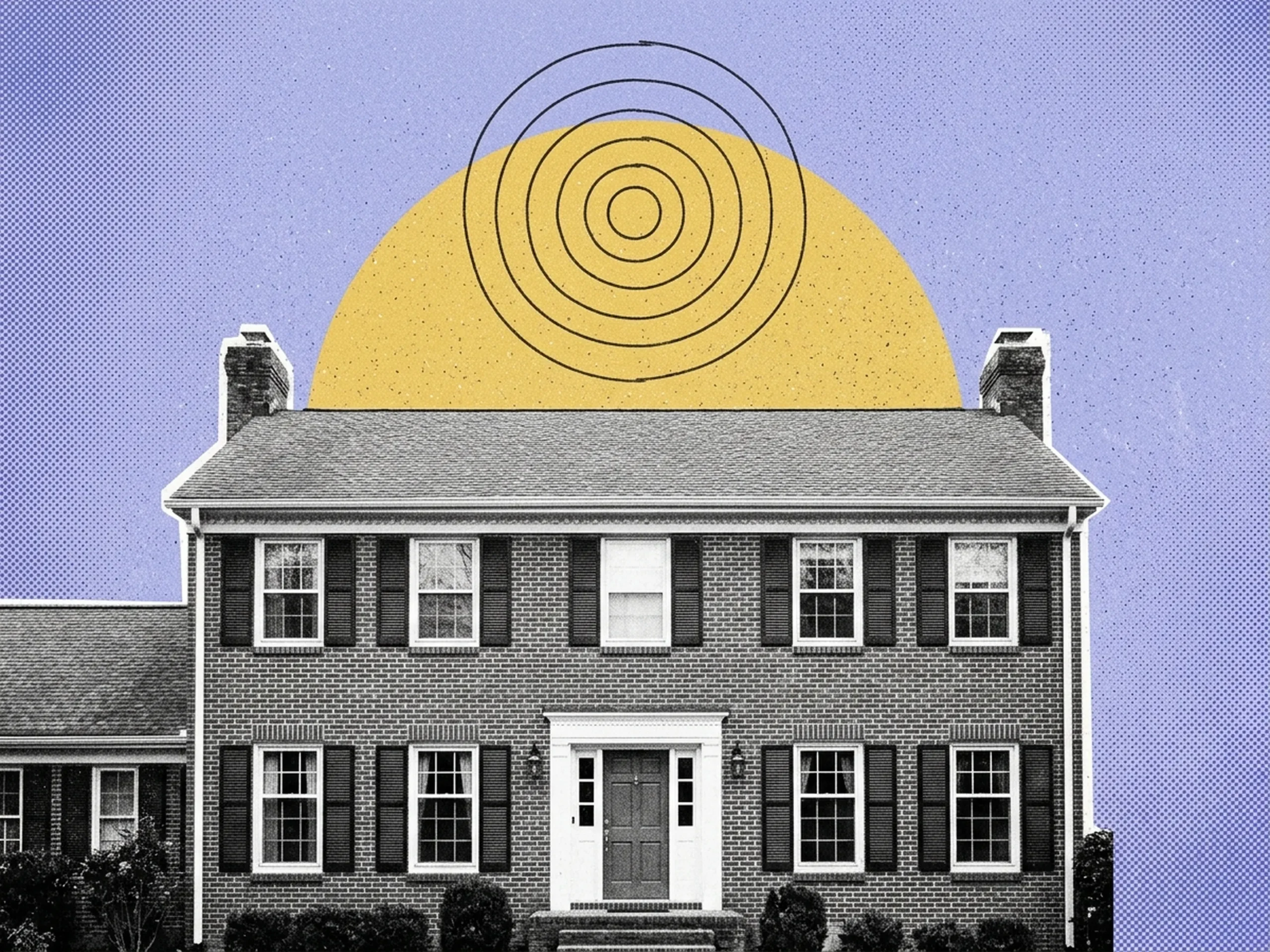
New York City is navigating a significant fiscal policy shift with the rollout of its new pied-à-terre tax, a levy targeting luxury second homes owned by wealthy individuals. Mayor Zohran Mamdani’s announcement of the upcoming notification letters for this tax, posted on social media platform X, has ignited a firestorm of public reaction, drawing nearly 14 million views and over 20,000 comments. The ensuing debate highlights deep divisions regarding economic fairness, the impact on the city’s real estate market, and the broader implications for New York’s financial future.
The tax, a key component of Governor Kathy Hochul’s broader fiscal strategy, aims to generate substantial revenue to support vital city services without burdening middle and lower-income residents. Mayor Mamdani’s initial post on X declared, "If you have a second home in New York City worth more than $5 million, check your mailbox when you’re back in the five boroughs – because you’ve got mail." This direct announcement signaled the imminent dispatch of notification letters to affected property owners, setting the stage for widespread discussion and, as anticipated, considerable opposition.
Background and Policy Genesis
The introduction of the pied-à-terre tax is not a sudden development but rather the culmination of extensive discussions and planning between the city administration and Governor Hochul’s office. First publicly proposed in April of the current year, the measure was presented as a critical element in addressing the city’s persistent budget challenges. The administration emphasized its commitment to finding sustainable revenue streams that would allow for the maintenance and enhancement of public services, such as parks, schools, and libraries, without resorting to service cuts or increased taxes on the majority of its residents.
Mayor Mamdani has consistently framed the tax as a matter of economic justice, stating, "When I came into office, I made clear that our city would need long-term solutions to our city’s long-term fiscal challenges. On Tax Day earlier this year, I promised that we would tax the rich, and with our new pied-à-terre tax, that is exactly what we have done." This rhetoric underscores the administration’s intention to tap into the wealth concentrated within the city’s luxury real estate market to fund public good. The projected revenue generated from this tax is earmarked for critical infrastructure and social programs, underscoring its intended role as a foundational element of the city’s long-term financial stability.
The Social Media Firestorm and Divergent Reactions
The virality of Mayor Mamdani’s announcement on X has amplified the debate significantly. The sheer volume of views and comments indicates the high level of public interest and engagement with this controversial policy. However, the online discourse has been largely polarized, reflecting the starkly different perspectives on the tax’s merits and potential consequences.
On one side of the debate, critics have voiced strong opposition, warning of potential negative economic repercussions. Among the most prominent detractors is Florida Senator Ashley Moody, a Republican, who offered a succinct critique: "Socialism – Florida’s best real estate agent." This statement frames the tax as an ideological overreach by the city, suggesting it will drive wealthy residents to more business-friendly, lower-tax states like Florida.
Further elaborating on the potential economic fallout, GOP strategist and attorney Mehek Cooke raised concerns about the impact on the city’s service economy. Cooke argued, "…empty units don’t tip (doormen) or pay supers. You’re not taxing the rich. You’re firing the working class that depended on them." This perspective highlights a potential ripple effect, suggesting that a reduction in the occupancy of luxury second homes could lead to job losses for service workers who rely on the patronage of wealthy residents. The argument posits that the tax, while ostensibly targeting the ultra-wealthy, could inadvertently harm the livelihoods of those in service-oriented professions within the city.
In contrast, proponents of the tax have lauded the policy as a necessary step toward a more equitable distribution of financial responsibility. Financial expert and media personality Ramit Sethi, host of Netflix’s "How to Get Rich" and the "Money for Couples" podcast, expressed his support, stating, "Excellent policy aimed at the ultra wealthy in NYC. Tax the wealthy (including me) and create a stronger America for the poor and middle class. Money is political." Sethi’s endorsement aligns with the administration’s framing of the tax as a progressive measure that leverages wealth to benefit a broader segment of the population. His perspective emphasizes the potential for such policies to foster greater economic opportunity for those with fewer resources.

Details of the Pied-à-Terre Tax and Implementation
The pied-à-terre tax applies to residential properties within New York City valued at more than $5 million that are not the principal residence of their owners. The tax rate is progressive, meaning it increases with the value of the property. For properties valued between $5 million and $10 million, the tax is set at 1%, rising to 1.5% for properties between $10 million and $25 million, and further increasing to 2.5% for properties exceeding $25 million. This tiered structure is designed to ensure that the wealthiest property owners contribute a proportionally larger share.
The notification letters being sent out are crucial for informing property owners of their new tax obligations and providing them with the necessary information to comply. These letters serve as the official communication from the city, detailing the applicable tax rates and the process for assessment. This proactive step is intended to prevent confusion and ensure a smoother implementation of the new tax regime.
To facilitate compliance and provide clear guidance, the New York City Department of Finance has launched a dedicated online resource. The webpage, accessible at nyc.gov/npsurcharge, offers a comprehensive suite of information, including frequently asked questions (FAQs), an eligibility tool to help owners determine if their property is subject to the tax, and detailed instructions for submitting the required documentation. This digital portal is designed to be a central hub for all information pertaining to the pied-à-terre tax, aiming to streamline the administrative process for both the city and the taxpayers.
Potential Economic Implications and Data Considerations
The introduction of the pied-à-terre tax brings into focus several potential economic implications for New York City. The primary objective, as stated by city officials, is to generate a significant new revenue stream. Estimates suggest that the tax could bring in hundreds of millions of dollars annually, a figure that could substantially bolster the city’s budget for crucial public services. For instance, if even a fraction of the estimated 50,000 to 60,000 second homes valued over $5 million were subject to the tax, the revenue generated could significantly impact funding for schools, parks, and infrastructure projects.
However, critics argue that the tax could trigger an exodus of wealthy individuals and their associated economic activity from the city. This concern is rooted in the principle of tax competition, where high-tax jurisdictions may lose residents and investment to those with more favorable tax environments. The comparison to Florida, a state with no state income tax and a robust real estate market, is often cited in this context. If a substantial number of high-net-worth individuals choose to sell their New York City properties or relocate their primary residences, it could lead to a decrease in property values, reduced demand for luxury goods and services, and a decline in the overall economic vibrancy of certain high-end neighborhoods.
Furthermore, the impact on the real estate market itself is a subject of intense scrutiny. A slowdown in the luxury segment could have broader implications, potentially affecting construction, renovation, and related service industries. The argument made by Mehek Cooke regarding the impact on doormen and building superintendents highlights a potential, albeit perhaps less significant, secondary effect. The economic models used to project revenue from the pied-à-terre tax must account for these potential behavioral responses from property owners and the broader market dynamics.
Broader Context and Future Outlook
The pied-à-terre tax in New York City is part of a global trend of governments exploring progressive taxation measures to address wealth inequality and fund public services. Similar taxes or levies on luxury real estate exist in various international cities, each with its own set of outcomes and challenges. The New York City policy can be viewed as an experiment within this broader context, with its success or failure likely to influence similar policy discussions in other major urban centers.
The political ramifications of the tax are also significant. Mayor Mamdani and Governor Hochul are positioning this policy as a victory for fiscal responsibility and social equity. However, the vocal opposition from political opponents and a segment of the public underscores the inherent political risks associated with such a measure. The ongoing debate is likely to intensify as the tax is implemented and its effects become more apparent.
Looking ahead, the effectiveness of the pied-à-terre tax will be measured by its ability to generate the projected revenue, its impact on the city’s economic landscape, and its reception by the public. The city administration’s commitment to transparency, as evidenced by the dedicated webpage, will be crucial in navigating the complexities and potential controversies that lie ahead. The data emerging from the tax’s implementation – including revenue figures, property market trends, and anecdotal evidence of resident behavior – will provide critical insights into the policy’s long-term viability and its contribution to New York City’s fiscal health and social equity goals. The current discourse, amplified by the digital age, ensures that this policy will remain under intense public and political scrutiny.