Julia Chirkova
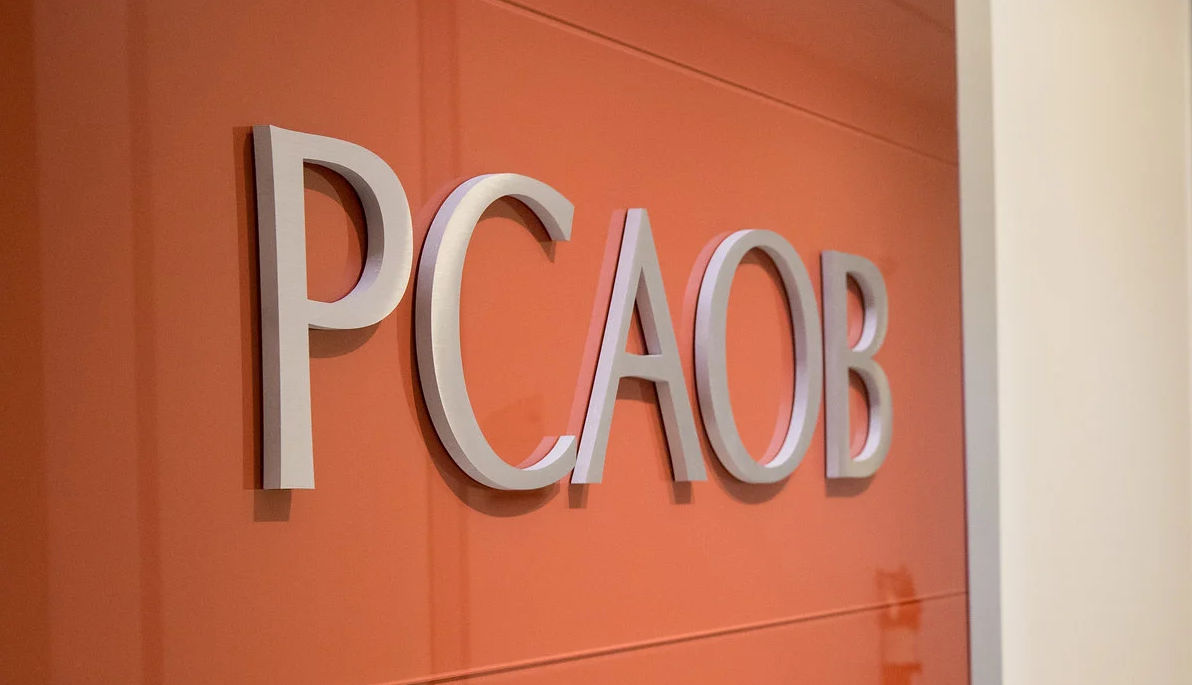
The Public Company Accounting Oversight Board (PCAOB) has initiated a significant new program, the Audit Practitioner Fellowship Program, designed to integrate seasoned auditors with current, hands-on experience into the organization. This initiative aims to leverage their practical knowledge to enrich the expertise of PCAOB staff, thereby bolstering the board’s capacity to oversee the auditing profession and protect investors. The program represents a strategic move by the PCAOB to bridge the gap between theoretical oversight and the evolving realities of modern auditing practices.
Program Overview and Objectives
The Audit Practitioner Fellowship Program will offer selected candidates a two-year term to work within the PCAOB. These fellows will be embedded primarily within the Office of the Chief Auditor. Their core responsibilities will involve engaging with PCAOB staff on both existing and newly developed auditing standards. Furthermore, they are expected to provide critical insights into emerging trends and challenges that are currently shaping the financial reporting landscape. This includes understanding the impact of new technologies, evolving business models, and the increasing complexity of global financial markets on the audit process.
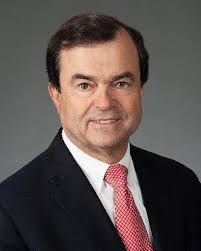
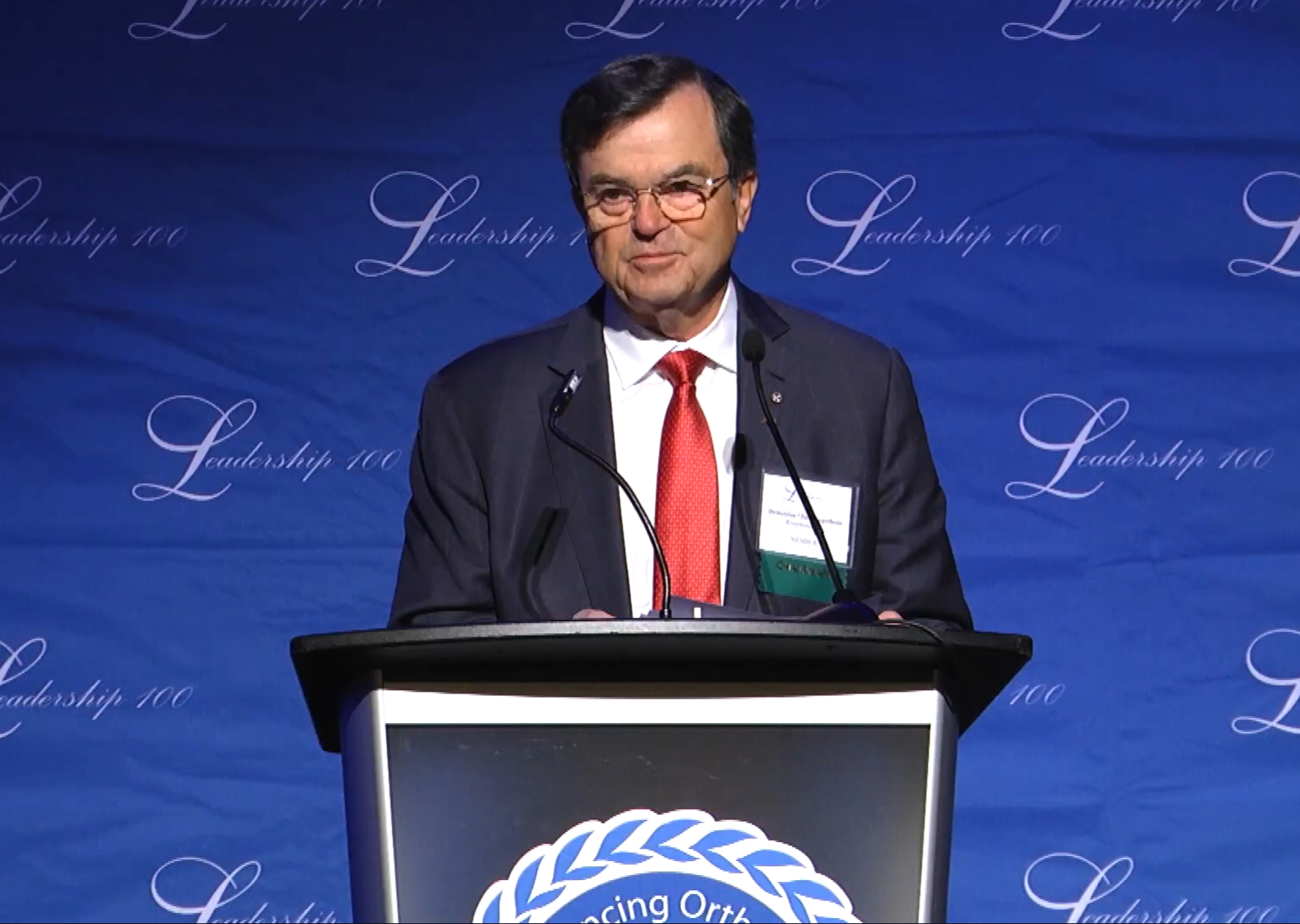
PCAOB Chairman Demetrios "Jim" Logothetis, in a statement released on March 13, 2026, emphasized the program’s strategic importance. "This fellowship program will enable the PCAOB to tap into the deep expertise of professionals with in-the-field perspectives on the latest technologies that are reshaping the financial reporting ecosystem," Logothetis stated. "Their insights will strengthen our ability to anticipate what lies ahead and enhance our understanding of the most pressing issues affecting auditing." This sentiment underscores the PCAOB’s proactive approach to maintaining the integrity and relevance of its oversight functions in a rapidly changing environment.
Background and Rationale
The establishment of the Audit Practitioner Fellowship Program comes at a time when the auditing profession is grappling with unprecedented technological advancements and increasing regulatory scrutiny. The rise of data analytics, artificial intelligence, and blockchain technology in financial reporting necessitates a deeper understanding of these tools and their implications for audit quality. Traditional audit methodologies are being challenged, and regulators must adapt their approaches to effectively assess the quality of audits conducted in this new paradigm.
The PCAOB, as the independent nonprofit organization established by Congress to oversee the audits of public companies and other issuers to protect investors, has a mandate to ensure that audits are conducted in accordance with law and applicable professional standards. By bringing in practitioners, the PCAOB aims to gain a more nuanced understanding of the practical challenges auditors face, the effectiveness of current standards in real-world scenarios, and the potential impact of emerging issues on audit quality. This direct infusion of practical experience is expected to inform the PCAOB’s standard-setting process, inspection methodologies, and enforcement actions.
Program Structure and Application Process
Candidates interested in participating in the Audit Practitioner Fellowship Program are encouraged to apply through the PCAOB Careers page. The application deadline is May 15, 2026. Prospective fellows are required to submit specific documentation as part of their application. While the exact list of required documents is not detailed in the initial announcement, it is standard practice for such programs to request resumes, cover letters, and potentially letters of recommendation, outlining the candidate’s relevant experience and qualifications.
Fellows will have the opportunity to work at either the PCAOB’s headquarters in Washington, D.C., or its office in New York City. This offers geographical flexibility and allows fellows to immerse themselves in the operational heart of the organization.
Compensation and Benefits
The PCAOB emphasizes its commitment to offering a "highly competitive compensation and benefits package" designed to support the health and financial well-being of its team members. The organization highlights its dedication to transparency, equity, and fairness in its compensation programs. For the Audit Practitioner Fellowship role, the PCAOB provides a reasonable estimate of the salary range, based on data-driven market analysis.
In Washington, D.C., the estimated annual salary range for this position is between $164,800 and $258,280. In New York City, a higher cost-of-living area, the salary range is slightly higher, estimated between $179,200 and $280,720 per year. While it is noted that individuals are not typically hired at the very top of the range, these figures indicate a significant investment in attracting highly qualified professionals.
Ethical Conduct and Compliance
All fellows are bound by the PCAOB Ethics Code, a comprehensive set of rules governing employee conduct. This code includes requirements for financial disclosures, restrictions on certain outside activities to avoid conflicts of interest, and strict prohibitions against the dissemination or disclosure of nonpublic information. Adherence to these ethical standards is paramount to maintaining the integrity of the PCAOB’s oversight functions and public trust.
Implications and Broader Impact
The introduction of the Audit Practitioner Fellowship Program is poised to have several significant implications for the auditing profession and the capital markets.
Enhanced Standard-Setting
By incorporating direct input from practitioners, the PCAOB can develop more practical, effective, and relevant auditing standards. This can lead to standards that are better aligned with the realities of audit engagements, potentially reducing unnecessary burdens on audit firms while simultaneously strengthening audit quality. The insights gained from fellows can help the PCAOB anticipate how new technologies will impact audit procedures and how existing standards might need to be adapted to address these changes.
Improved Oversight and Inspections
The program will equip PCAOB staff with a deeper, more nuanced understanding of audit methodologies and challenges. This enhanced knowledge can translate into more insightful and effective inspections of audit firms. Staff members who have direct exposure to the perspectives of experienced auditors may be better positioned to identify potential quality issues and to engage in more productive dialogues with audit firms during inspections.
Knowledge Transfer and Professional Development
The fellowship provides a unique opportunity for experienced auditors to contribute their expertise to a regulatory body. This not only benefits the PCAOB but also offers a valuable professional development experience for the fellows themselves, exposing them to the regulatory side of the profession and broadening their understanding of the oversight landscape. This knowledge transfer can create a more informed and collaborative relationship between regulators and the profession.
Proactive Risk Identification
In an era of rapid innovation, identifying emerging risks within the auditing profession is crucial. Fellows, with their real-time exposure to industry practices and challenges, can serve as an early warning system for the PCAOB, flagging potential risks associated with new technologies, complex financial instruments, or evolving business practices before they significantly impact audit quality.
Strengthening Investor Protection
Ultimately, the primary objective of the PCAOB is to protect investors. By improving the quality of audits and the effectiveness of regulatory oversight, the Audit Practitioner Fellowship Program contributes directly to this mission. Higher quality audits lead to more reliable financial reporting, which in turn enables investors to make more informed decisions, fostering greater confidence in the capital markets.
Related PCAOB Initiatives
This fellowship program aligns with the PCAOB’s broader strategic objectives. In recent times, the PCAOB, under Chairman Logothetis’s leadership, has been focusing on enhancing its understanding of the audit profession’s evolving landscape. Recent news indicates a period of significant leadership transition at the PCAOB, with Demetrios "Jim" Logothetis appointed as Chairman and new board members joining the organization. This period of change often brings new perspectives and strategic directions. For instance, a recent report indicated a potential decrease in SEC and PCAOB enforcement actions in 2025 compared to the previous year, suggesting a possible shift in focus towards proactive measures and preventative strategies, which this fellowship program would strongly support. The PCAOB has also been involved in sanctions against firms and individuals for audit failures, underscoring the ongoing need for robust oversight and the importance of practical expertise in ensuring audit quality.
The PCAOB’s commitment to continuous improvement and adaptation is evident in initiatives like the Audit Practitioner Fellowship Program. By investing in the practical experience of auditing professionals, the organization is positioning itself to better address the complexities of modern financial markets and to uphold its critical mandate of protecting investors. The success of this program will likely be measured by its ability to imbue the PCAOB staff with a deeper, more practical understanding of auditing, leading to more effective oversight and ultimately, enhanced audit quality across the profession.