Dwi Wanna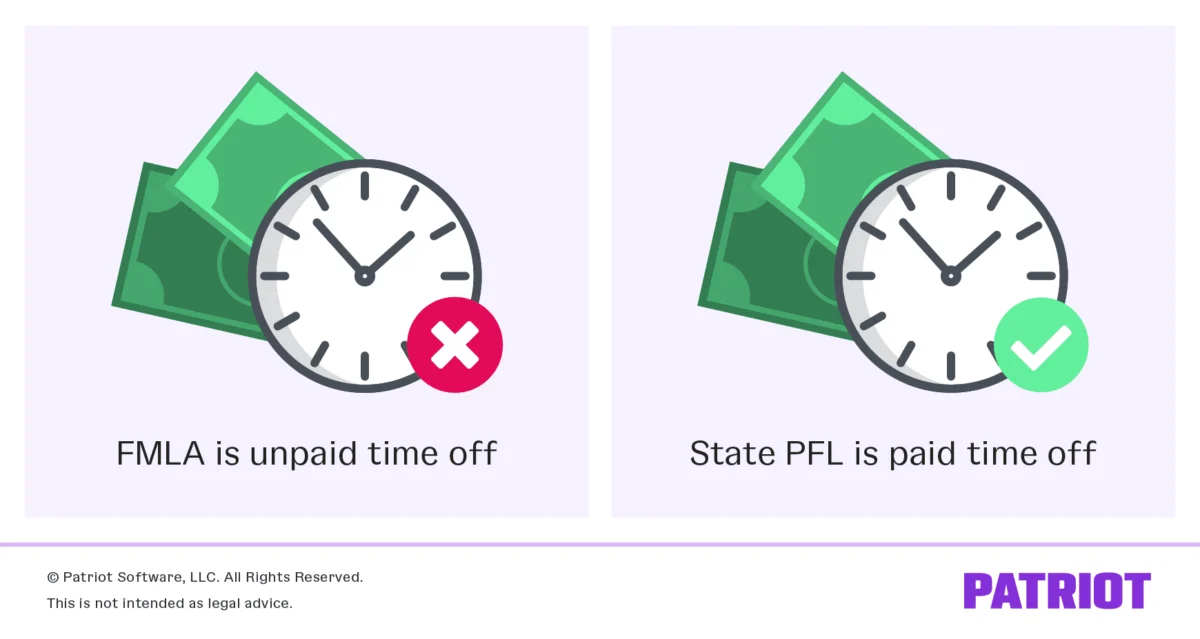
Defining Paid Family and Medical Leave in the Modern Workplace
Paid Family Leave (PFL), often categorized under the broader umbrella of Paid Family and Medical Leave (PFML), refers to state-mandated programs that provide employees with partial wage replacement when they must take time off for qualifying life events. While the specific definitions vary by jurisdiction, the industry standard generally divides these programs into two primary functions. Family leave is typically reserved for bonding with a new child—whether through birth, adoption, or foster placement—or caring for a family member with a serious health condition. Medical leave, conversely, is intended for the employee’s own serious health condition that prevents them from performing their job duties.
Unlike traditional paid sick leave, which is designed for short-term illnesses and is often accrued based on hours worked, PFL and PFML are structured as social insurance programs. In most mandatory states, these programs are funded through payroll taxes contributed by employees, employers, or both. These contributions are pooled into a state-managed fund, from which eligible workers can draw benefits when they meet the qualifying criteria.
The Chronological Evolution of Leave Legislation
The trajectory of leave legislation in the United States began with the federal Family and Medical Leave Act of 1993. Signed into law by President Bill Clinton, the FMLA established a baseline of protection for workers, but it notably lacked a wage replacement component. For nearly three decades, the FMLA remained the primary standard, requiring businesses with 50 or more employees to provide up to 12 weeks of unpaid, job-protected leave for specific family and medical reasons.
The shift toward paid leave began at the state level in 2004, when California became the first state to implement a functional Paid Family Leave program. For several years, California stood largely alone, followed by New Jersey in 2009 and Rhode Island in 2014. However, the last decade has seen an acceleration in legislative activity. New York launched its program in 2018, followed by Washington in 2020 and Massachusetts and Connecticut in 2021.
The timeline for upcoming implementations indicates that this trend is not slowing. Delaware and Maine are currently in the process of rolling out their programs, with benefits scheduled to begin in 2026. Maryland and Minnesota are targeting 2026 and 2028 respectively for full implementation, while Virginia has recently enacted a phased program that will see payroll contributions begin in April 2028. This chronological progression suggests a growing consensus among state policymakers that unpaid leave is insufficient for the modern workforce, particularly for low-to-middle-income earners who cannot afford to lose their income during a medical crisis.
Federal vs. State Leave: A Comparative Analysis
For employers, the most critical distinction to navigate is the difference between the federal FMLA and state-level PFL laws. The FMLA serves as a floor, not a ceiling. It provides job protection, meaning an employer must return the employee to the same or an equivalent position after their leave, but it does not require the employer to pay the worker during that time. Furthermore, the FMLA only applies to "covered employers"—generally those with 50 or more employees—and "eligible employees" who have worked for the company for at least 12 months and 1,250 hours.
State paid leave laws frequently differ in three major ways:
- Compensation: State laws provide partial wage replacement, whereas federal law is unpaid.
- Inclusivity: Many state laws apply to all employers regardless of size, significantly expanding the pool of covered workers compared to the FMLA’s 50-employee threshold.
- Funding: State programs are funded through dedicated payroll taxes, creating a social insurance model rather than a direct employer-pay model.
In jurisdictions where both laws apply, they typically run concurrently. An employee might be eligible for job protection under the FMLA while receiving wage replacement through the state’s PFL fund.
Data-Driven Insights into State Mandatory Programs
As of 2024, the landscape is divided between states with mandatory participation and those exploring voluntary models. In mandatory states, the contribution rates and benefit structures vary significantly, reflecting different regional economic priorities.
![States With Paid Family Leave [+ Chart]](https://www.patriotsoftware.com/wp-content/uploads/2019/06/paid-family-leave-1.jpg)
In California, the program is funded entirely by employees through a 1.3% withholding for State Disability Insurance (SDI). This provides workers with approximately 60% to 70% of their weekly wages for up to eight weeks of family leave. In contrast, Washington D.C. employs an employer-only contribution model, where businesses pay a 0.75% tax on employee wages to fund the program, offering up to 12 weeks of leave.
Other states have adopted a shared responsibility model. In Oregon, the total contribution rate is 1.0% of gross wages, with employees paying 60% of that total and employers with 25 or more employees paying the remaining 40%. Massachusetts follows a similar path, with a 0.88% contribution rate shared between the workforce and larger employers. The "qualifying employer" threshold is a common feature in these laws; many states exempt small businesses (often those with fewer than 15 or 25 employees) from the employer portion of the tax, though their employees remain eligible for benefits and must still contribute their portion of the premium.
The Emergence of Voluntary and Private Insurance Models
While 14 states and the District of Columbia have moved toward mandatory models, a secondary trend has emerged in states like New Hampshire, Vermont, and Virginia. These states have adopted "voluntary" or "private-market" models. Under these laws, the state does not mandate a universal payroll tax. Instead, it authorizes private insurance companies to offer paid family leave policies that employers can choose to purchase as a fringe benefit.
In New Hampshire, for example, the state has partnered with a private carrier to provide a voluntary plan. While the state provides the benefit to its own government employees, private employers can opt-in to provide the same coverage to their staff. Proponents of this model argue it provides flexibility and avoids the administrative burden of state-run funds, while critics argue it fails to provide the universal coverage necessary to help the most vulnerable workers.
Official Responses and Stakeholder Perspectives
The expansion of PFL laws has met with a mix of support and concern from various economic sectors. Advocacy groups, such as the National Partnership for Women & Families, argue that these laws are essential for public health and economic stability. They point to data suggesting that paid leave increases labor force participation among women and improves infant health outcomes.
Conversely, some business advocacy groups, including the National Federation of Independent Business (NFIB), have expressed concerns regarding the administrative complexity for small companies. The primary challenges cited include the cost of managing payroll withholdings, the difficulty of finding temporary replacements for absent workers, and the potential for "patchwork" compliance issues for companies with employees in multiple states.
In response to these concerns, many state agencies have invested heavily in employer education. State departments of labor, such as those in Connecticut and Colorado, have launched dedicated web portals and ombudsman programs to assist small businesses in navigating the transition to mandatory contributions.
Broader Economic Impact and Implications
The long-term implications of the shift toward paid leave are multifaceted. From a recruitment and retention standpoint, paid leave has become a competitive necessity. In a post-pandemic labor market, benefits that support work-life balance are highly valued by employees. Businesses in states with mandatory PFL may find it easier to attract talent, as the state-managed fund allows them to offer a high-value benefit without the prohibitive cost of a self-funded private plan.
However, the "patchwork" of state laws creates a significant hurdle for multi-state employers. A company with offices in New York, Texas, and Washington must navigate three entirely different sets of rules regarding withholdings, benefit durations, and notice requirements. This has led to increased calls for a federal paid leave standard to provide uniformity across the country.
As we look toward 2026 and 2028, the data suggests that the momentum for paid family and medical leave is continuing to build. For employers, the focus must remain on proactive compliance: auditing payroll systems to ensure correct withholdings, updating employee handbooks to reflect state-specific rights, and maintaining open communication with legal and tax professionals to stay ahead of the legislative curve. The transition from the 27.5% access rate reported by the BLS toward a more universal standard is well underway, driven by a state-led movement that is fundamentally redefining the American workplace.