Julia Chirkova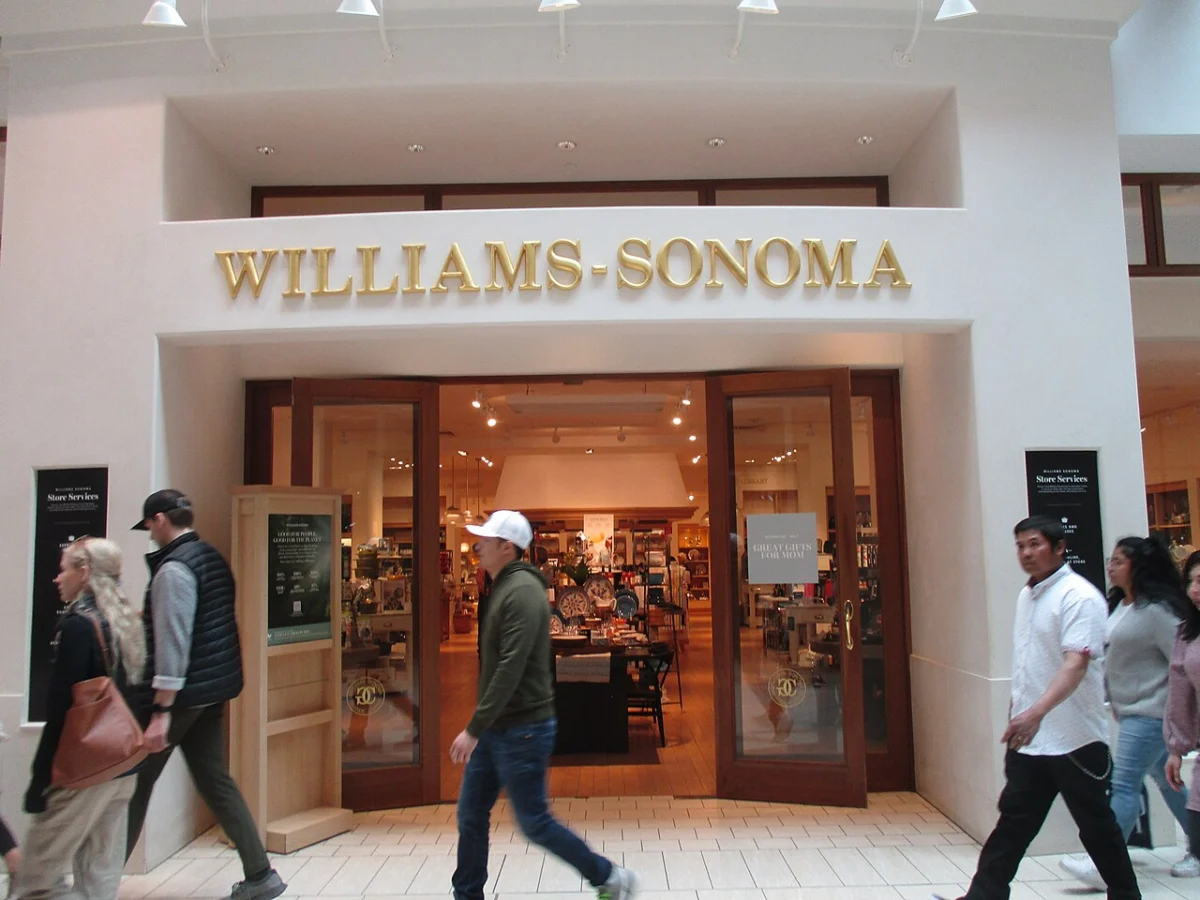
The reverberations of a landmark Supreme Court decision overturning President Donald Trump’s controversial import tariffs are now being felt across the U.S. corporate landscape, as companies begin to receive significant refunds and deploy them in a diverse array of strategic initiatives. This financial influx, estimated to encompass billions of dollars, is not merely a temporary financial balm but is actively influencing corporate decision-making, from bolstering employee benefits and supplier relationships to re-evaluating product pricing and inventory strategies.
The scale of this financial recovery is substantial. Analysis of earnings calls and filings from companies within the Russell 3000 Index reveals a dramatic surge in mentions of tariff refunds, escalating from a handful of references in prior reporting periods to nearly 1,000 instances during July, August, and September. This surge underscores the widespread impact of the tariffs and the subsequent refund process. Consumer discretionary and consumer staples sectors, in particular, accounted for over a third of these discussions, collectively disclosing the receipt of approximately $9.8 billion in refunds during this three-month span. The total amount paid in tariffs under the International Emergency Economic Powers Act (IEEPA), which was ultimately deemed unlawful by the Supreme Court in February, is estimated to be around $166 billion, indicating that the full scope of potential refunds is still unfolding.
A Strategic Deployment of Windfall Funds
The ways in which U.S. companies are utilizing these returned funds are as varied as the businesses themselves, reflecting a nuanced approach to immediate financial pressures and long-term strategic goals. A significant portion of the refunds are being directed towards mitigating the impact of rising operational costs. Businesses are absorbing increased expenses related to fuel, raw materials, and logistics, which have continued to escalate in the prevailing economic climate.
Beyond immediate cost containment, many companies are demonstrating a commitment to their workforce and business partners. Williams-Sonoma Inc., a prominent home furnishings retailer, exemplifies this trend by allocating $10 million of its $200 million refund towards augmenting employee 401(k) contributions. This move not only rewards employees for their efforts in navigating the complexities of global supply chains during a "very chaotic year" but also reinforces their financial well-being. Furthermore, Williams-Sonoma extended a significant portion of its refund, $47.5 million, to vendors who had previously offered discounts to offset tariff-related costs. This reciprocal gesture highlights the interconnectedness of supply chains and the importance of nurturing strong supplier relationships, especially in times of economic volatility.
Similarly, Kohl’s Corporation, the department store chain, shared a portion of its approximately $150 million in refunds with vendors who had absorbed higher import costs during the tariff period. The company’s Chief Financial Officer, Jill Timm, indicated that these funds were also reinvested internally, specifically to bolster inventory levels for their more affordably priced brands. This strategic decision aligns with a broader trend of companies focusing on value-oriented product offerings to attract a growing segment of budget-conscious consumers.
Navigating the Secondary Market for Refund Claims
The process of directly claiming tariff refunds can be intricate and time-consuming. In response, a burgeoning secondary market has emerged, allowing companies to monetize their refund claims more rapidly. This option provides immediate liquidity, enabling businesses to address pressing financial needs or pursue strategic investments without the prolonged waiting period associated with direct claims.
Funko, Inc., the popular collectibles company, leveraged this market by selling over $22 million in tariff refund claims to a third-party financial institution for $19.2 million. The proceeds were then applied towards reducing a term loan, thereby strengthening the company’s balance sheet. Printer manufacturer Xerox Holdings Corp. also opted for this expedited route, recognizing $105 million in tariff refunds but subsequently selling the receivable to a third party for $80 million in cash. This transaction facilitated a significant reduction in their overall debt load, enhancing financial flexibility.
Academy Sports & Outdoors Inc. followed a similar path, recording $83.7 million in refunds and then selling $72.2 million of these claims for $10.5 million. The sporting goods retailer strategically deployed these funds primarily to lower prices on its merchandise, a move directly benefiting consumers.
Direct Consumer Benefits and Pricing Strategies
The financial relief from tariff refunds is also translating into more tangible advantages for shoppers. Major retailers like Walmart Inc. have announced plans to utilize a portion of their refunds to offer temporary discounts and promotional deals, aiming to attract and retain customers navigating rising living costs. Elf Beauty Inc. is similarly planning to channel some of its $50 million refund into reducing prices on approximately 10% of its product portfolio, directly enhancing affordability for its customer base.
This strategic shift towards lower-priced products and promotional pricing is a direct response to the current economic environment, where inflation and the rising cost of living are significantly impacting consumer spending habits. Companies are recognizing the imperative to offer value and cater to a more price-sensitive market.
The Ephemeral Nature of Tariff Relief Amidst Persistent Inflationary Pressures
While the tariff refunds offer a welcome, albeit temporary, respite, many companies are acutely aware that this relief is not a long-term solution. The underlying economic challenges, particularly persistent inflation and rising input costs, continue to exert significant pressure on corporate margins. Several firms have explicitly flagged ongoing trade disputes, such as the U.S.-Canada trade dynamic, as potential future risks.
Helen of Troy Ltd., the owner of household brands like OXO and Hydro Flask, reported receiving over $9 million in refunds during the initial phase of the program. However, the company cautioned that these gains are expected to be "more than offset" by anticipated increases in costs for the remainder of the year. This sentiment is echoed by Stanley Black & Decker Inc., a manufacturer of power tools, which described the "temporary tariff tailwind" as being overshadowed by inflationary pressures and higher prices for essential materials like metals and oil. The company indicated that a price increase in 2027 is "more likely than not" a consequence of sustained inflation.
The implications of ongoing trade tensions are particularly relevant for companies with operations or significant retail presence in neighboring countries. Bath & Body Works Inc., for instance, is forecasting an additional $30 million in tariff and other input costs for the latter half of the year. Chief Financial Officer Tom Javitch highlighted the company’s exposure to both U.S. and Canadian levies, noting that Canadian tariffs are projected to remain at 50% through 2026. With some of its candle production based in Canada and a substantial retail footprint there, the company faces potential impacts from retaliatory tariffs. Javitch emphasized that the company is continuously evaluating these evolving circumstances in "real time" as new information emerges, underscoring the dynamic and uncertain nature of international trade policies.
Background and Chronology of the Tariff Dispute
The tariffs in question were primarily imposed by the Trump administration starting in 2018, utilizing Section 232 of the Trade Expansion Act of 1962, which allows the President to adjust imports that threaten national security. These tariffs were levied on a wide range of goods, including steel, aluminum, and products from China, with the stated aim of protecting domestic industries and addressing trade imbalances.
The imposition of these tariffs sparked a protracted period of uncertainty and economic disruption for numerous businesses that relied on imported components or finished goods. Companies faced increased costs, supply chain reconfigurations, and the difficult decision of whether to absorb these expenses, pass them on to consumers, or seek alternative sourcing. This led to a complex web of legal challenges and lobbying efforts from various industry groups.
The Supreme Court’s pivotal decision in February of the current year, which overturned the broad application of tariffs under the IEEPA, represented a significant legal victory for businesses that had been adversely affected. The ruling effectively validated the argument that the executive branch had exceeded its statutory authority in imposing these broad-based tariffs. This judicial intervention paved the way for companies to seek and receive refunds for the tariffs they had paid during the period the tariffs were in effect.
The subsequent months saw companies initiating the process of claiming these refunds, a complex administrative undertaking. Initially, many executives were hesitant to publicly disclose their strategies for pursuing refunds, likely due to the lingering political sensitivities surrounding the tariffs and potential legal challenges from consumers seeking a share of the payouts. However, as the refund process gained momentum and companies began to receive tangible financial returns, a greater willingness to discuss these developments emerged, as evidenced by the significant increase in mentions during recent earnings calls.
Broader Implications and Future Outlook
The widespread utilization of tariff refunds underscores a critical point: the U.S. corporate sector is actively adapting to both the financial aftermath of past trade policies and the ongoing challenges of a volatile global economy. The infusion of these funds, while substantial, is largely being directed towards reinforcing existing operations, mitigating immediate cost pressures, and strategically positioning businesses for a future marked by continued inflation and potential trade policy shifts.
The focus on lower-priced products and enhanced consumer value reflects a pragmatic response to evolving consumer behavior. As economic uncertainties persist, companies that can effectively balance cost management with accessible pricing are likely to gain a competitive edge.
Furthermore, the reliance on secondary markets for refund claims highlights the efficiency demands placed on businesses in navigating complex financial processes. The willingness to accept a discount for immediate liquidity demonstrates a clear prioritization of cash flow and debt reduction in the current economic climate.
Looking ahead, the long-term impact of these refunds will be closely tied to the broader economic trajectory. While they provide a temporary buffer against rising costs, the underlying inflationary pressures and potential for renewed trade disputes remain significant concerns. Companies will continue to monitor global economic indicators, trade policies, and consumer sentiment closely, seeking to maintain agility and resilience in an ever-changing business landscape. The strategic deployment of these tariff refunds, therefore, is not merely about recovering past expenses but about building a more robust and adaptable foundation for future growth and stability.