Layla Zulfa
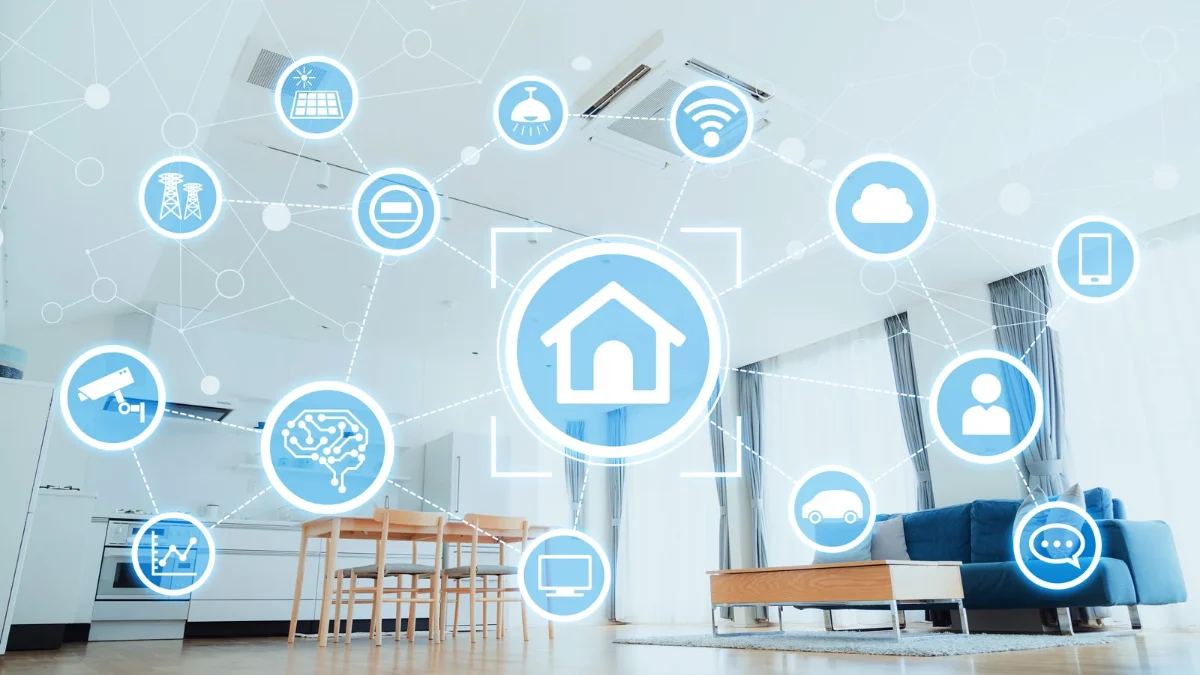
A truly dependable connected home is intrinsically linked to the robustness and foresight embedded within its foundational infrastructure, decisions often made invisibly during the construction phase. While homeowners and buyers readily perceive the tangible benefits of smart security cameras, advanced smart locks, intuitive thermostats, and user-friendly mobile applications, the seamless performance of these systems hinges critically on often-overlooked elements such as meticulously planned cable routes, adequate network capacity, reliable power distribution, strategically located equipment, proper ventilation, and unobstructed camera sightlines. The deferral of these crucial infrastructure decisions to the final stages of a project invariably imposes significant constraints, leading to costly corrections and compromised functionality for both the builder and the end-user.
Shifting Buyer Demands: From Novelty to Necessity
The allure of smart home technology has transcended its initial status as a luxury novelty, evolving into a practical and highly sought-after feature for modern homebuyers. The National Association of Home Builders (NAHB) has consistently identified security-focused technologies as top priorities for consumers. Recent reports, such as those highlighting buyer interest in more personalized and potentially smaller homes in 2025 due to affordability headwinds, underscore the enduring demand for integrated security solutions. Specifically, security cameras, wireless security systems, and video doorbells are frequently cited among the leading technology features that influence purchasing decisions.
This shift in perception is mirrored by a transformation in buyer expectations. Contemporary homeowners are no longer content with rudimentary functionality. They increasingly demand sophisticated and actionable alerts, the convenience of remote access to manage their homes from afar, and integrated systems that operate cohesively without requiring constant manual intervention for each individual device. This growing sophistication in user needs directly translates to a heightened requirement for a more intelligent and interconnected digital backbone within the home.
The Critical Window: Pre-Construction Planning for Technological Integration
The optimal time to initiate comprehensive technology planning for a new residential construction project is during the architectural design and early building phases, when collaboration between the architect, builder, electrical engineering team, and technology integrators is most fluid and impactful. During this crucial window, the team can collaboratively identify ideal locations for exterior and interior security cameras, strategically place network access points to ensure optimal Wi-Fi coverage, define efficient cable pathways, accurately assess power requirements for all smart devices, allocate appropriate space for centralized equipment racks, and ensure adequate ventilation for sensitive electronics. These decisions, made before the framing and finishing stages commence, are instrumental in preventing future limitations. Importantly, this proactive planning does not necessitate that a homeowner commit to every specific device in advance. Instead, it focuses on establishing the essential pathways, conduits, and capacity that will enable the design and implementation of a robust and future-proof smart home system.
Industry guidance, such as that provided by CEDIA, the global trade association for the home technology industry, strongly advocates for a wired backbone as the cornerstone of reliable smart home infrastructure. This includes the recommendation for centralized and meticulously labeled cabling, the installation of ample conduit to facilitate future upgrades or repairs, and thorough room-by-room planning to anticipate specific technology needs. These measures are paramount because even wireless smart home products fundamentally rely on a stable and high-capacity network. Furthermore, devices such as cameras and access control systems often require both data connectivity and a consistent, dependable power source. The installation of an additional pathway or conduit during the construction phase is demonstrably simpler and more cost-effective than the disruptive and expensive process of opening finished walls to retroactively create such infrastructure later.
The Limitations of Retrofitting: Preserving, Not Solving, Problems
When technology integration is postponed until after the construction is complete, integrators often face significant challenges in working around existing architectural elements and finished surfaces. This can lead to installations that are compromised by blocked sightlines, inadequate or inefficient cable routes, insufficient power outlets, and poorly located network equipment. The resulting smart home systems may necessitate the visible routing of cables, require extensive patching and repair of finished walls and ceilings, or result in the placement of devices in locations that are merely feasible for installation rather than optimal for performance and aesthetics. For instance, a security camera mounted beneath an architectural overhang might technically cover an entryway but still produce a suboptimal image due to unfavorable angles, glare, or inadequate nighttime illumination.
While existing homes can certainly be enhanced with smart technology, the process often begins with a thorough assessment of the current network infrastructure, existing camera placements, available wiring, and any equipment that can be salvaged and integrated. The adoption of open standards and compatible systems can play a vital role in preserving previous investments in smart home technology. However, the compatibility of existing components must be meticulously confirmed for each individual project. The overarching lesson for new construction projects is unequivocally clear: prioritize design flexibility and proactive infrastructure planning while the building itself remains in a malleable state.
The AI Revolution: Elevating the Importance of the Digital Foundation
The evolution of security systems is rapidly moving beyond simple recording capabilities towards sophisticated software solutions capable of intelligent event classification, advanced video search functionality, and the ability to assist homeowners in quickly identifying and accessing the most relevant moments. This technological advancement introduces a new layer of critical planning considerations. Key questions arise regarding where the processing of this data will occur, the bandwidth requirements necessary to support these advanced features, contingency plans for internet connection interruptions, protocols for video data control and retention periods, and the mechanisms for software updates. These are not merely product specifications but fundamental infrastructure and ownership considerations that demand careful deliberation.
Furthermore, cybersecurity must be an integral component of the design conversation from the outset. The National Institute of Standards and Technology (NIST) IoT baseline highlights essential capabilities for connected devices, including robust device identification, secure configuration practices, comprehensive data protection measures, strict access control mechanisms, and reliable software update processes. While builders are not expected to function as cybersecurity engineers, they must proactively inquire about who will be responsible for the ongoing maintenance of connected systems, how software updates will be managed, and what level of post-closing support will be provided to homeowners for their smart home technology investments.
Strategic Planning for Enduring Outcomes and Future Adaptability
The most enduring and valuable specification for a smart home is not merely a static list of contemporary gadgets. Instead, it is a comprehensive plan that articulates the desired resident experiences the home must support and the underlying infrastructure necessary to facilitate those experiences. A project team should meticulously define how residents will monitor entrances, manage access control, receive critical alerts, and envision the potential for future system expansion over time. Equally important is the thorough documentation of cable paths, network design schematics, and precise equipment locations. This detailed documentation ensures that future integrators can readily understand and work within the home’s existing infrastructure without the need to start the planning process anew.
Home builders are not obligated to install every conceivable technology at the point of sale. However, they bear a crucial responsibility to avoid creating unnecessary obstacles and complexities for future technological choices and upgrades. Proactive and early coordination among all stakeholders safeguards the integrity of the design, significantly reduces the likelihood of disruptive and costly retrofit work, and ultimately delivers a home that is not only technologically advanced at handover but also possesses the inherent flexibility to adapt to the ever-evolving landscape of security and smart-home technology. This forward-thinking approach not only enhances the immediate value proposition for buyers but also ensures long-term satisfaction and the ability to leverage new innovations as they emerge.
The implications of this early planning extend beyond mere functionality; they directly impact the resale value and long-term appeal of a property. Homes built with a robust and adaptable technological infrastructure are better positioned to meet the demands of future buyers who will likely expect a higher degree of smart home integration. Moreover, the reduced risk of costly and intrusive retrofits translates to a more streamlined and positive experience for homeowners throughout their occupancy, fostering a sense of security and control over their living environment. As the Internet of Things (IoT) continues its pervasive integration into daily life, the foundational infrastructure of connected homes will only become more critical, underscoring the imperative for builders to prioritize these invisible yet indispensable elements.