Dwi Wanna
The modern American workforce is currently navigating a fundamental shift in how "rest" is quantified, perceived, and utilized. For decades, the standard employment contract was defined by a specific number of vacation and sick days, accrued over time and tracked with mathematical precision. However, as the corporate world moved toward "unlimited" paid time off (PTO) as a symbol of trust and flexibility, a new set of psychological and financial pressures has emerged. A comprehensive new survey of 1,000 employed Americans reveals that rather than liberating workers, the absence of clear boundaries often leads to self-imposed restrictions. The most striking data point from the study indicates that 66% of employees would still limit themselves to 15 days or fewer per year even if their employer offered an unlimited policy. This suggests that in the absence of corporate guardrails, employees default to a "safe" minimum to avoid the appearance of low productivity or lack of commitment.
The Evolution of Time Off: From Accrual to Ambiguity
To understand the current tension in workplace benefits, it is necessary to examine the trajectory of leave policies in the United States. Historically, the American workplace operated on a rigid accrual system. Following the labor movements of the early 20th century and the post-WWII economic boom, two weeks of paid vacation became the standard for the middle class. By the 1990s and early 2000s, many companies began "bundling" sick leave and vacation days into a single PTO bucket to simplify administration.
The "unlimited PTO" phenomenon gained traction in the early 2010s, pioneered by Silicon Valley tech giants like Netflix and LinkedIn. The rationale was twofold: it positioned the company as an elite, high-trust environment, and it removed a significant financial liability from the corporate balance sheet. Under traditional accrual plans, many state laws—most notably in California—require employers to pay out unused vacation time when an employee leaves the company. By switching to an unlimited model, companies no longer "owe" a specific dollar amount for unused days, as no days are technically accrued.
However, what was marketed as a benefit has, for many, become a source of anxiety. Without a "use it or lose it" deadline or a specific number of days to hit, employees are left to guess what is socially and professionally acceptable within their specific company culture.
The Paradox of Unlimited PTO and the Gen Z Factor
The survey highlights a significant "restraint culture" that permeates the modern office. The finding that two-thirds of workers would cap their own leave at 15 days illustrates that "unlimited" does not mean "uninhibited." This restraint is most visible among the youngest members of the workforce. Among Gen Z respondents, nearly 50% reported they would take 10 days or less if given an unlimited policy.
Analysts suggest this trend is driven by several factors. Gen Z entered the workforce during a period of extreme volatility, including a global pandemic, high inflation, and high-profile tech layoffs. For these workers, visibility is often equated with job security. Taking "too much" time off—even when permitted—feels like an unnecessary risk.
Furthermore, high earners are increasingly skeptical of the unlimited model. The survey found that 25% of individuals earning $150,000 or more believe that while unlimited PTO sounds generous on paper, it is a functional "trap" that results in people taking less time off than they would under a structured 20-day or 25-day plan. In high-stakes environments, the lack of a defined "normal" amount of leave creates a vacuum that is often filled by a culture of overwork.
The Demand for Guardrails: Mandatory Minimums
In a surprising shift in employee sentiment, the data shows that workers are not necessarily looking for more freedom, but for more clarity. An overwhelming 91% of respondents expressed that a "mandatory minimum" time-off policy paired with unlimited PTO would be highly appealing.
Mandatory minimums require employees to take a certain amount of leave—for example, at least one week per quarter or two weeks per year. This structural change shifts the burden of "permission" from the employee to the employer. When taking time off is a requirement rather than an option, the "guilt factor" is effectively neutralized. This indicates that the modern worker values predictability and clear expectations over open-ended promises.
Financial Strain and the Millennial Caregiver Crisis
While the psychological aspects of PTO affect all workers, the financial implications are hitting Millennials the hardest. Often referred to as the "Sandwich Generation," many Millennials are simultaneously managing the needs of young children and aging parents. This demographic frequently finds that standard PTO allotments are insufficient to cover the realities of life.
The survey revealed that 40% of Millennials have taken unpaid leave after exhausting their allotted PTO. Perhaps more concerning is that 25% of Millennials reported needing time off but being unable to take it because they could not afford the loss of income. For these workers, PTO is not a luxury used for travel or relaxation; it is a vital safety net used for school closures, pediatric appointments, and family emergencies.
When a household is already burdened by rising childcare costs and student loan debt, the transition from paid to unpaid leave is a significant financial blow. This suggests that the current "one-size-fits-all" approach to PTO is failing to account for the caregiving crisis facing a large portion of the American labor force.
The Gender Gap in PTO Fairness
The perception of fairness in leave policies also breaks down along gender lines. According to the study, 27% of women feel their current PTO is unfair given their workload and outside responsibilities, compared to 20% of men.
This gap is likely tied to the "second shift"—the unpaid labor of household management and caregiving that still falls disproportionately on women. For many women, a "vacation day" is often just a day spent catching up on domestic labor or managing family logistics. When a PTO policy is rigid or insufficient, it exacerbates the stress of balancing professional expectations with the invisible work required at home.
Generational Perspectives: Boomers vs. Gen Z
The survey also identified a "structure gap" between the oldest and youngest members of the workforce. Baby Boomers reported the highest level of confusion regarding unlimited PTO, with 44% stating that it creates uncertainty.
For Boomers, who spent the majority of their careers in environments with clearly defined accrual schedules and formal leave requests, the ambiguity of unlimited PTO feels like a regression. They tend to view benefits as a contractual obligation with specific parameters. To this generation, an "unlimited" policy can feel like an attempt by the employer to avoid a concrete commitment.
In contrast, while 36% of Gen Z workers reported confusion, their frustration is more likely to stem from a lack of transparency. Younger workers are increasingly demanding that companies publish data on how much time off is actually taken across various levels of the organization. They are less interested in the "policy" and more interested in the "practice."
Corporate Responsibility and the Trust Deficit
The underlying issue identified by the research is a lack of trust between the employer and the employee. Paid time off is a primary metric of a company’s culture. If an employee has the right to take time off but feels they cannot do so without facing professional repercussions, the benefit is effectively non-existent.
Kyle Dreger, CEO of Patriot Software, emphasized that the successful implementation of any leave policy—unlimited or otherwise—requires a foundation of mutual respect. "Encouraging PTO use comes down to two things: employers who respect their team’s time enough to say ‘step away,’ and employees who trust their workplace enough to actually do it," Dreger noted.
For leadership, this means more than just offering a policy; it requires "modeling" the behavior. If executives never take a full week off, or if they continue to send emails while on vacation, they are sending a silent signal to the rest of the staff that "unlimited" is a performance, not a reality.
Broader Implications for the Future of Work
The findings of this survey come at a time when "burnout" has been officially recognized by the World Health Organization as an occupational phenomenon. As the boundaries between work and home continue to blur due to remote work and constant digital connectivity, the need for structured rest is becoming a public health issue.
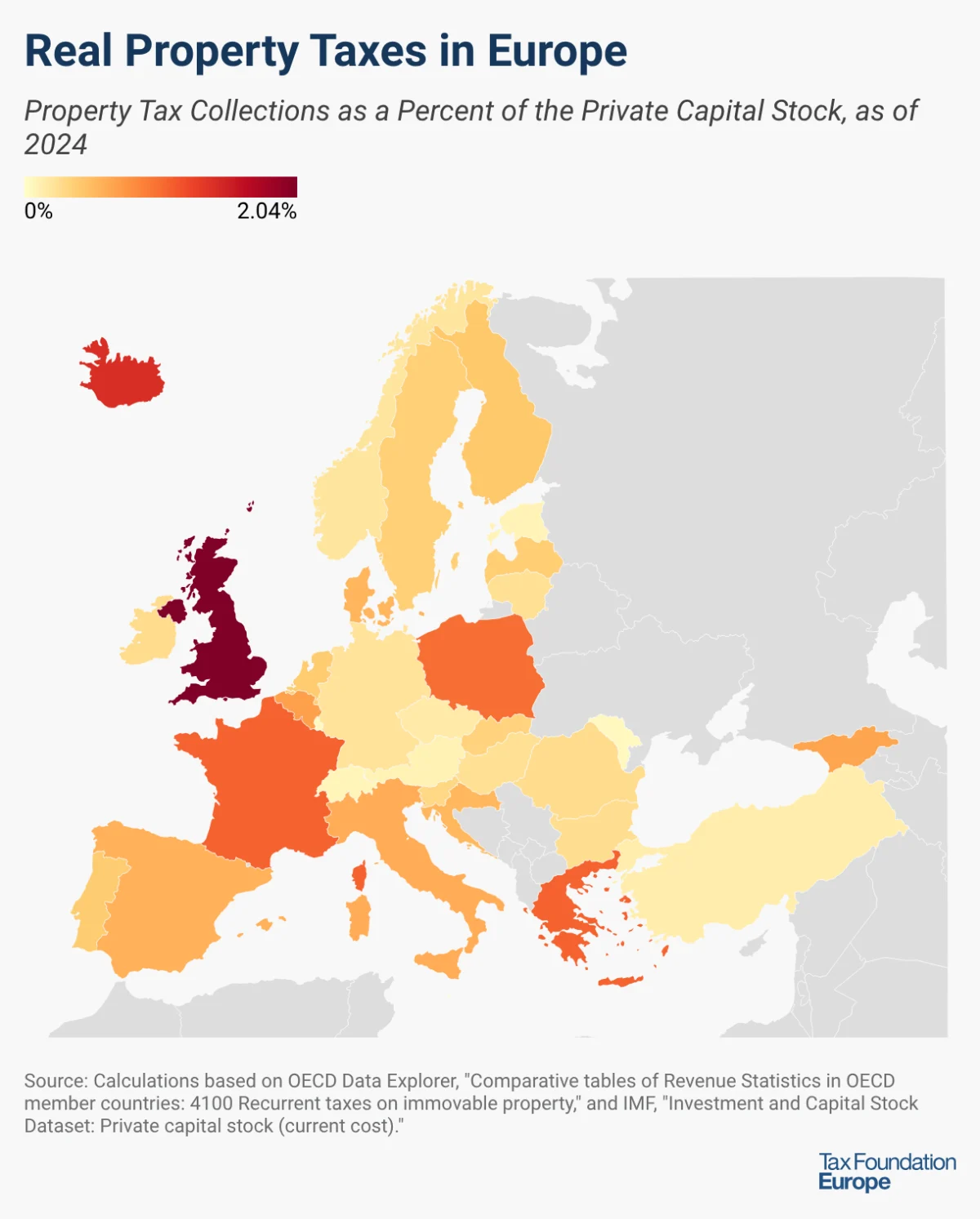
From a policy perspective, the United States remains an outlier among developed nations. The U.S. is the only advanced economy that does not federally mandate any paid vacation time. In contrast, the European Union requires all member states to provide at least 20 working days of paid vacation per year, with some countries like France and Austria offering significantly more.
As American workers continue to express dissatisfaction with ambiguous "unlimited" plans, we may see a movement toward "structured flexibility." This could include:
- Transparent Accrual: Returning to set numbers but allowing for higher caps and easier rollovers.
- Company-Wide Shutdowns: Implementing "rest weeks" where the entire company closes, ensuring that no one returns to a mountain of unread emails.
- PTO Stipends: Providing financial bonuses to employees who actually use their vacation time, incentivizing rest.
Conclusion: The Move Toward Clarity
The survey data serves as a clear signal to HR professionals and business leaders: the era of "vague flexibility" is reaching its limit. Employees are increasingly prioritizing clarity, equity, and financial security over the trendy allure of unlimited days.
For a PTO policy to be truly effective, it must function as a safety net rather than a source of stress. Whether through mandatory minimums, transparent tracking, or more generous accrual limits, the goal for the next generation of workplace benefits will be to remove the guesswork. In a high-pressure economy, the greatest benefit an employer can provide is not "unlimited" time, but the certainty that taking time off is a safe, supported, and necessary part of a sustainable career.
Methodology Note:
The data cited in this report is based on a survey of 1,000 employed adults across the United States. The participant pool was diversified by age, income level, and gender to provide a representative look at the American workforce. The study focused on PTO structure, perceived fairness, and the impact of policy design on employee behavior.
Fair Use and Attribution:
This analysis is intended for informative and educational purposes. Proper attribution to the source research is required for all citations. For commercial inquiries regarding the data or further licensing details, please contact the original authors of the study. This report does not constitute legal or financial advice regarding employment law or corporate policy.