Julia Chirkova
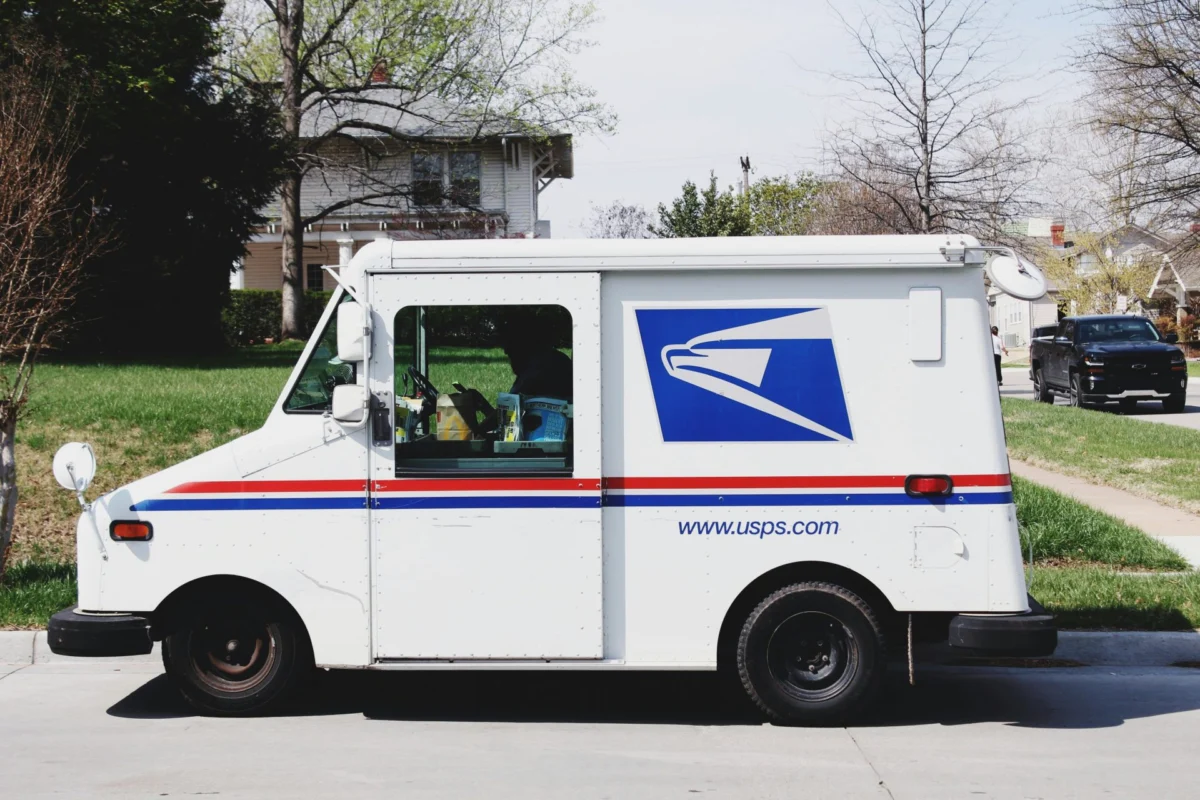
The U.S. Postal Service (USPS) is enacting a significant and permanent increase to its fuel surcharge, raising it from the current 8% to 11% effective January, the agency announced Thursday. This move, coupled with an average 5.9% increase across certain domestic shipping services, signals a strategic shift in how the financially strained organization plans to manage escalating operational costs. The adjustments align with broader industry trends, as major parcel carriers like United Parcel Service (UPS) and FedEx have also signaled their intent to implement annual rate hikes for the upcoming year.
The decision to escalate the fuel surcharge directly reflects the volatile global energy market. The USPS initially introduced its first-ever fuel-related fee in April of this year, a direct response to record-high diesel prices exacerbated by geopolitical tensions, notably the conflict in Iran. Since that initial implementation, fuel costs have continued to climb throughout the year, necessitating further adjustments to the surcharge. This dependency on fluctuating fuel prices underscores the vulnerability of the Postal Service’s budget to external economic shocks.
Escalating Costs and Market Reactions
The announcement of the planned price hikes had a discernible, albeit minor, impact on the stock prices of major shipping competitors. Shares of United Parcel Service Inc. saw a 1% decline, while FedEx Corp. experienced a slip of less than 1% on Thursday. This market reaction suggests that investors are closely monitoring the financial strategies of all major players in the parcel delivery sector, as both UPS and FedEx are similarly grappling with rising operational expenditures and are increasingly relying on pricing adjustments to bolster their revenue streams. The USPS’s proactive measures, while potentially impacting its own competitiveness in certain segments, also highlight the pervasive nature of these cost pressures across the industry.
A Dire Financial Landscape for the USPS
This latest pricing adjustment comes on the heels of the USPS releasing its annual financial results, painting a stark picture of its fiscal health. For fiscal year 2026, the agency reported a substantial net loss of $6.5 billion, a slight improvement from the $9 billion loss recorded in the preceding year. However, this figure still underscores a persistent and deeply entrenched financial deficit. The Postal Service finds itself in a precarious position, burdened by immense operational costs and a significant decline in mail volume.
Postmaster General David Steiner has been vocal about the severity of the situation, warning that the agency could face a liquidity crisis and potentially run out of cash as early as February. In an effort to stave off this immediate financial collapse, the USPS has already implemented drastic measures. These include a halt on all discretionary spending and the suspension of certain retirement contributions. Steiner has also publicly appealed to Congress for legislative intervention, seeking assistance in addressing the fundamental structural financial issues that have plagued the organization for years.
Background and Chronology of the Fuel Surcharge
The introduction of the fuel surcharge by the USPS was a significant departure from its historical pricing structure, which has traditionally been less susceptible to short-term fluctuations in energy markets.
- Early 2026: Geopolitical tensions, including the escalating conflict in Iran, begin to significantly impact global energy markets, driving diesel prices to unprecedented levels.
- April 2026: Recognizing the immediate and substantial increase in its transportation costs, the USPS implements its first-ever fuel surcharge. This initial fee, the exact percentage of which was not publicly detailed at the time of its introduction, aimed to partially offset the soaring expenses associated with delivering mail and packages.
- Throughout 2026: Despite the initial surcharge, diesel prices remain elevated and volatile, continuing to exert significant pressure on the Postal Service’s operational budget. The agency’s internal cost analyses reveal that the initial surcharge is insufficient to cover the sustained increase in fuel expenditures.
- Late 2026 (October/November): The USPS conducts a comprehensive review of its financial performance and projected costs for the upcoming fiscal year. This analysis confirms the ongoing impact of fuel prices and the urgent need for a more robust and permanent solution.
- Thursday of this week: The USPS officially announces its decision to permanently increase the fuel surcharge to 11%, effective January. Simultaneously, it reveals an average 5.9% increase for several domestic shipping services, aligning its pricing strategy with industry norms and addressing the persistent cost headwinds.
This timeline highlights a reactive, yet ultimately decisive, response by the Postal Service to a dynamic and challenging economic environment. The move to make the surcharge permanent signifies a recognition that elevated fuel costs may be a long-term reality, rather than a temporary anomaly.
Deeper Financial Challenges Beyond Fuel
While the fuel surcharge is a prominent and immediate concern, it is crucial to understand that it is a symptom of a much larger and more complex financial predicament facing the U.S. Postal Service. The agency’s $6.5 billion loss in fiscal year 2026 is not solely attributable to fuel expenses. Several interconnected factors contribute to this ongoing deficit:
- Declining Mail Volume: The fundamental shift in communication and commerce towards digital platforms has led to a steady and significant decrease in first-class mail volume. This erosion of its traditional revenue base is a primary driver of the Postal Service’s financial woes. While package delivery has seen growth, it has not been enough to fully compensate for the decline in letter mail.
- High Operational Costs: The USPS operates an extensive and mandated network of post offices, processing facilities, and transportation routes that spans the entire nation. Maintaining this infrastructure, particularly in rural and underserved areas, incurs substantial fixed costs regardless of mail volume. This universal service obligation, while vital for national infrastructure, presents a significant financial burden.
- Labor Costs: As a large employer, the Postal Service faces considerable labor costs, including wages, benefits, and healthcare for its hundreds of thousands of employees. Negotiating and managing these costs within a declining revenue environment is a constant challenge.
- Legacy Pension Obligations: The Postal Service is saddled with significant unfunded liabilities related to retiree health benefits and pensions, obligations that predate recent legislative reforms. While some legislative actions have been taken to address these, their long-term impact is still unfolding.
- Competition: The rise of private sector competitors, particularly in the package delivery market, has intensified competition and put pressure on USPS pricing and service offerings.
Analysis of Implications
The permanent increase in the fuel surcharge and the broader rate adjustments will have several immediate and long-term implications:
- For Consumers and Businesses: Customers utilizing USPS shipping services can expect to see higher costs for their mail and package deliveries. This could disproportionately affect small businesses that rely on the Postal Service for affordable shipping options, potentially impacting their competitiveness. For individuals, the cost of sending mail and packages will also increase.
- For the USPS: The surcharge increase is a necessary revenue-generating measure designed to help offset rising operational costs. However, it also carries the risk of making USPS services less attractive compared to private competitors, potentially leading to further erosion of market share if not carefully managed. The agency will need to demonstrate increased efficiency and value to retain its customer base.
- For the Industry: The USPS’s move reinforces the trend of price adjustments across the shipping and logistics sector. It highlights the pervasive impact of inflation and economic instability on the industry and suggests that price increases may continue to be a feature of the market as companies strive to maintain profitability.
- For Congress: The continued financial struggles of the USPS place further pressure on lawmakers to enact meaningful legislative reforms. Postmaster General Steiner’s plea for help underscores the need for structural solutions that go beyond incremental price adjustments. This could involve further examination of the universal service obligation, operational efficiencies, or alternative revenue models.
The decision to make the fuel surcharge permanent is a stark indicator of the U.S. Postal Service’s commitment to financial self-sufficiency in the face of unprecedented economic challenges. However, it also serves as a potent reminder that while price adjustments can provide immediate relief, the long-term viability of the agency hinges on addressing its fundamental structural issues and adapting to the evolving landscape of mail and package delivery. The coming months will be critical for the USPS as it navigates this challenging period, with its financial future heavily dependent on both its own strategic decisions and the potential for legislative intervention. The agency’s ability to balance cost containment with service provision will be paramount in its ongoing effort to remain a vital component of the nation’s infrastructure.