Dwi Wanna
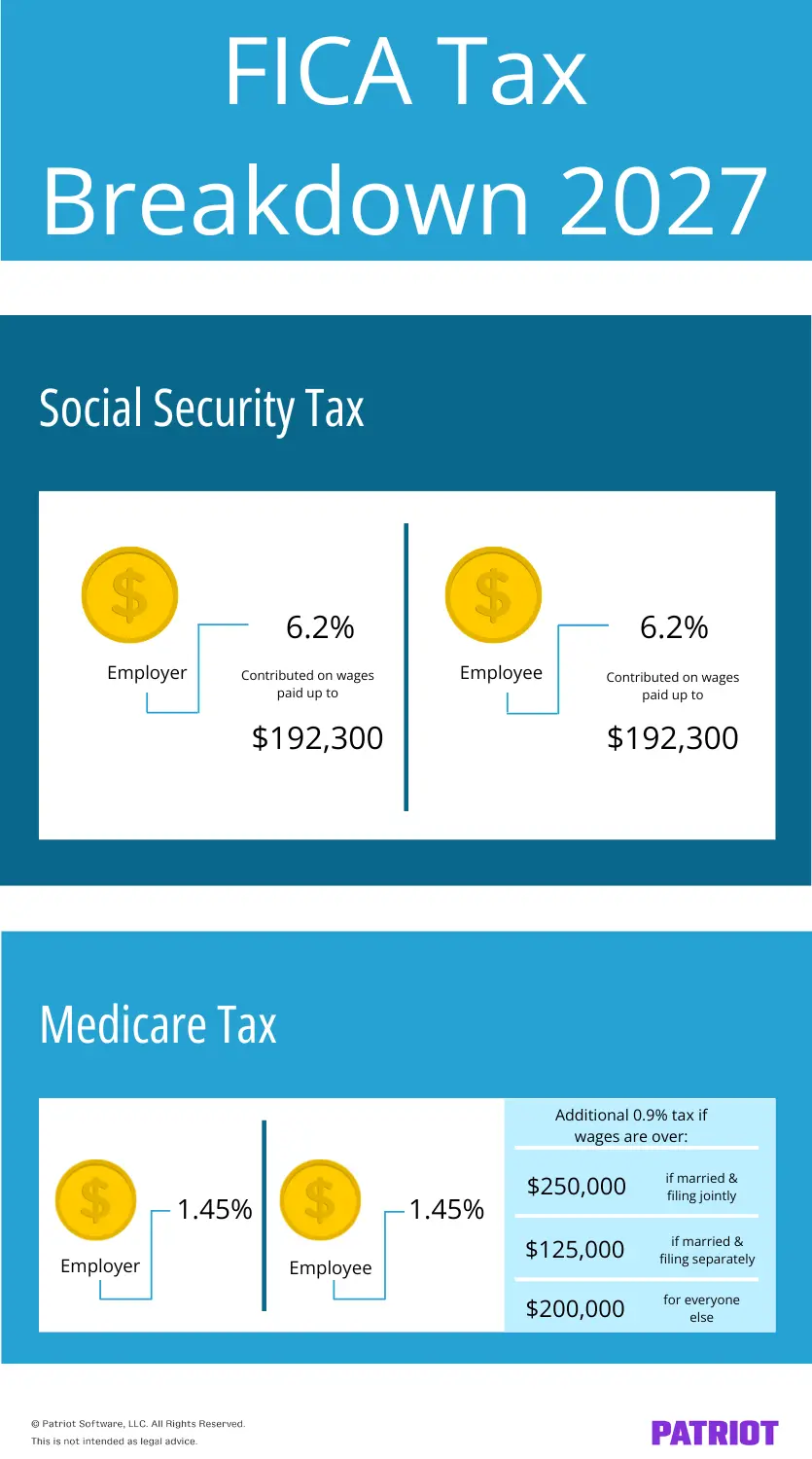
Managing a modern workforce requires more than just talent acquisition and operational oversight; it demands a rigorous adherence to federal and state fiscal regulations. At the heart of this administrative burden lies the calculation and remittance of payroll taxes, a process that serves as the financial backbone for the nation’s most critical social safety nets. While the term is often used as a catch-all for any deduction taken from a paycheck, "payroll taxes" specifically refer to the contributions mandated by the Federal Insurance Contributions Act (FICA). Understanding the nuances between FICA, self-employment taxes, and broader employment taxes is essential for business owners to avoid the steep penalties associated with non-compliance.
The Foundations of FICA: Social Security and Medicare
The primary components of payroll taxes are Social Security and Medicare. These taxes were established to provide a continuous stream of funding for the Social Security Administration’s retirement and disability programs, as well as the Medicare program for the elderly and disabled. Under the FICA framework, the financial responsibility is split equally between the employer and the employee.
For the 2026 and 2027 tax years, the Social Security tax remains at a flat rate of 12.4%. In a standard employment relationship, the employer pays 6.2% and the employee pays 6.2%. However, this tax is subject to a "wage base," which is the maximum amount of an employee’s earnings that are subject to the tax. In 2026, the wage base was set at $184,500. Reflecting inflationary trends and the government’s need to bolster the Social Security Trust Fund, the wage base is scheduled to increase to $192,300 in 2027. Any earnings above this threshold are exempt from the 6.2% Social Security deduction for both parties.
Medicare tax operates differently. It is levied at a rate of 2.9%, split as 1.45% for the employer and 1.45% for the employee. Unlike Social Security, there is no wage base limit for Medicare; the tax applies to every dollar earned. Furthermore, the Affordable Care Act introduced an "Additional Medicare Tax" of 0.9% for high-earning individuals. This additional tax is the sole responsibility of the employee and is triggered once an individual’s earnings exceed specific thresholds based on their filing status: $200,000 for single filers or $250,000 for married couples filing jointly.
Self-Employment and the SECA Framework
The rise of the "gig economy" and independent contracting has brought the Self-Employed Contributions Act (SECA) into sharper focus. Because self-employed individuals act as both employer and employee, they are responsible for the entire 15.3% tax burden (12.4% for Social Security and 2.9% for Medicare).
While this may seem like a significant financial disadvantage compared to traditional employment, the tax code provides a partial offset. Self-employed workers can deduct 50% of their SECA tax from their gross income on Form 1040. This is an "above-the-line" deduction, meaning it reduces the individual’s adjusted gross income (AGI) and, consequently, their federal income tax liability, though it does not reduce the net earnings used to calculate the self-employment tax itself.
Distinguishing Payroll Taxes from Employment Taxes
A common point of confusion for new business owners is the distinction between payroll taxes (FICA) and other employment taxes. While FICA is a subset of employment taxes, the broader category includes several other obligations:

- Federal Income Tax Withholding: Based on the information provided by the employee on Form W-4, employers must withhold federal income tax. Unlike FICA, there is no employer "match" for income tax; it is paid entirely by the employee.
- Federal Unemployment Tax (FUTA): This is an employer-only tax. It funds the administrative costs of unemployment insurance and the federal share of extended benefits. The standard rate is 6.0% on the first $7,000 of each employee’s annual wages, though most employers receive a credit of up to 5.4% for paying state unemployment taxes, resulting in an effective rate of 0.6%.
- State Unemployment Tax (SUTA): Most states require only the employer to pay this tax, which varies based on the industry and the employer’s "experience rating" (a history of unemployment claims). However, in Alaska, New Jersey, and Pennsylvania, employees are also required to contribute to the state unemployment fund.
- State and Local Income Taxes: Depending on the jurisdiction, employers may also be responsible for withholding state and local income taxes from employee wages.
A Chronology of Compliance: Key Deadlines and Forms
The internal revenue system relies on a strict schedule for the reporting and payment of these funds. Failure to meet these deadlines can result in "Trust Fund Recovery Penalties," where the IRS can hold business owners personally liable for unpaid taxes.
- Quarterly Reporting (Form 941): Most employers file Form 941 every quarter to report total wages paid, federal income tax withheld, and both the employer and employee portions of Social Security and Medicare taxes.
- Annual Reporting for Small Employers (Form 944): Very small businesses with an annual liability for Social Security, Medicare, and withheld federal income taxes of $1,000 or less may be eligible to file once a year rather than quarterly.
- Unemployment Reporting (Form 940): This annual form is used to report and pay FUTA taxes.
- Wage and Tax Statements (Form W-2): By January 31 of each year, employers must provide employees with a W-2 showing their total earnings and withholdings for the previous year, while also filing these copies with the Social Security Administration.
The 2026 Reporting Threshold Shift
One of the most significant upcoming changes in the regulatory landscape involves independent contractors. Currently, businesses are required to issue Form 1099-NEC to any contractor paid $600 or more in a calendar year. However, beginning in the 2026 tax year, the reporting threshold is set to increase to $2,000. This change is intended to reduce the administrative burden on small businesses that utilize occasional freelance help, though it does not change the contractor’s underlying obligation to report all income to the IRS.
Broader Implications and Economic Analysis
The regular adjustment of the Social Security wage base—from $184,500 in 2026 to $192,300 in 2027—is a direct response to the Cost-of-Living Adjustment (COLA) index. From a policy perspective, increasing the wage base allows the government to capture more revenue from higher earners without raising the actual tax rate.
For employers, these incremental increases represent a rising cost of labor. A company with 50 employees earning above the wage base will see its tax liability increase by hundreds of dollars per employee as the cap rises. For the broader economy, payroll taxes are a double-edged sword. While they provide the essential funding for social stability, they also function as a "tax on jobs," potentially discouraging hiring during economic downturns.
Furthermore, the complexity of these calculations has fueled the growth of the Payroll-as-a-Service (PaaS) industry. Modern software solutions now automate the withholding and filing processes, integrating state-specific SUTA rates and local tax variances. For small businesses, the cost of these services is often viewed as a necessary insurance premium against the risk of an IRS audit.
Official Responses and Best Practices
Tax experts and IRS officials consistently emphasize that "ignorance of the law is no defense." In recent statements, the IRS has indicated an increased focus on misclassification—where employers treat workers as independent contractors to avoid paying FICA, FUTA, and SUTA. To remain compliant, businesses should:
- Audit Classifications: Regularly review the roles of "1099 workers" to ensure they do not meet the legal definition of an employee (based on behavioral, financial, and relationship controls).
- Maintain Reserves: Payroll taxes are held "in trust" for the government. Business owners should never use withheld tax funds as working capital for the business.
- Monitor Local Changes: Stay informed about state-level changes, particularly in states like Pennsylvania or New Jersey where SUTA obligations are shared.
As the fiscal landscape evolves toward 2027, the burden of accuracy remains with the employer. By understanding the breakdown of FICA, staying ahead of wage base increases, and utilizing robust reporting tools, businesses can ensure they contribute their fair share to the national social infrastructure while protecting their own financial integrity.