Nila Kartika Wati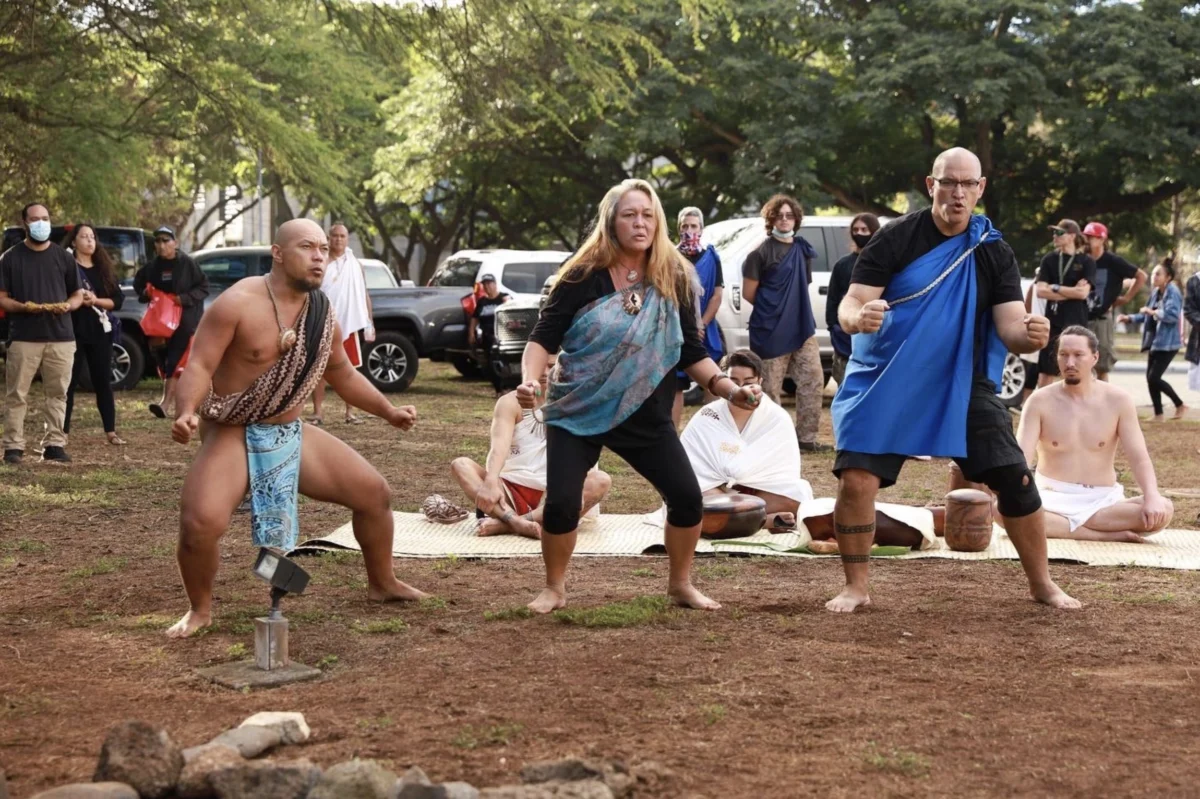
The June 2024 announcement of a $17 million settlement between the U.S. Department of Justice and approximately 3,600 residents of O’ahu marks a significant, yet controversial, milestone in a protracted environmental and public health crisis. This legal resolution follows years of advocacy and litigation stemming from the November 2021 fuel spill at the Red Hill Bulk Fuel Storage Facility, an event that contaminated the primary drinking water source for nearly 100,000 people. While the settlement provides a degree of financial restitution for families affected by the toxic leak, it has also reignited a broader national conversation regarding military accountability, environmental justice, and the enduring tension between United States strategic interests and the sovereign rights of Indigenous populations in Hawai’i.
The Red Hill Facility and the November 2021 Contamination Event
The Red Hill Bulk Fuel Storage Facility is a massive underground complex consisting of 20 steel-lined tanks encased in concrete, carved into the volcanic rock of O’ahu during World War II. Capable of holding up to 250 million gallons of fuel, the facility was designed to be bomb-proof and strategically vital for Pacific operations. However, the facility’s location—situated just 100 feet above the Southern O’ahu Basal Aquifer—has long been a point of concern for environmentalists and local officials. This aquifer provides the vast majority of the drinking water for the city of Honolulu and the surrounding areas.
The crisis reached a breaking point in late 2021. While the U.S. military initially downplayed the severity of the situation, it was later confirmed that over 19,000 gallons of jet fuel had leaked into the Navy’s water system in November of that year, following a separate leak of roughly 1,600 gallons in May 2021. Historical data suggests that the facility has a long record of instability; since its construction in the 1940s, an estimated 180,000 gallons of fuel have leaked from the aging infrastructure into the surrounding environment.

The immediate impact of the 2021 spill was devastating. Residents in military housing and surrounding neighborhoods reported a distinct smell of fuel coming from their taps. Thousands of people began experiencing acute symptoms, including skin rashes, nausea, vomiting, dizziness, and chemical burns. For many, the health impacts have proven to be chronic. Families have reported persistent neurological issues, respiratory problems, and developmental setbacks in children, leading to a profound loss of trust in the institutions responsible for public safety.
A Chronology of the Red Hill Crisis
The trajectory of the Red Hill crisis is defined by a sequence of systemic failures and subsequent public mobilization:
- 1940–1943: The Red Hill facility is constructed in secret during World War II to protect fuel reserves from aerial bombardment.
- January 2014: A leak of 27,000 gallons of fuel from Tank 5 brings the facility’s risks into the public eye, prompting the Environmental Protection Agency (EPA) and the Hawaii Department of Health to issue an Administrative Order on Consent.
- May 2021: An operator error leads to the release of 1,600 gallons of fuel, much of which enters a fire suppression line.
- November 2021: The fire suppression line ruptures, releasing nearly 20,000 gallons of fuel into the Red Hill Shaft, the Navy’s primary drinking water source.
- December 2021: The Hawaii Department of Health issues an emergency order to suspend operations and drain the tanks. The Navy initially fights the order in court.
- March 2022: Under immense public and political pressure, Secretary of Defense Lloyd Austin announces that the facility will be permanently closed and defueled.
- October 2023–March 2024: The Joint Task Force-Red Hill successfully removes over 104 million gallons of fuel from the facility through a complex defueling process.
- June 2024: The U.S. Department of Justice reaches a $17 million settlement with more than 3,600 plaintiffs, although many families argue the amount is insufficient to cover lifelong medical costs.
Health Implications and the Native Hawaiian Perspective
For the Native Hawaiian community, the Red Hill crisis is viewed not merely as an industrial accident, but as a continuation of "hewa"—a great wrong—against the land and the people. Mai Hall, a Native Hawaiian and military spouse, has emerged as a prominent voice in the movement for accountability. Her story reflects the complex intersection of identity and crisis; while her family is part of the military community, they were also victims of its negligence.
Hall has documented the neurological toll the contaminated water has taken on her children, specifically her son, who developed Tourette’s syndrome and exacerbated ADHD symptoms following the spill. Her experience is mirrored by hundreds of others who are now part of the "Red Hill Registry," a long-term health study conducted by the University of Hawai’i at Mānoa. The registry aims to track the long-term effects of petroleum exposure, as the medical community currently lacks comprehensive data on the long-term consequences of ingesting jet fuel.

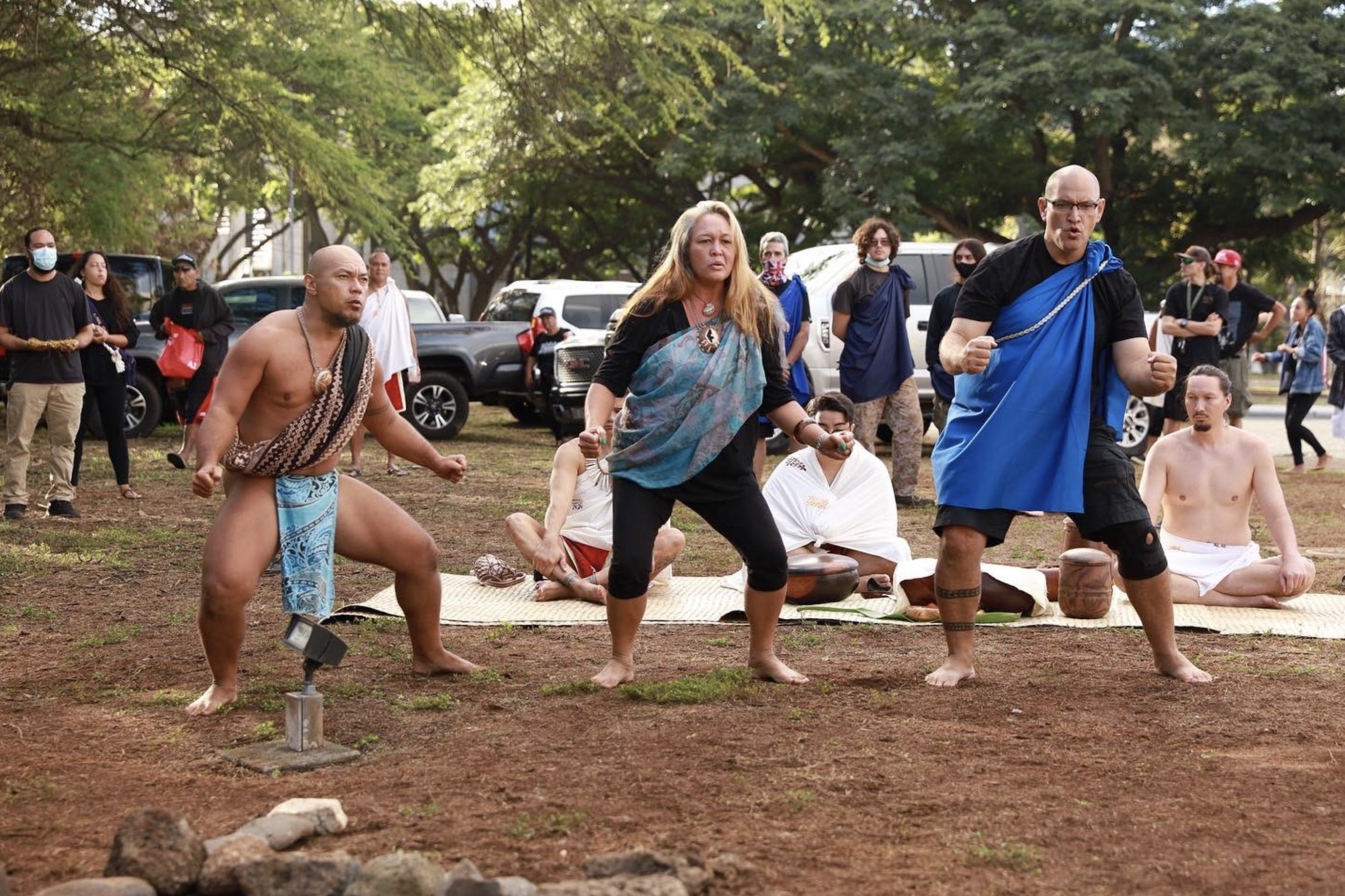
The cultural significance of the water, or "wai," cannot be overstated in this context. In Hawaiian tradition, water is a gift from the "akua" (gods) and is essential for "ola" (life). The contamination of an aquifer is seen as a desecration of a sacred resource. The resistance movement has utilized traditional cultural protocols, including "oli" (chants), "hula," and the building of "ko’a" (shrines), to organize and express their grievances. This blend of Western legal activism and Indigenous cultural practice has been a hallmark of the water protectors’ strategy.
The Legacy of Colonialism and Military Occupation
The Red Hill crisis is inextricably linked to the historical and political status of Hawai’i. Many Native Hawaiians point to the 1893 illegal overthrow of the Hawaiian Kingdom, orchestrated by American businessmen and supported by the U.S. military, as the root cause of contemporary land-use conflicts. The subsequent annexation of Hawai’i in 1898, which occurred without the formal consent of the Hawaiian people or a treaty of annexation ratified by Congress, remains a point of legal and moral contention.
Today, the U.S. military controls approximately 20 percent of the land on O’ahu. For critics, the Red Hill spill is an example of "settler colonialism," where the needs of the occupying military force are prioritized over the health of the Indigenous population and the ecology of the islands. The phrase "he ali’i ka ‘āina, he kauwā ke kanaka" (the land is chief, man is its servant) serves as a foundational philosophy for those demanding that the military return lands and adopt better stewardship practices.
The tension is further complicated by the high rate of military service among Native Hawaiians. Despite the history of annexation, many Kanaka Maoli serve in the armed forces, often citing a tradition of service and a desire to protect their home. This creates a unique internal dynamic where families like the Halls find themselves protesting the very institution that employs their loved ones.
Administrative Responses and Future Outlook
The closure of Red Hill is a landmark victory for environmental activists, but the path forward remains fraught with challenges. The $17 million settlement, while providing immediate relief to some, represents only a fraction of the total claims. Thousands of other residents continue to pursue separate legal actions against the federal government, seeking compensation for medical monitoring and property devaluation.
The Environmental Protection Agency (EPA) and the Hawaii Department of Health continue to monitor the groundwater around Red Hill. While the tanks have been drained, residual fuel remains in the environment, and the process of "remediation"—cleaning the soil and the aquifer—could take decades. There is also the ongoing question of where the Navy will store its fuel in the future, as the strategic necessity for a Pacific fuel reserve has not diminished.
Furthermore, the crisis has prompted a legislative push in the Hawaii State Capitol and in Washington D.C. to implement stricter regulations on underground storage tanks. Advocacy groups are calling for a total shift in how military infrastructure is managed in proximity to civilian resources, arguing that "national security" must include the security of the water supply and the health of the citizenry.
Conclusion: The Path Toward "Pono"
The Red Hill water crisis has fundamentally altered the relationship between the U.S. military and the people of Hawai’i. It has exposed the vulnerabilities of aging infrastructure and the catastrophic risks of prioritizing strategic readiness over environmental safety. For the survivors of the contamination, the settlement is a beginning, not an end.
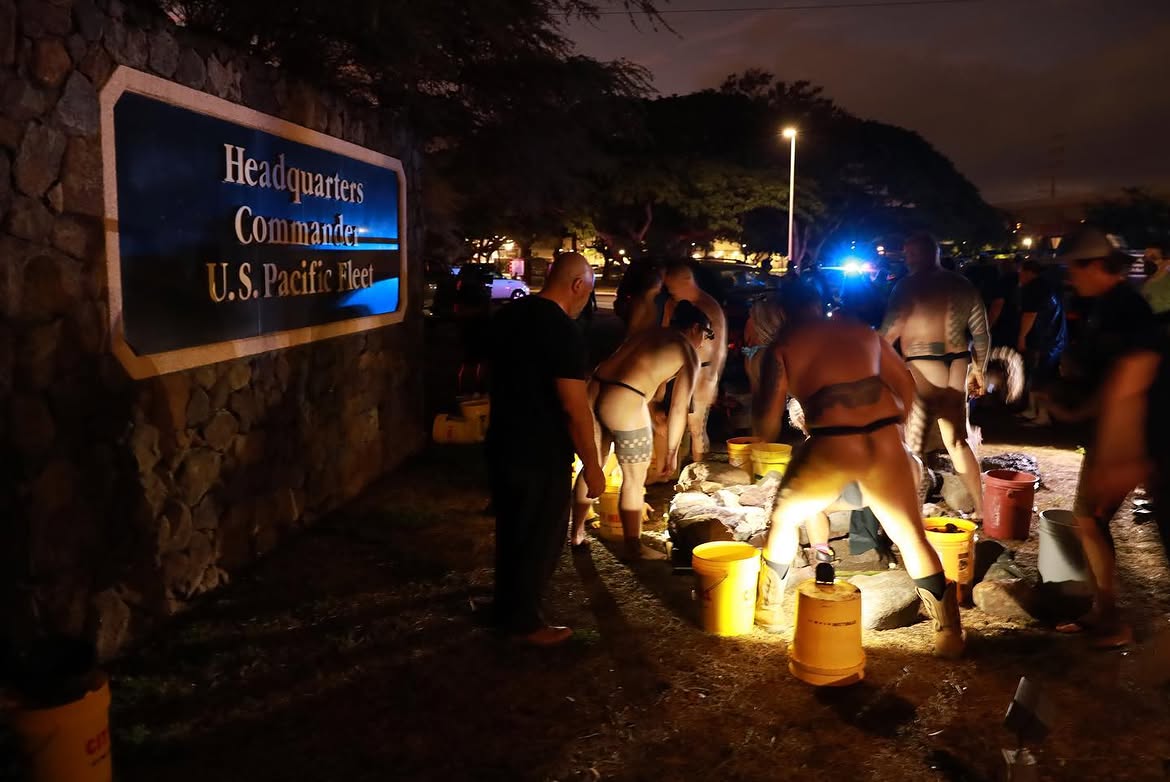
The concept of "pono"—the restoration of balance and justice—remains the guiding principle for the community. Achieving true "pono" will require more than financial settlements; it will necessitate a long-term commitment to environmental restoration, a transparent accounting of health impacts, and a reevaluation of the military’s footprint on ancestral Hawaiian lands. As the "heavens weep and the earth grows," the people of O’ahu remain vigilant, ensuring that the water, the lifeblood of the islands, is never again compromised by the machinery of empire.