Nila Kartika Wati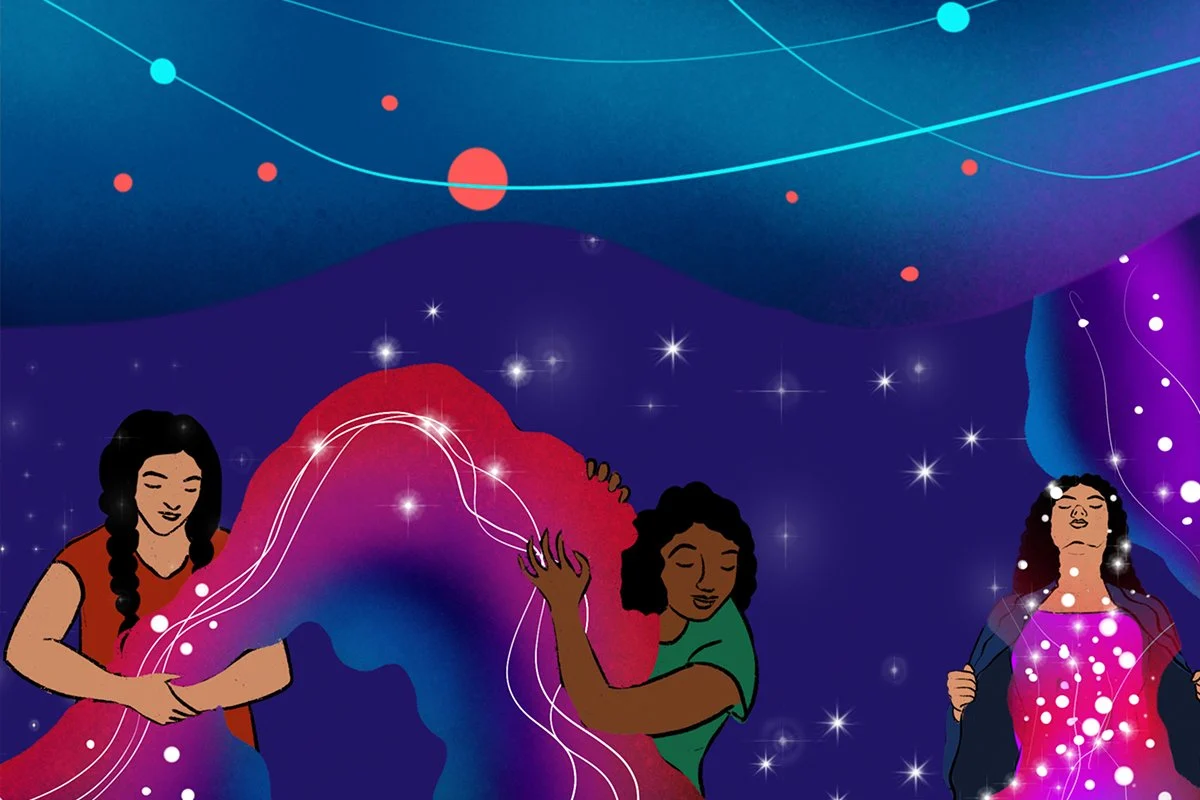
The initiative emerges at a time when global crises, ranging from democratic erosion to ecological collapse, have pushed many social justice organizations into a state of perpetual crisis management. The authors of the research—Asha Athman, Juliana Roman Lozano, Jody Myrum, Akinyi Rose, Laura V, and Nyawira Wahito—assert that for transformation to occur, societies must move beyond merely reacting to harm. Instead, they must invest in "worldbuilding," a practice where marginalized groups define and create the social, economic, and ecological structures they wish to inhabit.
The Framework of Worldbuilding and Dreaming as Resistance
At the heart of this journalistic inquiry is the concept that systems of oppression, such as patriarchy, racism, and ableism, function by narrowing the "horizons of possibility" for young girls. According to the research, these systems flood the mental and emotional lives of marginalized individuals with urgency and scarcity, leaving little room for the "interior quiet" necessary for imagination. Consequently, when a girl in Rwanda or Kenya dreams of becoming a policymaker or a leader, she is performing an act of political defiance.
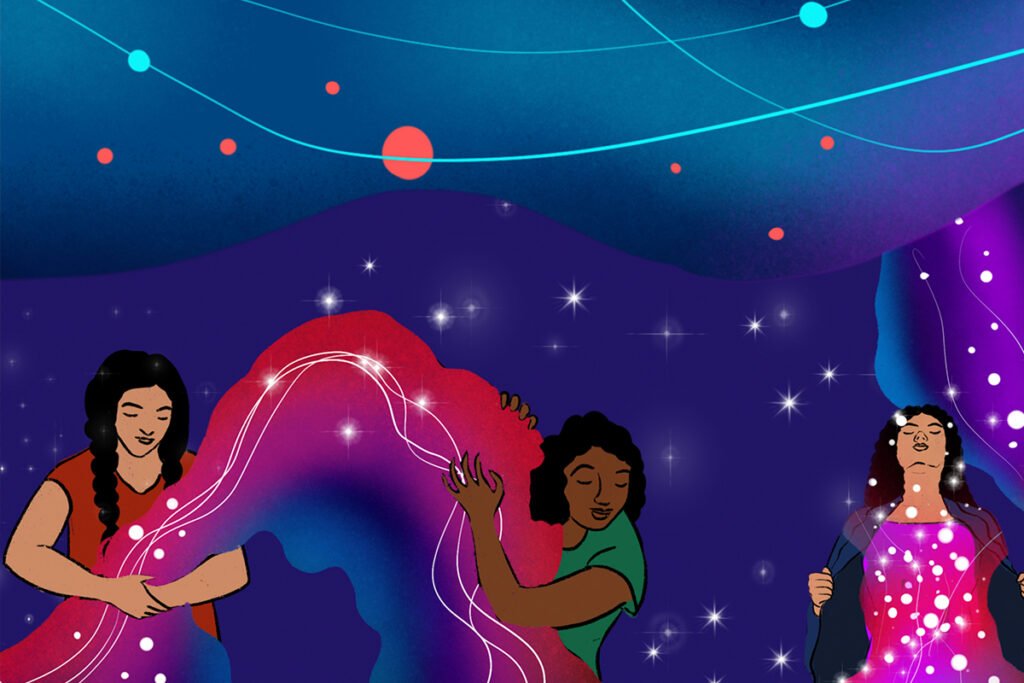
The research draws a historical parallel to Harriet Tubman, the American abolitionist who led dozens of enslaved people to freedom. The report notes that Tubman was known for her "predictive visions," which she experienced as vivid dreams of freedom years before the formal emancipation of African Americans. By connecting modern girl-led movements to this ancestral lineage, the authors argue that "dreaming" has always been a sophisticated tool for navigating toward liberation under conditions of extreme constraint.
Methodology: The Dreaming and Worldbuilding Game
The findings presented in the series are grounded in years of qualitative research and participatory play. The researchers utilized a specifically designed "Dreaming and Worldbuilding Game" to facilitate workshops in various countries. This methodology creates a safe, low-stakes environment where participants can move past immediate survival needs to imagine radically different realities.
The results of these sessions across eight countries revealed recurring themes: mutuality, collective care, joy, and ecological harmony. For example:
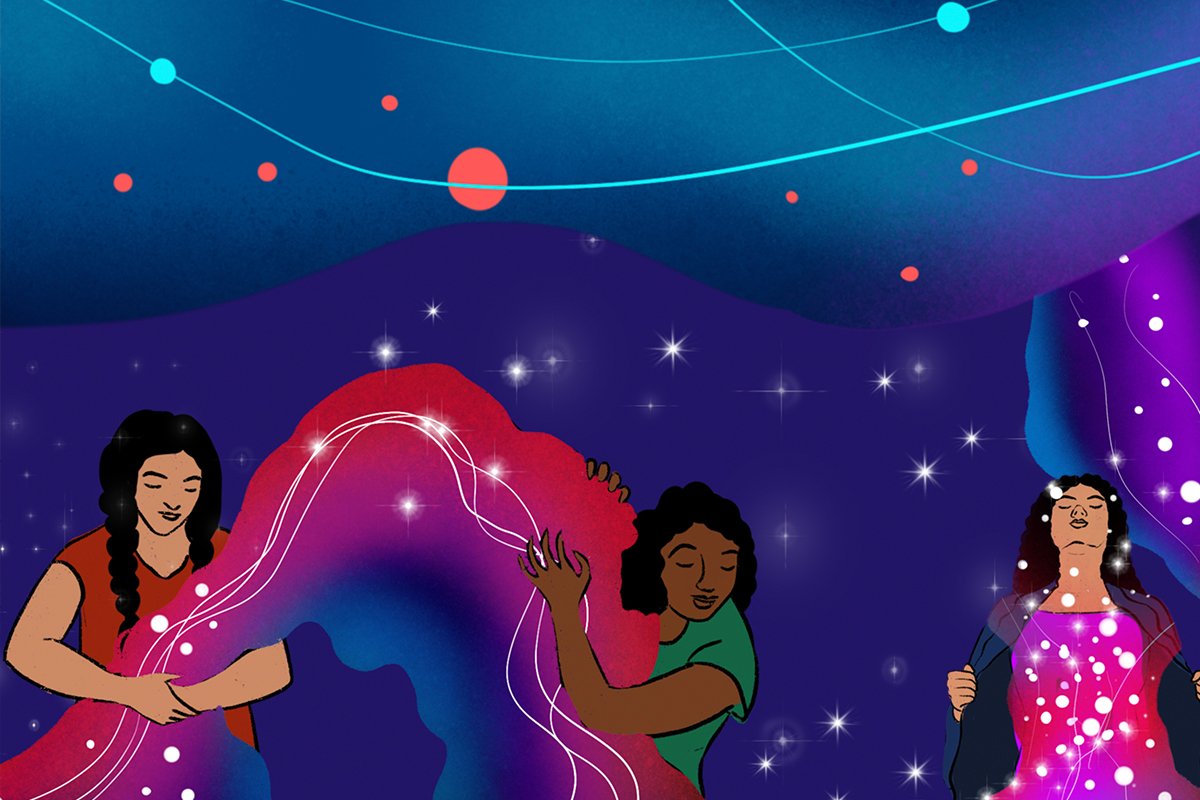
- Argentina: In the Villa 31 neighborhood of Buenos Aires, the organization La Nuestra Fútbol Feminista utilized worldbuilding to imagine "feminist football pitches." These are spaces designed to be safe, well-lit, and inclusive of all bodies and identities, challenging the male-dominated nature of urban sports spaces.
- Jordan: Participants imagined communities defined by belonging rather than fear or judgment, specifically targeting social exclusions based on gender and displacement.
- Kenya and Tanzania: Young feminists envisioned educational systems that prioritize curiosity and leadership over rote conformity, aiming to dismantle the "inherited conditions" of limited opportunity for rural girls.
- Romania: The focus shifted to ecological restoration, where girls imagined a relationship with the "more-than-human world" based on reciprocity rather than the extractive logic of modern industry.
Supporting Data: The Funding Gap for Girls and Young Feminists
The call for worldbuilding is supported by a stark reality in the philanthropic sector: the chronic under-resourcing of girl-led initiatives. While gender equality has become a buzzword in international development, the actual capital reaching the hands of young feminists remains marginal.
According to data from the Association for Women’s Rights in Development (AWID) and the Human Rights Funders Network, only a tiny fraction of foundation giving—estimated at less than 1 percent—specifically reaches organizations led by girls and young women. Furthermore, much of this funding is "conditional" or "project-based," requiring organizations to focus on specific, pre-determined outcomes like reducing teen pregnancy or improving literacy.
The researchers argue that this "extractive logic" prevents young feminists from engaging in the very worldbuilding activities they have identified as essential. By forcing groups to focus on "managing crises," donors inadvertently stifle the imaginative capacity required for long-term systemic change. The report advocates for a shift toward "trust-based philanthropy," where resources are provided for rest, gathering, and the "freedom to imagine" without the immediate pressure of quantifiable outputs.

Chronology of the Initiative
The development of the "Girls are Full of Power" series follows a specific timeline of research and advocacy:
- 2010–2020: Founding members of the collective begin documenting grassroots resistance and girl-led movements in Latin America and East Africa.
- 2021: The "Dreaming and Worldbuilding Game" is piloted as a research tool to gather data on the aspirations of young feminists in crisis contexts.
- 2022–2023: Data collection expands to Jordan, Romania, and India, synthesizing cross-cultural themes of "abundance" and "reciprocity."
- 2024: Launch of the year-long series in Nonprofit Quarterly, aimed at influencing the philanthropic sector and social movement leadership.
Analysis of Implications: From Scarcity to "Buen Vivir"
The research introduces the South American philosophical concept of Buen Vivir (Good Living) as an alternative to the dominant economic models of growth and extraction. Buen Vivir emphasizes that true wellbeing is found in balance—between humans, and between humans and nature.
The implications of adopting a "worldbuilding" lens are significant for both public policy and social organizing. If imagination is treated as a "discipline of hope," then social programs must account for the "mental and emotional space" of the people they serve. For example, providing a girl with an education is a "solution," but creating a world where she has the "creative authority" to redefine what education looks like is "transformation."

The authors argue that this is an "epistemological rebellion." It shifts the starting point of social analysis from what is "broken" or "scarce" to what is "possible" and "abundant." By naming their dreams—whether it be a clean river or a community free of gender-based violence—girls are already beginning to inhabit those futures. This psychological shift is viewed as a necessary precursor to physical and legal changes in society.
Official Responses and Broader Impact
While the initiative is primarily led by activists, it has garnered attention from the broader nonprofit sector. Statements from the researchers emphasize that they are not asking for "permission" to build these worlds; rather, they are inviting institutions to align their resources with the work already underway.
"The question is whether the rest of us are willing to place our institutions, our resources, and our own imaginations in service of the worlds that girls and young feminists are already bringing into being," the authors state. This sentiment reflects a growing trend in the "Shift the Power" movement, which seeks to move decision-making authority from Global North donors to Global South grassroots leaders.

Industry analysts suggest that this focus on "dreaming" may meet resistance in a data-driven nonprofit environment that prioritizes "hard metrics." However, proponents argue that the failure of traditional "crisis-response" models to solve issues like climate change or rising authoritarianism proves that a "broader imagination" is required.
Conclusion: The Persistence of Political Imagination
The "Girls are Full of Power" series serves as a reminder that dreaming is a serious, political act. In a global climate often defined by a "politics of cruelty," the act of collectively building spaces of tenderness and joy is a form of self-defense.
The research concludes that the dreams of girls in places like Villa 31 or rural Kenya are not unreachable utopias. Instead, they are "precise diagnoses" of current systemic failures and "precise architectures" for repair. As these young architects continue to weave a web of political imagination across borders, the initiative suggests that another world is not just a possibility—it is a project already fiercely underway. The challenge for the global community lies in recognizing these practices as a valid form of political knowledge and providing the "abundance in time, care, and rest" necessary for them to flourish.