Nila Kartika Wati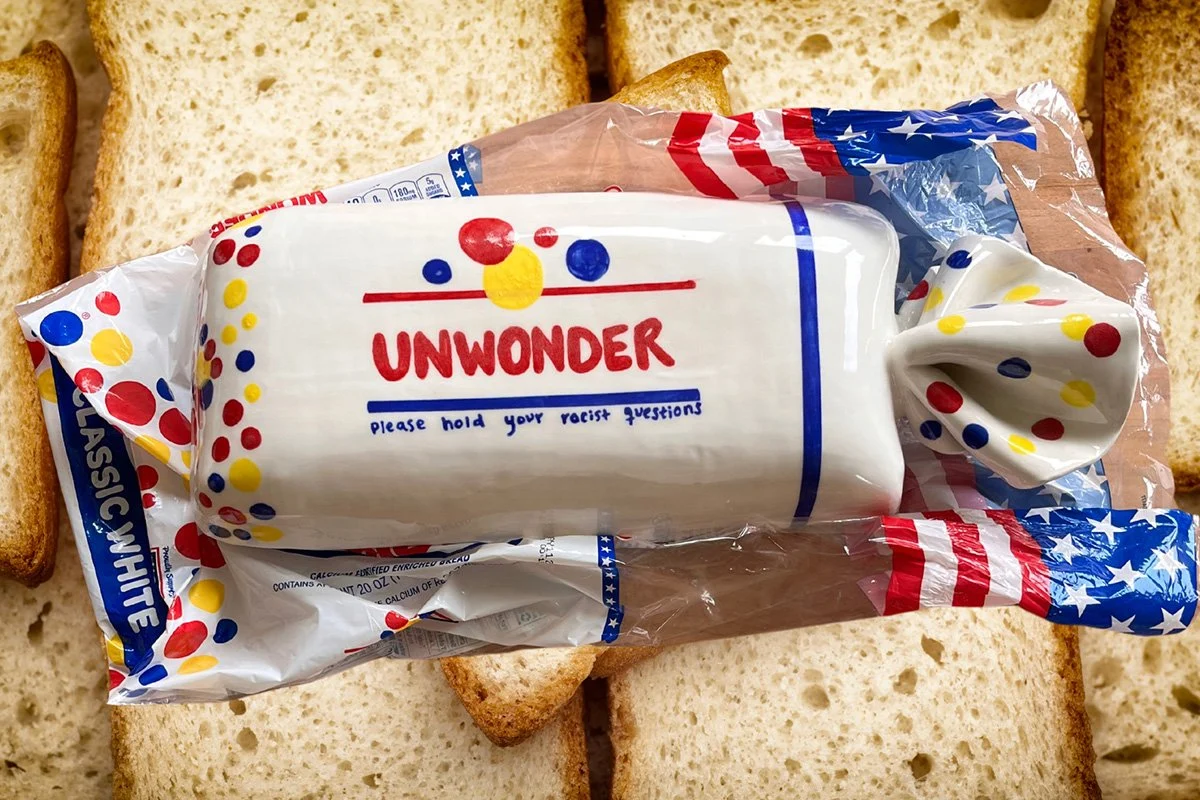
The Intersection of Identity and Iconography
The genesis of the sculpture lies in the artist’s lived experience as a mixed-race Asian American woman carrying a surname—Whitebread—that stands in stark contrast to her visible racial identity. Growing up in a predominantly white small town on the East Coast, Whitebread encountered a persistent social dissonance. The surname "Whitebread" typically evokes a specific brand of Eurocentric, suburban American identity, leading to a recurring cycle of questioning from those who found her physical appearance and her name to be incongruent.
This experience highlights a phenomenon frequently documented in sociological studies: the "perpetual foreigner" trope. Despite being a second-generation American, Whitebread’s identity was framed as a puzzle to be solved by the dominant culture. The sculpture, Unwonder, is a direct response to this history of intrusive curiosity. By mimicking the packaging of Wonder Bread but altering the text to read "Unwonder: Please Hold Your Racist Questions," the artist creates a visual barrier that interrupts the standard script of racial inquiry.
Chronology of Development and the 2026 Context
The creation of Unwonder arrives at a pivotal moment in the American cultural timeline. As the United States approaches its 250th anniversary in 2026—the Semiquincentennial—there is a heightened national focus on the "American story." For many marginalized and mixed-race communities, this milestone is met with a mixture of skepticism and a demand for more nuanced representation.
Whitebread’s work was developed as part of a larger movement within the arts and nonprofit sectors to challenge the "magical racial bridge" expectation. This is the social pressure placed upon mixed-race individuals to act as mediators or translators between different racial groups, often at the expense of their own emotional well-being. The timeline of this work’s emergence coincides with a broader shift in the Pacific Northwest art scene, where QTBIPOC (Queer, Trans, Black, Indigenous, and People of Color) collectives are increasingly utilizing traditional crafts, such as ceramics, to engage in radical storytelling and community building.
Supporting Data: The Rising Multiracial Population
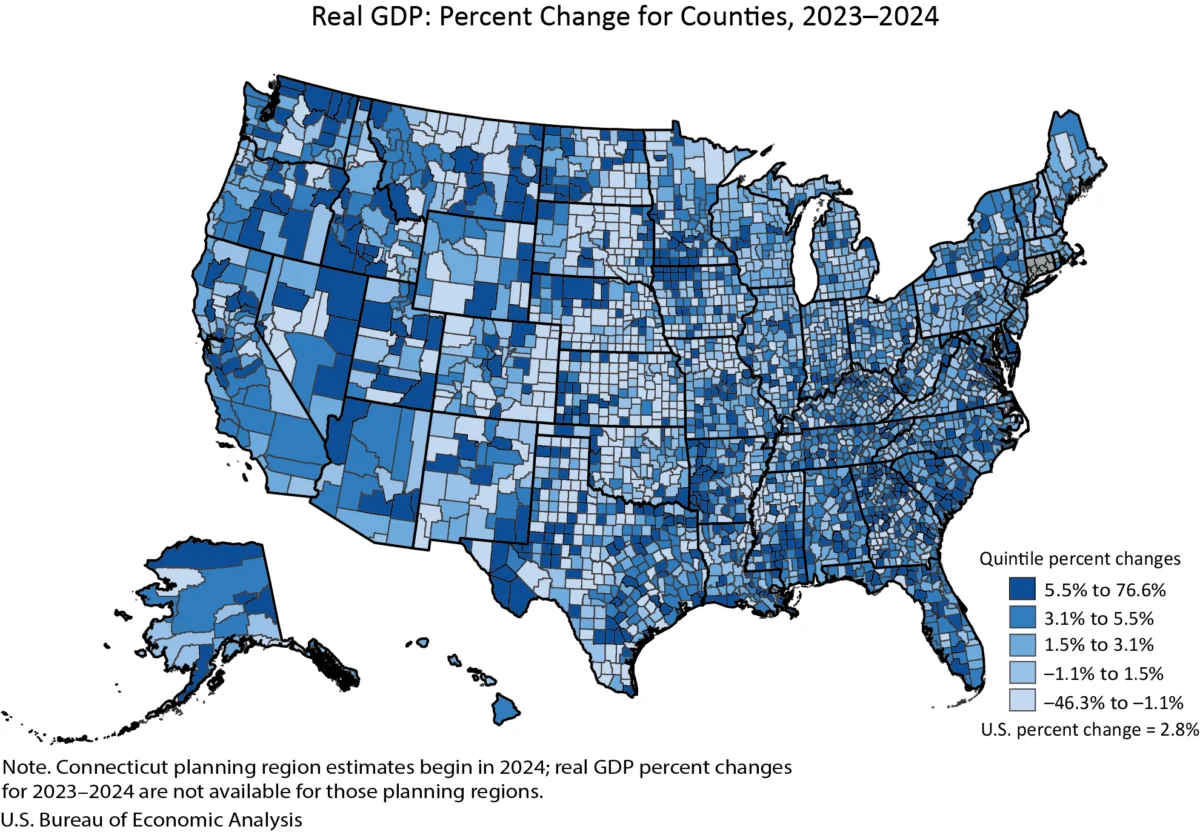
The themes explored in Unwonder are supported by shifting demographic data in the United States. According to the 2020 U.S. Census, the multiracial population has seen a significant increase, growing from 9 million people in 2010 to 33.8 million in 2020—a 276 percent increase. This demographic shift has outpaced the nation’s institutional ability to move beyond binary racial frameworks.

Research from the Pew Research Center indicates that mixed-race individuals frequently report experiences of racial "mismatch," where how they identify does not align with how they are perceived by others. Approximately 60 percent of multiracial adults say they are proud of their mixed-race background, yet many also report feeling a sense of exclusion from one or more of the racial groups that make up their heritage. Whitebread’s sculpture addresses this "otherness" by refusing to make the mixed-race identity "legible" or "uncomplicated" for the benefit of the viewer.
Deconstructing the "White Bread" Metaphor
The choice of Wonder Bread as the central metaphor is deeply rooted in American industrial and social history. Introduced by the Taggart Baking Company in 1921 and later popularized by Continental Baking, Wonder Bread became a symbol of the "white-bread" lifestyle—standardized, mass-produced, and devoid of "impurities." In the mid-20th century, it represented a vision of American progress that was inextricably linked to white, middle-class suburbanization.
By using ceramics to replicate a soft, perishable item like a loaf of bread, Whitebread employs an artistic irony. The "exhaustion" she describes is rendered in a material that must be fired at high temperatures to become permanent. This mirrors the hardening of the self that often occurs when individuals are subjected to repetitive microaggressions. The sculpture subverts the "wonder" of the original brand, replacing it with "unwonder"—a state of being that rejects the spectacle of racial ambiguity.
Institutional Responses and the Role of the Artist-Consultant
Beyond the gallery space, the implications of Unwonder extend into the professional and nonprofit sectors. As a Senior Consultant at Healing Equity United and the founder of Harvest Within Coaching, Whitebread’s artistic practice is inextricably linked to her work in organizational development and equity. The nonprofit sector has historically struggled with "white supremacy culture," a term coined by activists like Tema Okun to describe organizational norms that prioritize perfectionism, a sense of urgency, and the "only one right way" of doing things.
Informed observers in the DEIB (Diversity, Equity, Inclusion, and Belonging) space have noted that Whitebread’s work reflects a necessary transition from "awareness" to "liberation." While earlier iterations of diversity work focused on explaining marginalized identities to the dominant group, Unwonder represents a shift toward setting boundaries. The sculpture’s subtitle, "Please Hold Your Racist Questions," acts as a directive for institutional leaders to take responsibility for their own education rather than relying on the labor of BIPOC staff.
Broader Impact and Social Implications
The impact of Unwonder lies in its ability to spark dialogue about the "entitlement to know." In a digital age characterized by the constant consumption of personal narratives, the sculpture asserts the right to privacy and the right to exist without being categorized. This is particularly relevant in the context of "Indigenous erasure," a theme Whitebread notes in her relocation to the West Coast. The assumption that she must be of Native background in certain geographic contexts further illustrates how racial categorization is often a projection of the observer’s own cultural environment rather than an engagement with the individual’s truth.

The sculpture also challenges the notion of the "US identity" as a monolithic or settled concept. As the nation prepares for its 250th anniversary, works like Unwonder suggest that a truly inclusive democracy requires the dismantling of restrictive boxes. It calls for a "unlearning" of the norms that require people of color to be "uncomplicated" to be worthy of belonging.
Fact-Based Analysis of Future Implications
As the multiracial population continues to grow, the social and psychological pressures highlighted by Whitebread’s work are likely to become a central focus of American cultural discourse. The "What are you?" question is increasingly recognized by psychologists as a microaggression that can lead to "identity denial," a form of social rejection where an individual’s self-identification is invalidated by others.
The success of Unwonder in the Greater Seattle area’s QTBIPOC art circles suggests a growing appetite for art that prioritizes the internal experience of the marginalized subject over the curiosity of the outside observer. Looking forward, the integration of such critiques into the nonprofit and corporate sectors—where Whitebread also operates—may lead to more robust policies regarding "emotional labor" and the protection of identity within the workplace.
In conclusion, Unwonder: Please Hold Your Racist Questions is more than a piece of ceramic art; it is a manifesto for the modern era. It utilizes the history of American consumerism to critique the consumption of identity. By freezing the "exhaustion" of racial interrogation in clay, Cassie Whitebread provides a permanent reminder that the burden of legibility should not fall on the shoulders of the racialized, but rather on a society that remains obsessed with the boundaries of a "white-bread" ideal that never truly existed for everyone. Through this work, the artist reclaims the narrative, transforming a history of questioning into a future of self-defined belonging.