Layla Zulfa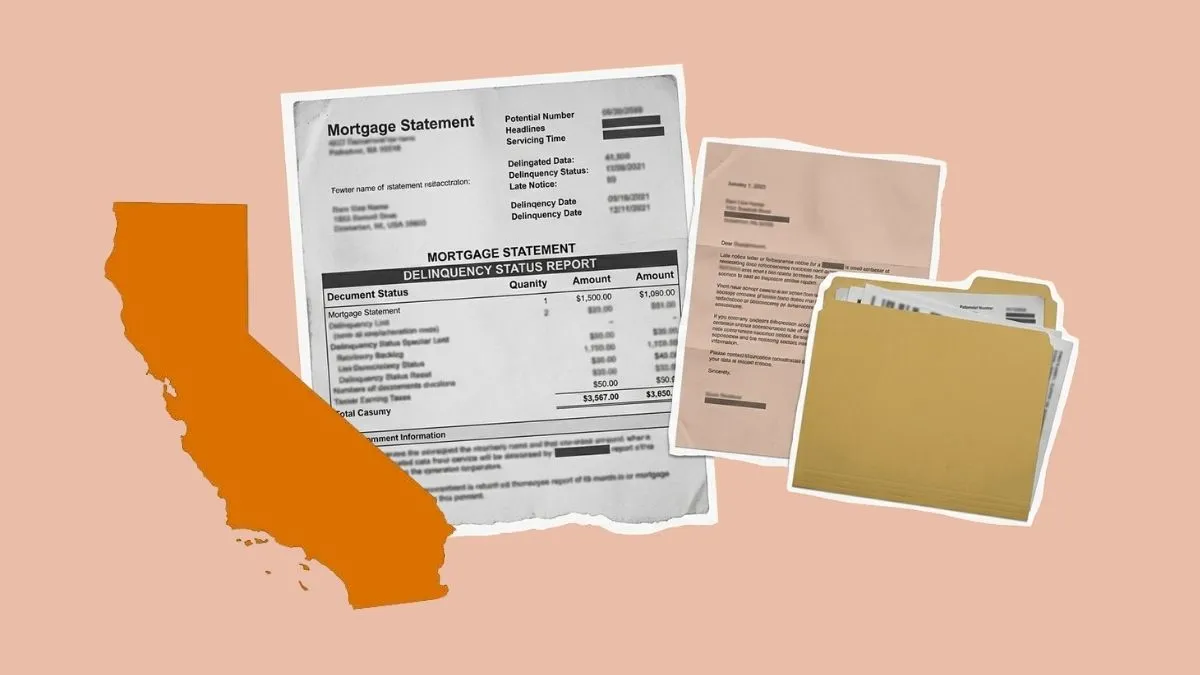
The California Mortgage Bankers Association (CMBA) presented a critical perspective on the efficacy of mortgage forbearance and the multifaceted challenges confronting homeowners impacted by the devastating January 2025 California wildfires during an oversight hearing of the California Assembly Banking & Finance Committee on March 20. The hearing specifically examined the provisions and impact of California Assembly Bill 238 (AB 238), legislation designed to offer financial relief to those affected by these catastrophic events.
AB 238 establishes a framework for mortgage forbearance, allowing eligible homeowners to pause or reduce their mortgage payments for up to one year. This relief is structured in 90-day increments, providing a degree of flexibility for individuals grappling with financial instability in the wake of the fires. However, the CMBA’s testimony underscored that while forbearance serves as a crucial immediate buffer, it is not a panacea for the complex and protracted recovery process that wildfire survivors face.
The Scale of the Disaster and Immediate Impact
The January 2025 wildfires, notably the Eaton Fire in Altadena and the Palisades Fire in Pacific Palisades, inflicted widespread destruction, scorching an estimated 59 square miles of land. The human toll was staggering, with thousands of residents displaced and a tragic loss of approximately 440 lives. In the months following these infernos, many survivors remain without permanent housing and are navigating a deeply challenging path toward recovery.
During the Assembly committee hearing, lawmakers received poignant testimony from families recounting their experiences with displacement, the agonizing delays in receiving insurance payouts, and the arduous, multi-year process of rebuilding their homes. These personal narratives highlighted the profound and interconnected nature of the challenges faced by these communities.
Mortgage Forbearance: A Bridge, Not a Destination
Paul Gigliotti, CEO of CMBA, articulated the association’s stance, emphasizing that natural disasters create a cascade of problems affecting housing, insurance, and overall financial stability. "Natural disasters don’t create one problem – they create a chain reaction across housing, insurance and financial stability," Gigliotti stated during his testimony. He further elaborated on the CMBA’s commitment, saying, "We showed up on Friday to support both our industry and the homeowners we serve, and to reinforce that recovery requires more than short-term relief – it requires real coordination and execution."
In an interview with HousingWire, Gigliotti elaborated on the need for clear guidelines and a more robust strategy surrounding mortgage forbearance. He expressed concern that public testimony at the hearing indicated a perception of limited progress for many affected families. "Unfortunately, at the committee hearing, we heard largely from the public that not much has been accomplished," Gigliotti remarked.
The CMBA’s formal testimony to the committee stressed that while mortgage forbearance provides essential short-term financial relief, its limitations as a long-term solution are significant. The association cautioned that extending forbearance without a clearly defined roadmap for post-forbearance obligations could inadvertently exacerbate financial strain on borrowers over an extended period.
"Forbearance is a bridge – but we have to be just as focused on what comes next," Gigliotti emphasized. "We are ready to work alongside Assemblymembers and stakeholders to build scalable solutions that address the full recovery process – not just lending, but insurance, permitting, and housing stability. If we get this right, California has the opportunity to lead the nation in how we respond to natural disasters."
Beyond Mortgage Relief: Interconnected Recovery Challenges
The CMBA’s testimony also illuminated a broader spectrum of interconnected recovery challenges that extend far beyond mortgage servicing. These include:
- Insurance Claim Delays and Coverage Gaps: Many homeowners are experiencing significant delays in the processing of their insurance claims. Furthermore, issues related to underinsurance or inadequate coverage are leaving a substantial financial burden on survivors attempting to rebuild. Data from recent wildfire seasons in California has consistently shown that insurance payouts often fall short of the actual cost of rebuilding, forcing homeowners to seek additional funding or abandon reconstruction efforts. For instance, in the aftermath of the 2018 Camp Fire, the most destructive wildfire in California history, many policyholders found their coverage insufficient for the unprecedented rebuilding costs.
- Permitting and Rebuilding Timelines: The process of obtaining building permits in fire-affected areas is notoriously slow. Bureaucratic hurdles, the sheer volume of applications, and the need for specialized assessments can stretch the timeline for rebuilding to several years. This protracted process adds immense stress and financial uncertainty for displaced families. Reports from past wildfire recovery efforts indicate that the permitting process can add an additional 12-18 months to the overall rebuilding timeline, even after the initial assessment and design phases are complete.
- Limited Temporary Housing and Rising Rents: The destruction of thousands of homes has created a severe shortage of available housing. This scarcity has driven up rental prices in surrounding areas, making it difficult for displaced residents to find affordable temporary accommodation. The financial strain of paying for temporary housing while simultaneously attempting to navigate the rebuilding process is a significant burden. In many of the affected regions, rental vacancy rates have plummeted post-disaster, and average rental prices have seen increases of 15-20% within months of the fires.
- Communication Gaps Among Stakeholders: A lack of seamless communication and coordination among state agencies, local governments, insurance companies, lenders, and rebuilding contractors can create confusion and further impede the recovery process. This fragmentation of efforts can lead to duplicated efforts, missed opportunities for collaboration, and prolonged timelines.
Gigliotti underscored the urgency of addressing these systemic issues. "Unfortunately, due to other circumstances, a lot of those wildfire victims, as we heard on Friday, still don’t know what the next steps are," he stated. "Counties still haven’t opened up areas for the wildfire victims to be able to walk to their homes, let alone get plans or an architect to potentially rebuild, and even if they did, county offices are so backed up with permits that not that many permits have been issued."
The Financial Burden on Lenders
While the focus of the hearing was on homeowner relief, Gigliotti also highlighted the financial implications of forbearance for mortgage lenders and servicers. He pointed out that the payments not being made by borrowers under forbearance are not simply absorbed by the government or a third party. Instead, lenders continue to make these payments to servicers on behalf of the borrowers.
"While the payments are not being paid on forbearance, it is important to remember that the lender is paying that. It’s not free money," Gigliotti explained. "Some of our lender members, if one of those bills came to fruition, that’s a lot of money they’re having to pay out to servicers on behalf of that." This financial exposure for lenders, particularly in large-scale disaster events, can be substantial and requires careful consideration in policy development. The cumulative financial impact on the lending industry from widespread forbearance can influence their capacity to provide future lending and support during recovery efforts.
A Call for Coordinated, Collaborative Policy
The CMBA’s overarching recommendation is for a more unified and collaborative approach to disaster recovery policy. This approach, they argue, must involve all key stakeholders: state officials, insurance providers, housing industry representatives, and the mortgage sector.
"The CMBA called for a more coordinated approach to disaster recovery policy that includes state officials, insurers, housing stakeholders and the mortgage industry," the association’s statement conveyed. "I think that would be a very interesting opportunity for the state of California to put its best foot forward," Gigliotti concluded, expressing optimism about the potential for California to set a national precedent for effective disaster response.
The association advocates for legislative and policy initiatives that move beyond immediate relief to address the long-term needs of wildfire survivors. This includes streamlining permitting processes, exploring innovative housing solutions, enhancing insurance industry responsiveness, and fostering greater collaboration among all parties involved in the rebuilding and recovery ecosystem. By adopting a holistic and coordinated strategy, California can better support its residents through the immense challenges posed by natural disasters and build a more resilient future.