Layla Zulfa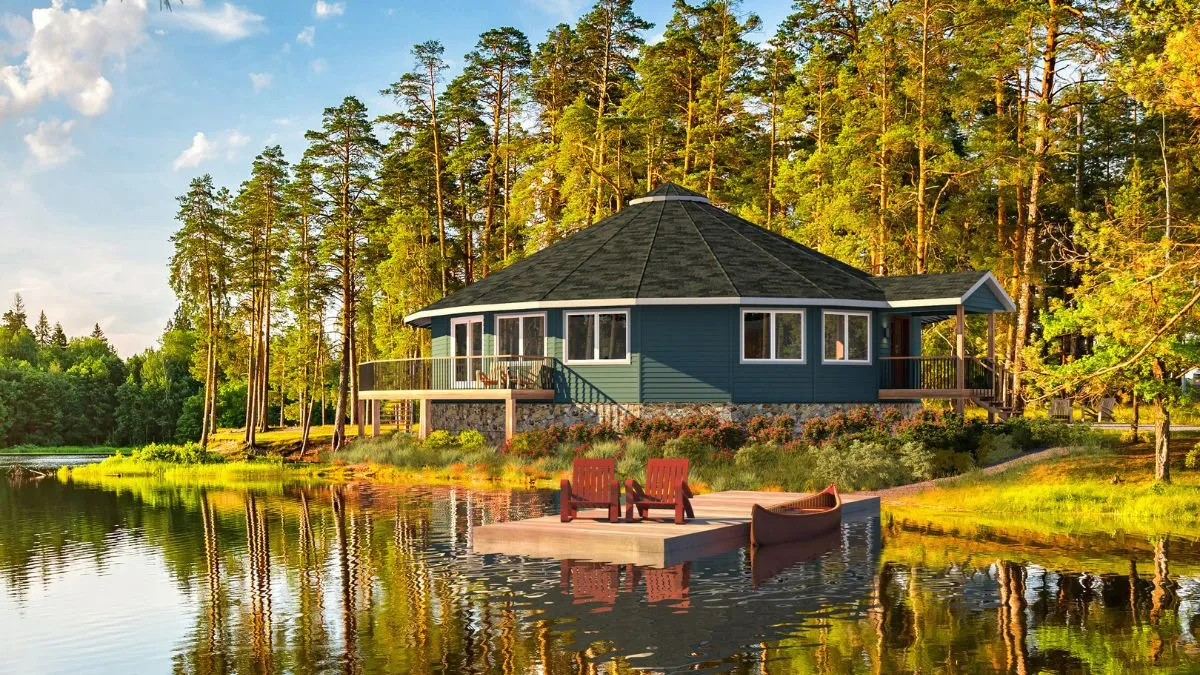
Deltec Homes, an innovative builder based in Asheville, North Carolina, is making a significant claim in the construction industry: its prefabricated, round house designs are engineered to withstand the extreme wind loads associated with a Category 5 hurricane. This bold assertion is rooted in the company’s unique architectural approach, which CEO Meg Gore explains is fundamentally about working with natural forces rather than against them. The circular footprint and specialized roof system are designed to eliminate the pressure points that often lead to structural failure during severe weather events.
"Round really works with nature, instead of fighting against it," Gore stated in an interview with The Builder’s Daily. "The wind flows around the home, instead of building pressure on one flat wall. Also, we have a radial truss system that disperses energy evenly throughout the structure. It doesn’t rely on a single critical failure point." This design philosophy is not merely theoretical; Deltec reports a remarkable 99.9% survival rate for its homes in major hurricanes over the past three decades, a testament to its engineered resilience.
Engineering for Extreme Wind Conditions: A Deep Dive into Deltec’s Methodology
The core of Deltec’s hurricane-resilient construction lies in a meticulous reinforcement of the building envelope’s critical connections. This includes robust integration between the roof and walls, as well as the walls and the foundation. The company employs a continuous strapping system, a crucial element designed to securely tie the entire roof structure directly to the foundation. This creates an integrated unit that is far less susceptible to being lifted or torn apart by powerful winds.
Further enhancing this structural integrity, Deltec utilizes larger, inverted truss hangers on every truss. Unlike the smaller, more traditional hangers, these robust components significantly improve the structure’s resistance to both uplift forces, which attempt to pull the roof off, and lateral forces, which push the structure sideways. This deliberate choice in hardware contributes to the overall stability and strength of the building against the onslaught of extreme weather.
Deltec’s standard home designs are engineered to withstand wind speeds of up to 130 mph, a threshold that meets the requirements for many high-wind zones. However, for clients in areas with a higher risk of extreme weather, the company offers upgraded packages. These enhanced options can include additional structural components and the use of stronger or larger truss plates, pushing the design’s wind resistance capability to approximately 190 mph. This level of customization allows homeowners and builders to tailor the resilience of their homes to the specific environmental challenges they face.
A Proven Track Record: The Deltec Home That Survived Michael
One of the most compelling examples of Deltec’s resilience occurred in 2018 with the landfall of Hurricane Michael. This catastrophic Category 5 storm, with peak winds estimated around 160 mph, devastated the Florida Panhandle. In Mexico Beach, Florida, an area that experienced widespread destruction, a Deltec home remarkably remained standing. This single instance has become a powerful illustration of the company’s engineering prowess and the tangible benefits of its circular design in the face of nature’s fury. The survival of this home, amidst a landscape of utter devastation, underscored the effectiveness of Deltec’s approach to building for extreme weather.
The growing urgency for hurricane-resilient design is underscored by mounting economic losses. According to the National Oceanic and Atmospheric Administration’s (NOAA) Office for Coastal Management, hurricanes have been responsible for an average of nearly $150 billion in damages annually from 2020 through 2024. This escalating financial burden, encompassing both insured and uninsured losses, highlights the critical need for construction methods that can better withstand the increasing intensity and frequency of extreme weather events. Builders and homeowners alike are recognizing that investing in resilient construction is not just a matter of safety, but also a sound financial decision in the face of growing climate-related risks.
Factory-Built Precision: The Deltec Manufacturing Advantage

Deltec’s commitment to quality and consistency is bolstered by its state-of-the-art manufacturing facility. This approximately 100,000-square-foot plant is designed for efficient production, capable of producing over 100 homes annually. The factory environment allows for precise construction of panelized components, trusses, and other essential assemblies, ensuring that each part meets stringent quality standards before being shipped to job sites. This controlled manufacturing process minimizes the variables often encountered in traditional on-site construction, leading to a more predictable and reliable end product.
Founded in 1968, Deltec Homes has a long history of innovation and global reach. The company ships its homes to all 50 states and to more than 30 countries worldwide. While demand is particularly strong in the Southeast and the Caribbean – regions historically prone to hurricanes and tropical storms – Deltec reports a growing interest from a geographically diverse customer base. This widespread appeal suggests that the demand for resilient and architecturally unique housing solutions is not confined to specific climate zones, but rather reflects a broader societal awareness of environmental challenges.
Beyond Resilience: The Unique Aesthetic Appeal of Round Homes
While storm performance is a primary differentiator for Deltec, the company’s appeal extends significantly beyond its structural integrity. CEO Meg Gore emphasizes the distinct aesthetic advantages of their round designs, particularly the "panoramic" effect they create and the ability to incorporate extensive glazing.
"With the way our homes are constructed, we actually have a panoramic window wall," Gore explained. "With all of our homes and the strength of them all at the top, you can have multiple windows. You definitely have that panoramic living that also brings in a lot of natural light. The curve geometry allows more light in, and it kind of brings that indoor-outdoor feeling." This design feature allows residents to enjoy expansive views of their surroundings, fostering a strong connection with nature and enhancing the sense of spaciousness within the home. The inherent flexibility of the round form also allows for a greater degree of natural light penetration, contributing to a brighter and more uplifting living environment.
Deltec offers homes ranging in size from approximately 300 to over 2,500 square feet. The company has also recently expanded its offerings to include a new generation of accessory dwelling units (ADUs). Gore notes that the round form factor can make even smaller-footprint units feel more spacious. "They feel larger because of their vaulted ceilings," she said. "They also feel very natural being in your yard, and it’s very aesthetically pleasing, because you’re looking at this round, almost gazebo-like, organic structure." This organic aesthetic, combined with the functional benefits, appeals to a growing segment of the market seeking homes that are both beautiful and environmentally conscious.
Implications for the Building Industry: A Paradigm Shift in Home Performance Evaluation
For builders and residential developers operating in coastal and high-wind markets, Deltec’s message highlights a significant shift in how homes are being evaluated. The traditional focus on initial appearance is increasingly being superseded by a critical assessment of a home’s performance in the aftermath of a storm. Buyers, insurance companies, and local regulatory bodies are all placing greater emphasis on structural resilience and long-term durability.
The integration of storm-resilient specifications, such as those offered by Deltec, can present several practical considerations for production and semi-custom builders. These may include:
- Production Efficiency: Builders must assess how incorporating specialized structural components and connection methods might affect their assembly line processes and build times.
- Material Sourcing: Sourcing specific, high-performance materials and connectors may require adjustments to supply chain management and vendor relationships.
- Cost Considerations: While the upfront investment in resilient construction may be higher, it can lead to significant long-term savings through reduced repair costs and potentially lower insurance premiums.
For industry operators, the paramount question is whether these storm-resilient specifications can be translated into a repeatable and scalable scope of work. Success in this area would not only reduce warranty exposure for builders but also enhance the insurability of their projects and support competitive pricing in markets where hurricane risk is a significant factor influencing buyer behavior. The ability to consistently deliver high-performance, resilient homes can become a powerful competitive advantage, attracting a discerning clientele and solidifying a builder’s reputation in high-risk regions. The growing demand for such homes signals a broader industry evolution towards prioritizing long-term performance and safety over short-term cost savings.