Julia Chirkova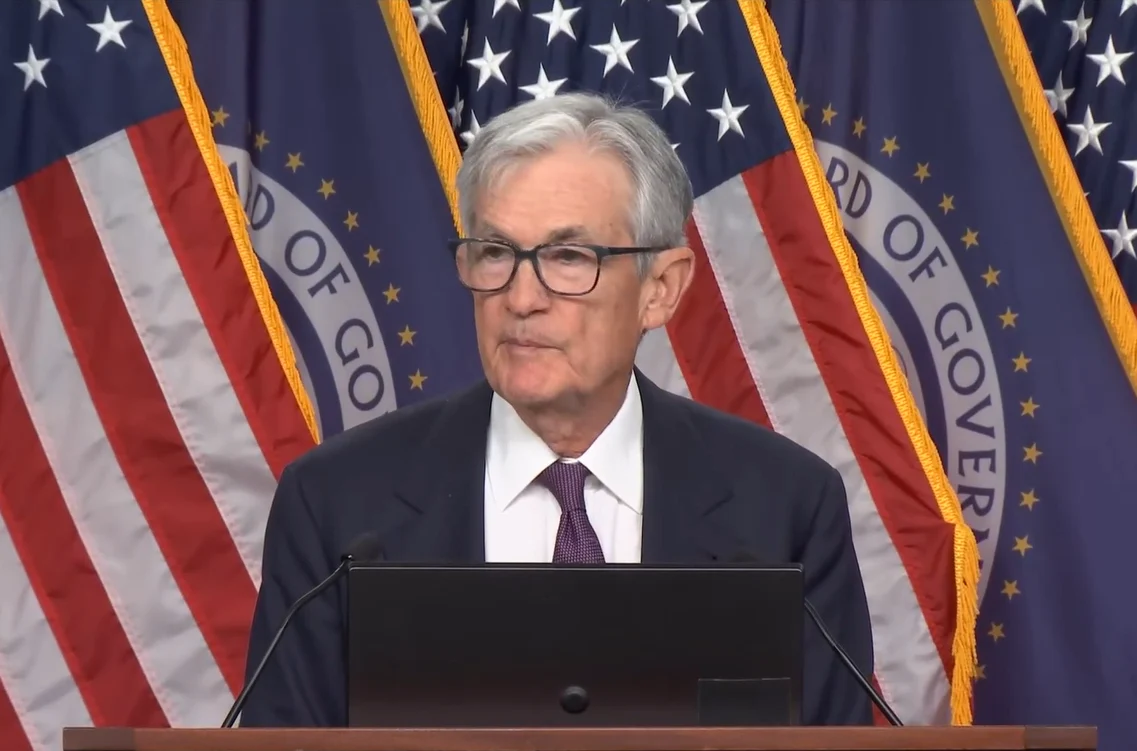
Federal Reserve Chair Jerome Powell revealed on Wednesday that members of the Federal Open Market Committee (FOMC) harbor significant concerns regarding troubling trends emerging within the United States job market. Despite a persistently low unemployment rate of 4.4%, recent data from the Bureau of Labor Statistics has painted a more somber picture, indicating a substantial loss of 92,000 jobs in February. This figure is further exacerbated by downward revisions to job gains in December and January, which collectively reduced previously reported figures by 69,000.
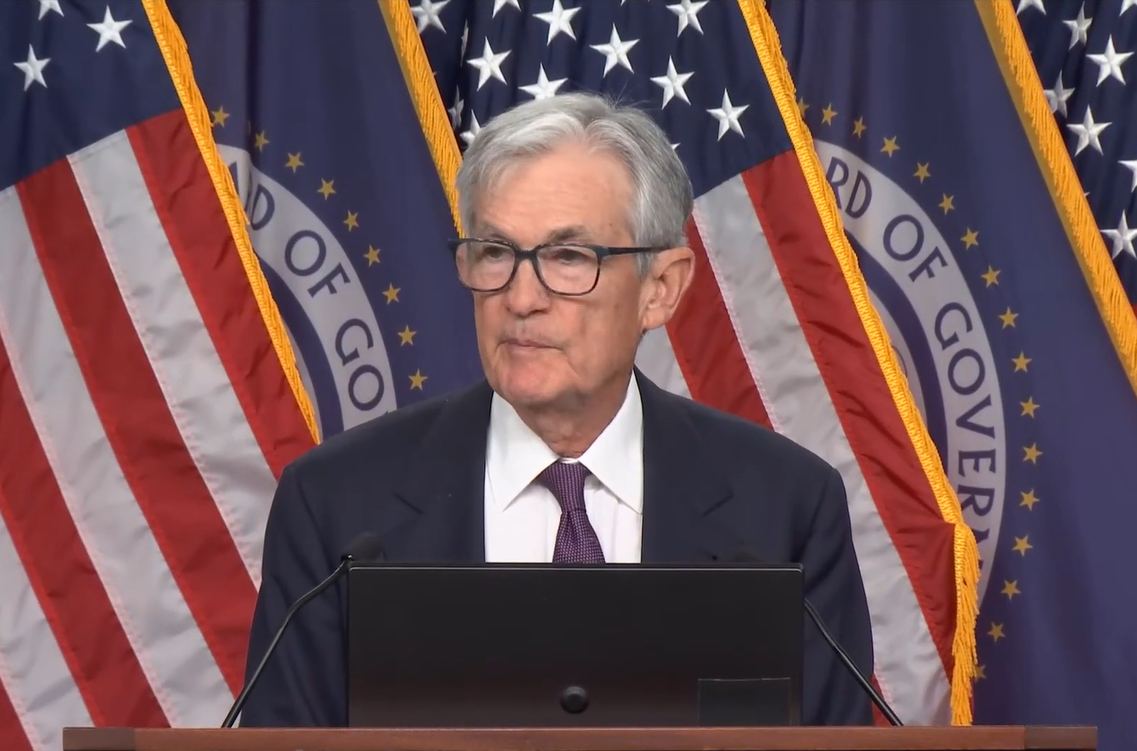
During a press conference held on Wednesday, Powell articulated the committee’s unease, stating, "The thing that I think a good number of people on the committee are concerned about is just the very, very low level of job creation." He elaborated on this point, suggesting that when the trend in job creation over the past six months is adjusted for what appears to be an overstatement due to overcounting, the reality points to effectively zero net job creation in the private sector. This stark assessment has sent ripples through economic and political circles, prompting a reevaluation of the nation’s economic trajectory.
Underlying Data and Analysis
The Bureau of Labor Statistics report, released prior to Powell’s remarks, detailed a concerning contraction in employment. The 92,000 job loss in February marked a significant departure from recent trends, which had shown a more consistent, albeit sometimes modest, expansion. The revisions to prior months’ data, totaling a decrease of 69,000 jobs, further underscore a potential deceleration that may have been masked by initial reporting.
Economists are scrutinizing these figures for signs of a broader economic slowdown. Jeffrey Roach, chief economist at LPL Financial, echoed these sentiments in comments to Fox Business following the jobs report. Roach stated, "After lackluster job gains in 2025, the labor market is coming to a standstill." He highlighted the stark figures: "The three-month average is 6,000 and the six-month average is negative for the fourth time in five months." This suggests a persistent weakening of labor demand, leading Roach to predict, "Looking ahead, we should expect the unemployment rate to rise."
Potential Contributing Factors
Powell identified a key factor contributing to this labor market contraction: tighter immigration policies enacted under the Trump administration. He posited that these policies have led to a reduction in the labor force, thereby cooling the job market. While acknowledging that such a scenario might be necessary for the economy to better align with the available workforce, Powell cautioned that this situation is unprecedented.
"So you’ve got a sort of zero employment growth equilibrium," Powell observed. "Now that’s that’s balance, okay. But I would say it does have a feel of downside risk and it’s not kind of a really comfortable balance." This statement implies a delicate equilibrium that, while technically balanced, carries inherent vulnerabilities and could tip towards a contraction. The concept of a "zero employment growth equilibrium" suggests that the rate at which new jobs are being created is barely keeping pace with the number of people leaving the workforce, or that job creation is essentially stagnant. This is a departure from periods of robust economic growth where job creation consistently outpaces labor force changes.
Broader Economic Context and Political Reactions
The implications of a cooling job market are significant, potentially impacting consumer spending, business investment, and overall economic growth. In the current political climate, the jobs report has become a focal point for partisan debate, with Democrats seizing on the data as evidence of an economy on the brink of recession.
Senate Minority Leader Chuck Schumer (D-N.Y.) issued a statement characterizing the report as a "blaring alarm" and directly attributing the economic headwinds to the Trump administration’s policies. He specifically cited the ongoing conflict in the Middle East and what he termed Trump’s "reckless, cost-spiking" war on Iran as detrimental to domestic economic stability. This narrative suggests a belief among some Democrats that foreign policy decisions are directly undermining the nation’s economic health.
Conversely, President Trump has defended his economic policies, particularly in the context of the Middle East conflict, which has led to a surge in oil and gas prices. On Thursday, the President acknowledged the war’s impact on the economy but expressed optimism about its resolution. "It’s going to be over with pretty soon," Trump stated, suggesting that the current economic challenges are transient and tied to the geopolitical situation. His administration has consistently championed its economic achievements prior to the recent geopolitical escalations, often attributing any downturns to external factors.
Historical Perspective and Future Outlook
The current labor market dynamics stand in contrast to periods of sustained job growth seen in previous years. For instance, in 2023, the U.S. economy added an average of over 200,000 jobs per month. The sharp decline observed in February 2026, therefore, represents a significant deviation and raises questions about the underlying causes and sustainability of this trend.
The Federal Reserve’s mandate includes promoting maximum employment and stable prices. Powell’s expressed concerns indicate that the committee is closely monitoring employment figures and their potential impact on the broader economy. The FOMC’s future decisions regarding interest rates and monetary policy will likely be influenced by incoming economic data, including further labor market reports.
Economists and analysts will be keenly observing upcoming reports for confirmation or refutation of this trend. Key indicators to watch include:
- Nonfarm Payrolls: This is the primary measure of job creation and loss, directly reported by the Bureau of Labor Statistics.
- Unemployment Rate: While currently low, any upward movement will be a significant signal of economic weakness.
- Labor Force Participation Rate: This metric indicates the proportion of the working-age population that is either employed or actively seeking employment. A declining rate can contribute to a lower unemployment rate without necessarily indicating a strong job market.
- Wage Growth: Stagnant or declining wage growth can signal weakening labor demand and reduced consumer purchasing power.
- Job Openings and Labor Turnover Survey (JOLTS): This survey provides insights into job openings, hires, and separations, offering a more granular view of labor market dynamics.
The current situation presents a complex challenge for policymakers. Addressing potential economic slowdowns while navigating geopolitical uncertainties requires a delicate balancing act. The Federal Reserve’s ability to forecast and respond effectively to these evolving conditions will be crucial in shaping the nation’s economic future. The coming months will likely reveal whether the recent job market trends represent a temporary blip or a more profound shift in the U.S. economic landscape.