Julia Chirkova
More than 1.3 million Americans are on the verge of forfeiting substantial sums of money, as the Internal Revenue Service (IRS) holds approximately $1.2 billion in unclaimed tax refunds for the 2022 tax year. The critical deadline for taxpayers to file their 2022 federal income tax returns and claim these owed funds is April 15. Failure to act by this date will result in the money being transferred to the U.S. Treasury, becoming permanently unavailable to its rightful owners.
The IRS’s estimates reveal that the average unclaimed refund for the 2022 tax year stands at a significant $686. This substantial amount represents a tangible financial benefit for millions of individuals and families who, for various reasons, did not complete and submit their tax filings for that year. The three-year window, a standard provision in federal tax law, allows taxpayers a generous period to rectify any omissions or oversights. However, this window is rapidly closing, creating a sense of urgency for those who may be unaware of their eligibility.
It is crucial to understand that these unclaimed refunds do not encompass additional tax credits that may have been available for the 2022 tax year. For instance, the Earned Income Tax Credit (EITC) alone could have provided up to $6,935 for eligible taxpayers in 2022. The current figures only represent the base refund amounts from filed returns where the taxpayer did not claim their refund.

The implications of not claiming these refunds extend beyond the immediate financial loss. Unclaimed refunds for 2022 can be held by the IRS if a taxpayer has outstanding tax obligations for either the 2023 or 2024 tax years. Furthermore, any refund due for 2022 will be automatically applied to any outstanding debts owed to the IRS or state tax agencies. This includes, but is not limited to, offsets for unpaid child support obligations or other past-due federal debts, such as delinquent student loans. This means that even if a taxpayer is unaware of the unclaimed refund, it could still be utilized to settle existing financial liabilities with government entities.
Understanding the Three-Year Window
The federal statute of limitations for claiming tax refunds is a fundamental aspect of the U.S. tax code. Generally, taxpayers have three years from the date the tax return was originally due to file for a refund. For the 2022 tax year, this means the deadline is April 15, 2026. This provision is designed to balance the government’s need for fiscal certainty with the taxpayer’s right to reclaim overpaid taxes.
The IRS meticulously tracks these funds, holding them for the statutory period before they are escheated to the Treasury. The sheer volume of unclaimed refunds underscores the significant number of individuals who may have been impacted by life events, administrative oversights, or a lack of awareness regarding their tax obligations and entitlements. The IRS encourages all taxpayers who believe they may be owed a refund to check their status, particularly for the 2022 tax year.
Navigating the Claiming Process
For individuals who have not yet filed their 2022 tax return and believe they are owed a refund, the process, while requiring diligence, is straightforward. The IRS provides comprehensive resources to assist taxpayers in fulfilling this obligation.
How to File for Your Money:
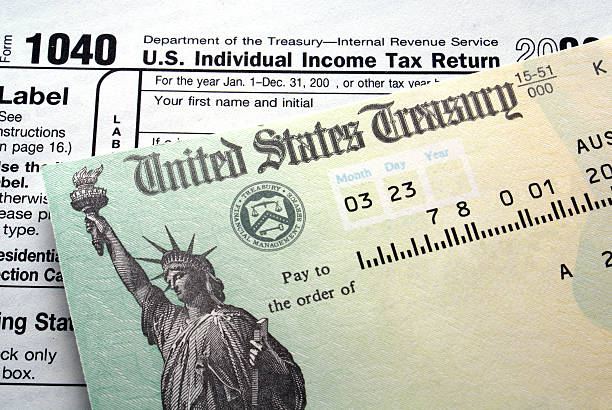
Taxpayers can access current and prior year tax forms, including the 2022 Forms 1040 and 1040-SR, along with their accompanying instructions, directly from the IRS website. The dedicated "Forms & Instructions" section on IRS.gov is the primary repository for these documents. Alternatively, taxpayers can request these forms by calling the IRS toll-free at 800-TAX-FORM (800-829-3676).
It is important to note that filing a 2022 tax return is the essential step to initiate the refund claim. Even if a taxpayer believes they have no tax liability, filing could still result in a refund if taxes were overpaid through withholding or estimated tax payments.
Gathering Necessary Information:

To accurately file a tax return, individuals will need to gather essential financial information from the 2022 tax year. This typically includes:
- Wages and Salary Information: Form W-2 from employers.
- Income from Other Sources: Forms 1099 for freelance work, interest, dividends, unemployment compensation, and other miscellaneous income.
- Documentation for Deductions and Credits: Receipts or statements for eligible deductions (e.g., student loan interest, educator expenses) and credits (e.g., child tax credit, education credits).
- Social Security Numbers: For the taxpayer, spouse, and any dependents.
If taxpayers are missing crucial documents, such as a W-2 or 1099, they can often obtain copies from their employers or the issuing entities. The IRS also provides tools and resources for taxpayers to access their wage and income transcripts, which can help reconstruct missing information. These transcripts can be ordered through IRS.gov or by phone.
Potential Reasons for Unclaimed Refunds
The reasons behind such a large volume of unclaimed refunds are multifaceted and often stem from a combination of factors:
- Lack of Awareness: Many individuals may simply be unaware that they are owed a refund, especially if they have moved or changed their contact information since filing their taxes.
- Missed Deadlines: Life events such as job loss, illness, or family emergencies can lead to individuals missing tax filing deadlines.
- Complexity of Tax Laws: For some, navigating the complexities of tax preparation can be daunting, leading to procrastination or the decision not to file.
- Changes in Income or Employment: Individuals who experienced significant changes in their employment status or income during the tax year may not have fully understood their tax obligations or potential refund eligibility.
- Electronic Filing Issues: While electronic filing has become the norm, technical glitches or incorrect information entered during the process can sometimes lead to returns not being processed correctly, potentially impacting refund disbursement.
Broader Implications and IRS Initiatives
The IRS is actively working to raise awareness about these unclaimed funds. Beyond the direct financial impact on individuals, the substantial amount of unclaimed money represents a significant portion of potential revenue that could stimulate local economies if returned to taxpayers.

The IRS has implemented various strategies to encourage taxpayers to claim their refunds. These include public awareness campaigns, outreach to tax professionals, and the development of user-friendly online tools. The agency understands the importance of ensuring that taxpayers receive the money they are rightfully due.
Analysis of Implications:
The existence of $1.2 billion in unclaimed refunds highlights a persistent challenge in tax administration: ensuring all eligible taxpayers receive their entitled financial benefits. This situation has several implications:
- Financial Strain on Individuals: For many, even a refund of a few hundred dollars can be a crucial financial buffer, especially for low-to-moderate income households. The inability to access these funds can exacerbate financial difficulties.
- Economic Impact: If these funds were claimed, they could contribute to consumer spending, thereby providing a boost to the economy.
- Administrative Burden: While the IRS holds these funds, the administrative process of managing and eventually transferring them to the Treasury represents an ongoing operational cost.
- Need for Improved Taxpayer Education: The high number of unclaimed refunds suggests a continued need for enhanced taxpayer education and outreach programs to ensure individuals are aware of their rights and responsibilities.
The IRS encourages anyone who suspects they may have an unclaimed refund to visit IRS.gov or contact the agency directly. Prompt action is essential to secure these funds before they are irrevocably lost to the U.S. Treasury. The deadline of April 15 serves as a critical reminder for millions of Americans to take advantage of this final opportunity to reclaim their tax dollars.