Nila Kartika Wati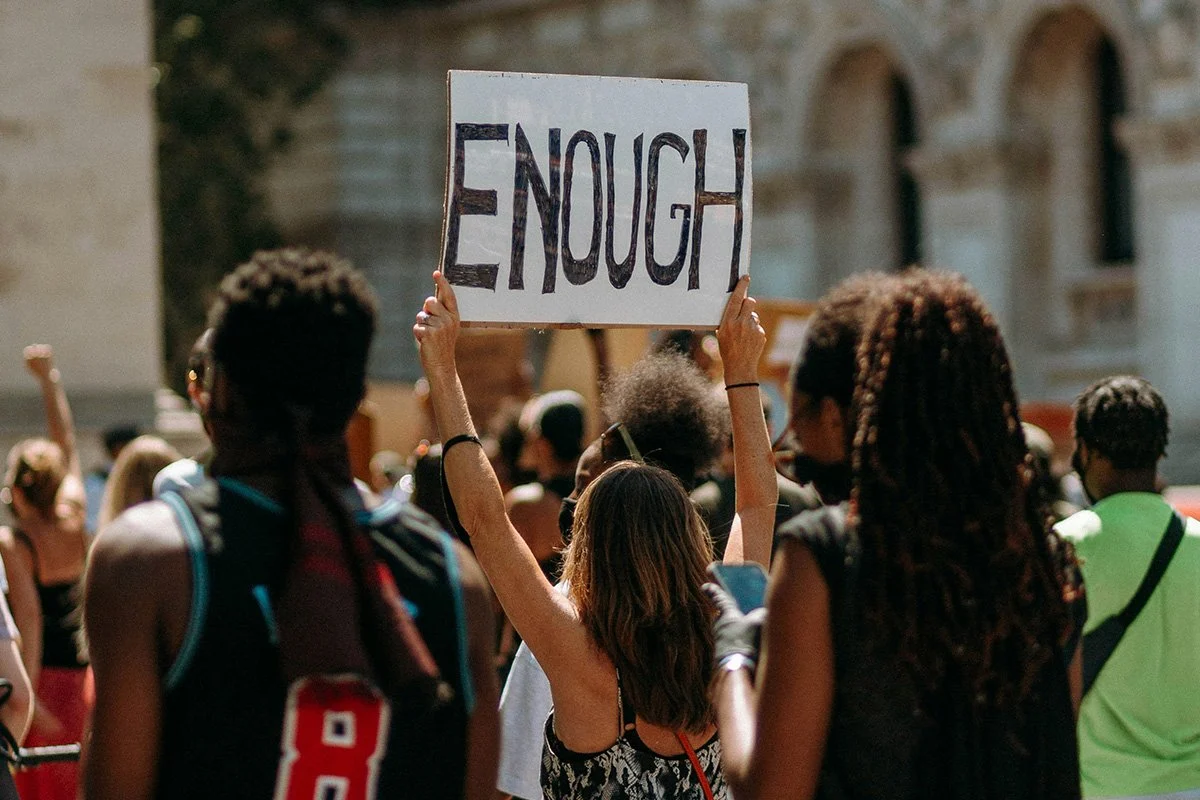
In recent months, the landscape of American public discourse has been fundamentally altered by a surge in federal prosecutions targeting individuals participating in organized dissent. Across the United States, a pattern has emerged where the Department of Justice (DOJ) increasingly employs federal conspiracy charges to address actions traditionally categorized as nonviolent civil disobedience. From Minneapolis to Chicago, and Spokane to Los Angeles, the federal government has initiated a series of legal maneuvers aimed at what critics describe as the "criminalization of association." These developments have sparked a rigorous debate over the boundaries of the First Amendment and the role of civil society in a functioning democracy.
The focal point of this shift is the recent indictment of 15 activists in Minneapolis, charged with conspiring to prevent federal immigration agents from performing their duties. While the government alleges a coordinated effort to disrupt enforcement actions, the lack of specific allegations involving physical violence or injury to law enforcement has led legal scholars and civil rights organizations to question the proportionality of the charges. Under federal law, these defendants face up to five years in prison for actions that, in previous years, might have resulted in local misdemeanor citations for obstructing traffic or disorderly conduct.
The Rise of NSPM-7 and the Federal Surveillance Framework
The legal foundation for this intensified crackdown can be traced back to the 2025 White House directive known as National Security Presidential Memorandum 7 (NSPM-7). Titled "Countering Domestic Terrorism and Organized Political Violence," the directive expanded the authority of federal agencies to monitor and investigate domestic groups deemed a threat to public order. While the administration frames these measures as essential for public safety, court filings from late 2026 reveal an unprecedented scope of surveillance targeting non-profit organizations, religious institutions, and labor unions.
According to evidence filed in federal court in September 2026, the investigation leading to the Minneapolis indictments involved a multi-year campaign of clandestine monitoring. Undercover federal agents reportedly embedded themselves in community organizing meetings held at churches, public libraries, and union halls. These agents monitored discussions regarding immigration policy and planned protests, often documenting the use of encrypted messaging apps like Signal as evidence of a "criminal conspiracy."
Furthermore, the investigation extended into the financial lives of national organizations. Secret subpoenas were utilized to obtain years of financial records from groups not directly involved in the protests, including the AFL-CIO. Prosecutors eventually presented a slide to a grand jury naming 18 distinct organizations as part of a broad "conspiratorial web," effectively linking mainstream civil society groups to the alleged criminal acts of a few individuals.
Chronology of the Federal Crackdown on Protest
The escalation of federal involvement in local protests has followed a distinct timeline, moving from reactive policing to proactive federal prosecution:
- September 2025: The White House issues NSPM-7, reclassifying certain forms of organized protest as domestic security threats.
- Late 2025 – Early 2026: Federal agencies initiate widespread surveillance of immigration advocacy groups and "direct action" organizations in major U.S. cities.
- May 2026: Federal prosecutors in Spokane, Washington, face internal turmoil as senior officials resign, citing concerns over the ideological nature of protest-related indictments.
- June 2026: The DOJ announces the indictment of 15 members of a Minneapolis-based group, charging them with federal conspiracy.
- July 2026: A New York Times investigative report reveals that nearly 50 percent of recent charges involving assaults on immigration agents were dismissed or resulted in acquittals due to lack of evidence or government misconduct.
- August 2026: In Chicago, the "Broadview 6" case is dismissed after defense attorneys expose grand jury misconduct and the withholding of exculpatory evidence by federal prosecutors.
- September 2026: Civil rights groups, led by Protect Democracy, file amicus briefs in various federal circuits, arguing that the administration is using the legal system to retaliate against political opponents.
Analyzing the Data: Misconduct and Overcharging
A data-driven analysis of recent federal prosecutions reveals a troubling trend regarding the accuracy of government claims. Over the past year, more than 500 individuals have been charged with assaulting or impeding immigration agents. However, judicial review has frequently found these claims to be exaggerated or fabricated.
In dozens of cases, video evidence and body-worn camera footage have contradicted official reports, showing that federal agents—rather than protesters—initiated physical confrontations. In several instances, judges have rebuked the government for "deliberate destruction of evidence," including one case where an agent ordered a defendant to delete photographic evidence from a mobile device.
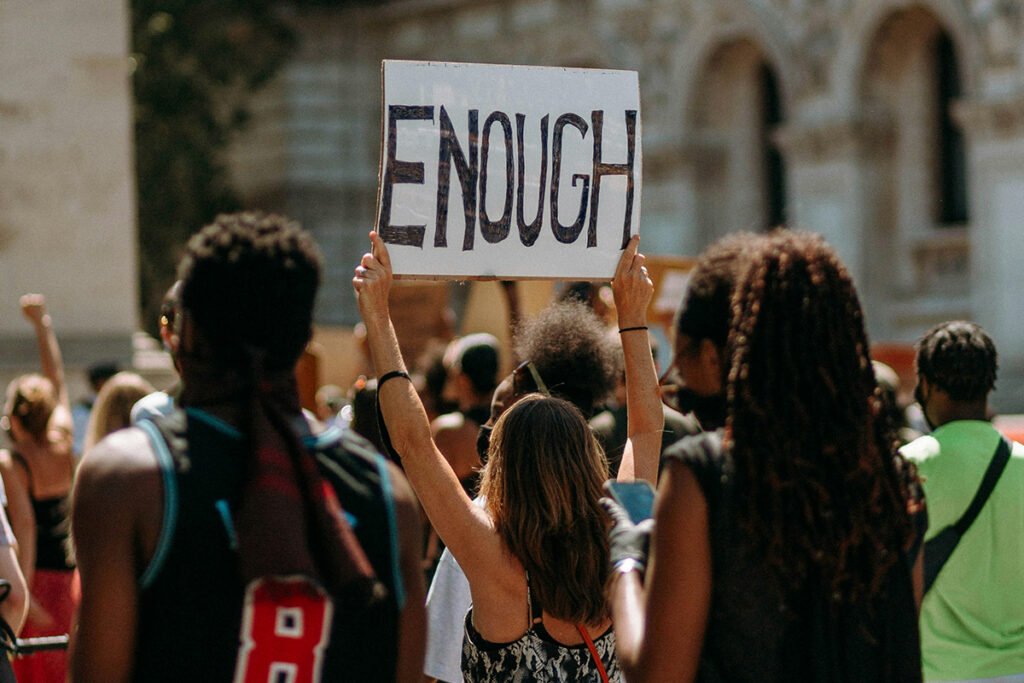
The use of conspiracy charges (Title 18, U.S.C. § 371) is particularly significant. By charging "conspiracy to commit an offense," the government can prosecute individuals who never engaged in a physical act of disruption but were merely present in planning meetings or digital chat groups. Legal experts argue this "guilt by association" strategy is designed to create a chilling effect, discouraging everyday citizens from joining collective actions for fear that the actions of a single person could result in federal felony charges for everyone in the group.
Institutional Reactions and the Defense of Civil Society
The response from the non-profit sector and legal community has been one of increasing alarm. Organizations such as Protect Democracy have argued that these prosecutions are not neutral applications of the law but are instead part of a broader strategy to splinter the opposition. By framing dissent as a "criminal enterprise," the administration seeks to isolate activists from the broader community and the organizations that support them.
In Minneapolis, a coalition of local organizations issued a joint statement under the "Ice Out Now" banner, refusing to distance themselves from the indicted individuals. "We know the power we have when we organize and act together," the statement read, "and we’ll continue using that power to defend our neighbors and our freedoms." This sentiment reflects a growing consensus among civil society leaders that solidarity is the only effective defense against ideological targeting.
Legal analysts also point to the historical precedent of civil disobedience in the United States. From the Boston Tea Party to the Civil Rights Movement led by Dr. Martin Luther King Jr., the act of defying laws perceived as unjust has been a cornerstone of American progress. By reclassifying such acts as "domestic terrorism" or "federal conspiracies," the current administration is perceived by critics as attempting to erase a fundamental tradition of American patriotism.
Implications for Democratic Stability and Future Elections
The timing of these prosecutions has also drawn scrutiny. As the nation approaches pivotal midterm elections, the aggressive targeting of protest movements is seen by some as a preemptive strike against potential mobilization. If the public perceives that participation in a demonstration could lead to a federal investigation, the likelihood of mass mobilization in response to election interference or policy shifts is significantly diminished.
Furthermore, the federalization of these crimes represents a shift in the balance of power between state and federal authorities. Traditionally, public order offenses are the province of local police and state courts. By bypassing local jurisdictions—often in cities where local officials disagree with federal immigration tactics—the DOJ is exerting a form of "executive override" that undermines local governance and the judicial discretion of state courts.
The long-term impact on civil society organizations could be profound. Non-profits now face increased costs for legal compliance, digital security, and insurance. The threat of being named as a "co-conspirator" in a federal slide deck can jeopardize funding and partnerships, effectively "de-platforming" advocacy groups without the need for a single conviction.
Conclusion: The Path Forward for Civil Society
In the face of these challenges, civil society leaders are being urged to adopt a strategy of "smart solidarity." This involves not only providing legal and financial support to those targeted by the government but also maintaining a clear and assertive public narrative. Experts suggest that rather than getting mired in the technicalities of federal law, organizations should focus on the underlying democratic principles of free expression and the right to organize.
As the legal battles over the Minneapolis indictments and the NSPM-7 directive continue to unfold in the courts, the ultimate resolution may depend on the resilience of the nation’s civic institutions. The current moment serves as a reminder that the protection of democratic norms requires constant vigilance and a willingness to engage in what the late Representative John Lewis described as "good trouble." For American civil society, the challenge is to ensure that the fear of prosecution does not silence the voices of dissent that have historically been essential to the "redemption of the soul of America."