Layla Zulfa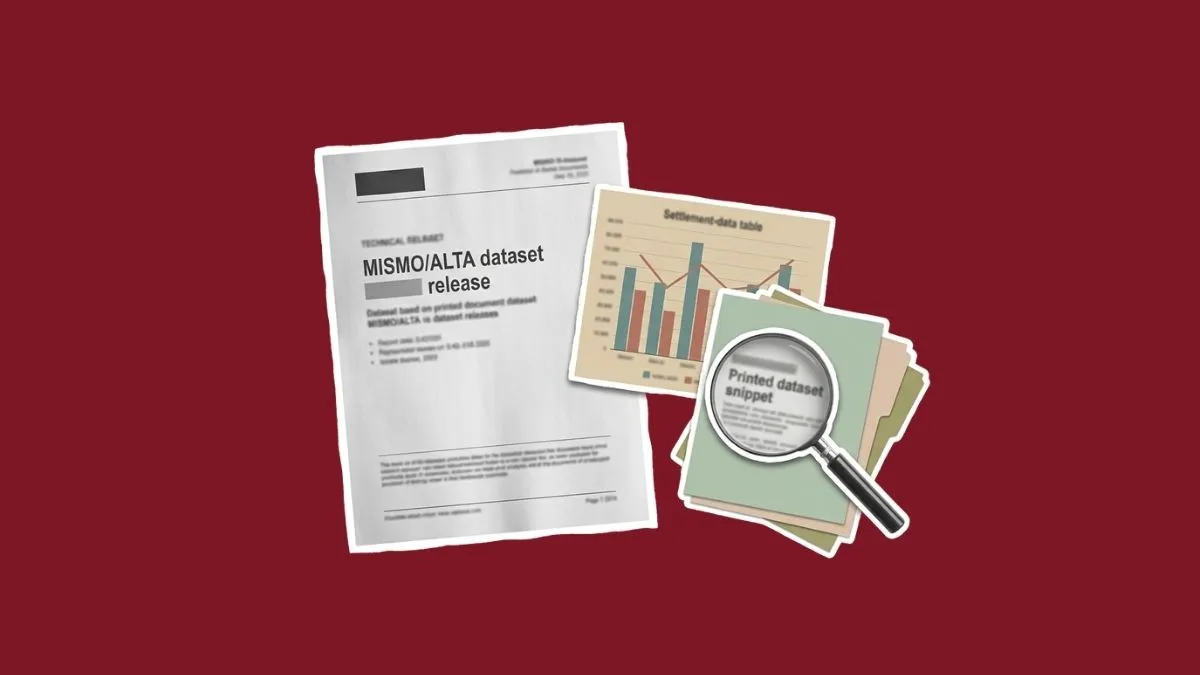
The mortgage industry is poised for a significant digital transformation with the recent announcement by the Mortgage Industry Standards Maintenance Organization (MISMO) of the publication of two new title and settlement data standards. These standards, now in candidate recommendation status, are the ALTA Title Policy Dataset and the ALTA Settlement Statement Dataset. This development, a direct result of a collaborative effort with the American Land Title Association (ALTA), aims to bridge the gap between established industry forms and modern data exchange protocols, promising to streamline processes, enhance accuracy, and foster greater interoperability across the mortgage ecosystem.
A New Era for Digital Title and Settlement Data
The release of these datasets marks a pivotal moment in the ongoing quest to digitize the traditionally paper-intensive aspects of real estate transactions. For decades, the mortgage process has relied on a complex web of physical documents, leading to inefficiencies, potential for errors, and delays. By mapping ALTA’s widely recognized and utilized title insurance policies and settlement statements to MISMO’s established data standards, this initiative provides a common digital framework that can be readily adopted by a broad spectrum of industry participants. This includes lenders, title insurance companies, settlement agents, loan servicers, and technology providers, all of whom play critical roles in the closing and post-closing stages of a mortgage.
The candidate recommendation status signifies that these datasets are now available for comprehensive review and implementation testing by industry stakeholders. MISMO will actively gather feedback from early adopters, a crucial step in the process that typically precedes their elevation to final standard status. This period of evaluation is closely watched by investors, vendors, and larger lending institutions, as it often informs their strategic technology roadmaps and investment decisions. The industry’s engagement during this phase will be instrumental in refining the standards and ensuring their practical applicability and widespread adoption.
The Genesis of a Digital Framework: Partnership and Vision
The development of these new datasets is a testament to the robust partnership between ALTA and MISMO, two organizations deeply committed to advancing the mortgage industry through standardization and technological innovation. Steve Gold, associate counsel and senior director of products at ALTA and co-chair of MISMO’s Title and Closing Community of Practice, articulated the significance of this collaboration. "These new datasets represent the strength of the partnership between ALTA and MISMO and our shared commitment to modernizing the exchange of title and settlement information," Gold stated. "By aligning ALTA’s trusted forms with MISMO’s data standards, we are giving lenders, title companies and technology providers a common digital framework that enables the industry to reduce friction, improve data quality and support a more modern, efficient closing experience."
This sentiment underscores the core objective of the initiative: to move beyond the limitations of paper-based documentation and embrace a digital-first approach. The ability for title and settlement information to flow as digital data, rather than being confined to static documents, has the potential to dramatically improve accuracy, reduce the need for manual data entry and verification, and ultimately lead to faster and more seamless closings.
A Collaborative Development Process
The intricate work of creating these datasets was spearheaded by MISMO’s Title & Closing Docs to Data Development Workgroup. Under the capable leadership of Bryan Bedard, who also serves as chair and executive at Rocket Close, this dedicated group meticulously translated the complex requirements of ALTA’s forms into MISMO’s structured data language. The workgroup’s direction was guided by a broad spectrum of input from various industry participants, ensuring that the developed standards address real operational challenges and promote consistent implementation across the entire mortgage ecosystem. This inclusive approach is vital for fostering broad adoption and ensuring the standards are practical and effective for all users.
The development process involved a deep dive into the nuances of title insurance policies, including commitments, exceptions, and endorsements, as well as the detailed line items and disclosures typically found on settlement statements. The goal was to create data fields that accurately capture the essence of these documents, allowing for machine-to-machine processing and intelligent analysis. This level of detail is crucial for enabling advanced functionalities such as automated underwriter review, enhanced fraud detection, and more sophisticated risk assessment.
Implications for Technology and Operations
The implications of these new standards extend far beyond simple data standardization. For lenders and title providers who are continuously evaluating their technology investments, these datasets are likely to influence critical decisions regarding document preparation software, closing platforms, integrations with loan origination systems (LOS), and post-closing quality control processes. As technology vendors update their systems to natively support MISMO-aligned ALTA data, the industry can expect a wave of innovation focused on delivering enhanced automation and efficiency.
For instance, LOS platforms that can directly ingest and process MISMO-formatted title and settlement data will significantly reduce the manual effort involved in transferring information from title companies to lenders. This can lead to fewer errors, quicker loan boarding, and a more streamlined pipeline. Similarly, closing platforms will be able to generate more accurate and compliant closing documents directly from this standardized data, minimizing the risk of discrepancies and last-minute revisions.
The enhanced interoperability facilitated by these standards will also be a significant boon for the secondary market. Investors who rely on timely and accurate data for securitization and portfolio management will benefit from the increased transparency and reliability of information flowing from originators and servicers. This improved data quality can lead to reduced transaction costs and a more efficient capital markets environment.
The Journey Towards Full Standardization
The path from candidate recommendation to final standard is a rigorous one, involving extensive industry testing and feedback. MISMO’s established process ensures that standards are not only technically sound but also practical and widely adopted. The current phase allows for early adopters to experiment with the datasets, identify any potential issues or areas for improvement, and provide valuable insights to the MISMO committees. This iterative approach is critical for developing robust and future-proof standards that can adapt to the evolving needs of the mortgage industry.
Historically, the adoption of MISMO standards has been a gradual but impactful process. For example, the MISMO Residential Green Mortgage Property Dataset, introduced in 2011, aimed to standardize data related to energy-efficient features in homes, supporting the growing market for green mortgages. More recently, MISMO’s work on data standards for appraisal and underwriting has been crucial in facilitating the rise of automated valuation models (AVMs) and digital underwriting. The current initiative builds upon this legacy, focusing on the foundational elements of the closing process.
A Future of Enhanced Efficiency and Accuracy
The long-term vision for these new standards is a mortgage industry where title and settlement information flows seamlessly and digitally, from origination through servicing and beyond. This will not only reduce costs and improve efficiency but also enhance the overall borrower experience. By minimizing errors and delays associated with manual processes, borrowers can look forward to smoother, more predictable closings. Furthermore, the improved data quality will empower lenders and servicers with better insights into their portfolios, enabling more proactive risk management and improved customer service.
The collaboration between ALTA and MISMO in developing these standards underscores a shared commitment to a more modernized and efficient mortgage industry. As the industry embraces digital transformation, the availability of standardized, machine-readable data for title and settlement is a critical enabler. This initiative is a significant step forward, laying the groundwork for a future where the exchange of critical transaction data is as efficient and accurate as possible, ultimately benefiting all stakeholders in the mortgage lifecycle. The ongoing engagement of industry participants during the candidate recommendation phase will be crucial in shaping the ultimate success and widespread adoption of these vital new standards.