Layla Zulfa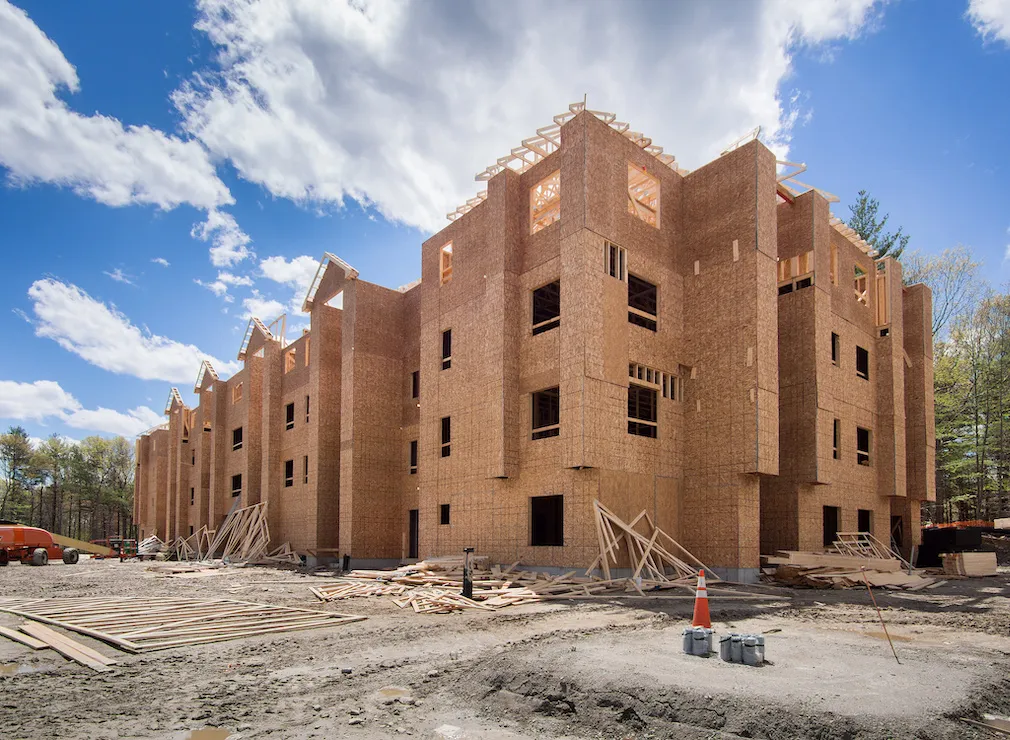
The multifamily construction sector at the close of 2025 continued its pronounced orientation towards rental properties, with a staggering 95% of all new units initiated during the fourth quarter designated for rent, according to an in-depth analysis of Census Bureau data conducted by the National Association of Home Builders (NAHB). This sustained emphasis on the built-for-rent market signifies a considerable shift in the residential development landscape, contrasting sharply with historical trends and underscoring persistent challenges within the for-sale multifamily segment, particularly for condominiums.
The latest figures reveal that out of a total of 96,000 multifamily units that commenced construction in the fourth quarter of 2025, an overwhelming 91,000 were specifically developed for rental purposes. This represents a significant year-over-year increase of 18% compared to the same period in 2024, reinforcing the ongoing dominance of the rental market. In stark contrast, the construction of condominiums remained stagnant, with only 6,000 units started, mirroring the figures from the previous year. This disparity highlights the prevailing headwinds that continue to impact the for-sale multifamily sector, making it a less attractive option for many developers.
A Rental Resurgence: Historical Context and Current Trends
The current landscape of multifamily construction marks a dramatic departure from historical norms. NAHB’s analysis points out that between 1980 and 2002, the rental share of multifamily starts typically hovered around 80%. This equilibrium was significantly disrupted during the condominium boom of the mid-2000s, when the rental share plummeted to a historic low of 47% in the third quarter of 2005. The subsequent Great Recession brought about a rebalancing, but the most recent data from late 2025 indicates a powerful resurgence in rental-focused development.
Robert Dietz, NAHB Chief Economist, elaborated on these findings in a recent NAHB publication, stating, "According to NAHB analysis of quarterly Census data, the count of multifamily, for-rent housing starts increased year-over-year during the fourth quarter of 2025. For the quarter, 96,000 multifamily residences started construction. Of this total, 91,000 were built-for-rent. This built-for-rent total was 18% higher than in the fourth quarter of 2024." Dietz also cautioned that while these figures provide a clear snapshot, they are subject to potential downward revisions in future Census data releases, a common occurrence for such economic indicators. However, the current data unequivocally confirm the prevailing sentiment among developers: a strong preference for building rental units over for-sale properties.
Unit Sizes Reflecting Rental Market Demands
Beyond the sheer volume of construction, the strong bias towards rental properties is also demonstrably influencing the size of newly constructed multifamily units. The NAHB analysis indicates that in the fourth quarter of 2025, the average size of a multifamily unit started was 1,068 square feet, with a median size of 1,048 square feet. While these dimensions show a slight increase from previous quarters, they remain considerably smaller than the typical apartment sizes observed prior to the Great Recession of 2008. This persistent trend toward smaller unit sizes is a direct consequence of a market geared towards providing more affordable rental options, catering to a demographic that prioritizes accessibility and cost-effectiveness in their housing choices.
The pre-2008 era often saw larger unit sizes in multifamily developments, reflecting a different market dynamic where for-sale units, including condominiums, were a more significant component. As the market has shifted towards rentals, developers are optimizing designs and layouts to maximize the number of units within a given footprint, thereby reducing per-unit construction costs and offering more competitive rental rates.
Implications for Builders and Developers
For stakeholders within the homebuilding and residential development industries, the NAHB’s findings carry significant strategic implications. The data unequivocally reinforce the prevailing market reality: in most geographic areas, the pipeline for attached housing developments remains heavily skewed towards rental properties. Furthermore, the unit sizing trends underscore that developers are actively responding to the economic drivers of the rental market, which often prioritize affordability and efficiency.
The sustained dominance of the built-for-rent sector suggests that any significant resurgence in for-sale multifamily construction, particularly condominiums, will likely necessitate fundamental shifts in the market’s underlying economic and legal frameworks. These shifts could encompass substantial changes in liability regimes, which often pose significant risks for for-sale developers, and improvements in mortgage affordability, which would empower more potential buyers to enter the for-sale market. Without such changes, the current trajectory is likely to persist, with rental units continuing to dominate new multifamily supply.
Factors Driving the Built-for-Rent Trend
Several interconnected factors have contributed to the sustained strength of the built-for-rent market. The lingering effects of the 2008 financial crisis and subsequent housing market volatility created a period of reduced homeownership for many. This, coupled with increasing urbanization and a growing preference among certain demographics, particularly younger generations, for flexibility and a desire to avoid the responsibilities of homeownership, has fueled demand for rental housing.
Furthermore, institutional investors have played a significant role in capitalizing on this trend. Many large investment firms and private equity groups have entered the single-family and multifamily rental market, acquiring properties and developing new communities specifically for rent. This influx of capital has provided developers with substantial funding opportunities and has further cemented the built-for-rent model as a viable and profitable venture.
The ongoing affordability challenges in many for-sale housing markets also inadvertently bolster the rental sector. As home prices continue to rise in many desirable areas, the gap between the cost of renting and the cost of buying widens, making renting a more accessible option for a larger segment of the population. Developers, in turn, are responding to this demand by focusing their efforts on projects that directly address the needs of renters.
Challenges for For-Sale Multifamily
The stagnation in condo starts is not merely a consequence of the rental market’s strength; it also reflects specific challenges inherent to the for-sale multifamily segment. Historically, the development of condominiums has been more susceptible to economic downturns and fluctuations in consumer confidence. Potential buyers of condos often require robust financing options and a stable economic outlook to commit to a purchase, making them more vulnerable to market uncertainties.
Moreover, the regulatory and legal landscape for for-sale multifamily projects can be more complex and costly. Issues such as homeowner association (HOA) management, construction defect litigation, and varying state and local regulations can add significant risk and expense for developers. These factors, combined with the perceived stability and consistent cash flow offered by rental properties, have made for-sale projects a less appealing proposition for many in the current development environment.
Looking Ahead: Potential Shifts and Market Dynamics
While the current data paint a clear picture of a rental-dominated multifamily market, it is important to acknowledge that market dynamics are rarely static. Future shifts could be influenced by a variety of factors. A significant easing of affordability in the for-sale market, driven by increased housing supply across all segments or a substantial decrease in interest rates, could revitalize demand for condominiums.
Additionally, changes in consumer preferences, such as a renewed emphasis on long-term investment and wealth building through homeownership, could also influence development trends. However, for such shifts to materialize into significant changes in multifamily construction starts, substantial economic and potentially regulatory adjustments would likely be necessary. The NAHB’s continued monitoring of Census data and other market indicators will be crucial in tracking any potential evolution in this trend. The ongoing analysis by NAHB provides valuable insights for policymakers, developers, and potential homebuyers alike, offering a clear understanding of the current state and probable future trajectory of the multifamily housing market.