Layla Zulfa
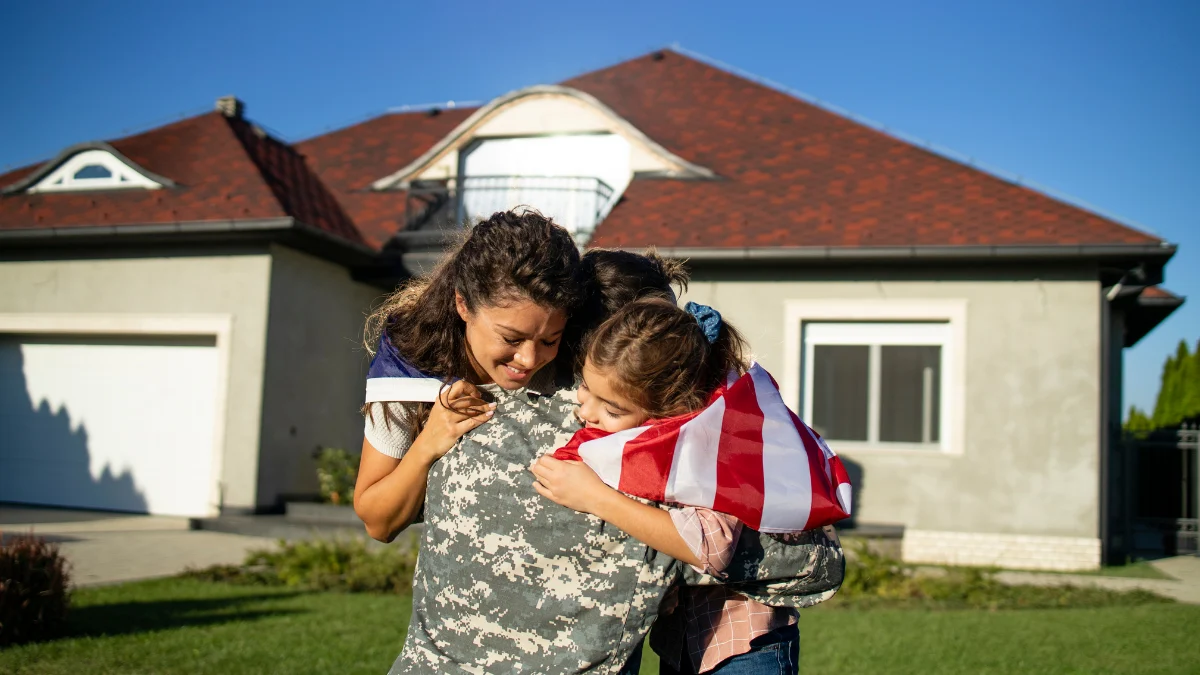
The transient nature of military life profoundly impacts families, often forcing them to establish roots multiple times across diverse locations. For many, this recurring disruption creates a significant challenge in fostering a sense of permanence and community. The author, drawing from over two decades of experience as a military and veteran spouse, highlights this pervasive issue, noting that military families relocate on average every 2.5 years, according to the Military Family Advisory Network. This constant flux affects not only the service member but also their spouse and children, who must repeatedly adapt to new environments, schools, and social circles. The transition from active duty to civilian life introduces an additional layer of complexity, encompassing potential service-related health challenges for veterans, career interruptions for spouses, and significant adjustments for children.
The Multifaceted Challenges of Military Family Transitions
The period following a service member’s transition to civilian life is often characterized by a confluence of pressures. Veterans may grapple with securing civilian employment while managing service-connected disabilities, which affect a substantial portion of the veteran population. The Bureau of Labor Statistics reported in August 2025 that 5.8 million veterans, or 34% of all U.S. veterans, had a service-connected disability. These disabilities can range from physical injuries to invisible wounds like Post-Traumatic Stress Disorder (PTSD) and traumatic brain injury (TBI), each presenting unique challenges for the veteran and their family.
Spouses, whose careers are frequently put on hold due to frequent moves and the demands of military life, often face the daunting task of re-entering the workforce. This can be particularly difficult when attempting to build a career across different geographic locations, each with its own job market and networking opportunities. Children also undergo significant upheaval, needing to adapt to new schools, make new friends, and acclimate to different educational systems. The cumulative effect of these disruptions can lead to feelings of instability, isolation, and uncertainty for the entire family unit.
Mortgage professionals, by the very nature of their work, often encounter these families during critical junctures of their transition. They witness firsthand the immense pressures and uncertainties that military families face as they navigate new careers, healthcare needs, and the fundamental need for stable housing. Recognizing these challenges presents an opportunity for organizations and individuals within the housing industry to offer more targeted and effective support.
Bridging the Gap: Community Support for Military Families
Addressing the complex needs of transitioning military families requires a coordinated effort involving various organizations and employers. Several non-profits are actively engaged in providing crucial support:
- Camp Hope: This organization offers a residential program specifically designed to address combat-related trauma, providing vital support for veterans and their families at no cost. Their comprehensive approach acknowledges the profound impact of trauma on the entire family system.
- Stronghold Food Pantry: Recognizing that financial stability can be a significant concern during transition, Stronghold Food Pantry offers free food assistance to military families, alleviating one immediate burden.
- InDependent Wellness: This initiative focuses on providing wellness resources and programs tailored for military spouses, acknowledging their unique stressors and the importance of their well-being in supporting the family’s overall adjustment.
These organizations represent just a fraction of the vital support networks available. A crucial aspect of effective assistance involves engaging with these groups to understand their most pressing needs. This might include financial contributions, volunteer time, or assistance in reaching families who could benefit from their services. A proactive approach, where potential donors and volunteers inquire about specific needs before offering aid, ensures that support is directed where it is most impactful.
Employer-Led Initiatives: Fostering Civilian Careers
Beyond community-based organizations, employers play a pivotal role in facilitating the successful transition of service members and veterans into the civilian workforce. Investing in training and career development opportunities is paramount. The Department of Defense’s SkillBridge program is a prime example of such an initiative. This program allows service members within 180 days of separation to gain valuable civilian work experience and industry training through internships and apprenticeships with partner companies. Becoming a SkillBridge provider is a tangible way for employers to contribute to the readiness of service members for civilian careers.
Furthermore, establishing and supporting employee resource groups (ERGs) within companies can provide a vital sense of community and understanding for veterans. These groups can serve as platforms for veterans to connect with colleagues who share similar experiences, fostering a supportive network and educating other employees about the unique skills, perspectives, and challenges faced by those transitioning from military service. This can lead to a more inclusive and understanding workplace culture.
Understanding the VA Home Loan Benefit: Empowering Borrowers
For many veterans, homeownership represents a cornerstone of stability and a tangible symbol of their successful transition to civilian life. The VA home loan benefit, a crucial offering for eligible veterans, plays a significant role in this endeavor. According to the National Association of REALTORS®, a substantial 55% of veteran homebuyers in 2025 utilized VA financing, underscoring its importance.
However, effectively leveraging this benefit requires mortgage professionals who possess a deep and nuanced understanding of the program. This extends beyond basic eligibility requirements to encompass the various nuances of VA-backed lending. For instance, many loan officers may not be fully aware that the VA home loan benefit is not a one-time use entitlement. Eligible borrowers can, under certain circumstances, qualify for another VA-backed loan even while an existing one remains active. This oversight can inadvertently limit housing opportunities for veterans.
To combat such knowledge gaps, ongoing education and specialized training for loan officers and broker partners are essential. Lenders should prioritize providing regular in-person or virtual training sessions, supplemented by accessible digital resources that detail program requirements, address common borrower questions, and highlight lesser-known aspects of VA financing. Guidance directly from the VA should be the primary source of information, rather than relying on assumptions or outdated knowledge. A thorough understanding of the VA loan program can empower mortgage professionals to identify all available options for their veteran clients, ensuring they receive the most beneficial financing for their unique circumstances.
The initial conversation with a potential veteran borrower should naturally include an inquiry about their service history. This opens the door to understanding their needs, the motivations behind their current move, and how the home purchase aligns with their overall financial picture. A detailed assessment of the family’s requirements for a home, coupled with a realistic evaluation of payment affordability, is crucial. Ultimately, the goal is to present the VA home loan benefit alongside other appropriate financing options, empowering the borrower to make a fully informed decision that best suits their long-term goals.
The Significance of a Permanent Home
For veterans and their families, transitioning to civilian life and securing a permanent home signifies more than just acquiring property. It represents the cessation of constant planning around the next relocation, offering the invaluable opportunity to cultivate lasting connections within their community and establish a true sense of belonging. This stability is particularly critical for families navigating the complexities of service-connected disabilities or children with special needs, as highlighted by the author’s personal experience. A stable home environment allows for the full unpacking of belongings, the settling into routines, and the freedom to truly make a house a home. The search for and acquisition of additional support systems, tailored to the unique needs of a family transitioning out of military service, becomes an integral part of this process.
A Call to Action for Veterans Day
As Veterans Day approaches, it serves as a poignant reminder for employers and professionals to reflect on their commitment to supporting military families. For organizations, this means a critical examination of how they currently assist these families within their communities and workplaces. For mortgage professionals, it necessitates a self-assessment of their knowledge base, ensuring it aligns with the evolving needs of the veteran borrowers they serve.
A simple yet impactful starting point for this ongoing learning could be a dedicated 30-minute commitment. This might involve delving into a specific VA guideline that remains unclear or dedicating time to understanding a particular aspect of military family life. Such focused efforts can serve as the catalyst for continuous learning, fostering a deeper understanding of both the VA benefit and the individuals who rely on it.
The author’s journey, marked by repeated moves and the subsequent need for a stable home and understanding support systems, underscores a universal truth: veterans and their families deserve more than just acknowledgment for their service; they deserve tangible support as they navigate the profound changes that follow. By actively seeking to understand the challenges they face and leveraging available resources and knowledge, individuals and organizations can honor their service by serving them in return, creating a more supportive environment for their successful reintegration into civilian life. This commitment extends beyond a single day, requiring ongoing dedication to understanding and action.