Lana Rhoades

The 2026 holiday shopping corridor, anchored by Black Friday and Cyber Monday (BFCM), represents a critical juncture for retail solvency and growth, yet it simultaneously introduces a complex web of fiscal responsibilities that can jeopardize the stability of unprepared businesses. As consumer spending continues its migration toward digital storefronts, the surge in transaction volume does more than just bolster the bottom line; it triggers a cascade of state-level tax obligations known as economic nexus. For many small to medium-sized enterprises (SMEs), the transition from a local vendor to a multi-state taxpayer occurs within the narrow window between late November and late December. Industry analysts suggest that while the influx of capital is vital for year-end performance, the administrative burden of sales tax compliance has become a primary operational risk.
The regulatory landscape of 2026 has seen significant shifts compared to previous years. Following the landmark 2018 Supreme Court decision in South Dakota v. Wayfair, Inc., states have refined their ability to tax out-of-state retailers based on economic activity rather than physical presence. However, the lack of a federal standard means that the "rules of the road" vary wildly from one jurisdiction to another. As retailers prepare their inventory and logistics for the BFCM rush, tax experts emphasize that the fiscal "check-engine light" must be monitored as closely as shipping speeds and customer support response times.
The Evolution of Economic Nexus and the 2026 Regulatory Pivot
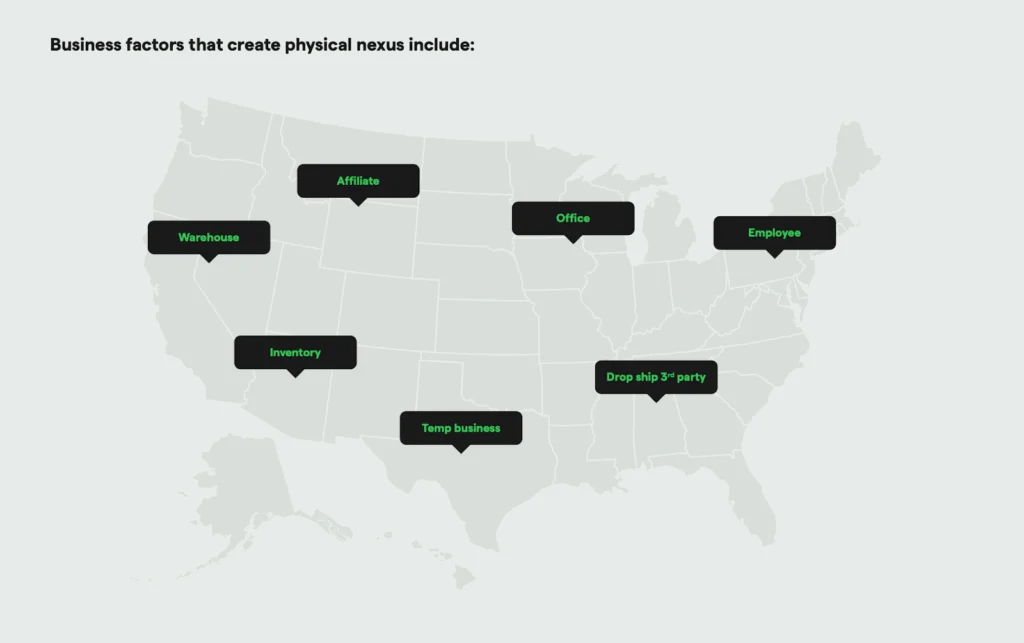
The concept of sales tax nexus has evolved from a simple physical presence test—such as having a warehouse or office in a state—to a sophisticated economic metric. Economic nexus is established once a business surpasses a specific threshold of sales revenue or transaction count within a state. While many states originally set these thresholds at $100,000 in sales or 200 transactions, the year 2026 has marked a period of legislative recalibration.
A notable example of this evolution is Illinois, which in 2026 officially removed its transaction-count threshold from its economic nexus requirements. This move reflects a broader national trend where state legislatures are opting for revenue-only thresholds to simplify the compliance burden for high-volume, low-value sellers while ensuring that significant economic participants contribute to the state’s tax base. Conversely, other states have maintained dual thresholds, meaning a business could become liable for tax collection simply by selling 200 low-cost items to residents, even if the total revenue remains negligible.
For the 2026 season, the measurement periods have also become a point of contention and confusion. Some states evaluate nexus based on the previous calendar year’s activity, while others utilize a "rolling twelve-month" period or the current calendar year. A significant spike during the BFCM period can instantaneously push a business over a threshold, creating an immediate obligation to register with the state’s Department of Revenue and begin collecting taxes from consumers.
Chronology of Compliance: A Strategic Roadmap for BFCM
The management of sales tax is not a post-event administrative task but a continuous cycle that requires proactive planning before the first discount is ever applied to a digital cart.
The Pre-Promotion Audit (October – Early November)
Before the holiday rush begins, businesses must consolidate their sales data across all channels, including direct-to-consumer websites, social media marketplaces, and third-party platforms. Analysts note that many businesses fail to realize that nexus is cumulative; sales on Amazon, eBay, and a proprietary Shopify store all count toward the same state-level threshold. This period should be used to identify "near-threshold" states—those where year-to-date sales are within 10% to 20% of the legal limit.
Real-Time Monitoring (November 27 – December 2)
During the peak of BFCM, the velocity of transactions can outpace manual accounting. Tax authorities recommend utilizing automated systems that track transaction counts in real-time. If a threshold is breached on Cyber Monday, the business is often legally required to have a permit in place before the next transaction occurs. This creates a logistical challenge: the legal requirement to collect tax often precedes the administrative capacity to register for a permit.
Post-Holiday Reconciliation (January)
The conclusion of the holiday season brings the "reconciliation phase." This involves comparing platform reports with internal accounting records to ensure every dollar is accounted for. This is also the period when businesses must check for changes in their filing frequency. A sudden increase in sales volume can prompt a state to reclassify a business from an annual or quarterly filer to a monthly filer, significantly increasing the administrative overhead for the coming year.
The Role of Marketplace Facilitator Laws
The complexity of the 2026 tax environment is somewhat mitigated—yet also complicated—by Marketplace Facilitator laws. These statutes require platforms like Amazon, Walmart, and Etsy to collect and remit sales tax on behalf of their third-party sellers. While this relieves the seller of the collection burden for those specific transactions, it does not necessarily exempt them from nexus considerations.
In many jurisdictions, sales made through a marketplace still count toward the total revenue threshold that determines if a seller has nexus for their non-marketplace sales. For example, if a boutique sells $95,000 worth of goods on Amazon and $10,000 through its own website in a state with a $100,000 threshold, the business has established nexus. While Amazon handles the tax for the $95,000, the boutique is now responsible for registering and collecting tax on the $10,000 of direct sales. Failure to recognize this distinction is a leading cause of audit triggers in the e-commerce sector.
Data Analysis: The Cost of Non-Compliance
Market data from 2025 suggests that the average cost of a multi-state sales tax audit for a small business exceeds $30,000, not including the actual back taxes, penalties, and interest owed. State revenue departments have become increasingly sophisticated in their use of data mining to identify out-of-state retailers who are active in their markets but have failed to register.
A spokesperson for the National Association of Tax Professionals recently noted that "the holiday season is essentially a ‘data goldmine’ for state tax authorities." The surge in shipping data and digital footprints left during BFCM provides ample evidence for states to pursue non-compliant vendors. Consequently, the "wait and see" approach is no longer considered a viable business strategy.
Broader Economic Implications and Industry Reactions
The increasing complexity of sales tax compliance has sparked a divide in the e-commerce industry. Large-scale retailers with dedicated tax departments view these regulations as a standard cost of doing business. However, for "micro-retailers" and growing SMEs, the cost of compliance—including software subscriptions and professional consulting—can eat into the slim margins provided by holiday discounts.
Advocacy groups for small businesses have voiced concerns that the patchwork of state laws creates a barrier to entry for interstate commerce. In response, some states have joined the Streamlined Sales and Use Tax Agreement (SSUTA), an effort to simplify and modernize sales and use tax administration. As of 2026, over 20 states have adopted these measures, providing a more uniform set of rules, yet major economies like California, Texas, and New York remain outside this agreement, maintaining their unique and often complex requirements.
Future Outlook: Automation as a Necessity
As the 2026 holiday season approaches, the consensus among financial analysts is that manual sales tax management is becoming obsolete. The speed of BFCM sales, combined with the volatility of state laws, necessitates the use of automated compliance software. These tools provide real-time nexus tracking, automatic tax calculation at checkout, and streamlined filing services.
For the modern retailer, BFCM is no longer just a test of inventory management and marketing prowess; it is a rigorous test of fiscal infrastructure. Those who treat sales tax as an afterthought risk seeing their holiday profits erased by penalties and interest in the new year. Conversely, those who integrate compliance into their holiday planning find themselves better positioned to scale into new markets with confidence.
As the retail world prepares for the midnight launch of Black Friday 2026, the message from tax experts is clear: the surge is coming, and the states are watching. Success in the digital marketplace now requires a dual focus—capturing the consumer’s heart and satisfying the auditor’s ledger.