Lana Rhoades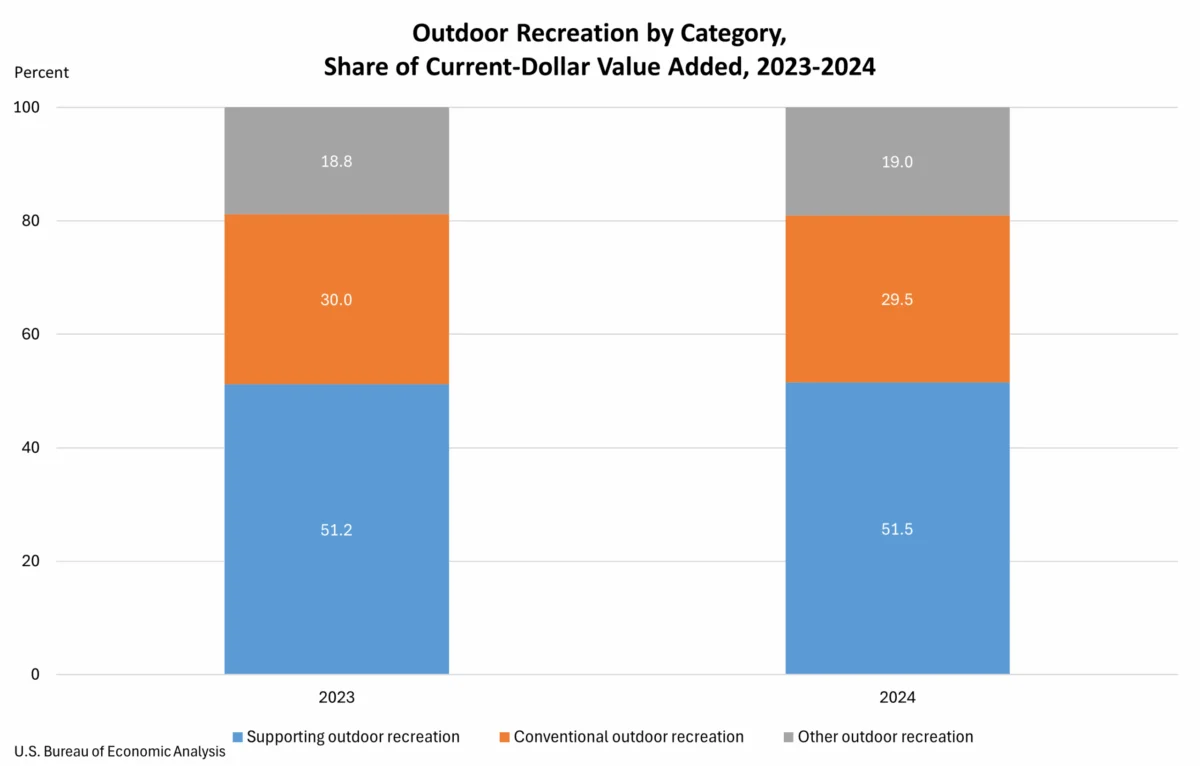
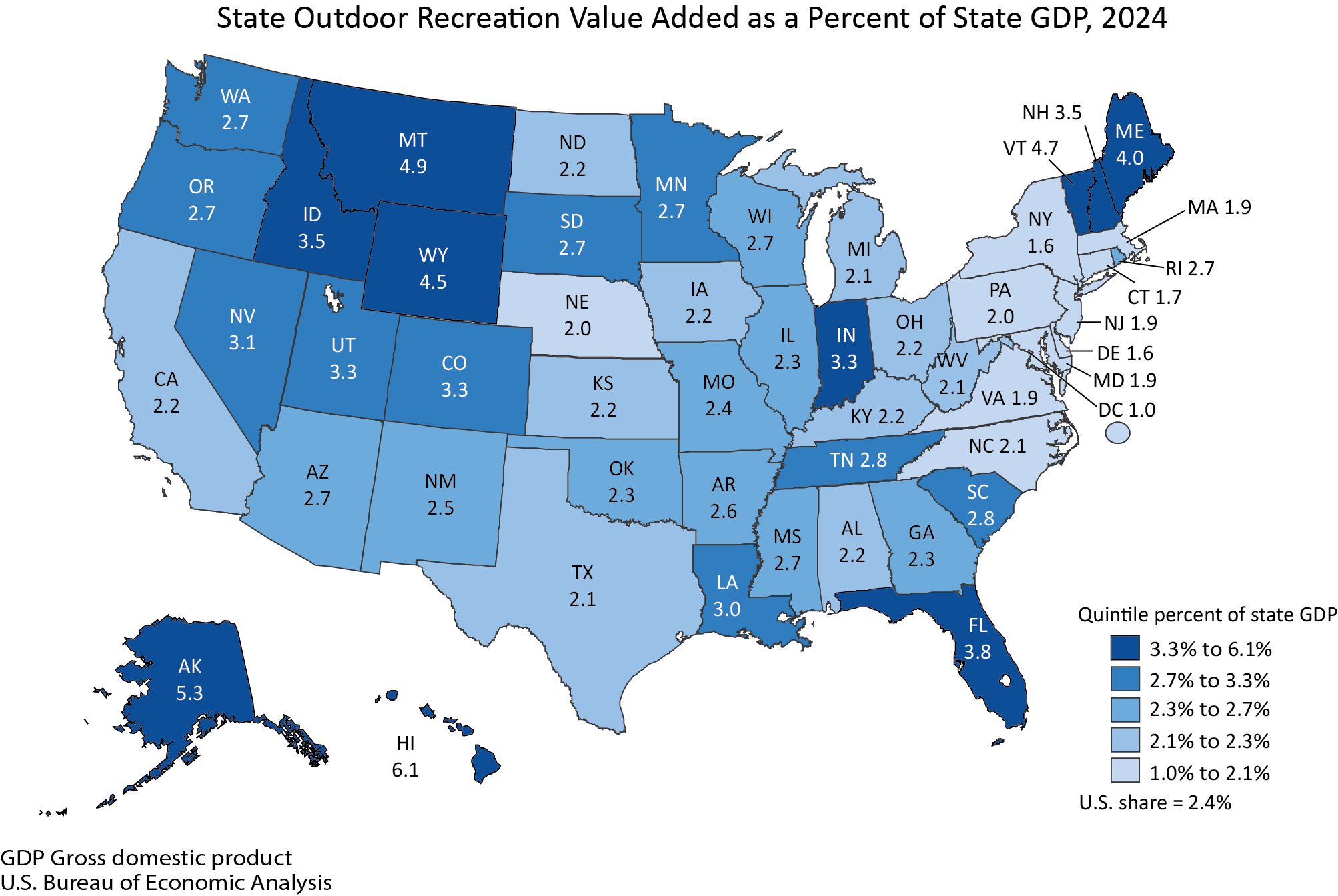
Washington D.C. – The U.S. Bureau of Economic Analysis (BEA) has released its latest comprehensive report detailing the economic impact of outdoor recreation across the nation, including granular data for all 50 states and the District of Columbia. The findings for 2024 reveal that the outdoor recreation economy accounted for a substantial 2.4 percent of the nation’s current-dollar Gross Domestic Product (GDP), translating to a significant $696.7 billion in value added. This robust contribution underscores the sector’s growing importance to the American economy, providing both economic stability and a vital source of employment and consumer spending.
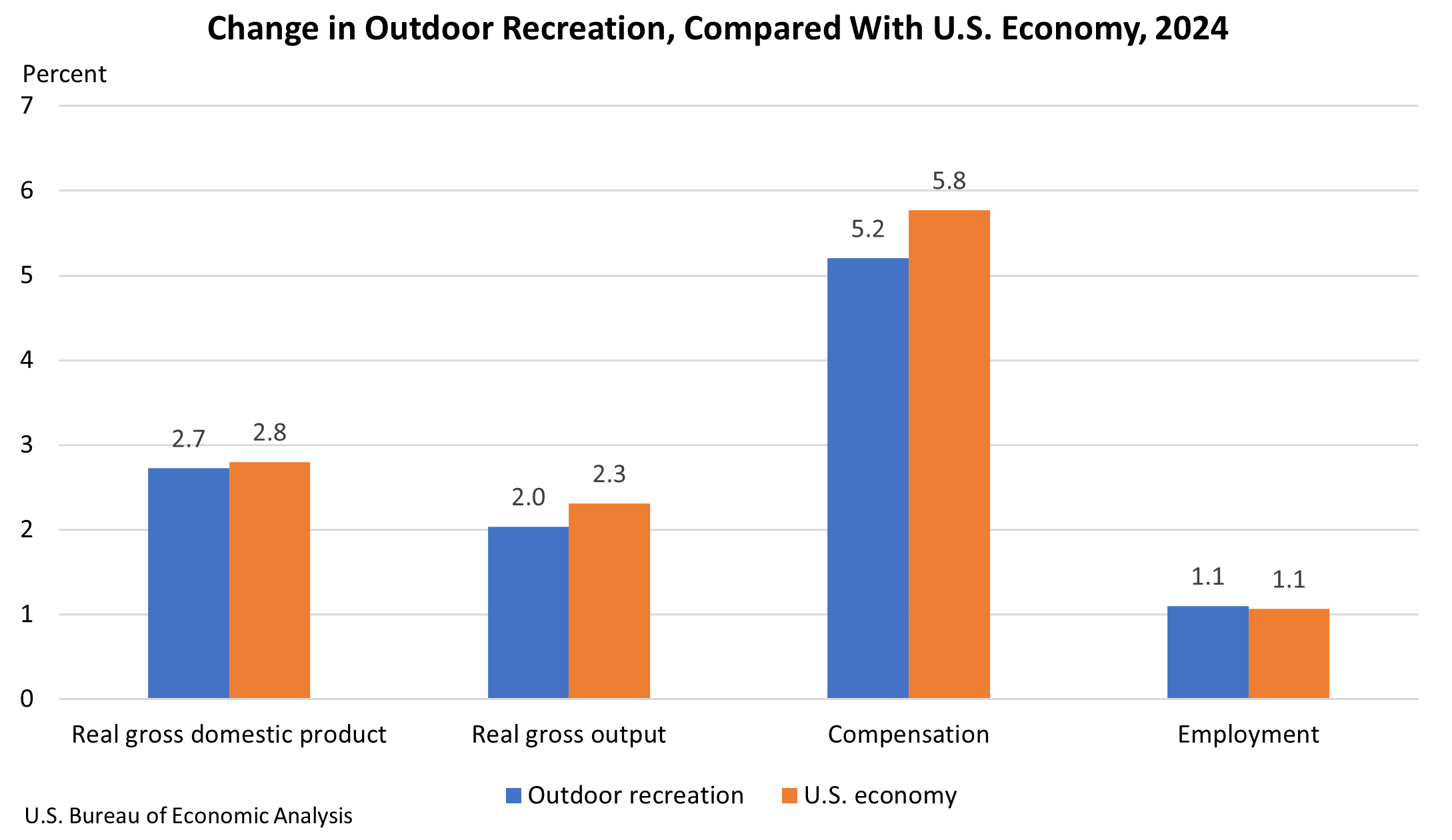
The report, which incorporates updated data reflecting the economic landscape of 2020 through 2023, highlights the dynamic nature of the outdoor recreation sector. While the overall U.S. economy experienced a 2.8 percent increase in inflation-adjusted (real) GDP in 2024, the outdoor recreation economy saw a slightly more modest growth of 2.7 percent. This figure represents a deceleration from the remarkable 5.3 percent surge observed in 2023, suggesting a stabilization after a period of rapid expansion. Nevertheless, the sector’s consistent growth trajectory remains a key indicator of its resilience and ongoing appeal.
Beyond GDP, the BEA’s analysis delves into other critical economic indicators. Real gross output for the outdoor recreation economy saw a 2.0 percent increase. Compensation within the sector rose by a healthy 5.2 percent, outpacing the overall economic growth in compensation, and employment in outdoor recreation grew by 1.1 percent. These figures collectively paint a picture of a sector that is not only expanding in value but also creating jobs and rewarding its workforce.
State-Level Variations in Outdoor Recreation’s Economic Footprint
The economic significance of outdoor recreation varies considerably across the United States, as evidenced by the state-level data. Hawaii emerged as the leader, with its outdoor recreation economy contributing an impressive 6.1 percent to its state GDP. This high percentage reflects the island state’s natural beauty and its reliance on tourism and outdoor activities as major economic drivers. In contrast, the District of Columbia’s outdoor recreation sector accounted for 1.0 percent of its GDP, indicating a different economic structure with less direct reliance on these activities.
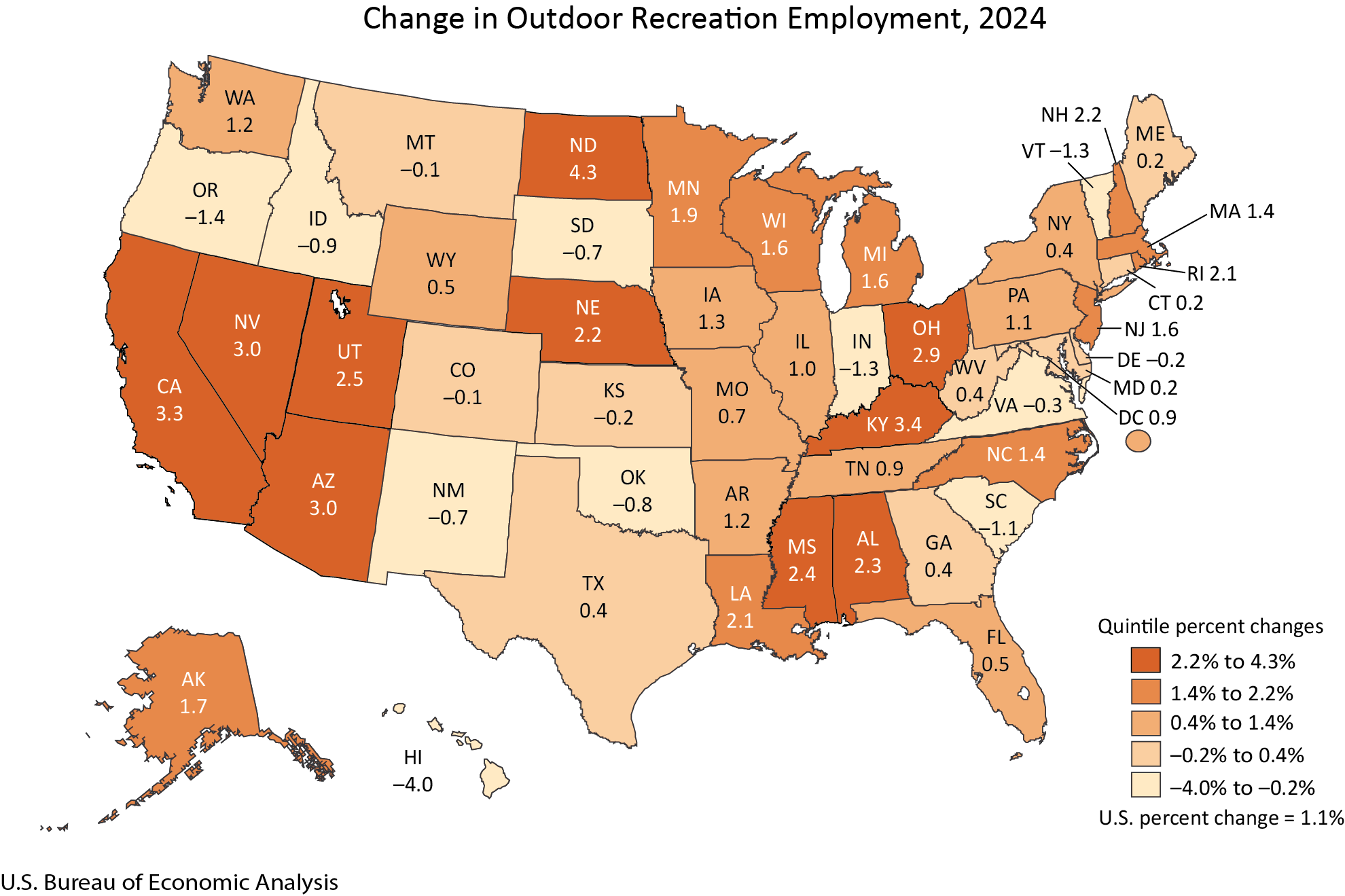
The report also sheds light on the geographical distribution of employment growth within the outdoor recreation sector. In 2024, 36 states and the District of Columbia experienced an increase in outdoor recreation employment. North Dakota led the nation with a 4.3 percent surge in employment within the sector. Conversely, Hawaii saw a 4.0 percent decline in outdoor recreation employment, a notable contrast to its leading position in terms of value added as a share of state GDP. This disparity suggests complex factors influencing employment trends, potentially including shifts in specific sub-sectors or regional economic dynamics.
Deconstructing the Outdoor Recreation Economy: Activities and Industries
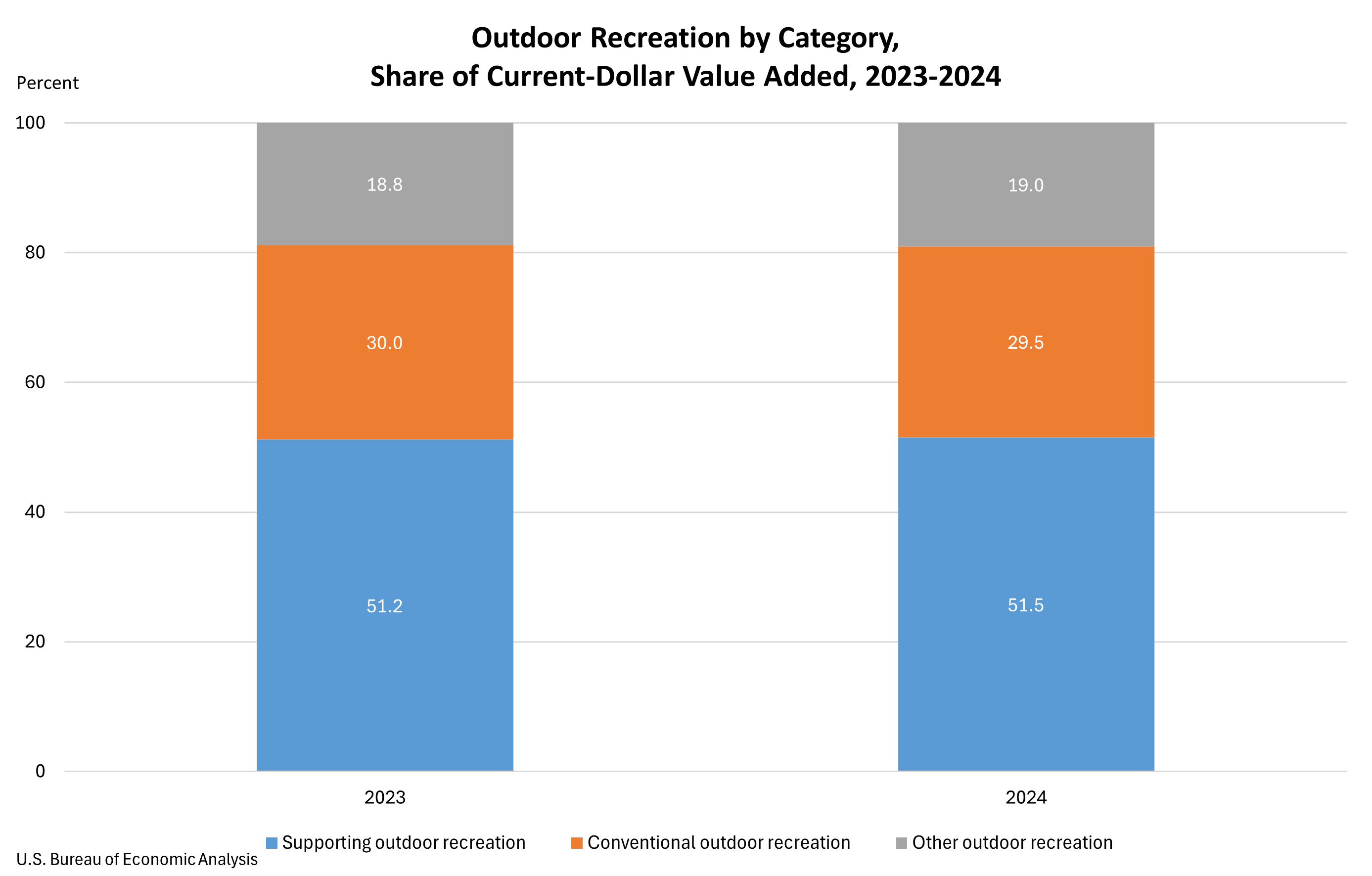
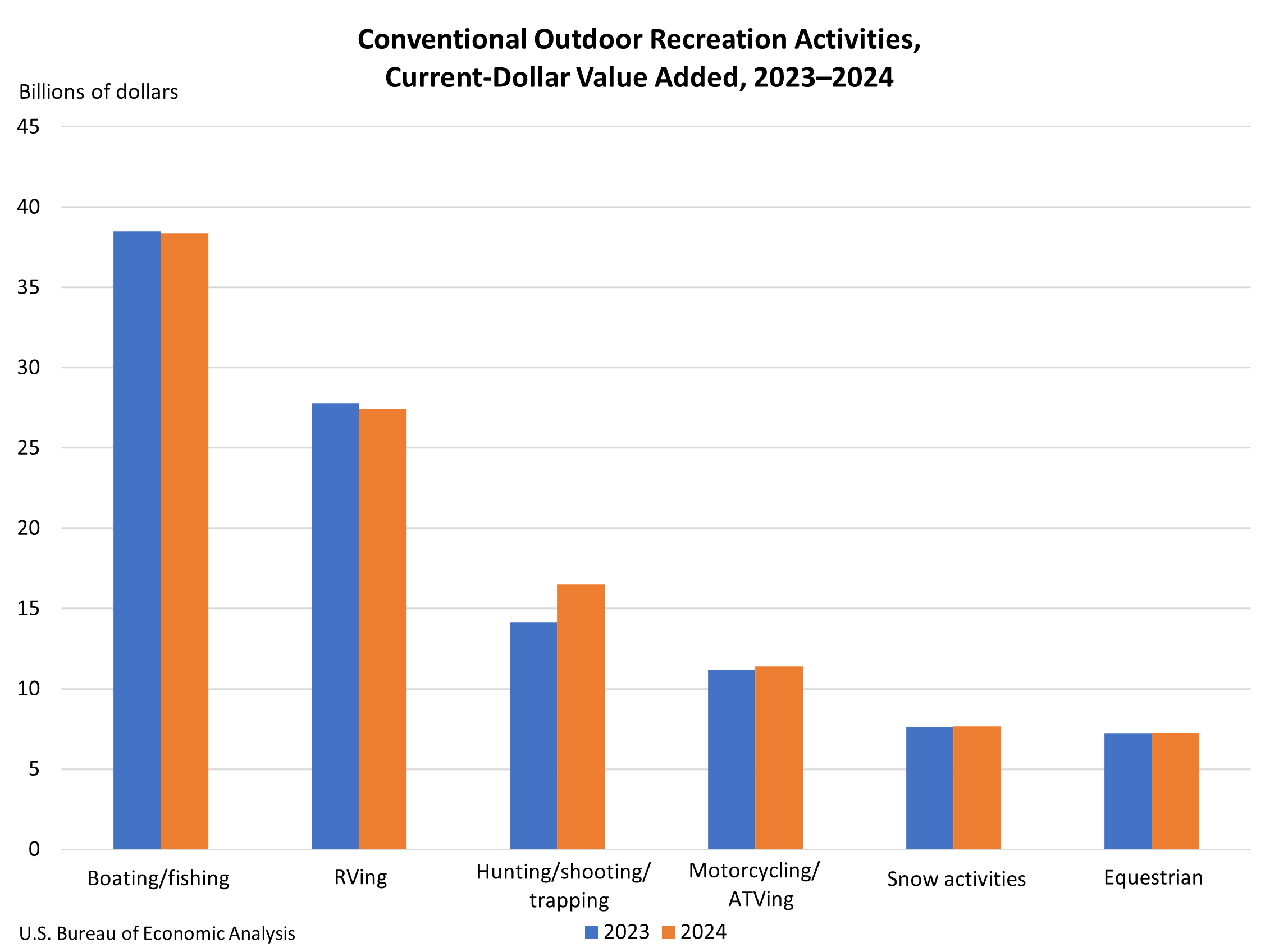
The BEA categorizes outdoor recreation activities into three broad segments: conventional activities, other activities, and supporting activities. Conventional activities, such as bicycling, boating, hiking, and hunting, accounted for 29.5 percent of the U.S. outdoor recreation value added in 2024, a slight decrease from 30.0 percent in 2023. "Other outdoor recreation," which includes pursuits like gardening and outdoor concerts, saw a marginal increase, representing 19.0 percent of value added compared to 18.8 percent in the previous year.
The largest and most impactful category remains "supporting activities," encompassing a wide range of services essential for outdoor recreation to flourish. This segment, which includes travel and tourism, local trips, and government expenditures, accounted for 51.5 percent of value added in 2024, up from 51.2 percent in 2023. Growth within supporting activities was primarily driven by travel and tourism, with notable increases in spending on transportation, accommodations, and food services. This highlights the interconnectedness of the outdoor recreation economy with broader service sectors.
Industry Contributions to the Outdoor Recreation Landscape
Delving deeper into the industry composition of the outdoor recreation economy, the BEA’s report identifies key sectors that underpin its success. The "arts, entertainment, recreation, accommodation, and food services" industry group emerged as the largest contributor to the nation’s outdoor recreation value added, accounting for $174.4 billion, or 25.0 percent of the total. This sector was the leading contributor in 23 states and the District of Columbia. California, Florida, and New York led the nation in terms of absolute dollar contributions from this industry group, reflecting their significant tourism and hospitality sectors.
Following closely, the "retail trade" industry group secured the second-largest share of national outdoor recreation value added, contributing $169.1 billion, or 24.3 percent. Retail trade was the dominant industry in 24 states, with California, Texas, and Florida again showing the largest contributions. This underscores the critical role of retail in providing goods and equipment for outdoor enthusiasts, from sporting goods to apparel.
The "manufacturing" sector ranked third nationally, contributing $91.3 billion, or 13.1 percent of value added. This sector was the primary contributor to outdoor recreation value added in two states, Indiana and Louisiana. Texas, California, and Indiana recorded the highest dollar contributions from manufacturing to the outdoor recreation economy, indicating the importance of producing goods like recreational vehicles, boats, and outdoor equipment.
A Look Back and Forward: The Evolution of Outdoor Recreation Statistics
This latest release from the BEA represents an annual update, incorporating revised data and newly available source information. The estimates for 2020 through 2023 have been refined to reflect the results of the 2025 annual update of the National Economic Accounts, which includes the National Income and Product Accounts and the Industry Economic Accounts. Similarly, state-level statistics have been updated to incorporate these national revisions along with the 2025 annual update of the Regional Economic Accounts and updated regional source data.
The BEA’s commitment to providing timely and accurate economic data on the outdoor recreation sector is crucial for policymakers, industry leaders, and researchers. These statistics offer invaluable insights into the economic drivers and employment opportunities within this vital sector, enabling informed decision-making and strategic planning. The consistent release of this data, with the next update anticipated in Fall 2026 for the 2025 statistics, ensures a dynamic and up-to-date understanding of the outdoor recreation economy’s evolving landscape.
Implications and Future Outlook
The sustained economic significance of the outdoor recreation sector, as detailed in the BEA’s report, carries several important implications. Firstly, it highlights the sector’s potential as a key driver of economic growth and job creation, particularly in regions rich in natural resources and recreational opportunities. The strong performance of supporting activities, especially travel and tourism, suggests that investments in infrastructure, hospitality, and related services can yield substantial economic returns.
Secondly, the data underscore the importance of diverse industry contributions. The robust involvement of retail, manufacturing, and service industries demonstrates the ripple effect of outdoor recreation across various economic sectors. This interconnectedness suggests that policies aimed at supporting outdoor recreation can have broader economic benefits, fostering a more resilient and diversified economy.
Furthermore, the state-level variations provide a roadmap for regional economic development strategies. States with a lower percentage of GDP derived from outdoor recreation might explore opportunities to leverage their natural assets and develop related industries, while those already leading the pack can focus on sustainable growth and innovation to maintain their competitive edge.
The BEA’s detailed methodology, which includes conventional, other, and supporting activities, offers a comprehensive view of what constitutes the outdoor recreation economy. This granular approach is essential for understanding the nuances of sector performance and identifying areas for targeted investment and policy intervention. As the nation continues to grapple with economic recovery and seeks sustainable growth, the outdoor recreation sector stands out as a promising engine for prosperity, well-being, and environmental stewardship. The ongoing collection and dissemination of these statistics by the BEA will be instrumental in guiding future efforts to harness the full economic potential of America’s great outdoors.