Layla Zulfa
Central Florida’s relentless population surge, characterized by sprawling suburban development, has long stood in stark contrast to the region’s diminishing green spaces and undeveloped land. PulteGroup’s ambitious new 1,200-acre community, aptly named The Grow, situated on the eastern outskirts of Orlando, is attempting to bridge this divide by integrating residential growth with significant conservation efforts and a unique agricultural focus. This development aims to serve as a potential blueprint for other high-growth Sun Belt markets grappling with similar challenges.
The vision for The Grow is to transform what was once rural, undeveloped land into a vibrant "agrihood" comprising approximately 2,200 homes. At its heart lies a substantial nine-acre working farm, a defining feature that underscores the community’s commitment to ecological balance. This commitment is further solidified by the plan to dedicate over half of the total acreage to conservation, encompassing wetlands, protected natural areas, and expansive shared green spaces.
This innovative approach arrives at a critical juncture for Central Florida. The Orlando metropolitan area has witnessed an astonishing population increase of nearly 80% between 2000 and 2025, growing from 1.64 million residents to an estimated 2.95 million. This demographic boom has dramatically reshaped the region’s periphery, transforming formerly rural landscapes into a mosaic of new subdivisions, apartment complexes, and commercial centers. Many long-time residents express a palpable sense of nostalgia for "Old Florida," a bygone era characterized by open vistas, thriving ranches, and abundant orange groves, much of which has now succumbed to development.
PulteGroup, the sole builder responsible for The Grow, acquired the development’s lots in 2023 with a clear mandate to create a premier community that directly addresses the escalating tensions between growth and conservation. "One of our biggest selling features is the openness of the community and how much greenery we left. Everywhere you look, you’re surrounded by trees," stated Patrick McNamara, a Sales Manager at Pulte, in a conversation with HousingWire.
What truly distinguishes The Grow from its contemporaries is the integration of a fully operational farm, an amenity that extends the concept of conservation beyond mere land preservation to active, productive use. For Pulte, which celebrated the community’s grand opening in late September, the farm and the extensive conservation areas provide a compelling differentiation in a challenging housing market. The builder is leveraging these unique selling propositions to attract buyers amidst a landscape of increased homebuilder incentives, such as mortgage rate buydowns, that are becoming more prevalent due to prevailing market conditions.
The Agrihood Model: Cultivating Community and Sustainability
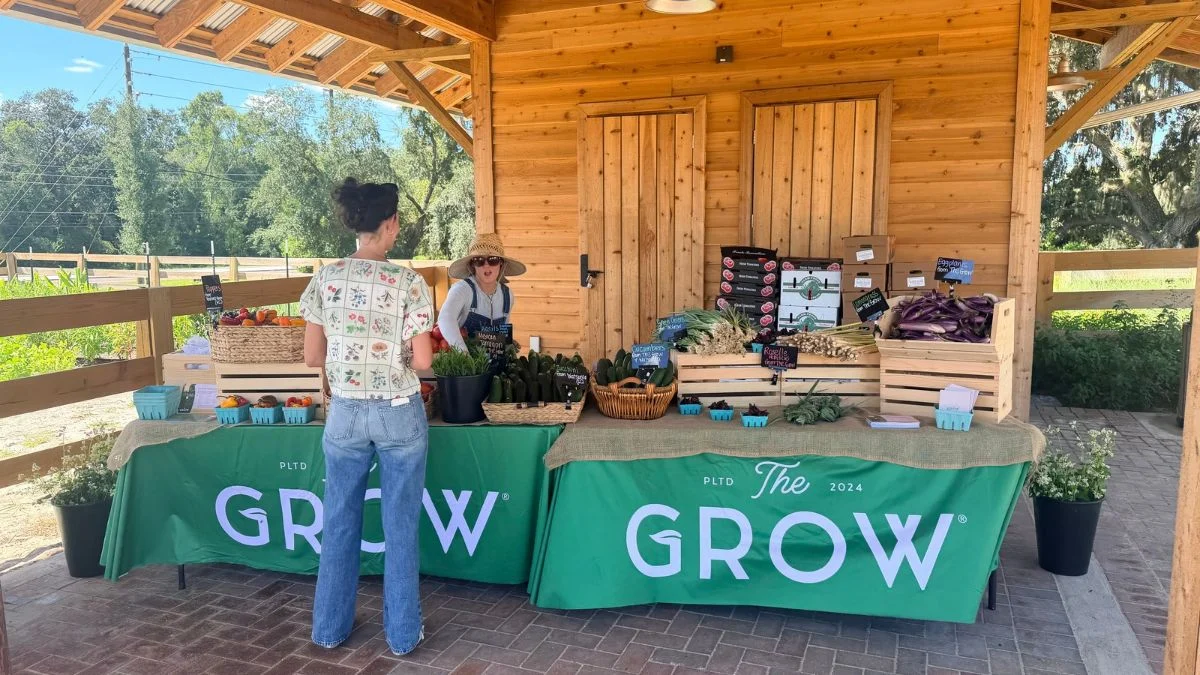
The cornerstone of The Grow’s agrihood concept is its nine-acre working farm, designed to provide residents with access to fresh, sustainably grown produce. The operational model encourages resident participation through product purchases, volunteer opportunities, and engagement in educational programming. McNamara emphasized that the farm fosters a direct and tangible connection between residents and their food sources.
To ensure professional management and optimal agricultural practices, a third-party company will oversee the farm’s operations. However, residents will have ample opportunities to volunteer their time and, crucially, to purchase the farm’s harvest at a dedicated, resident-only general store. This store is strategically positioned to serve as an anchor for The Grow’s commercial and retail street, a central hub designed to foster a sense of place and economic activity within the community.
Beyond the primary working farm, The Grow incorporates two additional agricultural spaces: a small, eighth-of-an-acre demonstration farm and a separate community farm. These smaller plots are intended to serve as hands-on learning environments for families. Residents can engage in every stage of produce cultivation, from planting seeds to harvesting, and then apply their newfound knowledge directly on their own plots. An existing program, "Seed the Table," will further empower residents to participate in the entire cycle of growing and consuming their own food.

The farm’s integration extends into social and educational programming. Farmers will collaborate with the community’s lifestyle director to host a variety of events. These include chef-led cooking classes held at the community’s gathering barn, as well as seasonal celebrations and festivals designed to foster social interaction and strengthen community bonds among homeowners. The overarching objective is to leverage the farm not only for its agricultural output and conservation value but also as a catalyst for community building, lifelong learning, and the cultivation of a distinctive, nature-centric lifestyle.
Conservation as a Differentiator in a Competitive Market
Despite facing macroeconomic pressures that impact the broader housing market, The Grow has demonstrated early sales success. Homes within the community are priced from the low $400,000s to the high $800,000s. McNamara acknowledged the necessity of offering incentives, such as mortgage rate buydowns, to finalize sales in the current environment. Nevertheless, he confirmed that The Grow has sold over 100 homes since pre-sales commenced approximately six months prior to the article’s publication. Prospective buyers, he noted, had been anticipating the community’s launch for several years.
The agrihood concept itself acts as a primary draw, capturing the initial interest of potential residents. "The farm is a big draw," McNamara stated. "I think the agrihood is what’s bringing people in, but what’s getting them to buy is once they see everything else that comes with it." This suggests that while the novelty of the farm sparks interest, the comprehensive lifestyle offering is what ultimately converts prospects into buyers.
In addition to the farm and conservation areas, The Grow is planned to feature a substantial main street development, encompassing roughly 170,000 square feet of retail and commercial space. This area is envisioned as a sophisticated corridor for high-end retail and dining establishments, intended to attract visitors and serve as a vibrant commercial nucleus for the broader community.
Further amenities designed to enhance resident experience include an indoor event and social space, an outdoor green area equipped with a community pizza oven, a dedicated dog park, extensive walking and nature trails, playgrounds, and resident-exclusive facilities such as a clubhouse, fitness center, and swimming pool. McNamara highlighted that potential buyers often express surprise at the scale and quality of these amenities, noting, "[Buyers] are shocked to find out that this isn’t a little farm community. This is a high-end resort neighborhood."
The community’s commitment to preserving existing natural landscapes represents another significant selling point. In contrast to many newly constructed developments that often begin with cleared land and newly planted vegetation that takes decades to mature, The Grow’s conservation strategy ensures that residents can immerse themselves in nature from the outset. "It’s really about getting immersed in nature, and that’s really hard to find in new construction," McNamara observed. He elaborated on the builder’s deliberate choice to retain mature trees, stating, "Homebuilders typically buy a piece of land and clear it out, start from scratch, and then plant a lot of trees. But you’ve got another 30 years until you can really enjoy the shade from it. In this neighborhood, we’ve left hundreds of 100-year-old oaks all throughout the community. We’ve made them focal points." This emphasis on integrating with the existing environment is a key component of the sought-after lifestyle at The Grow, promising an immediate connection to the natural surroundings. "One of the big draws is the lifestyle and the outdoor feeling that you’re going to have in this community," he concluded.
A Chronology of Development and Vision
The genesis of The Grow can be traced back to PulteGroup’s strategic acquisition of the 1,200-acre parcel in 2023. This acquisition marked the initial step in addressing the growing demand for housing in Central Florida while simultaneously confronting the environmental pressures of rapid urbanization. The planning phase that followed focused on integrating residential development with substantial green space preservation and the unique agrihood concept.
The project’s design philosophy emerged from an understanding of the local context: a region experiencing rapid population growth that often leads to the loss of its natural character. The concept of an "agrihood," a community centered around a working farm, was chosen as a mechanism to foster a connection to the land and promote a sustainable lifestyle. This approach aimed to counteract the prevailing trend of development that frequently eradicates natural features.
PulteGroup’s commitment to conservation was formalized by designating over half of the 1,200 acres for preservation. This included a significant portion dedicated to wetlands, which play a vital role in local ecosystems, and extensive areas designated as conservation zones. The creation of shared green spaces was also a priority, ensuring that residents would have ample access to natural beauty within the community.

The centerpiece of the agrihood, the nine-acre working farm, was conceptualized as a functional agricultural operation managed by professionals, yet accessible and engaging for residents. This dual role was intended to provide a source of fresh produce while also serving as an educational and community-building resource. Complementing the main farm, two smaller agricultural spaces were planned: a demonstration farm for educational purposes and a community farm for hands-on resident gardening.
The development of the commercial and retail core, including the envisioned main street with its 170,000 square feet of space, proceeded in parallel with the residential planning. This commercial element was designed not only to serve the immediate needs of residents but also to act as a destination, drawing visitors and contributing to the community’s vibrancy.
The community officially held its grand opening in late September, marking the culmination of the planning and initial development phases. This event signified the transition from a construction project to an actively growing community. The subsequent pre-sales period, which began approximately six months prior to the grand opening, indicated strong initial market interest, with over 100 homes already sold. This early success suggests that the unique blend of agrihood living, extensive conservation, and comprehensive amenities resonates with prospective homebuyers in the Central Florida market.
Broader Implications for Urban Planning and Development
The Grow’s model offers a compelling case study for how burgeoning metropolitan areas can navigate the inherent conflicts between population expansion and environmental stewardship. The development’s success could influence future planning decisions in similar high-growth regions across the Sun Belt and beyond. By demonstrating that large-scale residential development can be integrated with significant conservation efforts and unique lifestyle amenities, PulteGroup is presenting an alternative to the conventional suburban sprawl model.
The agrihood concept, in particular, addresses a growing consumer desire for connection to nature, local food sources, and community engagement. As urban populations continue to grow, the demand for such lifestyle-oriented developments is likely to increase. The Grow’s approach, which balances the economic imperatives of homebuilding with ecological responsibility and community well-being, may set a precedent for future projects seeking to achieve a more sustainable and livable form of urban expansion.
Furthermore, the strategy of preserving mature trees and existing natural features rather than clearing and replanting offers immediate aesthetic and environmental benefits. This approach not only enhances the quality of life for residents from the outset but also contributes to the ecological health of the surrounding area by maintaining existing habitats and carbon sinks. The integration of functional agricultural spaces as amenities also provides educational opportunities and promotes healthier lifestyles, aligning with broader societal trends toward wellness and sustainability.
The financial implications for developers who adopt similar models could also be significant. In a competitive market, unique selling propositions like an integrated farm and extensive conservation land can differentiate a development, attract buyers, and potentially command premium pricing. The positive reception and early sales figures at The Grow suggest that there is a market appetite for this type of forward-thinking development.
However, the long-term success of The Grow will depend on the sustained management and vitality of its core components, particularly the working farm and the community programming. Ensuring the farm remains productive and engaging for residents, and that the community activities foster genuine connection, will be crucial for realizing the full potential of the agrihood concept. The model’s replicability will also be a subject of interest, as other developers and municipalities consider how to adapt its principles to their specific contexts and challenges. Ultimately, The Grow represents a promising experiment in reconciling the demands of growth with the imperative of preserving the natural world, offering a glimpse into a potentially more balanced future for suburban development.