Layla Zulfa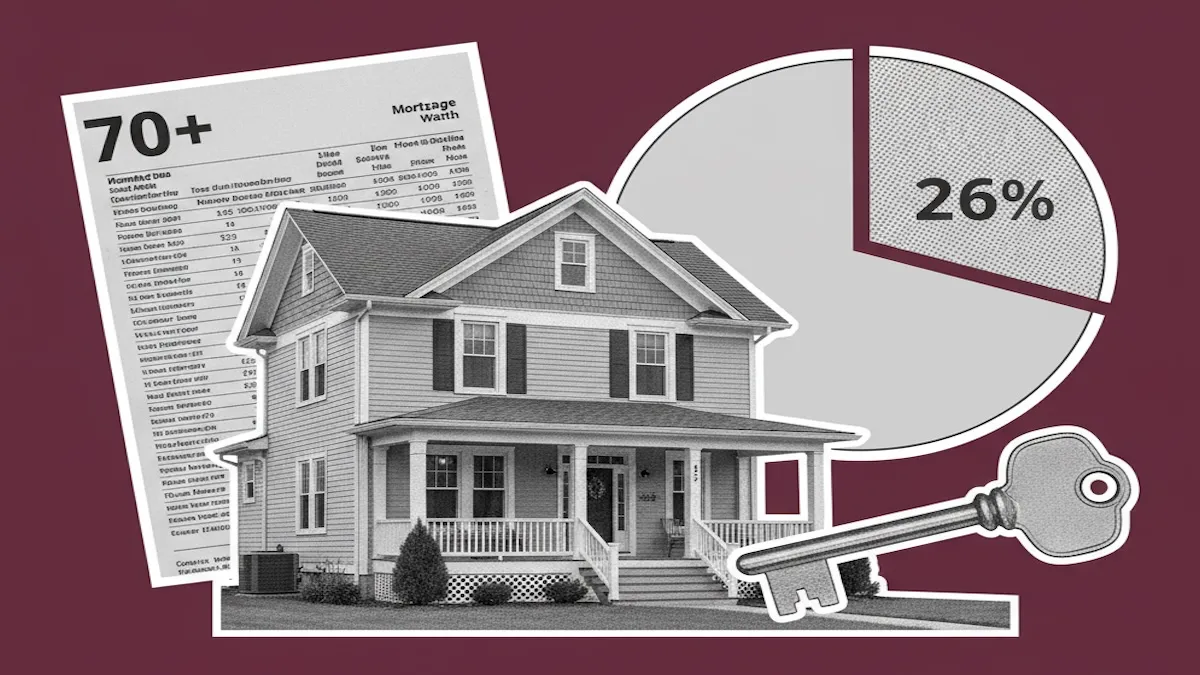
An unprecedented shift in real estate wealth distribution has occurred, with Americans aged 70 and older now holding an equal share of the nation’s housing equity as those in the 40-to-54 age bracket. This milestone, revealed in a comprehensive analysis by Redfin based on Federal Reserve Board data, underscores significant generational disparities in homeownership access and the cumulative impact of decades of home price appreciation. In the third quarter of 2025, individuals aged 70 and above controlled approximately 26% of the nation’s staggering $48 trillion in real estate wealth, a figure that precisely mirrors the portion held by their middle-aged counterparts.
This parity marks a critical turning point, first observed in the second quarter of 2025 when the senior demographic marginally edged out the 40-to-54 group, reaching a record high of just over 26%. The steady ascent of real estate wealth among Americans aged 70 and older is a trend that has been building for decades. In 2005, this demographic accounted for a mere 16.6% of national housing wealth. By 2015, that share had grown to 21.6%, demonstrating a consistent and significant accumulation over time.
The Evolving Landscape of Housing Wealth
The current figures reveal that Americans aged 70 and older now possess approximately $13 trillion in housing wealth. In stark contrast, the share of real estate wealth held by those aged 40 to 54 has experienced a decline over the same period. A decade ago, this middle-aged group commanded 29.3% of the nation’s real estate wealth, but by 2025, their stake had diminished to 26%.
While the 70-and-older demographic has reached parity with the 40-to-54 group, the largest portion of housing wealth remains concentrated among individuals aged 55 to 69. This cohort holds 35.3% of the nation’s real estate wealth, though this figure has also seen a slight decrease from 37.2% over the past decade.
The situation for younger Americans presents a more static picture. Those under the age of 40 held 12.6% of real estate wealth in the third quarter of 2025, a marginal increase from their 11.9% share a decade prior. This minimal growth highlights the persistent challenges faced by younger generations in accumulating significant housing equity.
Decades of Price Appreciation and Shifting Economic Tides
Daryl Fairweather, Chief Economist at Redfin, attributes this generational wealth redistribution to a confluence of factors, primarily driven by sustained long-term home price growth and the inherent difficulties younger buyers encounter when attempting to enter the housing market.
"Breaking into homeownership wasn’t an easy feat for baby boomers, who faced high inflation and high interest rates," Fairweather stated. "But mortgage rates then entered a decades-long decline, fueling years of home price growth that benefited baby boomers. Those home price gains, along with a rebound in mortgage rates in recent years, have pushed homeownership out of reach for many younger Americans."
The economic environment of the late 20th and early 21st centuries played a pivotal role in shaping this wealth disparity. Following periods of high inflation and interest rates in the 1970s and early 1980s, mortgage rates began a significant and sustained descent. This era of declining borrowing costs made homeownership more accessible and fueled a prolonged period of robust home price appreciation. Baby boomers, who entered their prime home-buying years during this period, were able to leverage these favorable conditions, accumulating substantial equity in their homes over decades.
The Generational Divide: Barriers to Entry for Younger Buyers
Conversely, younger generations, including Millennials and Gen Z, have faced a dramatically different economic landscape. The current housing market is characterized by historically high home prices, exacerbated by supply shortages and increased demand. Coupled with this, mortgage rates, after a period of historic lows, have seen a recent resurgence, further elevating the cost of homeownership.
These affordability pressures have made it increasingly challenging for first-time homebuyers to enter the market. Many are finding themselves priced out, forcing them to delay their homeownership aspirations or, in some cases, forgo it altogether. The data suggests that younger households are now purchasing homes later in life than previous generations, a trend that directly impacts their ability to build wealth through real estate.
Historical Context: A Timeline of Wealth Accumulation
To fully understand the current dynamics, it is essential to examine the historical trajectory of real estate wealth distribution by age group:
- Early 2000s (circa 2005): The 70-and-older demographic held approximately 16.6% of real estate wealth. The 40-to-54 age group held a larger share, reflecting the significant homeownership rates among those who benefited from earlier economic cycles.
- Mid-2010s (circa 2015): The share held by the 70-and-older group grew to 21.6%. The 40-to-54 age group, while still holding a substantial portion, began to see its dominance challenged as home prices continued their upward trajectory.
- Early 2020s (circa 2025): The significant shift became evident. The 70-and-older demographic’s share climbed steadily, reaching parity with the 40-to-54 group. This period saw the peak of pandemic-era housing market exuberance, which disproportionately benefited existing homeowners with significant equity.
- Third Quarter 2025: The Redfin analysis confirms the established parity, with both the 70-and-older and 40-to-54 age groups holding approximately 26% of the nation’s real estate wealth. The 55-to-69 age group remains the largest holder at 35.3%, though their share has also slightly contracted. Younger cohorts under 40 continue to hold a comparatively smaller, albeit slightly growing, percentage of housing wealth.
Potential Easing of Affordability Pressures
Despite the current challenges, there are emerging signs that the intense affordability pressures in the housing market may begin to abate. Redfin’s analysis points to a moderation in home price growth compared to the rapid surge experienced during the pandemic. Furthermore, mortgage rates have recently shown a downward trend, with the average 30-year fixed rate approaching 6%, levels not seen in over three years.
This cooling of the market, coupled with projected income growth, offers a glimmer of hope for prospective buyers. Redfin forecasts that income growth could outpace home price increases in 2026. If these trends materialize, it could create a more favorable environment for those who have been priced out of the market in recent years, potentially allowing them to enter the homeownership journey and begin building their own real estate wealth.
Broader Implications: Social and Economic Consequences
The widening gap in real estate wealth has profound social and economic implications:
- Intergenerational Inequality: The disparity contributes to a growing intergenerational wealth gap, where older generations have accumulated significant assets through homeownership, while younger generations struggle to gain a foothold. This can lead to increased social stratification and reduced economic mobility.
- Retirement Security: For older Americans, accumulated housing wealth provides a crucial safety net for retirement, offering options for downsizing, accessing equity through reverse mortgages, or leaving inheritances.
- Consumer Spending and Economic Growth: The ability of younger generations to enter the housing market influences their spending patterns. Delayed homeownership can mean less spending on home furnishings, renovations, and related services, potentially impacting broader economic growth.
- Housing Market Dynamics: The concentration of wealth among older demographics can influence housing market dynamics, including the supply of starter homes and the pace of market turnover.
The Redfin analysis serves as a critical indicator of evolving economic realities, highlighting the long-term impact of housing market trends and economic policies on generational wealth accumulation. As policymakers and market participants analyze these shifts, understanding the underlying causes and potential future trajectories will be crucial for fostering a more equitable and accessible housing market for all Americans.